Hearing loss often happens so gradually that we adapt without even realizing it. We might start avoiding noisy restaurants or find ourselves withdrawing from family gatherings because it’s just too hard to keep up. Addressing hearing loss is about more than just turning up the volume; it’s about reclaiming your quality of life. The most critical step on this path is a thorough hearing aid evaluation. This in-depth assessment provides a complete picture of your hearing ability, allowing a professional to guide you toward solutions that help you stay connected to the activities and, most importantly, the people you cherish.
If you are experiencing hearing loss, getting a hearing aids evaluation is an important step to finding the right hearing aids for you. The evaluation is typically conducted by an audiologist, who will assess the extent of your hearing loss and determine which hearing aids will be most suitable for your needs. In this blog post, we’ll take a closer look at the hearing aids evaluation process and what comes next.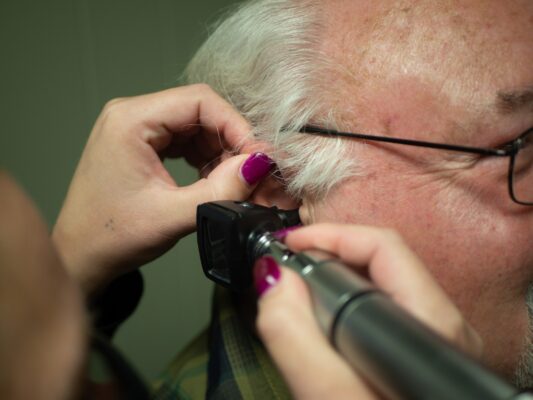
Understanding Hearing Loss and Hearing Aids
Once you have a better understanding of your hearing loss from an evaluation, the next step is often exploring hearing aids. These small devices can make a significant difference in your ability to communicate and engage with the world around you. However, it’s important to approach them with the right information and a clear set of expectations. Hearing aids are a powerful tool, but they are one part of a larger strategy for managing your hearing health and improving your quality of life. Knowing what they can and can’t do, and understanding the risks of leaving hearing loss unaddressed, will help you make the best decisions for your well-being and find the right solutions for your lifestyle.
Setting Realistic Expectations
It’s a common misconception that hearing aids work like glasses, instantly correcting your hearing to be perfect. In reality, they don’t bring back your natural hearing. Instead, their main job is to make sounds louder through a process called amplification. Modern digital hearing aids are quite sophisticated, containing a tiny microphone, an amplifier, and a receiver. A small computer chip inside works to adjust sounds based on your environment and even helps filter out distracting background noise. The best hearing aid for you will depend on several factors, including the specific type of hearing loss you have, your daily activities, and how comfortable you are with handling small devices. If you have hearing loss in both ears, your audiologist will likely recommend wearing two hearing aids. This isn’t an upsell; our brains are wired to process sound from both sides to help us locate where sounds are coming from and to better distinguish speech from background noise. Using two hearing aids helps preserve this natural ability, leading to a more balanced and clear listening experience.
The Health Implications of Untreated Hearing Loss
Putting off getting help for hearing loss can affect more than just your ears. When you struggle to hear, you might start to withdraw from social situations, which can lead to feelings of isolation and loneliness. Research shows that untreated hearing loss can impact your mental health, social life, and even your brain’s long-term health. Addressing hearing loss promptly is about staying connected to the people and activities you love. It’s about finding tools that make daily life easier and more enjoyable. This could mean getting fitted for hearing aids to help with conversations or using a specialized device like TV Ears that lets you watch your favorite shows with family without frustration over the volume, ensuring everyone can enjoy their time together.
What to Expect During Your Hearing Aid Evaluation
A hearing aids evaluation is a comprehensive assessment of your hearing loss and your hearing needs. During the evaluation, an audiologist will perform a range of tests to determine the type and degree of your hearing loss, as well as how it is affecting your daily life. The evaluation typically involves a hearing test, a discussion of your medical history, and an assessment of your hearing needs and preferences. The hearing test also involves listening to a series of sounds at different volumes and frequencies through headphones or speakers. The audiologist will record your responses to determine which sounds you can hear and which you cannot. This information will help determine the degree and type of hearing loss you are experiencing. After the evaluation, the audiologist will discuss the results with you and recommend hearing aids that are suitable for your needs. They will also discuss the different types of hearing aids available, such as behind-the-ear or in-the-ear, and the features they offer, such as noise reduction or Bluetooth connectivity.
Hearing Screening vs. a Full Evaluation
You might have seen free hearing screenings offered at health fairs or pharmacies. While these can be a good starting point, it’s important to know they aren’t the same as a full evaluation. A screening is a quick, pass-or-fail check to see if a hearing problem might exist. A hearing aid evaluation, on the other hand, is a comprehensive assessment performed by an audiologist. This in-depth process doesn’t just tell you *if* you have hearing loss; it identifies the specific type and degree. Think of it as the difference between a quiz and a final exam—the evaluation gives you the detailed answers you need to find the right solution for your hearing.
The Comprehensive Hearing Test
The core of your evaluation is the hearing test itself, which usually takes place in a sound-treated room. You’ll wear headphones and be asked to respond—by raising your hand or pressing a button—when you hear a series of tones at different pitches and volumes. This part of the test, called pure-tone audiometry, helps create a map of your hearing ability for each ear. The audiologist will also likely test your ability to hear and repeat spoken words at different volumes. This combination of tests provides a complete picture of not just what you can hear, but how clearly you can understand speech, which is a common challenge for many people.
Your Health and Hearing History
Before the testing begins, your audiologist will spend time talking with you. They’ll ask questions about your overall health, any medications you take, your family’s hearing history, and your exposure to loud noise throughout your life. According to UW Health, this is known as a “comprehensive hearing case history,” and its main purpose is to figure out how long you’ve been having trouble hearing. You’ll also discuss the specific situations where you struggle most, whether it’s hearing conversations in a noisy restaurant or understanding dialogue on television. This conversation provides crucial context for your test results and helps the audiologist recommend the most effective solutions for your lifestyle.
Speech-in-Noise Testing
One of the most common frustrations for people with hearing loss is the difficulty of understanding conversations in noisy places. That’s why many evaluations include a speech-in-noise test. During this test, you’ll be asked to listen to sentences while background noise, like the chatter of a crowd, is played at the same time. This test measures how well you can separate speech from noise, which is a critical real-world skill. The results are incredibly helpful for determining which hearing aid features, such as directional microphones or advanced noise reduction, would be most beneficial for you in your daily life.
After Your Hearing Aid Evaluation: What Comes Next?
Once you have completed a hearing aids evaluation, the next step is to choose the right hearing aids for you. Your audiologist will make recommendations based on the results of your evaluation, but the final decision is up to you. Consider factors such as comfort, fit, and functionality when making your decision. After you have chosen your hearing aids, the audiologist will program them to your specific hearing needs. They will also show you how to use and maintain your hearing aids, as well as provide you with any necessary accessories, such as cleaning tools or batteries. It’s important to remember that getting hearing aids is not a one-time solution. You will need to schedule follow-up appointments with your audiologist to ensure your hearing aids are working properly and to make any necessary adjustments. Your audiologist will also provide ongoing support and advice to help you get the most out of your hearing aids. Getting a hearing aids evaluation is an important step in improving your hearing and quality of life. By assessing your hearing needs and recommending the right hearing aids for you, an audiologist can help you find the solution that works best for you. Remember to schedule follow-up appointments and to take proper care of your hearing aids to ensure they continue to work effectively. If you’re experiencing hearing loss, don’t hesitate to schedule a hearing aids evaluation today. But if you’re waiting for a hearing aids evaluation, you may be struggling to hear your favorite TV shows and movies. Fortunately, there’s a solution: TV Ears. TV Ears are wireless headphones that help you hear TV shows and movies more clearly.
Understanding Hearing Aid Styles, Features, and Technology
Once your evaluation is complete, you’ll start exploring the hearing aids themselves. It’s helpful to know that hearing aids aren’t a one-size-fits-all solution. They come in a variety of styles designed to be discreet and comfortable, and they are packed with technology to help you hear more clearly. Your audiologist will guide you through the options that best match your type of hearing loss, your lifestyle, and your personal preferences. The goal is to find a device that not only improves your hearing but also feels like a natural part of your life.
Common Hearing Aid Styles
Hearing aids are primarily categorized by where they are worn. There are five main styles that sit either on or in your ear. Behind-the-ear (BTE) models are very common and rest behind your ear, while in-the-ear (ITE) models fit entirely within the outer part of your ear. Smaller versions, like in-the-canal (ITC) and completely-in-canal (CIC) aids, are even more discreet. Each style has its own benefits regarding visibility, battery life, and handling, so your audiologist will help you weigh the pros and cons of each to find your best fit.
Key Features and Performance Levels
Modern hearing aids do more than just amplify sound. Look for features that make speech clearer, especially in noisy places like restaurants. Many devices now include rechargeable batteries that last all day and Bluetooth connectivity for streaming audio directly from your phone or TV. Your audiologist can also create custom sound settings tailored to different environments you frequent. These features are designed to give you a more personalized and effective listening experience, helping you connect more easily with the world around you.
The Fitting and Programming Process
Getting hearing aids is much more than just picking a device off a shelf. The fitting and programming stage is where the technology is customized specifically for you. This is a critical part of the process that ensures your new hearing aids are working effectively for your unique hearing loss. An audiologist uses specialized tests and equipment to fine-tune the devices, making sure the sound you hear is clear, comfortable, and precisely calibrated to your needs. This personalized approach is what transforms a piece of technology into a true hearing solution.
Real Ear Measurement
One of the most important steps in a successful fitting is called real ear measurement. During this test, your audiologist will place a tiny, flexible probe tube in your ear canal along with your new hearing aid. This probe measures the exact sound pressure level inside your ear while the hearing aid is on. This allows the audiologist to see precisely how the hearing aid is performing in your specific ear canal, rather than relying on manufacturer estimates. It’s a verification step that ensures the programming is perfectly matched to your hearing prescription.
Electroacoustic Analysis
Before your hearing aids are even placed in your ears, your provider should perform an electroacoustic analysis. Think of this as a quality control check. The hearing aid is placed in a special sound box that tests its technical specifications, like its output levels, gain, and distortion. This process confirms that the device is functioning exactly as the manufacturer intended and meets all the required standards. It’s a crucial step to ensure you’re starting with a high-quality, reliable device before any personal programming begins.
Navigating the Buying Process
Purchasing hearing aids is a significant decision, and it’s important to feel confident and informed every step of the way. The buying process involves more than just selecting a device; it includes choosing the right professional to guide you, understanding the costs involved, and carefully reviewing your purchase agreement. Taking the time to understand these key aspects will help you make a choice you feel good about for years to come. It’s all about finding the right combination of professional care, technology, and financial planning.
Choosing a Hearing Health Provider
Your first step should be to see a hearing health professional, preferably an audiologist. An audiologist has advanced training in hearing and balance disorders and can perform a thorough evaluation to determine if your hearing loss might be caused by a treatable medical condition. They can provide a comprehensive diagnosis and guide you toward the most appropriate solution for your needs. You can find a certified audiologist in your area through professional organizations, ensuring you receive care from a qualified expert.
Understanding Costs and How to Save
The cost of hearing aids can vary widely depending on the technology and features included. It’s important to have an open conversation with your provider about your budget. Don’t hesitate to ask about different pricing tiers or if they offer payment plans. Some clinics may also have information on financial assistance programs or offer free demo models for you to try. Understanding all your options can make this important investment more manageable and help you get the technology you need without undue financial stress.
Reviewing the Written Contract
Before you finalize your purchase, make sure you receive and carefully review a written contract. This document is your protection and should clearly outline all the important details of your purchase. Look for specifics on the trial period, the return policy, and the warranty coverage for repairs and loss. The contract should also state what services, like adjustments and cleanings, are included in the price. Reading this document thoroughly ensures there are no surprises later on and that you know exactly what you’re getting.
Life With Your New Hearing Aids
Once you have your new hearing aids, your journey to better hearing is really just beginning. There will be an adjustment period as your brain gets used to processing sounds it hasn’t heard in a while. It’s also important to establish a routine for care and maintenance to keep your devices in top condition. Think of your relationship with your hearing aids as a long-term commitment that requires a little bit of attention each day to deliver the best possible results for your hearing and your quality of life.
Proper Care and Maintenance
To get the most out of your hearing aids, it’s important to wear them regularly and take good care of them. Consistent use helps your brain adapt more quickly to the new sounds you’re hearing. Daily care is also essential. This includes gently wiping them down, checking for earwax buildup, and storing them in a safe, dry place overnight. Following a simple maintenance routine will help ensure your hearing aids perform their best and last for years to come.
Planning for Future Needs
Hearing loss can change over time, so it’s wise to plan for the future when selecting your hearing aids. Ask your audiologist if the power or amplification of the hearing aid can be increased down the road if your hearing needs change. Choosing a device with this flexibility can save you from needing to purchase a whole new set of hearing aids if your hearing loss progresses. This forward-thinking approach ensures that your investment continues to serve you well for as long as possible.
Can TV Ears Help While You Wait for Hearing Aids?
TV Ears are wireless headphones that transmit the sound from your TV directly to your ears. They are easy to set up and use, and offer a range of benefits to users. TV Ears use advanced technology to enhance the clarity of TV sound, making it easier to understand dialogue and follow the plot of your favorite shows and movies. How can TV Ears help while waiting for a hearing aids evaluation? While you’re waiting for a hearing aids evaluation, you don’t have to suffer through watching TV with muffled or unclear sound. TV Ears can help you enjoy your favorite shows and movies more fully, without the frustration of struggling to hear. This can be especially important for individuals who are experiencing hearing loss, as it can be difficult to hear dialogue and other important sounds on TV. TV Ears are also a great option for those who may not be ready for hearing aids, but still need help hearing TV sound. They can be a great temporary solution while waiting for a hearing aids evaluation or for those who prefer not to wear hearing aids. Are there any downsides to using TV Ears? While TV Ears can be a great solution for those who are waiting for a hearing aids evaluation, there are some potential downsides to consider. For example, TV Ears are not a substitute for proper hearing aids, which are specifically designed to address hearing loss. If you’re waiting for a hearing aids evaluation, you don’t have to suffer through watching TV with muffled or unclear sound. TV Ears can be a great temporary solution to help you enjoy your favorite shows and movies more fully. While they may not be a substitute for proper hearing aids, they can be a helpful tool to have on hand. If you’re experiencing hearing loss or struggling to hear TV sound, consider giving TV Ears a try.
Exploring Alternatives and Supplemental Devices
While hearing aids are the primary solution for treating hearing loss, they aren’t the only tool available to help you hear better. A variety of other devices can offer support in specific situations, either on their own or in conjunction with your hearing aids. Think of them as specialized helpers for challenging listening environments, like a noisy restaurant or a quiet conversation across the room. These alternatives can be a great starting point if you’re not quite ready for hearing aids or if you need an extra layer of assistance for particular activities, such as watching television with your family. Understanding these options can help you build a complete toolkit for better hearing in your daily life.
Personal Sound Amplification Products (PSAPs)
You may have seen Personal Sound Amplification Products, or PSAPs, sold over-the-counter or online. These devices are designed to amplify sounds in certain situations for people with normal hearing, like bird watching or listening to a distant speaker. It’s important to understand that PSAPs are not a substitute for hearing aids. They make all sounds in your environment louder, but they are not intended to treat or compensate for hearing loss. Unlike hearing aids, they can’t be programmed to match your specific hearing needs. While they might seem like a simple fix, using a PSAP when you have hearing loss can be ineffective and may delay you from seeking the proper care you need.
Assistive Listening Devices (ALDs)
Assistive Listening Devices, or ALDs, are a category of products designed to help you hear more clearly in specific situations. This group includes everything from amplified telephones to special alarm clocks. One of the most common challenges for people with hearing loss is understanding dialogue on television. This is where a specialized ALD can make a huge difference. Products like TV Ears are designed specifically for this purpose. They work by capturing the TV audio and transmitting it wirelessly to a headset, bringing clear sound directly to you without disturbing others. ALDs can be an excellent solution whether you use hearing aids or not, providing the extra clarity needed to fully enjoy your favorite shows and movies.
Want to Learn More? Read These Next
Looking at a headset for TV listening? Consider these five outcomes
Enhance Your TV Viewing Experience with the Best Hearing Devices for TV
Headphones as hearing aids; Know this 1 vital factor
Need wireless headphones for TV transmitter? Check out TV Ears
A Headphone for TV Use? 5 things to know
Wireless headphones for tv’s: Many options, 1 top choice for those with hearing impairments
TV hearing devices: Lots of options, 1 clear winner
TV headphones for hearing impaired: 6 reasons TV Ears is a best choice
Frequently Asked Questions
What’s the difference between a quick hearing screening and a full evaluation? Think of a hearing screening as a simple pass-or-fail quiz that can indicate a potential problem. A full hearing aid evaluation, conducted by an audiologist, is the complete exam. It doesn’t just tell you if you have hearing loss; it provides a detailed map of your hearing, identifying the specific type and degree of loss you’re experiencing. This in-depth information is what’s needed to find a truly effective solution.
Will hearing aids completely restore my natural hearing? It’s a common question, but hearing aids don’t work like a magic wand that brings back perfect hearing. Instead, they are sophisticated tools that amplify the sounds you’ve been missing and help your brain process them more clearly. While they can dramatically improve your ability to communicate and engage with your surroundings, there is an adjustment period as your brain relearns how to interpret these sounds.
Why might an audiologist recommend two hearing aids instead of just one? Our brains are wired to process sound from both ears to understand where sounds are coming from and to better separate speech from background noise. Using two hearing aids helps preserve this natural ability. This creates a more balanced and full sound experience, making it much easier to follow conversations in challenging environments like a busy restaurant.
I only really struggle to hear the TV. Do I have to get hearing aids right away? If your primary challenge is understanding television dialogue, you have options. While a full evaluation is always the best first step, you might find that an assistive listening device is a great solution for your specific need. Products like TV Ears are designed to send clear audio directly from the TV to you, allowing you to hear perfectly without affecting the volume for anyone else in the room.
What is the most important part of the hearing aid fitting process? The most critical step is the personalized programming. Your audiologist will likely perform a test called “real ear measurement,” where a tiny microphone is placed in your ear canal with the hearing aid. This test measures exactly how the device is performing in your unique ear, allowing for precise adjustments. This step ensures the hearing aid is perfectly tuned to your specific hearing needs, which makes all the difference in its effectiveness.
Key Takeaways
- Prioritize a Professional Evaluation: A quick screening isn’t enough. A full evaluation by an audiologist is the only way to understand the specifics of your hearing loss and map out the most effective treatment plan.
- Focus on the Fitting, Not Just the Features: The best technology won’t work without proper customization. A successful outcome relies on a provider who performs personalized programming and real ear measurements to tailor the device specifically to you.
- Look Beyond Hearing Aids for Specific Needs: Hearing aids are great for general use, but specialized tools can solve specific problems. An assistive listening device like TV Ears is designed to deliver clear television audio, making it a perfect addition to your hearing toolkit.