Straining to hear the television or asking family members to constantly repeat themselves is frustrating. You know it’s time to look for a solution, but the high cost and multiple appointments associated with traditional hearing aids can be a major barrier. For many, purchasing hearing aids online offers a more affordable and convenient path to better hearing. This article will serve as your clear and simple roadmap. We’ll explain the differences between over-the-counter and prescription devices, show you how to avoid common risks, and help you understand what to expect so you can make a smart, informed decision for your hearing needs.
The internet has revolutionized the way we shop for products, and hearing aids are no exception. With the convenience of online shopping, many people are turning to buying a hearing aid online instead of visiting a traditional brick-and-mortar store. In this blog post, we will discuss the benefits and potential drawbacks of buying a hearing aid online. One of the main benefits of buying a hearing aid online is the convenience. Instead of having to travel to a physical store, you can browse and purchase hearing aids from the comfort of your own home. This can be especially appealing for those who may have mobility or transportation issues. Another advantage of buying a hearing aid online is the potentially lower cost. Online retailers often have lower overhead costs compared to physical stores, which can translate to lower prices for consumers. Additionally, some online retailers offer special promotions or discounts that may not be available in-store. When purchasing a hearing aid online, it is important to ensure that you are buying from a reputable retailer. Research the company’s customer reviews and return policy before making a purchase. It is also important to check the specifications and features of the hearing aid to ensure that it will meet your specific needs. One potential drawback of buying a hearing aid online is that you may not have the opportunity to try it out before purchasing. While some retailers offer trial periods, it is important to carefully review the return policy in case the hearing aid does not meet your expectations. Another potential concern with buying a hearing aid online is the lack of personalized support and assistance that you may receive from an audiologist or hearing aid specialist. However, some online retailers do offer support and guidance to help you choose the right hearing aid for your needs. In conclusion, buying a hearing aid online can offer convenience and potentially lower costs. However, it is important to research the retailer and carefully review the product specifications before making a purchase. If you have any concerns or questions, reach out to the retailer’s customer support for assistance. With the proper research and precautions, buying a hearing aid online can be a viable option for those in need of affordable hearing aids. Photo by NordWood Themes on Unsplash## Understanding the Types of Hearing Aids Available Shopping for a hearing aid online opens up a world of options, but it’s helpful to first understand the main categories you’ll encounter. The biggest distinction is between over-the-counter (OTC) and prescription hearing aids. OTC devices are designed for adults with perceived mild to moderate hearing loss and can be purchased without a medical exam or a fitting by an audiologist. They are a newer category, made possible by recent FDA regulations, and offer a more accessible starting point for many people. Prescription hearing aids, on the other hand, are for all levels of hearing loss and require a hearing test from a professional. They are custom-programmed to your specific hearing profile, offering a much more personalized solution. Your choice between the two will depend on your level of hearing loss, your budget, and how much professional support you feel you need along the way. ### Over-the-Counter (OTC) vs. Prescription Hearing Aids The primary difference between OTC and prescription hearing aids comes down to accessibility and customization. OTC hearing aids are a one-size-fits-most solution, ideal for those who are just beginning to notice hearing difficulties, like turning the TV up louder than others prefer or having trouble in noisy environments. They typically cost less than $1,000 and are ready to use right out of the box. Prescription hearing aids are a more significant investment, often starting around $3,000, because the price includes professional services like an in-person fitting and follow-up adjustments. These devices are programmed using an audiogram—a detailed map of your hearing ability—to ensure the sound amplification is tailored precisely to your needs. #### Who Should Consider OTC Hearing Aids? OTC hearing aids are a great option if you’re an adult experiencing mild to moderate hearing loss and feel comfortable managing the device on your own. If you find yourself asking people to repeat themselves often or notice that you’re missing certain sounds, an OTC device could be a good first step. Many companies offer free online hearing tests that can help you gauge whether your hearing loss falls into the mild-to-moderate range. For many, the main challenge is specific situations, like hearing television dialogue clearly. In these cases, a dedicated device like a TV listening system can solve the problem without the commitment or cost of a full hearing aid, allowing you to get crisp, clear sound delivered directly to you. #### When to See a Professional for a Prescription While OTC options are convenient, they aren’t for everyone. It’s best to see a professional if you have more significant hearing loss or specific medical conditions. If you experience ringing in your ears (tinnitus), sudden hearing loss, or have a unique ear shape that might make fitting a standard device difficult, a consultation with an audiologist is essential. They can perform a comprehensive hearing evaluation to rule out underlying medical issues and recommend a prescription hearing aid that is custom-fitted and programmed for your specific hearing profile. This professional guidance ensures you get the most effective and comfortable solution for your needs. ### Matching Technology Levels to Your Lifestyle Hearing aids come with different levels of technology, which usually correspond to their price. Basic models are great for quieter lifestyles, focusing on amplifying conversations in one-on-one settings or small groups. Mid-range devices offer more advanced features, like better noise reduction and feedback cancellation, making them suitable for moderately noisy environments such as restaurants or family gatherings. Premium hearing aids have the most sophisticated technology, designed to provide the clearest sound in challenging listening situations, like crowded events or windy outdoor settings. Think about your daily activities and where you struggle most to hear to decide which technology level is the right fit for you. ## How to Buy a Hearing Aid Online: A Step-by-Step Guide Purchasing a hearing aid online might seem complicated, but it can be a straightforward process if you know what to expect. The steps differ slightly depending on whether you’re buying an OTC or a prescription device. For OTC hearing aids, the process is as simple as choosing a product, placing your order, and setting it up yourself when it arrives. However, for prescription hearing aids, the process is more involved to ensure the device is perfectly suited to your hearing loss. It requires you to have a professional hearing test done beforehand. This initial step is crucial because it provides the data that online audiologists will use to program your new hearing aids remotely, giving you a customized experience without multiple office visits. ### The Process for Prescription Hearing Aids Buying prescription hearing aids online combines the convenience of ecommerce with the expertise of a hearing professional. While you won’t have an in-person fitting, reputable online sellers have developed a robust process to ensure you get a device that’s programmed for your specific needs. This typically involves submitting a recent hearing test, consulting with a remote audiologist to select the right model, and having the device programmed and shipped directly to your door. Many companies also offer remote follow-up care to make adjustments as you get used to your new hearing aids. #### 1. Get a Professional Hearing Test (Audiogram) The first and most important step is to get a professional hearing test, which produces a report called an audiogram. This test measures your ability to hear different frequencies and is the foundation for programming your hearing aids. You can get an audiogram from a local audiologist or a hearing instrument specialist. You’ll need a copy of this test, usually one that’s been completed within the last six months, to order prescription hearing aids online. This document is non-negotiable, as it’s the only way for the online provider to accurately set up your device. #### 2. Send Your Test Results to the Online Seller Once you have your audiogram, you’ll need to send it to your chosen online retailer. Most companies make this easy, allowing you to upload a digital copy directly through their website during the checkout process or email it to their customer service team. Reputable sellers like Direct Hearing require this step before they will ship your order. This ensures that their licensed hearing specialists can review your results and program the hearing aids to match your specific hearing loss profile. It’s a critical quality control step that separates legitimate online providers from simple amplifiers. #### 3. Choose a Hearing Aid Based on Your Needs With your hearing test in hand, you can start shopping for the right device. Consider your lifestyle, budget, and the features that are most important to you. Do you need Bluetooth connectivity for phone calls? Are rechargeable batteries a must-have? Reputable online sellers often have specialists available via phone or chat to help you compare models and make a decision based on your audiogram and personal preferences. Look for sellers with clear return policies and good customer service records, as this will be your main point of contact for support. #### 4. Remote Programming and Shipping After you’ve selected your hearing aids and submitted your audiogram, the online provider’s team of specialists will get to work. They will use your test results to pre-program the devices specifically for you. Once programmed, the hearing aids are shipped directly to your home. Many modern hearing aids can also be adjusted remotely. This means if you feel the settings aren’t quite right, you can schedule a virtual appointment with an audiologist who can fine-tune your devices from afar using a smartphone app, a process known as telecare. ## Key Risks of Buying Online and How to Avoid Them While buying hearing aids online offers convenience and savings, it’s important to be aware of the potential risks. The digital marketplace is vast, and not all sellers are created equal. One of the biggest concerns is the prevalence of low-quality products or outright counterfeits, especially on large platforms like Amazon. These devices may not be FDA-registered and could simply be sound amplifiers that don’t address the nuances of hearing loss. Another significant risk is bypassing a professional evaluation, which could cause you to miss an underlying medical condition that is causing your hearing loss. To protect yourself, stick to reputable online hearing aid retailers that require a hearing test for prescription models and have licensed professionals on staff to guide you. ### Counterfeit Products and Malfunctions The internet is filled with products that are marketed as hearing aids but are actually just personal sound amplification products (PSAPs). While some online options are excellent, many unproven brands sell low-quality devices that can malfunction or provide poor sound quality. To avoid this, research the brand and the seller thoroughly. Look for companies that sell FDA-registered hearing aids from established manufacturers. Reading customer reviews on third-party sites can also provide insight into the product’s quality and the company’s reliability. A reputable seller will be transparent about the manufacturers they work with and the technology inside their devices. ### Bypassing Important Medical Screenings When you buy a hearing aid through a local clinic, the audiologist performs a physical examination of your ear canal and conducts a diagnostic hearing test. This screening can identify medical issues like earwax buildup, infections, or even tumors that could be contributing to your hearing loss. Purchasing online means you skip this in-person evaluation. If you haven’t had a recent check-up with a doctor or audiologist, it’s a good idea to do so before buying a hearing aid online. This ensures you’re not overlooking a treatable medical condition and confirms that a hearing aid is the appropriate solution for you. ### Lack of Local Support and Adjustments One of the trade-offs of buying online is the lack of in-person support. If your hearing aid needs a physical repair or a deep cleaning, you can’t just drop it off at a local office. Furthermore, many local audiology clinics are unwilling to service or adjust hearing aids that were purchased elsewhere. This can leave you in a tough spot if you need hands-on help. Before buying, check with the online retailer about their repair process and warranty coverage. Also, ask about their remote support options to see how they handle adjustments and troubleshooting. ### Technical Problems from a Lack of In-Person Fitting A proper fit is crucial for both comfort and performance. An ill-fitting hearing aid can cause physical discomfort, feedback (whistling), or fall out of your ear. Local audiologists use your ear impressions to ensure a snug fit, especially for in-the-ear models. While some online retailers offer fit-kits to help you find the right size dome or ear tip, it’s not as precise as an in-person fitting. This is especially true for more complex hearing aid styles. To minimize this risk, consider behind-the-ear (BTE) models when buying online, as they tend to be more forgiving with fit. #### The Importance of Real Ear Measurement One of the most critical steps an audiologist performs during an in-person fitting is called Real Ear Measurement. This process involves placing a tiny microphone in your ear canal to measure the exact sound level the hearing aid is producing inside your ear. It verifies that the programming is accurate for your unique ear canal acoustics. This step cannot be done remotely by online companies. While remote programming can get very close to ideal settings based on your audiogram, it can’t replicate the precision of Real Ear Measurement, which may result in a less-than-optimal listening experience for some users. ## Comparing Costs, Features, and Financial Options One of the most compelling reasons to buy hearing aids online is the significant cost savings. Without the overhead of a physical clinic, online retailers can offer the same high-quality devices for thousands of dollars less. However, the price isn’t the only factor to consider. You’ll also want to compare the features available at different price points, such as Bluetooth streaming, rechargeability, and advanced noise reduction. Additionally, it’s worth looking into your payment options. Many people don’t realize that they can use funds from a Health Savings Account (HSA) or Flexible Spending Account (FSA) to purchase hearing aids, making them even more affordable. ### Typical Cost: Online vs. Local Clinic The price difference between buying online and from a local clinic can be substantial. A pair of prescription hearing aids from a local audiologist typically costs between $5,000 and $6,000. This price is “bundled,” meaning it includes the devices as well as all associated professional services like fittings, adjustments, and cleanings for a set period. In contrast, the price for hearing aids online is often “unbundled,” with the devices themselves ranging from $500 to $1,500. This lower price reflects the cost of the hardware and remote programming, without the in-person service fees. ### Using HSA/FSA for Your Purchase You can use your Health Savings Account (HSA) or Flexible Spending Account (FSA) to pay for hearing aids, whether they are prescription or over-the-counter. These accounts allow you to use pre-tax dollars to cover qualified medical expenses, which includes hearing aids and even batteries or other accessories. This is a fantastic way to reduce the overall cost of your purchase. Be sure to check the specifics of your plan and keep your receipts, but using these accounts can make a high-quality hearing aid much more accessible financially. ### Key Features to Look For When comparing models, think about which features will genuinely improve your day-to-day life. Rechargeable batteries are a popular choice for convenience, eliminating the need to fumble with tiny disposable batteries. Bluetooth connectivity allows you to stream audio directly from your smartphone, TV, or other devices, turning your hearing aids into personal wireless headphones. For those who experience ringing in their ears, some hearing aids come with built-in tinnitus support programs that generate soothing sounds to provide relief. Prioritize the features that align with your lifestyle and listening needs. #### Rechargeable vs. Disposable Batteries The choice between rechargeable and disposable batteries often comes down to personal preference. Rechargeable hearing aids are incredibly convenient—you simply place them in a charging case overnight, and they’re ready to go in the morning. This eliminates the ongoing cost and hassle of buying disposable batteries. However, disposable batteries can last longer on a single charge and are easy to swap out on the go, which some users prefer. Consider your comfort with technology and your daily routine when deciding which option is best for you. #### Bluetooth Connectivity Bluetooth has become a standard feature in many modern hearing aids, and for good reason. It allows you to wirelessly connect your hearing aids to your smartphone, enabling hands-free phone calls and streaming music or podcasts directly to your ears. Many hearing aids can also connect to TV streamers, which send the television audio directly to your devices. This creates a personalized listening experience, allowing you to hear clearly without turning up the volume for everyone else in the room. If you’re tech-savvy and use a smartphone regularly, Bluetooth is a feature worth investing in. #### Tinnitus Support Programs For the millions of people who experience tinnitus, or ringing in the ears, some hearing aids offer built-in relief programs. These features work by generating a gentle, soothing sound, like white noise or ocean waves, that can help mask the internal ringing sound. This sound therapy can make tinnitus less noticeable and disruptive, providing significant relief throughout the day. If tinnitus is a concern for you, look for hearing aids that specifically mention this feature. It can make a world of difference in your overall hearing comfort and quality of life. ## What to Look for in a Reputable Online Seller Choosing the right online seller is just as important as choosing the right hearing aid. A reputable company will prioritize your hearing health and provide the support you need to be successful with your new devices. Look for sellers who are transparent about their products, pricing, and policies. Key indicators of a trustworthy provider include a risk-free trial period, comprehensive warranties, and access to ongoing professional support from licensed audiologists or hearing specialists. These elements ensure that you’re not left on your own after the purchase and have a safety net if the hearing aids don’t work out for you. ### Risk-Free Trial Periods and Money-Back Guarantees Since you can’t try on hearing aids before buying them online, a generous trial period is essential. Reputable sellers typically offer a trial period of 45 to 100 days, giving you ample time to wear the hearing aids in your daily environments and decide if they’re right for you. Make sure the company offers a full money-back guarantee if you return the devices within that window. This allows you to try the hearing aids without financial risk and ensures you won’t be stuck with a product that doesn’t meet your needs. ### Comprehensive Warranties for Loss and Repairs Hearing aids are a significant investment, so strong warranty coverage is crucial. A good warranty should cover repairs for any manufacturing defects for at least one to three years. Some of the best online providers also include a one-time loss and damage policy in their warranty. This means if you accidentally lose or damage your hearing aid, you can get a replacement for a small deductible. Be sure to read the fine print to understand exactly what is covered and for how long. ### Lifetime Remote Care and Support Excellent customer support is what sets the best online hearing aid providers apart. Look for companies that offer lifetime remote care from a team of hearing professionals. This means you can contact them for years to come to get your hearing aids adjusted, troubleshoot technical issues, or ask questions. This ongoing support is often provided through phone calls, video chats, and smartphone apps. Knowing that expert help is just a call or click away provides peace of mind and is critical for long-term success with your hearing aids. ### Understanding Who Makes the Hearing Aids You might be surprised to learn that the hearing aid industry is dominated by just a handful of major manufacturers. These companies, often referred to as the “Big Five,” produce the vast majority of hearing aids sold in clinics and online. Many of the best online brands source their devices from these same top-tier manufacturers. This means you can often get the same core technology found in expensive clinic-only hearing aids for a fraction of the price. A reputable online seller will be transparent about where their technology comes from, so you can feel confident in the quality of the product you’re buying.
Why TV Ears Is the Top Online Hearing Aid for TV
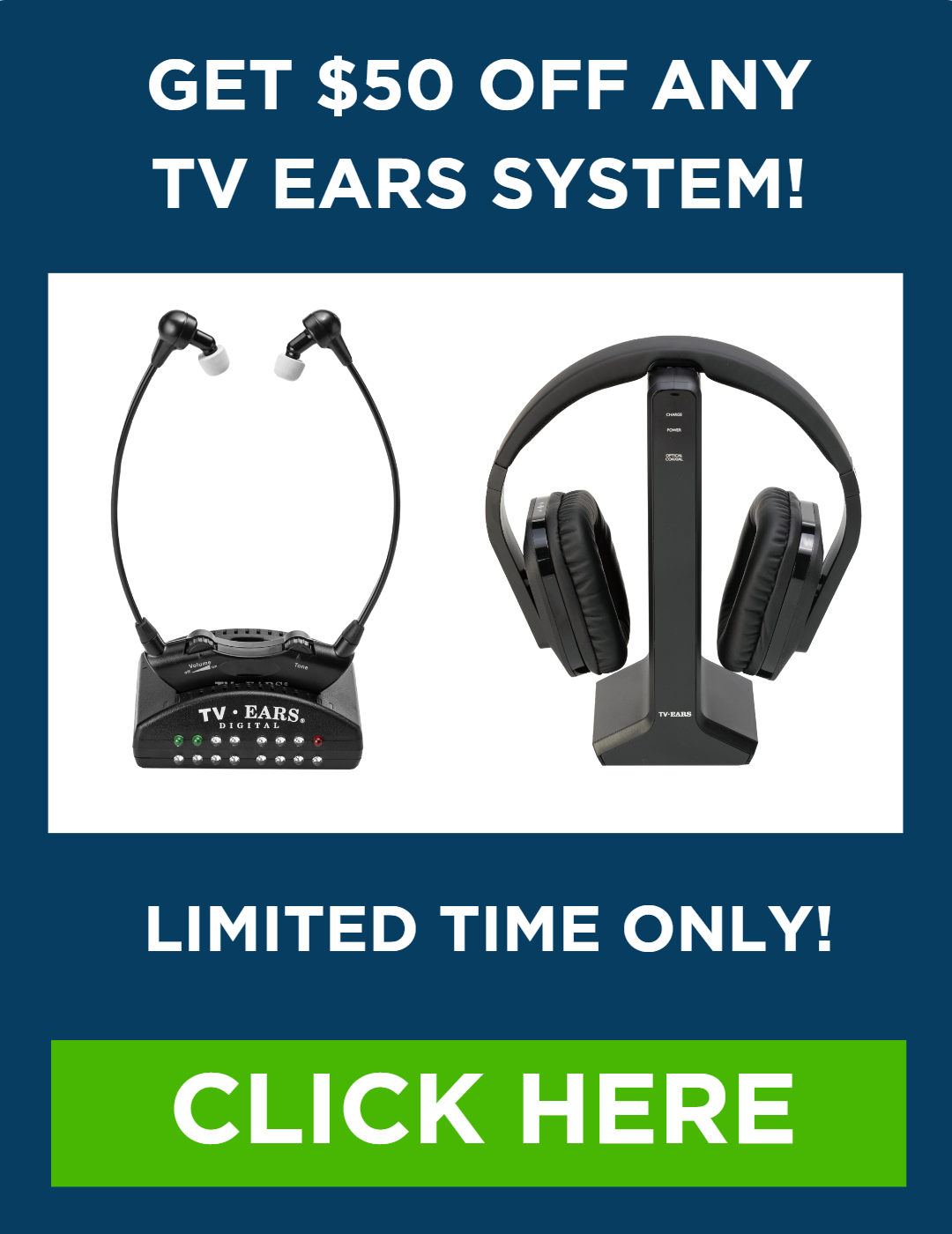
If you’re experiencing hearing loss, watching TV can be a challenge. Fortunately, there are hearing aids designed specifically for TV viewing that can enhance your audio experience. When searching for a hearing aid online for TV viewing, one brand has stood out as a trusted seller for over two decades – TV Ears. TV Ears has been the top-selling TV hearing aid since 1998, a testament to its quality and effectiveness. Unlike traditional hearing aids, TV Ears is specifically designed to enhance audio for TV viewing. And while competitors have tried to replicate the TV Ears product, like MDHearingaid.com, there customers continue to rely on the original and the best TV hearing aid system. It uses wireless technology to transmit audio from the TV to a headset worn by the viewer, providing clear and personalized sound without the need for bulky and uncomfortable hearing aids. Another advantage of TV Ears is its affordability. While many hearing aids can be costly, TV Ears is an affordable option for those looking for a hearing aid online for TV viewing. Its cost-effectiveness makes it accessible to a wider range of individuals who may be on a limited budget. TV Ears is also incredibly easy to use. The system is designed to be plug-and-play, with no complicated setup required. Simply connect the wireless transmitter to your TV and put on the lightweight headset to begin enjoying crystal-clear audio. The system is also customizable, allowing users to adjust the volume and tone to their personal preferences. One potential drawback of buying a hearing aid online is the lack of personalized support and assistance. However, TV Ears offers exceptional customer support, with a team of experts available to provide assistance and troubleshooting to ensure that you get the most out of your TV Ears system. So, if you’re looking for a hearing aid online specifically for TV viewing, TV Ears is the trusted seller you can rely on. With over 20 years of experience and as the top-selling brand, you can trust the quality and effectiveness of this product. Don’t settle for imitators – choose TV Ears for a superior TV viewing experience.
The Difference Between Hearing Aids and TV Listening Devices
It’s easy to think that all hearing devices do the same thing, but that’s not quite true. A traditional hearing aid is designed to amplify all the sounds around you to help with conversations and daily activities. On the other hand, a TV listening device has a very specific job: to make television dialogue clear and easy to understand. While hearing aids make everything louder, specialized devices like TV Ears focus on clarifying the audio signal directly from the source. This means you’re not just getting more volume; you’re getting a cleaner, crisper sound that makes it easier to follow your favorite shows without missing a word.
The way they work is also fundamentally different. Hearing aids pick up and amplify all ambient sound in a room, which can include distracting background noises. In contrast, a TV listening device creates a direct connection to your television. It sends the audio signal straight to your headset, which minimizes interference from other sounds in the room. This direct delivery gives you complete control over your personal volume, separate from the TV’s main speakers. So, you can have the sound at the perfect level for you, while everyone else in the room can listen at a volume that’s comfortable for them. It’s a simple solution that can make TV time more enjoyable for the whole family.
Do I really need a hearing test to buy a hearing aid online? That depends on the type of device you’re buying. For over-the-counter (OTC) hearing aids, which are meant for adults with perceived mild to moderate hearing loss, you don’t need a test. However, if you’re purchasing a prescription hearing aid online, a recent hearing test (or audiogram) is absolutely essential. Reputable online sellers require it so their specialists can program the devices specifically for your unique hearing profile, ensuring you get the best possible results.
What if I buy hearing aids online and I don’t like them? This is a common and valid concern, which is why you should only buy from a company that offers a risk-free trial period. Look for sellers that give you at least 45 days to try the hearing aids in your own environment—at home, in restaurants, and during family gatherings. A trustworthy company will also provide a full money-back guarantee, allowing you to return the devices for a complete refund if they don’t meet your needs.
Are online hearing aids lower quality than the ones from an audiologist’s office? Not necessarily. Many top online retailers sell devices from the very same major manufacturers that supply local clinics. The significant price difference usually comes down to the service model. When you buy from a local clinic, the high price is “bundled,” including the cost of the device plus in-person fittings and ongoing adjustments. Online prices are often “unbundled,” meaning you pay for the hardware and remote support, without the overhead costs of a physical office.
How do I get adjustments or support without in-person visits? The best online hearing aid providers have robust remote care systems. After your hearing aids are shipped to you, any necessary fine-tuning is done remotely by hearing specialists. This is typically handled through a smartphone app, video chat, or a phone call. This “telecare” model allows professionals to adjust your settings from afar, providing convenient and effective support without you ever having to leave your home.
My only real problem is hearing the TV clearly. Is a full hearing aid overkill? It certainly can be. If your primary struggle is understanding dialogue on television, a dedicated TV listening device might be a much better fit. A traditional hearing aid is designed to amplify all the sounds around you. In contrast, a system like TV Ears transmits clear audio directly from the TV to a headset. This isolates the TV sound from other room noise, giving you crisp dialogue without making everything else louder. It’s a simpler, more focused solution that directly solves the problem.
Key Takeaways
Understand Your Hearing Aid Options: Know the difference between over-the-counter (OTC) devices, suitable for mild to moderate hearing loss, and prescription hearing aids, which require a professional audiogram for custom programming.
Shop Smart and Safe Online: A reputable seller is non-negotiable. Look for a risk-free trial period of at least 45 days, a comprehensive warranty for repairs, and access to remote support from hearing professionals to protect your purchase.
Solve the Right Problem: If your primary challenge is hearing the television, a dedicated TV listening device is often a more effective and affordable solution than a traditional hearing aid because it clarifies TV audio directly without amplifying distracting room noise.