Have you ever noticed how modern TV shows and movies mix quiet whispers, loud explosions, and a constant musical score all at once? This complex audio can make following the plot a real challenge, especially if you have some degree of hearing loss. Simply turning up the volume often makes the background noise overwhelming while the dialogue remains muddled. The solution isn’t more volume; it’s more clarity. We’ll explore the crucial difference between standard headphones and devices engineered specifically for television. You’ll learn about voice clarifying technology and why it’s the most important feature to look for when choosing the best tv headphones for an enjoyable, strain-free viewing experience.
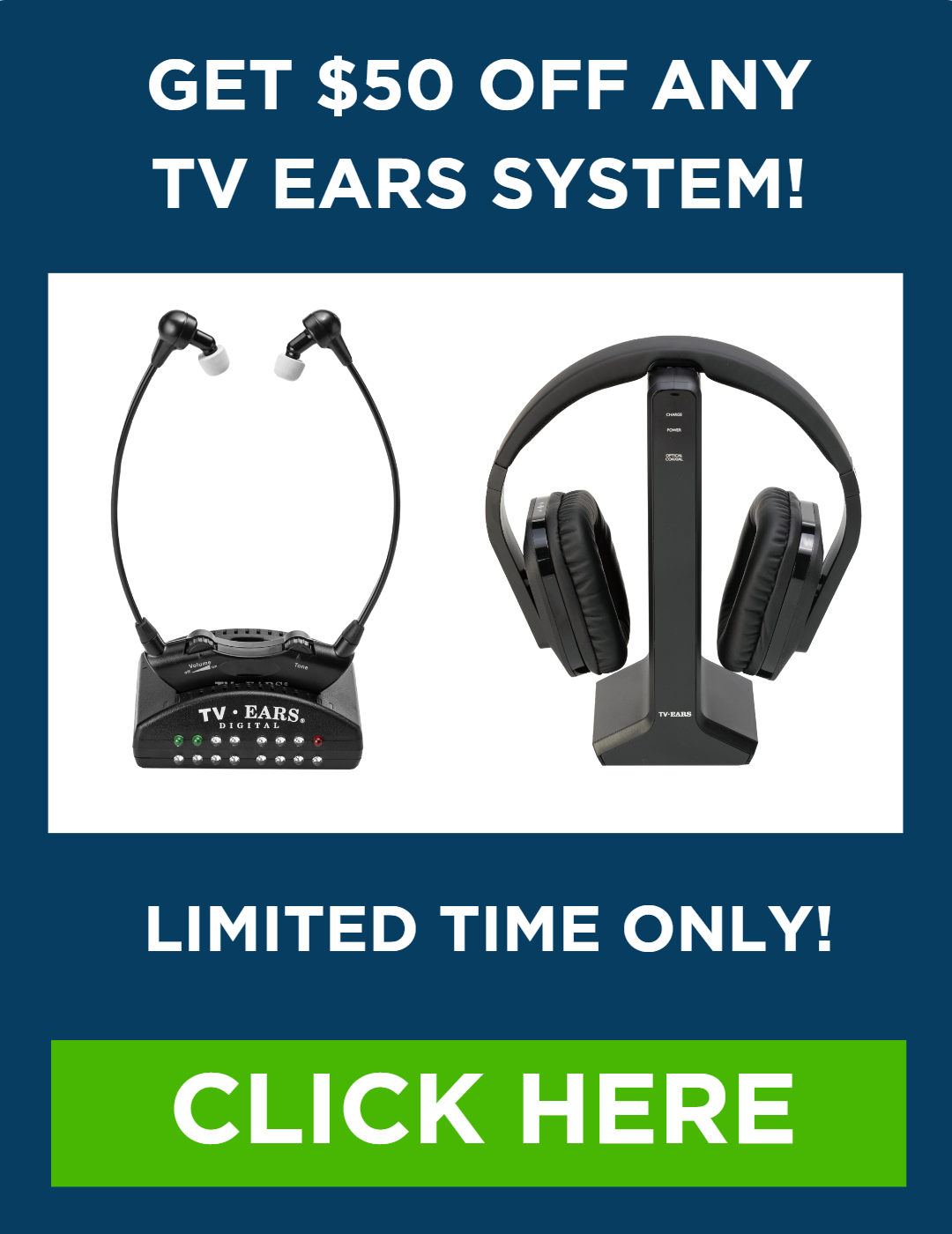
When it comes to watching TV, having the best TV headphones can make all the difference. And while hearing aids are great for everyday use, they may not be the best option for TV viewing. That’s where TV Ears comes in. With their advanced technology and easy-to-use design, TV Ears are the best TV headphones on the market. In this blog post, we’ll explain why. First and foremost, TV Ears are designed specifically for TV viewing. While hearing aids are great for amplifying sound in everyday situations, they may not be the best option for TV viewing. TV programs and movies are often mixed to have a wide range of sounds, including both loud and quiet parts, which can be challenging for hearing aids to adjust to. TV Ears, on the other hand, use Voice Clarifying technology, which separates the dialogue from the background noise and clarifies the speech, making it easier to understand. This technology is what sets TV Ears apart from other TV headphones on the market. With Voice Clarifying technology, you don’t have to worry about turning up the volume on your headphones to hear the dialogue. Instead, the technology does the work for you, making the dialogue clearer and easier to understand. TV Ears are also incredibly easy to use. They connect wirelessly to a base at your TV and are compatible with most TV models. This means you don’t have to fumble with extra cords or remotes to use them. Plus, TV Ears come in a variety of styles and sizes, so you can find the perfect fit for your ears. But what about other TV headphones on the market? While there are many options to choose from, none compare to TV Ears when it comes to the best TV headphones. Other headphones may be comfortable or have good sound quality, but they don’t have the same advanced technology as TV Ears. Without Voice Clarifying technology, those with hearing difficulties may still struggle to hear the dialogue on their favorite TV shows and movies. Additionally, other TV headphones may not be as easy to use as TV Ears. Some require extra cords or remotes to connect to your TV, while others may only be compatible with certain TV models. With TV Ears, you don’t have to worry about any of that.
Why TV Ears Are the Best Headphones for Clear TV Dialogue
If you’re settling in for a movie night or a weekend of binge-watching, comfort is non-negotiable. The last thing you want is a pair of headphones that pinches your ears or feels heavy after an hour. TV headphones come in a few main styles: over-ear, which cups your entire ear; on-ear, which rests on your ear; and in-ear, like earbuds. Over-ear models are often the most comfortable for long sessions, as they distribute pressure evenly. Pay attention to the materials, too—plush earpads and a padded headband can make a world of difference. The goal is to find a pair that you almost forget you’re wearing, so you can focus on the show, not on adjusting your headset.
Battery Life
Imagine your headphones dying right at the climax of a season finale. That’s a frustration no one needs. When choosing TV headphones, battery life is a critical feature to consider. Most wireless headphones offer somewhere between 15 to 30 hours of playtime on a single charge, which is more than enough for several evenings of viewing. Also, look at how they recharge. Many models use a standard USB-C cable, but some dedicated TV systems, like TV Ears systems, come with a convenient charging base. You just place the headset on the transmitter stand when you’re done, and it’ll be fully charged for your next session, ensuring you’re never caught with a dead battery.
Wireless Range
The beauty of wireless headphones is the freedom to move around. A strong wireless range means you can get up to grab a drink from the kitchen or let the dog out without the audio cutting out. Most Bluetooth headphones offer a reliable range of about 30 feet, which is usually sufficient for most living rooms. However, dedicated RF (Radio Frequency) headphones often provide a longer and more stable range, sometimes up to 100 feet or more, because their signal is less prone to interference from other devices. This ensures a consistent, uninterrupted audio stream, no matter where you are in the house.
TV Connections and Compatibility
Getting your new headphones to work with your TV shouldn’t require an engineering degree. Compatibility is key. While many modern TVs have Bluetooth built-in, many older models don’t. It’s important to check what audio outputs your TV has—common options include a digital optical port, RCA jacks, or a classic 3.5mm headphone jack. Many dedicated TV headphone systems come with a transmitter base that connects directly to your TV using these ports, making setup a breeze. For instance, TV Ears are designed to be compatible with most television models, connecting wirelessly to a base that plugs right into your TV, so you can avoid the headache of complicated setups.
Understanding Key Headphone Technology
When you start shopping for TV headphones, you’ll come across a lot of technical terms. Don’t let them intimidate you! Understanding a few key technologies can help you pinpoint exactly what you need for the best viewing experience. Features like the wireless connection type, noise cancellation, and special audio processing can dramatically change how you hear your favorite shows and movies. Some technologies are designed to create an immersive, theater-like feel, while others are focused on a much more specific and crucial goal: making sure you can actually understand what the characters are saying. Let’s break down the most important ones.
RF vs. Bluetooth: Minimizing Audio Lag
Have you ever watched a video where the person’s lips don’t match the words you’re hearing? That’s called audio lag, or latency, and it can be incredibly distracting. This is a common challenge with wireless audio. Bluetooth is the technology most of us are familiar with, but it can sometimes struggle to keep the audio perfectly synced with the video. Radio Frequency (RF) headphones, on the other hand, use a dedicated transmitter to send the audio signal, which results in a near-zero latency connection. This makes RF systems an excellent choice for TV watching, as they ensure the dialogue and action you hear are perfectly aligned with what you see on screen.
Active Noise Cancellation (ANC) for Distraction-Free Viewing
Sometimes, the biggest obstacle to enjoying a show isn’t the TV—it’s the noise around you. Whether it’s the hum of an air conditioner, the whir of a dishwasher, or family members chatting in the next room, household sounds can be distracting. Active Noise Cancellation (ANC) is a technology that uses tiny microphones to detect and neutralize ambient noise before it reaches your ears. It’s a fantastic feature for creating your own private viewing bubble, allowing you to immerse yourself in your show without having to crank up the volume to drown out your surroundings. Many popular Bluetooth headphones are known for their powerful ANC capabilities.
Immersive Features like Spatial Audio
If you’re a movie lover who wants that full cinematic experience at home, you might be interested in features like spatial audio. This technology creates a three-dimensional soundscape that makes it feel like the audio is coming from all around you, not just from your headphones. It can track your head movements, so if you turn your head, the sound of an on-screen explosion will still sound like it’s coming from the direction of the TV. While it’s an impressive feature for action movies and epic dramas, it’s often tied to specific devices and streaming services, like using Apple AirPods with an Apple TV.
Voice Clarifying Technology for Clear Dialogue
For many people, the biggest challenge with TV audio isn’t hearing the explosions—it’s understanding the whispers. Modern shows often have complex soundscapes with music, sound effects, and dialogue all competing for attention. This is where Voice Clarifying Technology comes in. Unlike simply making everything louder, this technology intelligently identifies speech frequencies and enhances them while reducing distracting background noise. It’s a game-changer for anyone who constantly asks, “What did they just say?” This specialized approach ensures that dialogue cuts through the mix, so you can follow the story without straining to hear.
How TV Ears Technology Works
At TV Ears, we’ve focused on perfecting this experience for over 25 years. Our headsets use proprietary Voice Clarifying Circuitry®, a technology designed specifically to tackle the problem of muddled TV dialogue. It works by separating the speech from the background noise, amplifying the dialogue, and toning down the ambient sounds. This is especially important because TV programs are often mixed with a wide dynamic range, meaning very loud and very quiet parts, which can be difficult for standard headphones or even hearing aids to handle. Our technology makes speech crisp and understandable, allowing you to hear every word clearly without blasting the overall volume.
Comparing Different Types of TV Headphones
The market is filled with headphones, but they generally fall into two main camps for TV viewing: general-purpose Bluetooth headphones that can do a bit of everything, and dedicated wireless TV headphones designed for one job and one job only. The right choice for you depends on your priorities. Do you want a single pair of headphones for music, phone calls, and watching movies? Or do you need a specialized tool that excels at providing clear, perfectly synced TV audio? Let’s look at the pros and cons of each category and some popular models to help you decide.
General-Purpose Bluetooth Headphones
These are the headphones you see everywhere—the ones people use on their commute, at the gym, and in the office. They connect via Bluetooth and often come packed with features like Active Noise Cancellation (ANC), customizable sound profiles, and built-in microphones for calls. Their biggest advantage is versatility. However, for TV viewing, they can have drawbacks. As mentioned, Bluetooth can introduce audio lag, and while they sound great for music, they don’t typically have specialized technology to clarify dialogue, which is a primary concern for many viewers.
For Overall Performance: Sonos Ace and Sennheiser Momentum 4
If you’re looking for a premium, do-it-all headphone, models like the Sonos Ace and Sennheiser Momentum 4 are top contenders. They offer exceptional sound quality for both music and movies, a comfortable fit for long listening sessions, and effective noise cancellation. They represent the best of what general-purpose headphones can offer, combining high-fidelity audio with a sleek design and robust features. They are an investment, but they deliver a high-quality experience across all your devices, not just your TV.
For Excellent Noise Cancellation: Sony WH-1000XM5 and Bose QuietComfort Ultra
When it comes to blocking out the world, Sony and Bose are the undisputed leaders. The Sony WH-1000XM5 and Bose QuietComfort Ultra headphones feature industry-leading Active Noise Cancellation that can silence everything from a rumbling airplane engine to household chatter. If your primary goal is to create a silent sanctuary for your TV time, these are the headphones to consider. Their ability to eliminate distractions is second to none, allowing for complete immersion in whatever you’re watching.
A Budget-Friendly Option: Sony WH-CH720N
You don’t have to spend a fortune to get a good pair of wireless headphones. The Sony WH-CH720N is a fantastic budget-friendly option that offers a surprising number of features for its price point. It includes effective noise cancellation, a lightweight design, and long battery life. While it may not have the premium feel or audio fidelity of its more expensive counterparts, it provides a solid, reliable performance that’s more than capable for casual TV watching and everyday use.
Dedicated RF Wireless Headphones
Unlike their Bluetooth cousins, dedicated RF wireless headphones are built with a single purpose in mind: watching television. They use a transmitter base that connects directly to your TV, creating a private, low-latency audio stream just for the headphones. This direct connection virtually eliminates any audio lag, ensuring perfect lip-sync. Furthermore, many of these systems are designed with hearing assistance in mind, often incorporating features like voice clarification and tone control to make dialogue easier to understand. They are the specialist’s tool for an optimized TV audio experience.
Top RF Models: Sennheiser RS 195 and Insignia NS-HAWHP2
Within the RF category, there are several strong options. The Sennheiser RS 195 is a premium model known for its excellent sound quality and customizable hearing profiles that allow you to tailor the audio to your specific needs. It’s a powerful tool for those who want fine-tuned control over their sound. On the more affordable end, the Insignia NS-HAWHP2 offers a straightforward, easy-to-use system that delivers clear, lag-free audio without a lot of complicated features, making it a great entry-level choice for dedicated TV listening.
Solutions for Specific Viewing Situations
Sometimes, your TV viewing needs go beyond just finding a single pair of headphones for yourself. You might want to watch with a partner who also needs listening assistance, or perhaps you want to get the most out of the smart features of your specific television brand. Luckily, there are specialized audio solutions designed to address these unique situations. From systems that support multiple users to headphones that integrate seamlessly with your TV’s ecosystem, these products offer tailored answers to common viewing challenges, ensuring everyone can enjoy the show.
Headphones for Multiple Users
What happens when two people in the same room need to use TV headphones? Most systems are designed for a single user, but some are built to share. These systems allow you to connect two or more headsets to a single transmitter base, so multiple people can listen at their own preferred volume levels simultaneously. This is a perfect solution for couples or family members who want to enjoy a movie together without disturbing others in the house, ending the battle over the TV remote once and for all.
The Avantree Quartet System
A great example of a multi-user solution is the Avantree Quartet. As its name suggests, this RF system is designed to support up to four headphones at once (though it typically comes with two). Each person gets their own headset and can control their volume independently. It’s a simple and effective way to create a shared yet personalized listening experience, making it ideal for families or for use in a household with multiple people who have difficulty hearing the television.
Headphones for Specific TV Brands
If you’re invested in a particular tech ecosystem, you can sometimes find headphones that offer special perks when paired with a TV of the same brand. This integration can lead to a more seamless user experience, with features like automatic pairing, on-screen notifications for battery life, and advanced audio formats that are optimized for that specific hardware. While you can use almost any headphones with any TV, sticking with the same brand can occasionally provide a smoother and more feature-rich setup.
Apple AirPods Pro 2 with Apple TV
For those in the Apple ecosystem, pairing AirPods Pro 2 with an Apple TV 4K is a fantastic experience. The connection is effortless, and you gain access to features like Spatial Audio with dynamic head tracking, which creates an incredibly immersive, surround-sound-like feel. You can also use Siri for voice commands through the AirPods’ microphone. It’s a prime example of how brand synergy can create a user-friendly and technologically advanced viewing experience.
Samsung Galaxy Buds 2 Pro with Samsung TVs
Samsung offers a similar level of integration for its users. When you pair Samsung Galaxy Buds 2 Pro with a compatible Samsung TV, you can take advantage of features like 360 Audio, which is Samsung’s version of spatial audio. The pairing process is also streamlined, making it easy to switch your earbuds’ connection from your phone to your TV. This tight integration provides a cohesive and convenient experience for those who own multiple Samsung devices.
Read These Next
Looking at a headset for TV listening? Consider these five outcomes
Enhance Your TV Viewing Experience with the Best Hearing Devices for TV
Headphones as hearing aids; Know this 1 vital factor
Need wireless headphones for TV transmitter? Check out TV Ears
A Headphone for TV Use? 5 things to know
Wireless headphones for tv’s: Many options, 1 top choice for those with hearing impairments
TV hearing devices: Lots of options, 1 clear winner
TV headphones for hearing impaired: 6 reasons TV Ears is a best choice
Frequently Asked Questions
Why can’t I just use my regular Bluetooth headphones for the TV? While your everyday Bluetooth headphones are great for music and phone calls, they often aren’t the best choice for television. The main issue is a slight delay, or lag, between the video and the audio, which can be distracting. More importantly, they amplify everything equally. A dedicated system like TV Ears is designed specifically to reduce that audio lag and, most crucially, to clarify dialogue so you can hear conversations clearly over background music and sound effects.
My hearing aids work well for conversations, so why is TV dialogue so hard to understand? This is a very common experience. TV and movie audio is much more complex than a simple conversation. Sound engineers mix dialogue, loud sound effects, and musical scores together, which can be a real challenge for hearing aids that are designed to amplify all sounds in your environment. A specialized TV listening device works differently by isolating speech frequencies and making them crisper, while toning down the competing background sounds.
How is Voice Clarifying Technology different from just turning the volume up? Turning up the volume makes everything louder—the explosions, the music, and the dialogue. This often makes the audio even more jumbled and overwhelming. Voice Clarifying Technology is much smarter. It intelligently identifies the frequencies of human speech, separates them from the background noise, and enhances them specifically. The result is that you can understand every word clearly without having to blast the overall volume.
Will these headphones be complicated to connect to my television? Not at all. We know that the last thing you want is a frustrating setup process. Dedicated TV headphone systems are designed for simplicity. They typically come with a small transmitter base that you plug directly into the audio output ports on your TV. The headphones then connect wirelessly to that base. It’s a straightforward process that works with the vast majority of television models, old and new.
What if my partner and I both need help hearing the TV? This is a perfect scenario for a dedicated TV listening system. Many systems, including some from TV Ears, are designed to support multiple headsets from a single transmitter. This allows both of you to watch the same show together, with each person controlling their own volume independently. It’s a simple way to end the volume wars and enjoy your favorite programs together.
Key Takeaways
- Focus on Voice Clarification, Not Just Volume: The key to understanding TV dialogue isn’t making everything louder; it’s making the speech clearer. Look for technology that specifically isolates and enhances voices while reducing distracting background noise.
- Choose Dedicated TV Headphones for a Lag-Free Experience: General-purpose Bluetooth headphones can sometimes cause a frustrating delay between the actors’ lips and the sound you hear. Systems using a dedicated RF transmitter provide a perfectly synced audio stream designed for television.
- Prioritize Comfort and Convenience for Long-Term Use: For movie marathons or binge-watching, practical features matter most. A comfortable, lightweight fit, long battery life, and a simple charging base ensure your headphones are always ready and enjoyable to wear.