You might have already tried using a standard pair of Bluetooth earbuds with your television, only to be met with a new kind of frustration: audio lag. This is when the sound is out of sync with the picture, so you see an actor’s lips move a split second before you hear their words. It’s incredibly distracting and can ruin the viewing experience. This is precisely why dedicated tv headphones for hard of hearing are a better choice. They use a special transmitter that creates a direct, stable connection to your TV, eliminating any delay and ensuring the audio and video are perfectly matched.
Key Takeaways
- Solve Muffled Dialogue with Voice Enhancement: If you find yourself constantly asking “What did they say?”, the problem is likely clarity, not just volume. Look for headphones with voice-enhancing features that lift dialogue out of the noisy background, making every word easy to understand.
- Get a Dedicated System for Zero Audio Lag: Don’t settle for out-of-sync audio where the words don’t match the picture. A dedicated TV listening system with its own transmitter provides a stable, perfectly timed connection that standard Bluetooth often can’t match.
- Find a Solution That Lets Everyone Listen Comfortably: The goal is to enjoy shows together. Choose a system that lets you control your own volume independently from the TV’s main speakers, so you can listen at your perfect level while your family listens at theirs.
Why You Need Headphones Made for TV
If you find yourself constantly asking “What did they say?” or reaching for the volume-up button during your favorite shows, you’re not alone. The frustration of missing key dialogue—while the rest of the room complains about the noise—is a common problem. It can feel like you have to choose between understanding the plot and keeping the peace. But what if you didn’t have to?
This is where headphones designed specifically for television come in. They aren’t just about making the sound louder; they’re about making it clearer. By delivering crisp, clean audio directly to your ears, they solve the core issues that make TV sound so difficult to decipher. This simple solution can transform your viewing experience, making television enjoyable for you and everyone else in the room again.
What Makes TV Audio Hard to Hear?
Have you ever noticed that even with the volume cranked up, the voices on TV still sound muffled or get lost in the background music? That’s because the problem often isn’t volume, but clarity. Modern movies and shows have complex sound designs, with dialogue, music, and sound effects all competing for your attention. For many people, especially those with some degree of hearing loss, separating speech from this audio mix is a real challenge. Specialized TV headphones are designed to help you hear your TV better by isolating and enhancing dialogue, so you can follow the conversation without straining.
How Everyone in the Room Benefits
Using TV headphones doesn’t mean you have to watch alone. In fact, they create a better experience for the whole household. Most systems allow the headphones to work while the TV’s speakers play sound simultaneously. This means you can set your own personal volume to a level that’s perfect for you, while your family or friends listen at a lower, more comfortable volume. It’s a simple fix that ends the arguments over the remote control. Everyone can finally relax and enjoy watching their favorite TV, radio and music together, without any frustration or compromise.
Regular Headphones vs. Specialized TV Headphones
You might wonder if you can just use a standard pair of Bluetooth headphones. While it’s possible, you’ll likely run into a frustrating issue: audio delay, or latency. This is when the sound doesn’t perfectly sync with the picture, so you see an actor’s lips move before you hear their words. The best TV headphones are built to avoid this. They use a dedicated transmitter that plugs into your TV, sending a clear and perfectly timed audio signal directly to your headset. This setup is not only more reliable but also incredibly easy to use—many even charge on the transmitter base, so they’re always ready when you are.
Key Features to Look For
When you start looking at TV headphones, the options can feel a bit overwhelming. But don’t worry—it’s easy to narrow down the choices once you know what really matters. The right features can turn a frustrating TV experience into a relaxing one for everyone in the room. Instead of focusing on complicated tech specs, let’s look at the practical features that make the biggest difference in your day-to-day viewing. From independent volume controls to a comfortable fit, these are the key things to keep an eye out for.
Personal Volume and Voice-Clarifying Controls
This is probably the most important feature on the list. The best TV headphones let you set your own volume, completely separate from the TV’s main speakers. This means you can have the sound as loud as you need it, while everyone else in the room enjoys it at a comfortable level. It’s the perfect fix for the “volume wars.”
Beyond just volume, look for systems with voice-clarifying technology. Some brands call it “Voice Enhancement” or “Clear Voice.” This feature specifically isolates and enhances dialogue, making words crisp and clear while toning down distracting background music and sound effects. It helps you hear your TV better by focusing on what matters most: the conversation.
All-Day Comfort and Lightweight Design
If you plan on settling in for a movie marathon or binge-watching your favorite show, comfort is non-negotiable. You need headphones that you can wear for hours without them feeling heavy, tight, or hot. Look for models that are lightweight and have a comfortable design, whether they sit over your ears or rest gently under your chin. The goal is to find a pair you can almost forget you’re wearing. A good fit ensures you can focus on your show, not on adjusting your headset. Many people find that a lightweight, ergonomic design is crucial for enjoying longer programs or movies without any discomfort.
Wireless Range and Simple Connectivity
No one wants to be tethered to the TV by a long, tangled cord. Wireless headphones give you the freedom to get up and grab a snack from the kitchen without missing a single word of dialogue. Look for a system with a good wireless range so you can move around freely.
More importantly, you want a simple setup. The best dedicated TV headphones come with a transmitter base that plugs directly into your TV. This creates a direct connection that’s easy to set up and, crucially, avoids any audio lag or lip-sync issues that can sometimes happen with standard Bluetooth. This hassle-free connectivity means you can start watching your favorite shows in minutes.
Long Battery Life and Support for Two Users
A long battery life means your headphones are always ready when you are. You don’t want to sit down to watch TV only to find your headset is dead. Many models offer 25 hours or more of listening time on a single charge, which is more than enough for several days of viewing.
Also, consider if you’ll have two people listening at the same time. Some systems are designed to support two separate headsets from a single transmitter. This is a fantastic feature for couples or family members who both want to enjoy a personalized listening experience together, with each person controlling their own volume. It’s a simple way to share a movie night without arguing over the sound.
Compare Your TV Listening Options
Finding the right device to help you hear the TV better can feel overwhelming, but it really comes down to a few key choices. Each option has its own strengths, whether it’s a system designed just for TV, one that works with your hearing aids, or even the headphones you already own. Understanding the differences will help you pick the solution that fits your life, your budget, and your hearing needs perfectly. Let’s walk through the most common types of TV listening systems so you can feel confident in your decision.
Dedicated TV Listening Systems
These are devices created with one goal in mind: making television audio crystal clear for you. Because they are built specifically for this purpose, they are typically very easy to set up and don’t have the frustrating sound delays you might find with other solutions. Many allow the TV’s speakers to play at the same time, so others in the room can listen at their own volume. The main thing to consider is that you’ll need to buy a special headset, but this is what delivers the enhanced sound. Brands like Sennheiser and Avantree offer popular models, each with its own features for improving speech clarity and overall sound quality.
Systems That Work With Hearing Aids
If you already use hearing aids, you might want a system that connects directly to them. This allows you to stream the TV audio right into your hearing aids, giving you a clear sound that’s already tailored to your specific hearing profile. A major benefit here is that you can often hear both the TV and your surroundings, so you won’t miss out on conversations with family while watching a show. Many modern hearing aids from brands like Starkey and Oticon offer some form of TV streaming accessory. It’s a great feature to discuss with your audiologist to see if it’s a good fit for you and your current devices.
Standard Bluetooth Headphones
You might already have a pair of Bluetooth headphones you love, and it’s often possible to use them for your TV. This can be a cost-effective route if you’re comfortable with a little tech setup. If your television isn’t a newer Smart TV with built-in Bluetooth, you’ll need a small device called a Bluetooth TV adapter. This transmitter plugs into your TV and sends the sound wirelessly to your headphones. While this is a convenient option, keep in mind that standard headphones aren’t designed to clarify dialogue, and some people experience a slight audio delay that can make the sound out of sync with the picture.
How to Choose the Right Solution for You
When you’re ready to choose, focus on what will make your viewing experience most enjoyable. First, personal volume control is a must—the whole point is to set the sound to your perfect level without affecting anyone else. Comfort is also key; look for a lightweight headset you can wear for a whole movie without a second thought. A simple, straightforward setup process will get you watching sooner, without any frustration. Finally, consider if you want to be able to chat with others in the room. Some systems are better than others at allowing you to stay connected to your surroundings while still hearing the TV clearly.
Our Top Picks for TV Headphones
Finding the right TV headphones can feel overwhelming with so many options out there. To make it easier, I’ve gathered a few of the best choices that cater to different needs and budgets. Whether you prioritize crystal-clear dialogue above all else, want a premium audio experience, or need a practical solution for two people, there’s a great fit for you. Let’s look at some of the top contenders that can help you finally hear your favorite shows without cranking up the volume.
TV Ears: For Crystal-Clear Dialogue
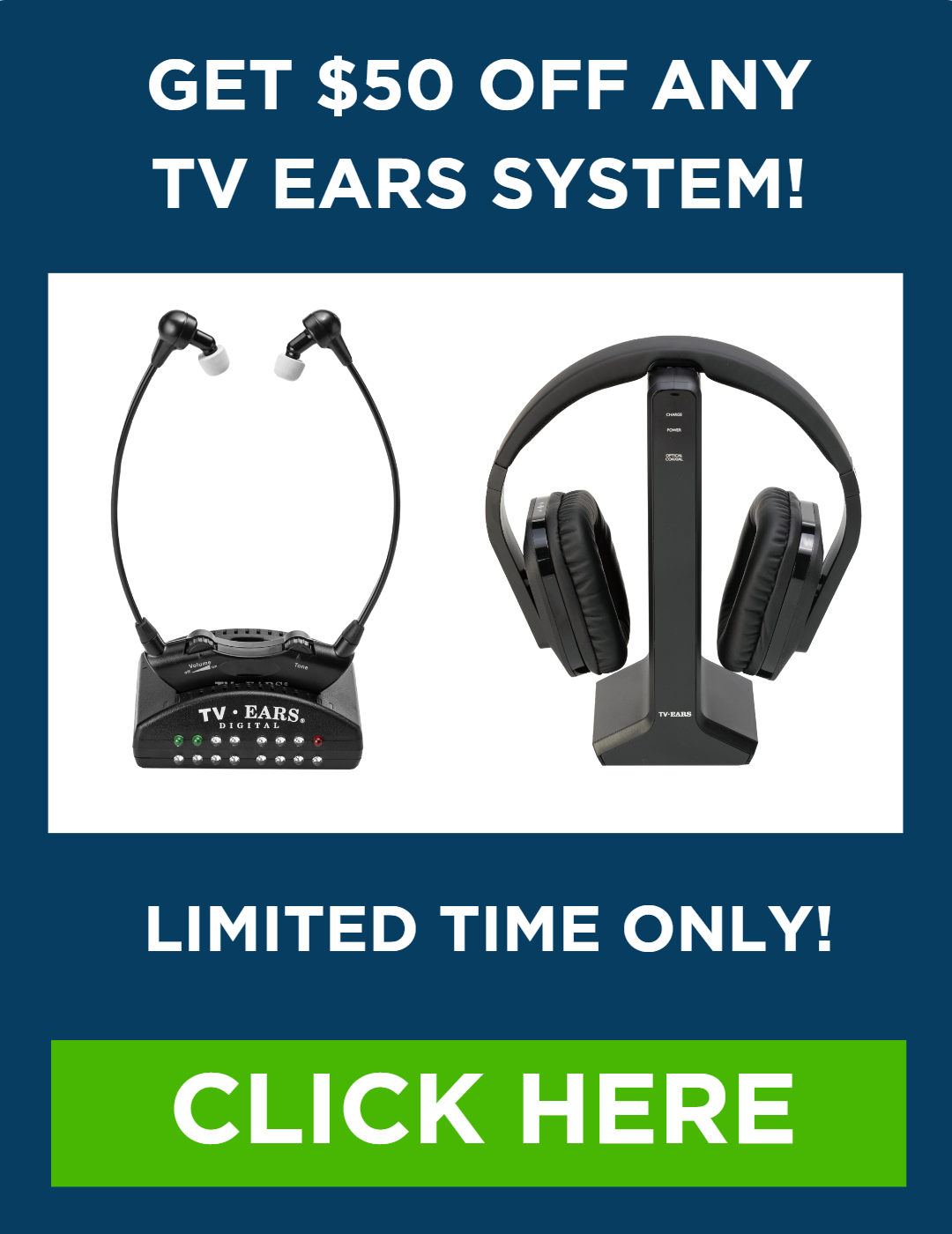
If your main struggle is catching conversations and whispers on screen, TV Ears is designed specifically for you. These systems focus on clarifying voices, making dialogue crisp and easy to understand. In fact, our Voice Clarifying Circuitry® is so effective that doctors often recommend TV Ears products to their patients, even for those who already wear hearing aids. They are built with one primary goal: to help you hear the television clearly and comfortably, so you never have to ask, “What did they just say?” again.
Sennheiser: The High-Fidelity Choice
For those who love rich, detailed sound, Sennheiser is a fantastic high-end option. Models like the RS 195 are known for their premium audio quality and comfortable over-ear design, making them great for long movie nights. They use a reliable radio frequency (RF) connection to ensure the sound is stable and clear. While they come at a higher price point, these high-fidelity headphones are a top choice for anyone who considers themselves an audiophile and wants to combine excellent sound with features that enhance speech clarity.
Avantree: Great Value Options
Avantree offers some wonderfully practical and affordable solutions. For a simple, lightweight option, their in-ear neckloop models are easy to set up and can even be used for streaming music from your phone. If you and your partner both struggle to hear the TV, the Avantree Duet is a game-changer. It comes with two separate headsets that connect to a single base, allowing each of you to set your own volume. It’s a thoughtful design that directly solves the “volume war” in many living rooms, making it a great value for couples.
Other Quality Alternatives to Consider
As you explore other brands, keep an eye out for a few key features. Most dedicated TV listening systems come with a transmitter base that plugs into your television and sends the audio wirelessly to your headphones. This base often doubles as a charging dock. One of the most important things to look for is a “low latency” or “no audio delay” feature. This ensures that the words you hear perfectly match the actors’ lips on screen, which is critical for an enjoyable viewing experience. Many quality alternatives are available that include these essential features.
Set Up and Troubleshoot Your System
Getting a new piece of technology can feel a little daunting, but the best TV headphones are designed to be incredibly user-friendly. You shouldn’t need a degree in engineering to get them working. The goal is to get you from unboxing to enjoying your favorite show with crystal-clear sound as quickly as possible. Most systems, especially dedicated ones like TV Ears, are made for a simple plug-and-play experience.
This section will walk you through the basics of setting up your system, fixing common hiccups, and keeping your headphones in great condition for years to come. Think of it as your friendly guide to getting the most out of your purchase. If you ever get stuck, remember that help is usually just a phone call away.
Get Started: A Simple Setup Guide
One of the biggest advantages of dedicated TV headphones is how easy they are to set up. Unlike some Bluetooth devices that can be tricky to pair, these systems are built for simplicity. Most involve connecting a small transmitter base to your television’s audio output port and then plugging the base into a power outlet. Once the transmitter is on, your headset should connect automatically. There’s no complicated pairing process or need to fiddle with settings. If you have a newer Smart TV, you may also have the option to connect Bluetooth headphones directly, but a dedicated transmitter often provides a more stable connection.
Fix Common Problems Quickly
The most common frustration with TV audio is a delay between the actors’ lips moving and the sound you hear. This is called audio lag or latency, and it can be very distracting. High-quality TV listening systems are specifically designed to have no audio delay, ensuring the sound stays perfectly in sync with the picture. If you’re still finding dialogue hard to understand, check your TV’s audio settings. Many televisions allow you to adjust the sound mix. You might be able to turn up the “center speaker” volume, which is where most dialogue comes from, making voices much clearer without increasing the overall volume.
Keep Your Headphones in Top Shape
To ensure your headphones last, a little care goes a long way. When you’re not using them, place them back on the charging base so they’re always ready for your next show. This also keeps them safe from being accidentally knocked over. It’s also a good idea to occasionally wipe down the earpads and headset with a soft, dry cloth to keep them clean. If you share your TV with a partner, consider a system that supports two headsets. Many brands allow you to buy extra headsets that work with your existing system without any extra pairing, making it easy for two people to listen at their own preferred volumes.
How to Care for Each Component
Your system has two main parts: the headset and the transmitter. For the headset, focus on battery health by charging it regularly. For the transmitter, make sure it has good airflow and isn’t covered by other items, which can block the signal. Check that the cables connecting the transmitter to the TV are secure and not frayed. And remember, the goal is to hear the TV clearly at a comfortable level. Always listen at a safe volume to protect your hearing for the long term. If you run into any issues you can’t solve, don’t hesitate to call the US-based support team for your device for personalized help.
How to Shop Smart
Define Your Personal Needs
First, think about what you truly need. Do you want to adjust your volume without affecting others? A system with personal volume control is a must. It’s also helpful to choose headphones that let you hear ambient sounds, so you can still chat with family during a show. Dedicated TV headphones are a great choice because they’re simple to set up and are designed to prevent audio lag. This means the sound you hear will always match the picture on the screen, which is crucial for understanding dialogue.
Check Compatibility With Your TV
Next, make sure the headphones you want will work with your television. Take a quick look at the back of your TV to find the audio ports. Most dedicated listening systems connect using an Optical, RCA (red and white), or AUX (headphone) port. While some smart TVs have Bluetooth, a dedicated wireless transmitter usually provides a more reliable connection with less interference. Checking your TV’s compatibility before you buy is a simple step that saves a lot of time and potential frustration. It ensures you can plug in and start watching right away.
Set Your Budget
Setting a budget helps narrow down your choices. Quality TV headphones designed for hearing clarity typically cost between $100 and $200. Think of it as an investment in your comfort and in a more peaceful living room for everyone. You don’t need the most expensive model to get fantastic results. There are many effective and reliable systems within this price range that will clarify dialogue and make watching TV enjoyable again. You can easily find a great solution that fits your financial plan without sacrificing performance.
Where to Find the Best Prices
Once you know what you’re looking for, it’s time to find the best deal. Online retailers can have competitive prices, but don’t forget to check the manufacturer’s website. They often have exclusive offers or bundles that provide great value. For instance, you can find TV Ears systems with two headsets, a perfect and affordable option for couples watching together. Buying directly from the source can also mean better customer support and warranty service, giving you peace of mind with your purchase.
Explore Advanced Features
Once you’ve covered the basics like comfort and battery life, you can look at some of the more advanced features that truly personalize your TV watching. These technologies are designed to solve specific hearing challenges, making it easier than ever to catch every word of your favorite shows. From connecting with your existing hearing aids to enjoying a movie with a partner, these features can make a world of difference.
Many of today’s best TV headphones go beyond simply making the audio louder. They use smart technology to make it clearer. Think of it like getting a front-row seat to the sound, perfectly tuned for your ears. Let’s walk through some of the most helpful advanced features you’ll find.
Connect With Your Hearing Aids
If you already use hearing aids, you might be wondering how a TV listening system fits in. The good news is that many systems are designed to work with them. Some hearing aids can stream audio directly from a TV transmitter, allowing you to hear the show clearly while still being aware of sounds in the room, like the phone ringing or a loved one speaking to you. This gives you the best of both worlds—crystal-clear TV dialogue and a connection to your surroundings. It’s a great way to integrate a TV listening device into your existing hearing solution without any fuss.
Solutions for More Than One Listener
One of the most common reasons people seek out TV headphones is to solve the volume dispute in the living room. If you watch TV with a spouse or family member, look for a system that supports multiple listeners. Some devices, like TV Ears systems, allow two people to listen at the same time, each with their own personal volume control. This means you can have the dialogue as clear and loud as you need it, while your partner listens at a volume that’s comfortable for them. Many systems even let you add extra headsets easily, so everyone in the family can enjoy the show together.
How Audio Enhancement Technology Works
Have you ever noticed that you can hear the explosions and music in a movie just fine, but the whispers and conversations get lost? This is where audio enhancement technology comes in. Many TV listening systems and even some modern soundbars have special settings designed to make voices stand out. Look for features with names like “Voice Clarifying,” “Speech Enhancement,” or “Clear Voice.” This technology works by identifying vocal frequencies and giving them a little lift, separating them from distracting background noise. It’s a game-changer for understanding dialogue without having to crank up the overall volume.
Other Helpful Accessibility Features
Beyond dedicated listening devices, your TV itself has features that can help. One of the simplest and most effective tools is closed captions, or subtitles. Turning these on provides a text version of the dialogue on-screen, which can help you catch any words you might have missed. Additionally, many modern TVs allow you to listen through headphones and the TV’s speakers at the same time. This lets you use your headphones at your ideal volume while others in the room can listen through the main speakers, offering another flexible solution for shared viewing.
Make Your Final Decision
You’ve done the research and have a few top contenders in mind. Now it’s time to make a choice you’ll be happy with for years to come. Thinking through a few final details like warranty, support, and where you buy can give you the confidence you need to pick the perfect TV headphones. This last step ensures there are no surprises, just clear, enjoyable sound waiting for you.
Compare Your Favorite Options
Lay your top choices side-by-side and think about your daily routine. Which pair is the easiest to set up and use? The best systems are designed specifically for TV, which means you won’t have to deal with frustrating audio delays that throw dialogue out of sync with the picture. Also, consider how you watch with others. A key feature to look for is the ability for two people to listen at different volumes simultaneously. This simple function can restore peace to the living room, allowing everyone to enjoy their favorite shows together at a volume that’s comfortable for them.
Understand the Warranty and Support
A good product is backed by good people. Before you buy, look into the warranty and the kind of customer support the company offers. If you run into an issue, will you be able to talk to a real person? For example, TV Ears is known for its friendly, US-based support team that can help you choose the right system or troubleshoot any problems. Having access to reliable customer support provides peace of mind, ensuring that you’re not just buying a device, but also a dependable service you can count on if you ever need a hand.
Check the Return Policy
Even with careful research, you might find that a product isn’t the right fit once you get it home. That’s why checking the return policy is a crucial final step. A clear and fair return policy allows you to purchase with confidence, knowing you have options if the headphones don’t meet your expectations. Whether you’re buying from a major retailer or directly from the manufacturer, take a moment to read the fine print. This small step protects your investment and makes the entire shopping experience much less stressful, so you can focus on finding the perfect solution.
Where to Buy With Confidence
Where you purchase your headphones can make a difference. If you prefer to try before you buy, some hearing centers, like certain Beltone locations, carry TV Ears products for you to test in person. Buying directly from a company’s official website is another great option. It guarantees you’re getting an authentic product and often comes with extra perks. For instance, when you purchase from the TV Ears site, a portion of your sale goes toward supporting RNID, a charity dedicated to helping people with hearing loss. It’s a wonderful way to get the product you need while also contributing to a great cause.
Related Articles
- Sound Setting For TVs: How To Make The Dialog Clearer
- Hear TV Dialogue Clearly: Enhancing TV Watching
- Bluetooth Headsets for TV: Is It the Best Solution?
- Hear TV Dialogue Clearly: Enhance Your TV watching
- Why Is The Background Music Louder Than The TV Show Dialogue?
Frequently Asked Questions
Can other people in the room still hear the TV while I’m using the headphones? Yes, absolutely. Most dedicated TV listening systems are designed so the TV’s main speakers can stay on. This allows you to listen at your ideal volume through the headset, while your family or friends can listen at a lower volume that’s comfortable for them. It’s a simple way for everyone to enjoy the same show together without any arguments over the remote.
Why are dedicated TV headphones better than the regular Bluetooth ones I already own? The biggest issue with standard Bluetooth headphones is audio delay, also known as latency. You might see an actor’s lips move a split second before you hear their words, which can be very distracting. Specialized TV headphones use a dedicated transmitter to create a direct, stable connection to your TV, eliminating that frustrating lag and ensuring the sound is always perfectly synced with the picture.
I wear hearing aids. Can I use these headphones with them? Many people who wear hearing aids find TV headphones to be a great addition. You can often wear the headset right over your hearing aids to get an extra layer of clarity. Some systems are even designed to stream audio directly to compatible hearing aids. This setup allows you to hear the TV clearly while still being able to hear conversations happening around you.
What’s the difference between making the sound louder and making it clearer? Simply turning up the volume makes everything louder—the background music, the sound effects, and the dialogue. This can make speech even harder to understand. Voice-clarifying technology, on the other hand, is much smarter. It specifically identifies the frequencies of human speech and enhances them, while toning down the distracting background noise. This makes conversations crisp and clear without you having to blast the overall volume.
I’m not very tech-savvy. Are these difficult to set up? Not at all. In fact, they are designed to be incredibly simple. Most systems involve plugging a small transmitter base into your TV’s audio port and a power outlet. Once that’s done, the headset usually connects automatically without any complicated pairing steps. The goal is to get you from the box to watching your favorite show in just a few minutes.