Forget what you think you know about hearing amplifiers. They aren’t just cheap gadgets that make everything painfully loud—that’s one of the biggest myths out there. A quality hearing amplifier with noise reduction is a completely different beast. Think of it less like a hearing aid and more like a specialized tool for clarity. Its main job is to solve specific problems, like pulling clear dialogue out of a noisy TV show. It isolates speech from background sounds, giving you the crispness you need to follow along. Let’s clear up the confusion and find the best hearing enhancer for you.
Key Takeaways
- Prioritize clarity, not just volume: The best hearing amplifiers use technology like noise reduction and voice clarification to make dialogue crisp and clear, rather than just making everything louder. This is the key to understanding TV shows and conversations without straining.
- Match the device to your specific hearing challenge: Amplifiers are great for situational help, like hearing the TV better, while hearing aids are medical devices for diagnosed hearing loss. Identifying your main frustration will point you toward the right solution.
- Comfort and practical features are essential: A device is only useful if you’re willing to wear it. Look for a comfortable fit, long battery life, and simple controls, and make sure the company offers a good warranty and trial period so you can buy with confidence.
What Is a Hearing Amplifier with Noise Reduction?
If you find yourself constantly asking “What did they say?” while watching your favorite shows, you’re not alone. It can be incredibly frustrating to miss key pieces of dialogue, especially when the background music or sound effects seem to drown everything out. This is where hearing amplifiers with noise reduction come in. Think of them as a personal sound booster specifically for your ears.
Unlike devices that just crank up the volume on everything, these smart amplifiers are designed to selectively enhance the sounds you want to hear—like conversations and TV dialogue—while minimizing the distracting noises you don’t. They offer a straightforward way to get more clarity and enjoyment from your listening experiences, whether you’re catching up on the news or settling in for a movie night, without starting a volume war with everyone else in the room.
How Do They Filter Out Background Noise?
At its core, a hearing amplifier, often called a Personal Sound Amplification Product (PSAP), is a wearable electronic device that does exactly what its name suggests: it amplifies sound. It uses a microphone to pick up sounds from your environment, an amplifier to increase their volume, and a tiny speaker to deliver them to your ear. The simplest versions make everything louder, from the ticking of a clock to the dialogue on screen.
However, for someone struggling to hear the TV, just making everything louder isn’t always the answer. That’s why the addition of noise reduction is so important. It helps the device distinguish between primary sounds, like speech, and ambient background noise. This allows you to get a clearer audio experience without being overwhelmed by every little sound in the room.
The Tech That Makes Sound Clearer
So, how does an amplifier separate the dialogue from the distracting noise? The magic is in the technology. Basic amplifiers don’t differentiate between sounds, but more advanced systems use sophisticated circuitry to filter what you hear. This special noise-canceling technology is designed to help you hear more dialogue over ambient sounds like the hum of an air conditioner or street traffic.
For example, all TV Ears products feature our proprietary Voice Clarifying Circuitry®. This technology is engineered to automatically identify and amplify the hard-to-hear, high-frequency sounds of human speech. At the same time, it lowers the volume of background noise. The result is that spoken words become crisp and understandable, allowing you to follow the conversation on screen with ease. It’s a smarter way to listen, focusing on clarity, not just volume.
Understanding Digital Signal Processing (DSP)
You can think of Digital Signal Processing, or DSP, as the brains behind a modern hearing amplifier. Instead of just making everything louder, a device with DSP intelligently analyzes the sounds in your environment. This allows it to be much more selective, focusing on the sounds you actually want to hear. It’s this smart filtering that separates a truly helpful device from one that just creates more noise, ultimately giving you a cleaner and more focused listening experience.
This advanced processing capability is what allows the amplifier to tell the difference between the sounds you want to hear and the ones you don’t. For example, DSP can identify the consistent, low-frequency hum of an air conditioner and treat it as background noise. Simultaneously, it identifies the fluctuating pitches of human speech as the primary sound. By separating these two, the device can effectively turn down the distracting background noise while making the dialogue from your television stand out.
The result is a listening experience that prioritizes clarity over just volume. Instead of straining to decipher words from a jumble of sounds, you get dialogue that is crisp and clear, making it much easier to follow the plot. This is precisely how TV Ears’ proprietary technology works; it uses these principles to automatically lift speech above the background noise. This lets you fully engage with your favorite shows without constantly adjusting the volume or missing key moments, making television enjoyable for everyone in the room again.
Common Hearing Amplifier Myths, Busted
One of the biggest misconceptions is that a hearing amplifier is just a cheaper, over-the-counter version of a hearing aid. While they might look similar, they are built for different purposes. The FDA distinguishes between the two: hearing aids are medical devices intended to treat hearing loss, while amplifiers are for people with normal hearing who need a little help in specific listening environments.
Because of this, choosing a simple amplifier that just makes everything louder might not solve your problem and could even be a waste of money. Without the right technology, it won’t fix the issue of clarity. That’s why focusing on amplifiers with advanced features like noise reduction and voice clarification is key. They provide a targeted solution for a specific problem—hearing the TV clearly—without the cost and complexity of a medical device you may not need.
Key Features for Clearer Sound
When you start looking at different hearing amplifiers, you’ll notice a lot of technical terms. It can feel a bit overwhelming, but understanding a few key features will help you choose a device that truly makes a difference. These technologies are designed with one goal in mind: to separate the sounds you want to hear from the ones you don’t. Think of them as your personal sound editors, working to bring you crisp, clear audio from your television so you don’t miss a single word of dialogue or an important plot point. Let’s walk through the most important features to look for.
Why Advanced Noise Reduction Matters
Have you ever tried to follow a conversation in a noisy restaurant? It’s exhausting. The same thing can happen when you’re watching TV. Background sounds from an air conditioner, a fan, or even traffic outside can mix with the TV audio, making it muddy and hard to understand. Advanced noise reduction technology acts like a filter, specifically targeting and lowering these distracting ambient sounds. This allows the dialogue and main audio from your show to come through much more clearly. It’s a crucial feature that helps you focus on the story without having to constantly strain to hear over the background hum of your home.
Hear Every Word with Voice Clarification
This feature is a game-changer, especially for watching television. Voice clarification technology is designed to identify the specific frequencies of human speech and give them a little lift. Many people with hearing loss find it particularly difficult to hear higher-pitched sounds, which is where the clarity in speech often lies. A system with Voice Clarifying Circuitry® automatically amplifies these hard-to-hear speech frequencies while simultaneously turning down background noise. The result is that voices sound sharper and more defined, making it much easier to follow conversations, even when characters are whispering or speaking quickly. You’ll find yourself catching every joke and plot twist with ease.
Focus on the Conversation with Directional Mics
Imagine being able to tell your amplifier exactly where to listen. That’s essentially what directional microphones do. Instead of picking up sound from all around you, these microphones focus on the sound coming from a specific direction—in this case, your television. By zeroing in on the TV, the amplifier can ignore sounds coming from the sides or behind you, like someone talking in the kitchen or a dog barking next door. This creates a more direct and immersive listening experience, helping you feel like you’re right there in the action without being distracted by other noises in the room.
Say Goodbye to Annoying Whistling
If you’ve ever been around a microphone and speaker, you might have heard a sudden, high-pitched squeal. That’s called feedback, and it can be a startling and unpleasant experience. It happens when the sound coming out of a device’s speaker is picked up by its own microphone, creating a disruptive loop. Good hearing amplifiers have built-in feedback cancellation to prevent this from happening. This technology intelligently stops the whistling before it starts, ensuring your listening experience is smooth, comfortable, and free from any jarring interruptions. It’s a small feature that makes a big difference in overall quality and comfort.
Pre-Set Programs for Different Environments
Your listening needs change throughout the day. The sound profile you need for a quiet evening watching TV is completely different from what you’d want in a bustling coffee shop. That’s why many advanced hearing amplifiers come with pre-set programs that let you adjust the device for your specific environment. With the touch of a button, you can switch between modes designed for different situations. For example, a setting for television might use adaptive technology to optimize sound clarity by emphasizing dialogue, while a program for restaurants would focus on filtering out background chatter. This level of customization ensures you get the best possible sound quality no matter where you are, making your amplifier a much more versatile and effective tool.
Battery Life: What to Expect
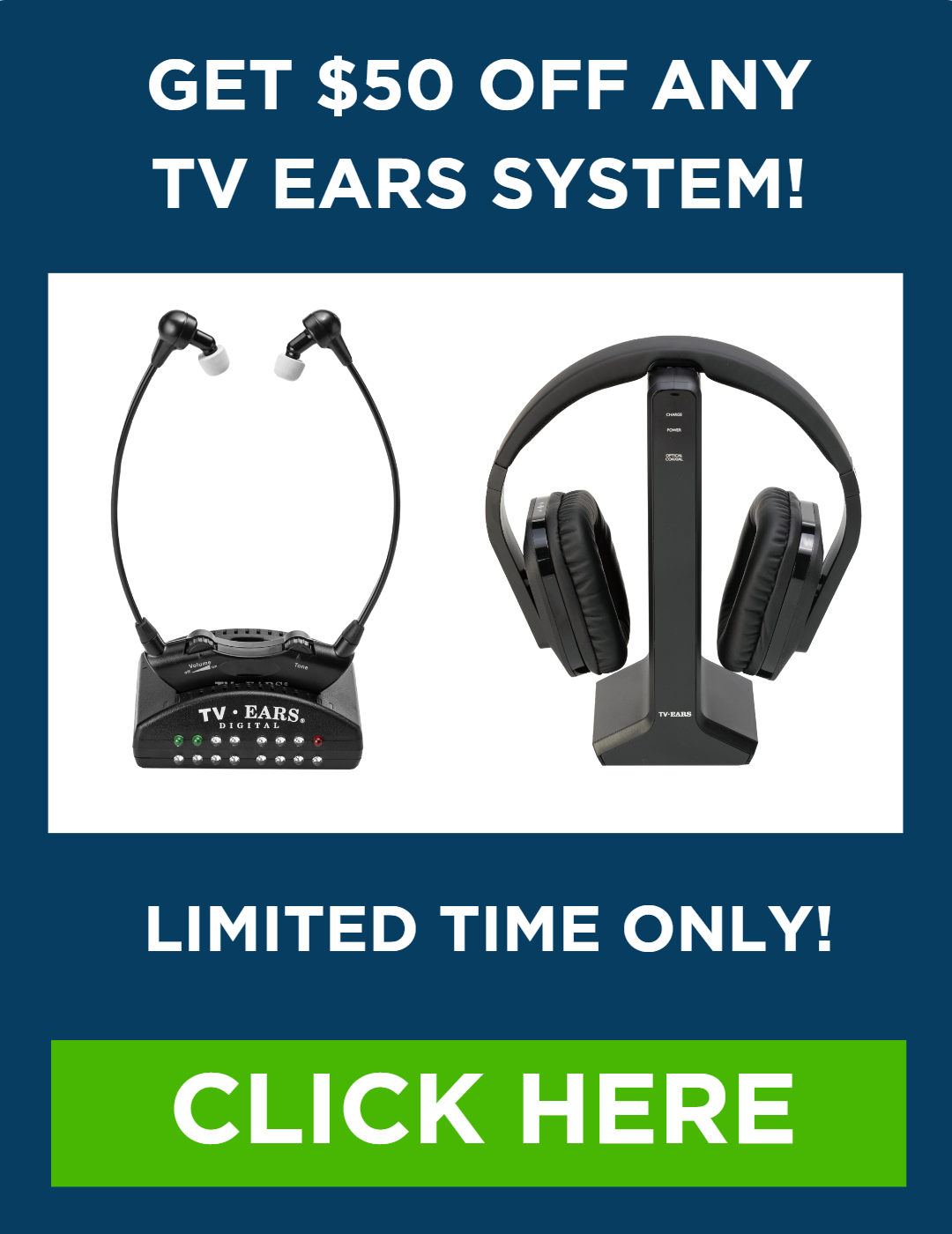
A great hearing amplifier isn’t very helpful if the battery dies halfway through your favorite movie. When you’re shopping, pay attention to the battery life. You’ll want a device that can last for several hours on a single charge. Just as important is how you charge it. Look for simple, convenient charging options. Many systems, like the TV Ears Digital, come with a transmitter that doubles as a charging cradle. You just place the headset on the base when you’re done, and it will be fully charged and ready for your next viewing session. This kind of user-friendly design makes incorporating the device into your daily routine effortless.
Which Are the Best Hearing Amplifiers?
Once you have a list of must-have features, you can start exploring different brands and models. The market for hearing amplifiers is quite broad, with options available at various price points and with different levels of technology. It’s helpful to look at a few popular choices to get a sense of what’s out there and what might be the best fit for your specific needs, whether that’s watching TV, chatting with family, or enjoying a meal at a restaurant.
Comparing different systems side-by-side can clarify which features truly matter to you. Some devices excel at one specific task, like making television dialogue crisp and clear, while others are designed for more general, all-day use. Let’s walk through some of the top options and what makes them stand out.
A Closer Look: TV Ears Premium Systems
If your main goal is to hear the television clearly without disturbing others, TV Ears systems are designed specifically for you. What sets these products apart is their proprietary Voice Clarifying Circuitry® (VCC). This technology is engineered to automatically amplify the high-frequency sounds common in human speech while toning down distracting background noise from the TV show’s soundtrack or other ambient sounds in the room. This innovative approach actively enhances speech and dialogue clarity, ensuring you can follow the conversation and catch every single word. It’s a focused solution for one of the most common frustrations people with hearing loss face at home.
How Do Other Top Brands Compare?
Beyond TV-specific devices, the broader market offers a variety of hearing amplifiers with impressive features. Many leading brands focus on creating a well-rounded listening experience for different environments. You’ll find models that include advanced noise reduction to help you hear better in noisy restaurants or family gatherings. Some also feature directional microphones that focus on sound coming from in front of you, which is great for one-on-one conversations. Other common technologies include feedback cancellation to prevent whistling sounds and connectivity options that let you link your amplifier to other devices. These features make them versatile tools for improving your hearing in various daily situations.
What Should You Expect to Pay?
The cost of hearing amplifiers can vary significantly, so it’s wise to have a budget in mind. You can find basic models for as little as $30, while more advanced devices with multiple features can cost up to $600 or more. Generally, the price reflects the sophistication of the technology inside. Less expensive models might offer simple amplification, while higher-priced ones will likely include features like advanced noise reduction, Bluetooth connectivity, and customizable sound profiles. It’s important to compare your options and decide which features are worth the investment for your lifestyle.
Breaking Down the Price Ranges
Let’s break down what you can expect at different price points. In the entry-level tier, typically under $100, you’ll find devices that offer basic sound amplification. While they make sounds louder, they often lack the technology to separate speech from background noise, which can be a drawback if clarity is your main goal. Moving into the mid-range, from about $100 to $300, you’ll find a significant jump in quality. These amplifiers often include essential features like noise reduction and directional microphones, providing a much clearer listening experience. This is where you’ll find specialized devices, like TV Ears, that focus on solving a specific problem exceptionally well. At the premium end, over $300, you’ll see advanced options with features like Bluetooth connectivity and customizable sound profiles, making them versatile for various situations. The key is to match your investment to your primary need—if clear TV dialogue is the priority, a specialized mid-range device often provides the best value.
How to Find a Great Deal on Your Amplifier
You can purchase hearing amplifiers from several places, both online and in-store. Direct-to-consumer websites, like the official TV Ears store, often provide detailed product information and dedicated customer support. Large retailers such as Walmart and Best Buy also carry a wide selection of devices, giving you a chance to compare different brands in one place. These stores are also a great source for any accessories you might need, like extra batteries, cleaning kits, or replacement parts. Shopping around and checking for seasonal sales or promotions can help you find a quality device that fits your budget.
Hearing Amplifier vs. Hearing Aid: What’s the Difference?
When you’re looking for a little help with your hearing, you’ll quickly come across two main options: hearing amplifiers and hearing aids. They might seem similar, but they work in very different ways and are designed for different needs. Understanding the distinction is the first step to finding the right solution for you. A hearing aid is a medical device meant to treat diagnosed hearing loss, while an amplifier is a consumer electronic product designed to make sounds louder for people with normal hearing. Let’s break down what sets them apart.
How Does the Technology Differ?
Think of a hearing aid as a pair of prescription glasses for your ears. It’s a medical device that a licensed professional customizes to your specific type of hearing loss. Hearing aids are sophisticated pieces of technology that can distinguish between different sound frequencies, amplifying the ones you have trouble with while filtering out background noise. On the other hand, a hearing amplifier, or Personal Sound Amplification Product (PSAP), simply makes all sounds in your environment louder. It can’t separate a conversation from the clatter of dishes or the hum of an air conditioner, which can sometimes make it even harder to understand what you want to hear.
Noise Reduction in Medical-Grade Hearing Aids
Medical-grade hearing aids are equipped with highly sophisticated technology designed to do much more than just turn up the volume. One of their most important features is advanced noise reduction, which works like a smart filter for your ears. Instead of amplifying every sound equally, this technology can identify and suppress unwanted background noise—like the clatter of dishes in a restaurant or the hum of traffic. This allows the sounds you want to focus on, such as a conversation with a friend, to come through more clearly. This is a key reason why hearing aids are considered medical devices; they are prescribed and programmed to address an individual’s specific hearing needs across various environments, making daily interactions much easier.
Comparing the Costs: Amplifiers vs. Hearing Aids
It’s true that hearing aids represent a significant investment, while hearing amplifiers are much more affordable. The lower price tag on an amplifier can be tempting, but it’s important to consider the value you’re getting. If an amplifier makes everything louder without making speech any clearer, it may not solve your problem and could lead to frustration. A hearing aid is priced higher because it contains advanced medical-grade technology that is programmed specifically for you. Investing in the right device for your needs is more effective than spending money on a temporary fix that doesn’t truly help.
Understanding the FDA’s Stance
The U.S. Food and Drug Administration (FDA) plays a key role in how these devices are categorized. The FDA classifies hearing aids as medical devices, which means they must meet strict standards for safety and effectiveness in treating hearing loss. Hearing amplifiers, however, are regulated as consumer electronics, much like a pair of headphones. They are not intended to correct hearing loss. This distinction is crucial because it ensures that hearing aids are held to a higher standard for performance and are dispensed by professionals who can properly fit and adjust them.
PSAPs vs. OTC Hearing Aids: The Official Terms
To add another layer to the conversation, it helps to know the official terms the FDA uses. What we’ve been calling a hearing amplifier is officially known as a Personal Sound Amplification Product, or PSAP. The FDA is very clear that PSAPs are consumer electronics intended for people without hearing loss to amplify sounds in certain environments, like bird watching or listening to a distant speaker. They are not meant to treat hearing loss. This is exactly where a specialized device like TV Ears fits in—it’s designed to solve a very specific situational problem: hearing the television clearly. It’s a tool for a task, not a medical treatment.
On the other hand, you have Over-the-Counter (OTC) hearing aids. This is a newer category of medical devices designed for adults with perceived mild to moderate hearing loss. Unlike traditional hearing aids, you don’t need a prescription or a visit to an audiologist to buy them. However, they are still regulated by the FDA as medical devices, unlike PSAPs. The key takeaway is the intended user. If you generally hear well but struggle in specific situations, a PSAP is the right tool. If you have a consistent, mild hearing difficulty across most situations, an OTC hearing aid might be the more appropriate solution to address that hearing loss.
Amplifier or Hearing Aid: Which Is Right for You?
So, how do you decide? The best first step is always to get your hearing checked by a specialist or audiologist. If you find yourself constantly asking people to repeat themselves, or if the TV volume is always creeping up, a professional hearing test can give you a clear picture of what’s going on. A specialist can determine if you have hearing loss and recommend the right medical-grade device for you. If you don’t have diagnosed hearing loss but just want a little help hearing the TV clearly without disturbing others, a high-quality sound amplifier designed for that purpose might be exactly what you need.
When to See a Professional (And Why It Matters)
While a hearing amplifier can be a fantastic tool for specific situations like watching TV, it’s not a substitute for professional medical advice. If you’re noticing consistent hearing challenges in various parts of your life—like struggling to follow conversations in quiet rooms or frequently asking family to speak up—it’s always a good idea to consult an expert. Think of it this way: an amplifier is a great solution for a specific problem, but a professional can diagnose the root cause of your hearing difficulties. Getting a clear diagnosis is the most reliable way to understand what’s happening and find a solution that truly works for you, whether that’s a hearing aid, an amplifier for certain activities, or another approach entirely.
Why a Hearing Test Is Your First Step
The best first step is always to get your hearing checked by a specialist or audiologist. If you find yourself constantly asking people to repeat themselves, or if the TV volume is always creeping up, a professional hearing test can give you a clear picture of what’s going on. It removes the guesswork and provides a solid foundation for making an informed decision about your hearing health. This ensures you choose the right tool for your specific needs, rather than trying to find a fix through trial and error.
The “Binoculars for Your Ears” Analogy
A great way to understand the difference is to think of a hearing aid as a pair of prescription glasses for your ears. It’s a medical device that a licensed professional customizes to your specific type of hearing loss, targeting the exact frequencies you struggle with. Just as you’d see an optometrist for glasses, seeing an audiologist for a hearing aid ensures the device is tailored perfectly to you. This is very different from an amplifier, which is designed for situational use rather than correcting a diagnosed medical condition.
How to Choose the Right Amplifier for You
Finding the right hearing amplifier is a personal decision that depends on your specific needs and lifestyle. It’s not about finding the most powerful or feature-packed device, but the one that works best for you. Think of it like finding the perfect pair of reading glasses—the goal is to bring your world into focus with comfort and ease. To make the best choice, focus on four key areas: your personal hearing needs, the features that matter most, how the device feels, and the company’s customer policies. By walking through these steps, you can confidently select an amplifier that makes listening a pleasure again.
First, What Do You Need to Hear Better?
Before you start shopping, take a moment to think about your specific challenges. Do you find yourself constantly asking others to repeat themselves during conversations? Or is your main frustration struggling to hear the dialogue on your favorite TV shows over the background music? It’s important to remember that hearing amplifiers are designed to help in specific situations, while hearing aids are medical devices prescribed by a professional to treat hearing loss. Understanding what you need help with will guide you to the right solution. If your goal is simply to hear the television more clearly without disturbing others, an amplifier is an excellent place to start.
Decide on Your Non-Negotiable Features
Once you know what you need, you can create a checklist of must-have features. For many people, the top priority is reducing distracting background noise. Look for devices that actively cancel out ambient sounds so you can focus on what you want to hear. Another game-changing feature is voice clarification technology. For example, all TV Ears products feature Voice Clarifying Circuitry®, which automatically raises the volume of human speech while lowering background sounds. This makes dialogue crisp and easy to understand. Other features to consider are long battery life and simple, intuitive controls that aren’t confusing to operate.
Ease of Use: Dials, Buttons, and Controls
The most advanced technology in the world won’t do you any good if it’s too complicated to operate. A device is only useful if you’re willing to wear it, which is why simple, intuitive controls are non-negotiable. Look for an amplifier with large, easy-to-feel dials for volume and tone. You should be able to make adjustments on the fly without fumbling with tiny buttons or navigating confusing menus. This user-friendly approach extends to charging, too. The best systems are designed to fit seamlessly into your daily routine. For instance, many TV Ears systems come with a transmitter that doubles as a charging cradle, so you can simply place the headset on the base when you’re done watching. It’s a small detail that makes a huge difference, ensuring your device is always charged and ready when you are.
Finding a Comfortable All-Day Fit
An amplifier can have the best technology in the world, but if it’s uncomfortable, you won’t use it. Since you might be wearing it for hours at a time while watching a movie or binging a new series, comfort is key. Look for devices with soft, flexible ear tips made from medical-grade materials. A good ergonomic design is also important—the earpieces should have a shape that fits snugly in your ear canal without causing pressure or irritation. A proper fit not only feels better but also helps reduce whistling or feedback sounds, giving you a clearer, more pleasant listening experience.
Common Device Styles: BTE, ITE, and Earbuds
As you explore your options, you’ll notice that hearing amplifiers come in a few different styles, each with its own feel and function. The more traditional designs include Behind-The-Ear (BTE) models, which rest behind your ear and are known for their power, and In-The-Ear (ITE) models, which fit discreetly inside your outer ear. While these are common, many people prefer the modern simplicity of an earbud or headset style. This design is lightweight, portable, and feels familiar to anyone who has used headphones. It’s particularly well-suited for situational use, like watching television, because it’s easy to put on and take off. Ultimately, the best style is the one that feels comfortable and fits seamlessly into your routine.
Understanding Technical Specifications
Diving into the technical details of any electronic device can feel like reading a different language. But when it comes to hearing amplifiers, a few key numbers can tell you a lot about how well a device will work for you. You don’t need to be an engineer to understand them. Think of these specifications as a simple guide to finding an amplifier with enough power and stamina to meet your needs. Let’s look at the three most important specs: sound amplification, maximum volume, and battery life.
Sound Amplification (Gain)
Sound amplification, often listed as “gain,” is the measure of how much louder a device can make sound. It’s usually measured in decibels (dB). A higher gain means more amplification. A hearing amplifier works by using a tiny microphone to capture sound from your surroundings—like the dialogue from your TV—and then uses an internal amplifier to increase its volume before sending it to a small speaker in your ear. This is the core function of the device, but remember that more power isn’t always better. The goal is to find a device that provides enough amplification to make speech clear and understandable without making everything else uncomfortably loud.
Maximum Volume Output
While gain tells you how much the sound is amplified, the maximum volume output tells you the loudest the device can get, also measured in decibels (dB). For example, you might see a product described as reaching a maximum volume of 120 dB. This number indicates the device’s power ceiling. It’s important to have an amplifier with enough power to deliver clear sound without distortion, but you’ll likely never use it at its absolute maximum setting. The real benefit is having the flexibility to find a volume level that is perfectly clear and comfortable for you, giving you a personalized listening experience that doesn’t depend on the TV’s main volume. It’s also a good reminder to always listen at a safe volume to protect your hearing.
Battery Life and Charging Time
A hearing amplifier is only useful if it’s ready to go when you are. That’s why battery life is a critical feature to consider. You’ll want a device that can last for several hours on a single charge, enough to get you through a movie marathon or a full evening of your favorite shows without interruption. Just as important is the charging process itself. Look for a system that is simple and convenient. Many modern amplifiers, including TV Ears systems, come with a charging base that also acts as the transmitter. This makes it easy to store your headset and ensures it’s always fully charged and ready for your next viewing session.
Always Check the Warranty and Return Policy
Buying a hearing amplifier is an investment, and you want to feel secure in your purchase. A strong warranty and a fair return policy are signs that a company stands behind its product. Before you buy, check the details. How long is the warranty, and what does it cover? Is there a trial period? Many reputable companies offer a 30-day trial, which gives you plenty of time to test the device in your own home and make sure it’s the right fit for you. This risk-free trial period provides peace of mind and ensures you’ll be happy with your choice long-term.
Potential Downsides and Common Complaints
While a quality hearing amplifier can be a fantastic tool, it’s also important to be aware of the common issues people run into, especially with lower-end models. Not all amplifiers are created equal, and knowing what to watch out for can save you from a frustrating experience. Some devices promise clear sound but deliver annoying feedback, an uncomfortable fit, or confusing controls. By understanding these potential pitfalls, you can become a more informed shopper and choose a device that genuinely solves your hearing challenges instead of creating new ones. Let’s go over some of the most frequent complaints so you know what to avoid.
Sound Quality and “Tunnel” Hearing
One of the most common complaints about basic hearing amplifiers is unnatural sound quality. Some users describe the experience as feeling strange or like they’re “listening in a tunnel.” This often happens when a device simply makes all sounds louder without any intelligent processing. The result is a flat, artificial audio environment where background noise is amplified just as much as the dialogue you’re trying to hear. This lack of distinction can be disorienting and unpleasant. To avoid this, look for systems that use advanced sound processing, like voice clarifying technology, which is designed to specifically enhance speech frequencies for a more natural and crisp listening experience.
Issues with Fit and Security
An amplifier is useless if it won’t stay in your ear. Many users report that their devices fall out easily, especially when they move around, put on a hat, or even just bump their ear. This is not only annoying but also puts you at risk of losing your device. A poor fit can cause other problems, too. As we mentioned earlier, a proper, snug fit is essential for preventing feedback, that high-pitched whistling sound that can be jarring and uncomfortable. When shopping, prioritize devices that offer multiple sizes of ear tips or have an ergonomic design that conforms to the shape of your ear, ensuring it stays put and delivers the best possible sound quality.
Difficulty with Small Controls
In an effort to make hearing amplifiers small and discreet, many manufacturers use tiny buttons and dials for power and volume. While this might seem like a good idea, these minuscule controls can be incredibly difficult to operate, particularly for anyone with limited dexterity or vision. Fumbling with a tiny switch while the device is in your ear can be a major source of frustration. A well-designed amplifier should be simple and intuitive to use. Look for models with straightforward, easily accessible controls. Some systems, for example, place the volume dial on a separate transmitter or headset, making adjustments much easier and taking the guesswork out of daily use.
Your New Amplifier: A Quick-Start Guide
Congratulations on your new hearing amplifier! You’re just a few simple steps away from enjoying clearer conversations and your favorite TV shows. Getting set up is straightforward, and this guide will walk you through everything from the initial setup to simple maintenance. Think of this as your friendly instruction manual to help you get the most out of your device right from the start. Let’s get you hearing better in no time.
What to Expect in the Box
Opening the box for your new amplifier should be a straightforward experience. Inside, you’ll find everything you need to get started right away. Most packages include the amplifier headset, a transmitter that also functions as a convenient charging base, and a power cable. You’ll also find a selection of ear tips in various sizes. Take a moment to try a few to see which one creates a snug, comfortable seal—this is key for getting the best sound quality. Finally, be sure to locate the instruction manual. It will guide you through the simple setup process and provide helpful tips on cleaning and maintaining your device so you can enjoy it for years to come.
Setting Up Your Amplifier for the First Time
First things first, let’s get your amplifier ready to use. Start by inserting the battery. Next, you’ll want to select the right size ear dome. Your amplifier likely came with a few different sizes, so try them on to see which one feels most comfortable and secure in your ear. A snug fit is key—it prevents the device from falling out and helps deliver the best sound quality. Once you’ve found the perfect dome, gently place the device in your ear. Taking a moment to find the right fit makes all the difference for all-day comfort and performance.
Fine-Tuning Your Settings for Perfect Sound
Now that your amplifier is in, it’s time to adjust the sound. Most amplifiers have a simple control knob or button to change the volume. Start with the volume on a low setting and gradually increase it until you find a level that is clear and comfortable. It might take a little trial and error to find your sweet spot, especially as you move between different environments. Be patient with yourself as your brain adapts to hearing new sounds. What works for a quiet evening at home might be different from a lively family gathering, so feel free to make small adjustments as needed.
Easy Tips to Keep Your Amplifier Working Great
Keeping your hearing amplifier in top shape is easy and only takes a minute. To ensure you always get clear sound, clean the device regularly with the small brush that came with it. This helps remove any earwax or debris that can build up. You should also check the wax guard periodically and change it when it looks clogged. The wax guard is a tiny filter that protects the internal parts of your amplifier from wax and moisture. Following a simple cleaning routine will extend the life of your device and keep it working perfectly for years to come.
Solving Common Problems: A Quick-Fix Guide
If you hear a whistling sound, don’t worry—it’s usually an easy fix. This feedback often happens when the device isn’t placed correctly in your ear. Try turning the volume down before you put it in, then ensure it’s seated firmly. A poor fit can also cause issues, so double-check that you’re using the right-sized ear dome. If the sound seems muffled or weak, check if the ear piece or tubing is blocked or damaged. Sometimes, a quick cleaning or changing the wax guard is all it takes to solve the problem and get back to clear hearing.
Beyond Amplification: Smart Features and Connectivity
Today’s hearing amplifiers are much more than simple sound magnifiers. Many are packed with smart technology that connects them to your phone, television, and other favorite gadgets. These features are designed to make your life easier and your listening experience richer by integrating seamlessly with the devices you already use every day. From taking phone calls directly through your amplifier to creating personalized sound settings for different environments, this connectivity puts you in complete control of what you hear and how you hear it. Let’s walk through some of the most helpful smart features you’ll find.
What Can You Do with Bluetooth?
Bluetooth is a wireless technology that lets your hearing amplifier connect to other devices without any cords. Think of it as an invisible cable that streams sound directly from your smartphone, tablet, or TV into your ears. This is incredibly useful for taking phone calls, listening to music, or following GPS directions. Many of the best Bluetooth hearing aids are praised for their clear, reliable sound quality, making it easier to stay connected. For TV watchers, this means you can get the audio streamed right to you, creating a personal and immersive viewing experience without disturbing anyone else in the room.
Control Your Hearing from Your Smartphone
Many modern hearing amplifiers come with a dedicated smartphone app, turning your phone into a discreet remote control for your hearing. Instead of fiddling with tiny buttons on the device itself, you can easily adjust volume, switch between listening modes, and check battery life from a user-friendly screen. These apps are typically available for both iOS and Android devices, and some of the latest models are even Auracast-ready to ensure they work with a wide range of smartphones. This integration makes it simple to fine-tune your settings on the go, giving you confidence and control in any situation.
How to Create Custom Sound Profiles
Life doesn’t happen in just one sound setting, and your hearing amplifier shouldn’t either. Custom sound profiles allow you to save personalized settings for different environments. You might have one profile for watching TV in a quiet living room and another for dining in a busy restaurant. Many devices use advanced features like dual directional microphones to help separate speech from background noise, so you can focus on the conversation in front of you. This ability to tailor your listening experience means you get the best possible sound clarity, no matter where you are.
Tips for Syncing with Multiple Devices
If you regularly switch between your phone, a tablet, and the television, you’ll appreciate the ability to sync your amplifier with multiple devices. This feature allows for a smooth transition from one audio source to another without the hassle of constantly disconnecting and reconnecting. You could be watching a show on your tablet and seamlessly switch over to answer an incoming phone call. This convenience is a key benefit of the best Bluetooth hearing aids, ensuring your amplifier keeps up with your daily routine. It simplifies your tech and lets you enjoy uninterrupted sound from all your favorite gadgets.
Hear Better in Any Situation
A quality hearing amplifier with noise reduction isn’t just for one specific activity; it’s designed to improve your hearing across the many different environments you find yourself in every day. From the quiet of your living room to a bustling restaurant, the right features can make a world of difference. By filtering out distracting background sounds and focusing on what you want to hear, these devices help you stay connected and engaged. Whether you’re catching up with family, enjoying a hobby, or participating in a work meeting, the goal is to make listening effortless and clear. Let’s look at how these amplifiers perform in a few common scenarios.
For Clearer TV Dialogue at Home
The battle over the television volume is a familiar struggle in many households. When you have trouble hearing dialogue, the natural response is to turn it up, which can be uncomfortable for others. This is where an amplifier truly shines. Many devices, including all TV Ears products, feature Voice Clarifying Circuitry, a technology that automatically raises the volume of high-frequency sounds, like human speech, while lowering the volume of background noise. This means you can catch every word of dialogue without missing the sound effects or music, and your family can enjoy the show at a comfortable volume. It brings peace back to the living room and makes watching TV an enjoyable shared experience again.
To Follow Conversations in a Crowd
Restaurants, family dinners, and parties can be some of the most challenging places to hold a conversation. The mix of background music, clattering dishes, and other people talking can create a wall of sound that’s difficult to penetrate. Hearing amplifiers with noise reduction are designed for these exact situations. The technology works to identify and dampen ambient sounds, allowing the voices of the people you’re with to come through more clearly. This special noise-canceling technology helps you focus on your conversation instead of straining to hear over the commotion, so you can relax and feel more present with your friends and loved ones.
For Enjoying Sounds Outdoors
Whether you’re on a walk with a friend, gardening, or enjoying a day at the park, the outdoors has its own unique set of sounds. Wind, traffic, and even birds chirping can sometimes make it hard to hear what matters. Many hearing amplifiers come equipped with features like directional microphones, which help you focus on sound coming from a specific direction—like the person walking beside you. When combined with noise reduction, this technology helps minimize the distracting sounds of your environment. This allows you to fully immerse yourself in your favorite outdoor activities while staying safely aware and connected to those around you.
To Stay Sharp in Meetings and at Work
Clear communication is essential in any professional setting, from a one-on-one meeting to a large presentation. Background noise in an office—like air conditioning, typing, or distant conversations—can make it difficult to catch every detail. A hearing amplifier with strong noise reduction capabilities can significantly improve your listening experience at work. By filtering out these distractions, it helps you focus on the speaker’s voice, ensuring you don’t miss important information or instructions. This can lead to greater confidence and more effective participation in meetings and daily conversations with colleagues, helping you perform your best without the added stress of straining to hear.
Related Articles
- Hearing Aids Quality: The #1 thing to consider
- Hearing aids vs hearing amplifiers: TV Viewers Guide
- The Best Hearing Aid Headphones for Seniors
- Headphones as hearing aids; Know this 1 vital factor
- 5 Best TV Hearing Aid Devices for Clear Sound
Frequently Asked Questions
Will a hearing amplifier just make everything louder, including background noise? That’s a common concern, but it’s exactly what sets a quality amplifier apart from a basic one. While the simplest devices do just turn up the volume on everything, models with noise reduction and voice clarification are much smarter. They are designed to specifically identify and lift the sounds of human speech while actively toning down distracting ambient sounds, like the hum of a fan or background music in a show. The goal isn’t just loudness; it’s clarity.
How do I know if I need an amplifier or a hearing aid? The best way to know for sure is to get your hearing checked by a professional. A hearing aid is a medical device prescribed to treat diagnosed hearing loss. An amplifier, on the other hand, is a consumer product for people who don’t have hearing loss but need a little help in specific situations. If your main struggle is hearing the TV clearly while others find the volume fine, a specialized amplifier is likely the right tool for the job.
Can I use these amplifiers for more than just watching TV? Absolutely. While many people get them specifically for television, a good amplifier with noise reduction can be very helpful in other situations. They can make it easier to follow conversations during family dinners, in restaurants, or even in meetings at work. The technology that clarifies dialogue on screen works just as well to help you focus on the person speaking in front of you in a noisy room.
Are these devices comfortable to wear for a whole movie or TV show? Comfort is definitely a priority, and the best devices are designed for long-term wear. They typically come with soft, flexible ear tips in several sizes so you can find a snug and secure fit for your specific ear shape. A proper fit not only prevents irritation but also helps the device work more effectively. You should be able to settle in for a movie marathon without really noticing you have it on.
What if I buy one and it doesn’t solve my problem? That’s a very practical question. Reputable companies understand that this is a personal purchase, and they want you to be happy with the result. Before buying, always look for a solid warranty and, more importantly, a risk-free trial period. Most quality brands offer a 30-day window where you can use the amplifier in your own home to see if it truly works for you. If it doesn’t, you can simply return it.