Straining to hear the TV is exhausting. Muffled dialogue gets lost under loud music and sound effects, leaving you feeling out of the loop. It can turn a relaxing evening into a frustrating struggle over the remote. But you don’t have to miss out. Finding the right tool can bring back the joy of watching television with your loved ones. We’ll compare the most effective tv hearing devices for seniors, looking at everything from dedicated headphones for tv listening to finding the best hearing aid for tv listening. It’s time to reclaim your evenings and enjoy television together again.
Key Takeaways
- Focus on Voice Clarity, Not Just Volume: Turning up the TV amplifies everything, which can make dialogue even harder to understand. The best solution is a device that specifically separates speech from background noise, delivering crisp, clear words.
- A Personal Listening Device Restores Household Peace: End the family disagreements over the remote. A system with independent volume control allows you to listen at your perfect level without making the TV uncomfortably loud for everyone else.
- Choose a Solution Designed Specifically for TV: While hearing aids can help, a dedicated TV listening system is built for one purpose. Look for key features like a stable wireless connection and a long-lasting battery for the most simple and effective fix.
Why Is TV Dialogue So Hard to Hear?
If you find yourself constantly asking, “What did they just say?” while watching your favorite show, you’re not alone. It’s a common frustration that can turn a relaxing evening into a stressful one. Modern television shows and movies are mixed with complex soundscapes, where loud music and explosive sound effects often overpower the spoken word. For anyone with even mild hearing loss, this makes following a conversation or catching a critical plot point incredibly difficult.
The issue isn’t just about volume; it’s about clarity. Dialogue often gets lost in the mix, and simply making everything louder doesn’t solve the problem. This can lead to misunderstandings, missed jokes, and a feeling of being left out of the shared experience of watching TV with loved ones. Understanding why this happens is the first step toward finding a solution that brings the joy back to your television viewing.
Are You Struggling With These TV Sound Issues?
Watching TV can be a challenge when you struggle to hear clearly. You might find yourself straining to understand dialogue, only to be startled by a sudden, loud action sequence. This is because television audio isn’t always balanced for clear speech. Sound engineers often prioritize dramatic effect, blending music, background noise, and dialogue into a single audio stream. For individuals with age-related hearing loss, distinguishing speech from these other sounds is particularly difficult. This can lead to constantly adjusting the volume, rewinding scenes, or relying on subtitles, which can take you out of the moment and make watching TV feel more like a chore than a pleasure.
Understanding the Science of Hearing Loss
It can be incredibly frustrating to know you can hear the television, but you can’t quite understand what’s being said. This isn’t just a matter of volume; it’s rooted in the science of how we process sound. When certain frequencies are harder to hear, your brain works overtime to fill in the blanks, which can be surprisingly tiring. Understanding the mechanics behind why dialogue gets lost can help you pinpoint the right solution. It’s not about simply making everything louder; it’s about restoring the clarity that’s been lost, so you can get back to effortlessly enjoying your favorite shows.
Why You Can Hear but Not Understand
Have you ever noticed that you can hear the background music or a loud explosion in a movie perfectly, but the dialogue sounds like a muffled mess? This is a classic sign of mild hearing loss. It often happens because our ability to perceive high-pitched sounds diminishes first. Critical consonant sounds in speech—like S, F, and Th—are high-pitched. Vowels, on the other hand, have a lower pitch and are easier to hear. When you miss those crisp consonant sounds, words lose their definition and blend together. This is why turning up the volume doesn’t always help; it just makes the low-pitched vowel sounds you can already hear even louder, further drowning out the consonants you need to understand speech.
What is Listening Fatigue?
If you feel completely drained after watching TV, even though you were just sitting on the couch, you’re likely experiencing listening fatigue. When your ears don’t send a clear signal to your brain, your brain has to work extra hard to decode the jumbled information and fill in the missing pieces. This constant, intense concentration is mentally exhausting. It’s a cognitive workout you didn’t sign up for. This is why you might feel tired, irritable, or have trouble focusing after trying to follow a movie or show. Your brain is putting in overtime to process the sounds, turning a relaxing activity into a strenuous one.
You’re Not Alone: Hearing Loss by the Numbers
If you’re finding it harder to hear the TV, it’s important to remember that you are in good company. Hearing loss is a common part of life for millions of people. In the United States, approximately 48 million Americans experience some level of hearing loss in at least one ear. It’s particularly prevalent as we get older; about one-third of people between the ages of 65 and 74, and nearly half of those over 75, report difficulty hearing. This isn’t a personal failure—it’s a shared experience that affects friends, family members, and neighbors across the country.
The issue extends far beyond any single country. On a global scale, more than 1.5 billion people live with some form of hearing loss. These numbers highlight a universal challenge, but they also show that you’re part of a massive community. This widespread need has led to incredible innovations specifically designed to address these challenges. Understanding that so many others face the same frustrations can make it easier to seek out a solution that brings clarity and enjoyment back to your TV time, allowing you to reconnect with the stories and characters you love without the strain.
The “Volume Wars” in Your Living Room
The struggle to hear the TV rarely affects just one person. It often becomes a source of tension for the entire household, sparking the classic debate over the remote control. When one person needs the volume high enough to understand the dialogue, it can be uncomfortably loud for everyone else in the room. This common conflict can lead to family members watching shows in separate rooms or one person simply giving up on watching altogether. Finding a solution isn’t just about personal comfort; it’s about preserving the shared social experience of enjoying entertainment together. An assistive listening device can help restore peace to the living room, allowing everyone to enjoy their favorite programs at a volume that works for them.
Why Blasting the Volume Isn’t the Answer
If you’re having trouble hearing the dialogue, your first instinct is probably to reach for the volume-up button. Unfortunately, this is often the least effective solution. Turning up the TV’s master volume amplifies everything equally—the booming musical score, the distracting background noises, and the dialogue you’re trying to hear. This creates a wall of sound that can be even more difficult to decipher. The real issue is the lack of speech clarity, not just a lack of volume. To truly understand what characters are saying, you need a way to lift the dialogue out from the rest of the audio mix. This is why specialized devices that focus on clarifying television audio are often a much better fix than simply making the whole show louder.
Your Guide to TV Listening Devices
Finding the right tool to help you hear the TV better can feel overwhelming, but it doesn’t have to be. Several types of devices are available, each with its own approach to clarifying sound. Understanding the differences can help you choose the one that best fits your needs and lifestyle. Some solutions work with hearing aids you may already have, while others are standalone systems designed specifically to make television audio crisp and clear. The goal is to find a comfortable and effective way to enjoy your favorite programs without straining to hear or creating a volume war in your living room. Let’s walk through the most common options to see how they compare.
Can You Use Regular Hearing Aids for TV?
If you already wear hearing aids, you know they can make a world of difference in your daily conversations. They can also improve the TV watching experience by amplifying the sounds around you, including the television. However, because they are designed to pick up all sound, they might also amplify other noises in the room, like a fan, a conversation, or a ringing phone. For some, this can make it difficult to isolate the dialogue from the show you’re trying to enjoy. While helpful, they are a general solution for hearing loss, not a specialized tool for TV audio.
What Is the Best Hearing Aid for TV Listening?
A common question is whether you can get hearing aids just for watching TV. The short answer is no; there aren’t hearing aids designed exclusively for television. Instead, many modern hearing aids come with advanced features, like Bluetooth connectivity, that allow them to stream audio directly from your TV. This can be a fantastic feature if your hearing aids support it. However, it often requires a separate streaming device and a bit of technical setup. These features can also increase the cost of the hearing aids themselves, making them a significant investment if your primary goal is simply to hear the television more clearly.
How Wireless TV Systems Work
Wireless TV systems are a popular solution because they focus on one thing: sending TV sound directly to you. These systems typically include a small transmitter that plugs into your television and a receiver that you wear. This receiver might be a pair of headphones, a headset, or a small device that works with your existing hearing aids. For example, a TV streamer accessory can send audio directly to compatible hearing aids. By creating a direct connection, these systems cut out distracting room noise and deliver clear audio right to your ears, allowing you to set your own volume without changing it for everyone else.
Understanding RF and IR Technology
When you explore wireless TV systems, you’ll often see the terms RF (Radio Frequency) and IR (Infrared). These are just two different ways to create a private, direct connection between your TV and your headset. As the AARP notes, these technologies are especially useful for TVs that don’t have Bluetooth. Both systems use a small transmitter box that plugs into your television. The main difference is how they send the signal. IR technology requires a clear line of sight—just like your TV remote—while RF signals can travel through walls and furniture. This distinction is important to consider based on your viewing habits and home setup.
The biggest advantage of these dedicated systems is their reliability and focus on a single task: delivering clear TV sound. Because they create a direct link, they can significantly reduce the audio delay that sometimes occurs with other wireless connections, ensuring the words you hear perfectly match the actors’ lips on screen. This direct signal is also what allows for superior voice clarification. For instance, TV Ears uses Infrared technology, which provides a crystal-clear audio stream and keeps the sound contained within the room for a private listening experience. This focused approach is what makes these systems so effective at solving the specific problem of hard-to-hear dialogue.
Using Headphones for TV Listening
Specialized TV headphones are designed from the ground up to solve the problem of unclear television dialogue. Unlike regular headphones, these systems use technology to clarify speech frequencies, making voices sharp and easy to understand. They connect wirelessly to your TV, so you can sit anywhere you like and control your own volume. Because they are created specifically for this purpose, they are often very easy to set up and use. These headphones for seniors offer a straightforward, effective way to enjoy your favorite shows without straining to hear or disturbing others.
Exploring Other Device Options
Beyond dedicated TV listening systems, you might be wondering about other gadgets that could help. Many people already own devices like wireless earbuds or speakers, and it’s worth understanding how they can be used for television. While these options can offer some improvement, they are generally not designed with speech clarity as their primary goal. They each come with their own set of benefits and drawbacks when it comes to watching TV, especially if you’re trying to solve the specific problem of muffled dialogue. Let’s look at a few common alternatives to see how they stack up.
Wireless Earbuds
Many modern TVs can connect to Bluetooth devices, including the same wireless earbuds you might use with your phone. This setup can provide a private listening experience, allowing you to control your own volume. However, a key factor to consider is audio lag, or latency. If the earbuds aren’t designed for video, you might notice a frustrating delay where the actors’ lips don’t match the sound. When looking for earbuds for TV, you’ll want to find a pair that specifically advertises “no audio delay” to ensure the sound syncs perfectly with the on-screen action. While convenient, most earbuds are tuned for music and may not offer the voice-clarifying technology needed to separate dialogue from background noise.
Portable Wireless Speakers
An external speaker, especially a soundbar, can be a major upgrade from the small, tinny speakers built into most flat-screen TVs. Soundbars are designed to provide richer, fuller audio for the entire room, making the overall experience more immersive. As the AARP notes, they make TV sound much better and many also have Bluetooth, so you can play music from your phone. While a soundbar improves audio quality for everyone, it doesn’t solve the core issue of personal volume control. If you need the TV louder than others in the room, a soundbar will still create the same “volume war,” just with better-sounding audio.
Personal Sound Amplifiers (PSAPs)
Personal Sound Amplifiers, or PSAPs, are wearable devices that make surrounding sounds louder. They are intended for people without hearing loss who want to amplify sounds in certain situations, like bird watching. It’s important to know that PSAPs are not the same as hearing aids, which are medical devices customized to a person’s specific hearing loss. While a PSAP can make the TV louder, it will also amplify every other sound in the room—the air conditioner, a ticking clock, or someone else’s conversation. This can make it even harder to focus on the dialogue you’re trying to hear, as they generally lack the advanced technology needed to isolate and clarify speech.
How to Choose a TV Listening Device
Shopping for a TV listening device can feel a bit overwhelming with all the options out there. But once you know which features make a real difference, you can easily find the right fit for your needs. It’s not just about making the TV louder; it’s about making it clearer and more enjoyable for you, without disrupting anyone else in the room. A good device should be simple to use, comfortable to wear, and reliable every time you sit down to watch your favorite show.
Think about what frustrates you most when watching television. Is it missing key lines of dialogue? Is it the constant negotiation over the volume control? The right features can solve these specific problems. From technology that isolates and clarifies voices to the freedom of a wireless connection, each element plays a role in transforming your viewing experience. Let’s walk through the five key features to look for so you can make a confident choice.
Prioritize Crystal-Clear Dialogue
The most important feature of any TV listening device is its ability to provide exceptional sound clarity. Simply turning up the volume often makes everything louder—the background music, the sound effects, the dialogue—which doesn’t solve the problem of muffled or unclear speech. Instead, you want a device that specifically enhances and clarifies voices. This technology separates dialogue from other sounds, delivering crisp, clear words directly to your ears. This way, you can follow the conversation effortlessly without having to strain or guess what was said, making TV enjoyable again.
Go Wireless for Comfort and Freedom
A wireless connection offers freedom and convenience, eliminating the hassle of cords running across the living room. With a wireless system, you can sit anywhere you like—your favorite armchair, the sofa, or even farther back—and still get perfect sound. These devices typically use reliable technology like infrared or Bluetooth to stream TV audio directly to your headset or hearing aids. This creates a personal listening zone, so you can be completely immersed in your show without being tethered to the television. It’s a simple feature that makes a world of difference in your daily comfort and ease of use.
Look for These Key Features
Beyond the big-picture benefits, a few specific features can make or break your experience with a TV listening device. When you’re comparing different models, it’s helpful to know what to look for. The best systems are designed with your daily routine in mind, making them not just effective, but also incredibly easy to live with. Paying attention to these details ensures you choose a device that seamlessly integrates into your life, providing clear sound without any added frustration. These are the practical, everyday features that separate a good device from a great one.
Perfect Audio Sync with No Delay
Have you ever watched a video where the sound is just slightly off from the picture? It’s incredibly distracting when an actor’s lips move but the words follow a split-second later. This is called audio delay, or latency, and it can completely pull you out of the story. When shopping for a TV listening device, look for one that guarantees perfect audio synchronization. This feature ensures that the sound you hear through your headset is perfectly timed with the action on the screen. A high-quality system will eliminate any noticeable lag, providing a smooth and immersive experience where dialogue and sound effects match the visuals exactly as they should.
Convenient Transmitter and Charging Base
A great TV listening system should be ready to go whenever you are. Many of the best devices come with a transmitter that doubles as a charging base. This small unit plugs into your television to send the audio signal wirelessly to your headset. When you’re finished watching, you simply place the headset back on the base to recharge. This all-in-one design is incredibly convenient because it gives your device a designated home, so you’ll never have to hunt for it. More importantly, it ensures your headset is always fully charged and ready for your next show, eliminating the hassle of dealing with separate charging cables.
Can Others Watch With You?
If you watch TV with a partner or family member who also has difficulty hearing, look for a system that supports multiple listeners. Some transmitters are designed to send the audio signal to more than one headset or receiver at the same time. This is a fantastic feature for couples, as it allows both of you to enjoy the same program together, each with your own personal volume control. It ensures that everyone gets a clear, customized sound experience without compromise, bringing harmony back to movie night.
Set Your Own Perfect Volume
Hearing is a deeply personal experience, and your listening device should reflect that. The ability to control your own volume, independent of the TV’s main volume, is essential. This feature puts you in charge of your listening environment. You can turn your headset up as loud as you need to hear every word clearly, while others in the room can keep the television at a comfortable, lower volume—or even mute it completely. Having personal volume control is the key to ending the “volume wars” and creating a peaceful viewing experience for everyone in the household.
Don’t Let a Dead Battery Interrupt Your Show
The last thing you want is for your device to run out of power in the middle of a gripping movie or an important news report. That’s why a long and reliable battery life is a crucial feature. Look for devices that offer at least 20-30 hours of listening time on a single charge. It’s also helpful to choose a system that comes with a simple and convenient charging dock. This way, you can just place the headset on its base when you’re done watching, and it will be fully charged and ready for your next show.
Smart Shopping Tips
When you’re ready to find a TV listening device, it’s easy to think of a big-box electronics store first. But you’ll often find more effective solutions from companies that specialize in audio technology for hearing loss. These businesses are dedicated to solving the exact problem you’re facing, so their products are designed with your specific needs in mind. A great way to shop with confidence is to look for a company that offers a trial period or a strong satisfaction guarantee. This lets you test the device in your own home with your own television, ensuring it’s the right fit before you commit.
Finding Deals and Supporting Small Businesses
You can often find the best value by purchasing directly from the manufacturer. Specialized businesses frequently offer promotions, bundles, or other deals on their websites that you won’t find in larger stores. When you buy from the source, you’re not just getting a product; you’re investing in their expertise. These companies are passionate about creating high-quality, effective solutions for hearing challenges. Their customer support teams are usually more knowledgeable and can provide personalized help, making sure you get a device that truly restores clarity and peace to your living room. It’s a great way to get a fair price while supporting a business dedicated to your viewing experience.
TV Ears vs. Hearing Aids vs. Headphones
With so many options available, finding the right device can feel overwhelming. The best choice for you depends on your specific hearing needs, your budget, and whether you already use hearing aids. Let’s walk through some of the most popular types of TV listening devices to see how they stack up. Each one offers a different approach to making television dialogue crisp and clear, so you can get back to enjoying your favorite shows without frustration.
How Do TV Ears Systems Compare?
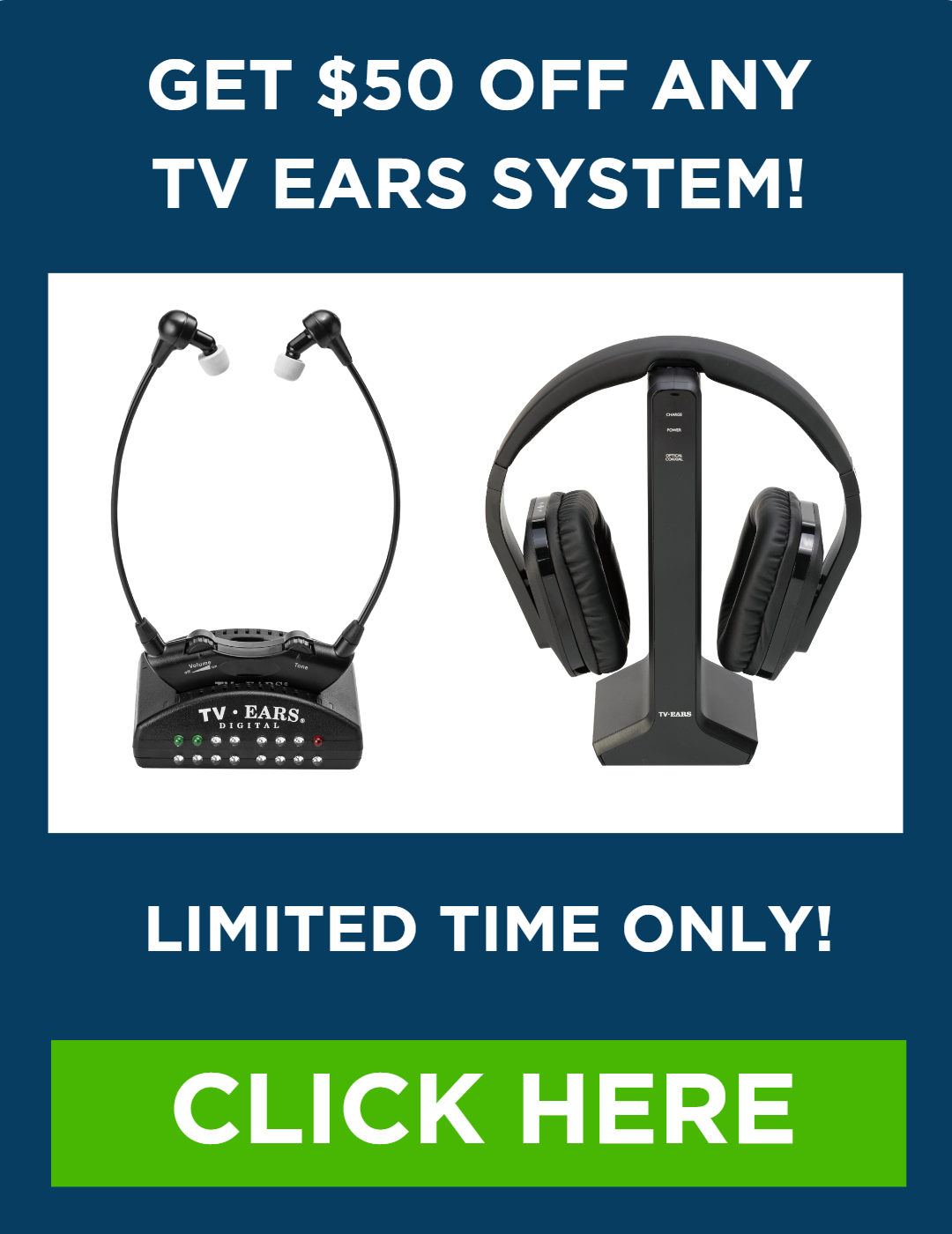
If you’re looking for a product designed specifically for watching television, TV Ears is a great place to start. Since 1998, millions of people have used these systems to hear their TVs better. The technology focuses on clarifying human speech, making dialogue easier to understand over background music and sound effects. Many doctors recommend TV Ears systems to their patients, especially those who find that their regular hearing aids don’t quite solve the problem of muffled TV audio. They are a dedicated solution created to solve one problem really well: hearing the television clearly.
The Pros and Cons of Streaming Hearing Aids
For those who already wear modern hearing aids, direct streaming might be a feature you can use. Many newer hearing aid models are equipped with Bluetooth technology that allows you to stream audio directly from your television to your hearing aids, turning them into a personal set of wireless speakers. This can be a fantastic, seamless experience, but it often requires a newer, more expensive hearing aid model and sometimes an additional streaming accessory from the same manufacturer. It’s a high-tech solution that integrates perfectly with your existing device.
How Do Wireless Headphones Stack Up?
Another popular route is using a TV streamer with wireless headphones or hearing aids. These devices work by capturing the audio from your TV and sending it wirelessly to your compatible hearing aids or headphones. This is a great option if your hearing aids have streaming capabilities but need a go-between device to connect to your specific television. This approach gives you clear sound without needing to buy a whole new set of hearing aids, offering a middle ground between a dedicated system like TV Ears and a fully integrated streaming hearing aid.
Finding the Best Value for Your Budget
When it comes to value, it’s important to think about what you’re trying to achieve. Direct streaming hearing aids are often the most expensive option, as the technology is built into a sophisticated medical device. TV Ears, on the other hand, was created to be a cost-effective solution focused solely on the TV-watching experience. It provides clear dialogue and personal volume control, which helps eliminate disagreements over a loud TV. For many, it’s the perfect way to solve the problem without investing in a brand-new, high-end set of hearing aids.
How to Set Up Your New TV Listening Device
Getting your new TV listening device up and running is usually a straightforward process. Most systems are designed to be plug-and-play, so you can start enjoying your favorite shows with clear sound in just a few minutes. Taking a moment to set it up correctly and learn the basics of care will ensure you have a great experience every time you turn on the TV.
Step 1: Making the Right Connections
Most TV listening systems come in two parts: a transmitter and a receiver. The transmitter is a small box that connects directly to your television’s audio output port. Once plugged in, it wirelessly sends the TV’s sound to your receiver, which could be a headset or earpieces. This setup is what allows you to hear everything clearly without any lag. Many devices use reliable wireless technology to ensure a stable connection, so you don’t have to worry about sound cutting out. The best part is that you typically only have to do this once, making it a simple solution for everyday use.
Fine-Tune the Sound to Your Hearing
This is where you get to tailor the sound just for you. Once your device is connected, you can adjust the volume on your headset to your perfect level, completely independent of the TV’s main volume. This means you can have the dialogue as loud and clear as you need, while family and friends can keep the TV speaker at a comfortable level for them. Some devices also allow you to adjust the tone and balance, which can help you emphasize speech frequencies and reduce distracting background noise from the show’s soundtrack. It’s all about creating a personalized listening experience.
Where Should the Transmitter Go?
Finding the right spot for your transmitter can make a big difference in sound quality. For the best performance, place the transmitter near your television on a flat, stable surface. While many modern systems use technology that doesn’t require a direct line of sight, it’s still a good idea to keep the area between the transmitter and your chair free of major obstructions. This helps guarantee a strong and consistent wireless signal, preventing any annoying static or dropouts. Think of it as giving the sound a clear path from the TV directly to you.
Keep Your Device Working Like New
A little care goes a long way in keeping your TV listening device working perfectly. When you’re finished watching TV, always place your headset back on its charging dock so it’s ready for next time. To keep it clean, gently wipe the ear cushions and headset with a soft, dry cloth. Avoid using any liquids or harsh cleaners. It’s also important to keep the system away from extreme temperatures or moisture. Following these simple headphone care tips will help your device last for years, providing you with clear TV audio whenever you want it.
Other Ways to Hear Your TV Better
While a dedicated listening device is often the most direct path to clear TV audio, it’s not the only route you can take. Depending on the television you own and your specific needs, there are several other adjustments and tools worth exploring. Some are simple tweaks you can make right in your TV’s settings menu, while others involve adding new equipment to your entertainment setup. Taking the time to understand these alternatives can help you find the right combination of tools to make your viewing experience more enjoyable for everyone in the room.
Adjusting Your TV’s Audio Settings
Before you buy anything new, it’s worth checking your television’s built-in audio settings. Many modern TVs have features designed to make sound clearer. Start by looking for an option to turn down the bass, as too much low-frequency sound can make dialogue muddy and hard to understand. You might also find a setting called “Night Mode” or “Dynamic Range Compression.” This feature automatically makes loud sounds quieter and soft sounds louder, which evens out the audio and keeps dialogue from getting lost. It’s a simple, free adjustment that can make a surprising difference in speech clarity.
Consider a Soundbar with Voice Enhancement
The thin speakers built into today’s flat-screen TVs often struggle to produce rich, clear audio. A soundbar is a simple way to get a major sound upgrade. These long, slim speakers sit below your TV and provide much better audio quality. More importantly, many soundbars now come with a voice or dialogue enhancement feature. This technology works by identifying speech frequencies and lifting them above the background music and sound effects. It’s a fantastic feature that focuses on improving clarity, not just making everything louder, which is key to understanding what characters are saying.
Using a Hearing Loop System
If you wear hearing aids with a telecoil (or t-coil), a hearing loop system could be a great option. This setup uses a thin wire that creates a magnetic field around your room. A small box connected to your TV sends the audio signal through this wire, and the telecoil in your hearing aids picks it up directly. This turns your hearing aids into personal speakers, delivering clear sound right to your ears without any background noise. You’ll need to check if your hearing aids have a telecoil feature, but if they do, a loop system can be a very effective way to hear your television.
Playing Sound Through Speakers and Headphones Simultaneously
One of the biggest challenges is finding a volume that works for everyone. Many new smart TVs offer a solution by allowing you to play audio through the TV speakers and a Bluetooth device at the same time. This means you can connect a pair of wireless headphones or compatible hearing aids and set your own volume, while your family listens through the main speakers at a lower level. It’s a perfect compromise that ends the debate over the remote control and allows everyone to enjoy the show together, each at their ideal volume.
How to Get the Absolute Best TV Sound
Today’s listening devices are much more than simple amplifiers. They are packed with smart technology designed to create a rich, clear, and personalized sound experience, especially for watching television. Think of these advanced features as your personal audio toolkit, allowing you to fine-tune what you hear so you can catch every whisper and enjoy the full depth of a movie soundtrack without disturbing anyone else.
From streaming audio directly into your ears to automatically silencing background chatter, these innovations work together to solve the most common frustrations of watching TV with hearing loss. Many of these features are designed to be intuitive, working quietly in the background so you can simply relax and enjoy your favorite shows. Others give you direct control through simple smartphone apps, putting the power to customize your sound right at your fingertips. Let’s look at some of the most helpful features in modern hearing aids you’ll find in today’s TV listening devices.
Stream Sound Directly to Your Ears
One of the best advancements for TV watching is direct audio streaming. This feature sends the sound from your television directly to your listening device using a wireless connection, like Bluetooth. Instead of the sound traveling across the room and getting mixed with other noises, it arrives crisp and clear right in your ears. This completely bypasses issues like room echo or distance from the TV speakers. Many modern hearing aids offer excellent TV streaming solutions that connect seamlessly. It’s like having a private, high-definition audio feed made just for you, ensuring you never miss a word of dialogue.
Tune Out Distractions and Focus on Dialogue
It’s hard to follow a plot when you’re also hearing the hum of the air conditioner, the clatter of dishes from the kitchen, or conversations in the next room. That’s where noise reduction technology comes in. Advanced listening devices are smart enough to distinguish between the TV audio you want to hear and the distracting background noises you don’t. They actively filter out or dampen these ambient sounds, allowing the dialogue and sound effects from your show to come through more clearly. This can greatly improve the TV watching experience not just for you, but for everyone in the house, as you won’t need to crank up the volume to compensate.
Use a Smartphone App for Easy Control
Many modern listening devices come with a companion smartphone app, giving you a simple and discreet way to manage your sound. Instead of fumbling with tiny buttons on the device itself, you can use an app to adjust the volume, switch between different sound modes, or fine-tune the audio balance. For example, some apps let you adjust the sound from the TV while still allowing you to hear conversations around you. This level of app-based control puts you in charge of your listening environment, so you can easily find the perfect setting for any situation without drawing attention.
Let Your Device Adjust the Sound for You
Some of the most sophisticated listening devices feature technology that automatically adapts to your surroundings. Using built-in microphones and smart sensors, these devices can analyze the sound environment in real-time. If the room is quiet, they might focus on delivering rich, detailed audio. If someone starts talking or the dog begins to bark, they can instantly adjust to filter out the new noise and keep the TV dialogue clear. This AI-driven technology provides a seamless, hands-free experience, making constant manual adjustments a thing of the past. The device does the work for you, so you can stay immersed in your show.
Tips for Everyday Use
Once you’ve chosen your TV listening device, you’re on your way to a better viewing experience. But a few simple tips can help you get the clearest sound and most reliable performance. By paying a little attention to your connection, battery life, and sound settings, you can ensure your device is always ready when your favorite show comes on. It’s also important to know when your hearing needs might require a check-in with a professional. Let’s walk through a few best practices to help you enjoy television without any frustration.
What to Do If Your Connection Drops
A stable connection is the key to clear, uninterrupted sound. Most wireless TV listening systems use a transmitter that connects to your TV and sends audio to a receiver, like a headset or your hearing aids. This often uses Bluetooth or a similar wireless technology to create a direct line of sound to your ears. If you have hearing aids with Bluetooth, you might be able to connect them directly to a compatible smart TV, turning them into personal wireless headphones. If you experience static or dropouts, try moving the transmitter to a different spot with a clearer line of sight to where you sit.
How to Maximize Your Battery Life
There’s nothing worse than having your device’s battery die in the middle of a movie. To avoid this, make charging a part of your daily routine. Most quality TV headphones are designed for long listening sessions, often lasting 30 hours or more on a single charge. Many systems also come with a simple charging dock, so you can just place the headset on its base when you’re done watching. Treat it like your phone—find a convenient time to charge it each day so it’s always powered up and ready for you.
Quick Adjustments for Even Better Sound
Even with a great device, a few extra tricks can improve clarity. One of the easiest is to turn on your TV’s closed captions or subtitles. This allows you to read any dialogue you might miss, helping you follow the plot without straining to hear every word. Also, make sure your device is set up correctly. A dedicated assistive TV product that sends sound directly to your ears will always provide clearer dialogue than simply turning up the TV’s speakers, as it separates the voices from other background noise in the room.
Still Having Trouble? When to Call an Expert
If you’ve tried a listening device but still find yourself struggling to understand what people are saying, it might be time to consult a professional. The feeling that you can hear sounds but can’t quite understand speech is a common sign of hearing loss. A hearing care expert can perform a simple hearing test to figure out exactly what’s going on. From there, they can recommend the best solutions for your specific needs, whether that’s adjusting your current hearing aids or exploring other technologies designed to make speech clearer.
The Importance of a Professional Hearing Test
If you’ve invested in a listening device but still find yourself straining to catch dialogue, it’s a sign that something more specific might be going on. Hearing loss is rarely a simple case of everything getting quieter; often, it affects certain frequencies more than others. This is why you might hear the rumble of an explosion perfectly but miss the crisp, high-pitched consonant sounds that make speech understandable. A professional hearing test is the best way to get a clear diagnosis. This simple evaluation maps out your unique hearing profile, showing exactly where the gaps are. With that information, a hearing care expert can guide you toward the most effective solution, helping you finally understand words and not just hear noise.
Related Articles
- Enhance your TV Viewing with the best hearing devices for TV
- The Power of TV Hearing Devices for Seniors
- TV hearing devices: Lots of options, 1 clear winner
- Hearing aids for TV: What 1 type is best?
- A Guide to TV Listening Devices for Enhanced Entertainment
Frequently Asked Questions
Can other people in the room still hear the TV when I’m using a listening device? Yes, absolutely. Most TV listening systems work independently of your television’s speakers. This means you can have the sound in your headset at your ideal volume, while your family can listen to the TV’s speakers at a level that’s comfortable for them. In fact, they can even mute the TV completely, and you’ll still hear everything perfectly through your device.
Will a TV listening device work with my existing hearing aids? It depends on the type of device you choose. Some systems, like specialized TV headphones, are designed to be worn by themselves and provide a complete sound solution. Other devices, often called streamers, are made specifically to send the TV’s audio directly to your Bluetooth-compatible hearing aids. It’s best to check if your hearing aids support streaming and choose a system that fits your current setup.
Is it difficult to connect these devices to my television? Not at all. Most of these systems are designed with simplicity in mind and are very easy to set up. The process usually involves plugging a small transmitter box into an audio output port on the back of your TV. Once it’s connected, it wirelessly sends the sound to your headset. You typically only have to do this once, and then you’re ready to watch.
How are specialized TV headphones different from regular Bluetooth headphones? The main difference is the technology inside. Regular headphones make everything louder—the music, the sound effects, and the dialogue—all at once. Specialized TV listening devices use voice clarifying technology to specifically isolate and enhance the frequencies of human speech. This makes dialogue sound crisp and clear, separating it from distracting background noise so you can follow conversations effortlessly.
Do I need a new or “smart” TV for these systems to work? You almost certainly do not. The vast majority of TV listening devices connect to standard audio output ports that have been included on televisions for many years. As long as your TV has an audio-out port (like an optical, RCA, or headphone jack), you should be able to connect a listening system without any trouble, regardless of how old your TV is.