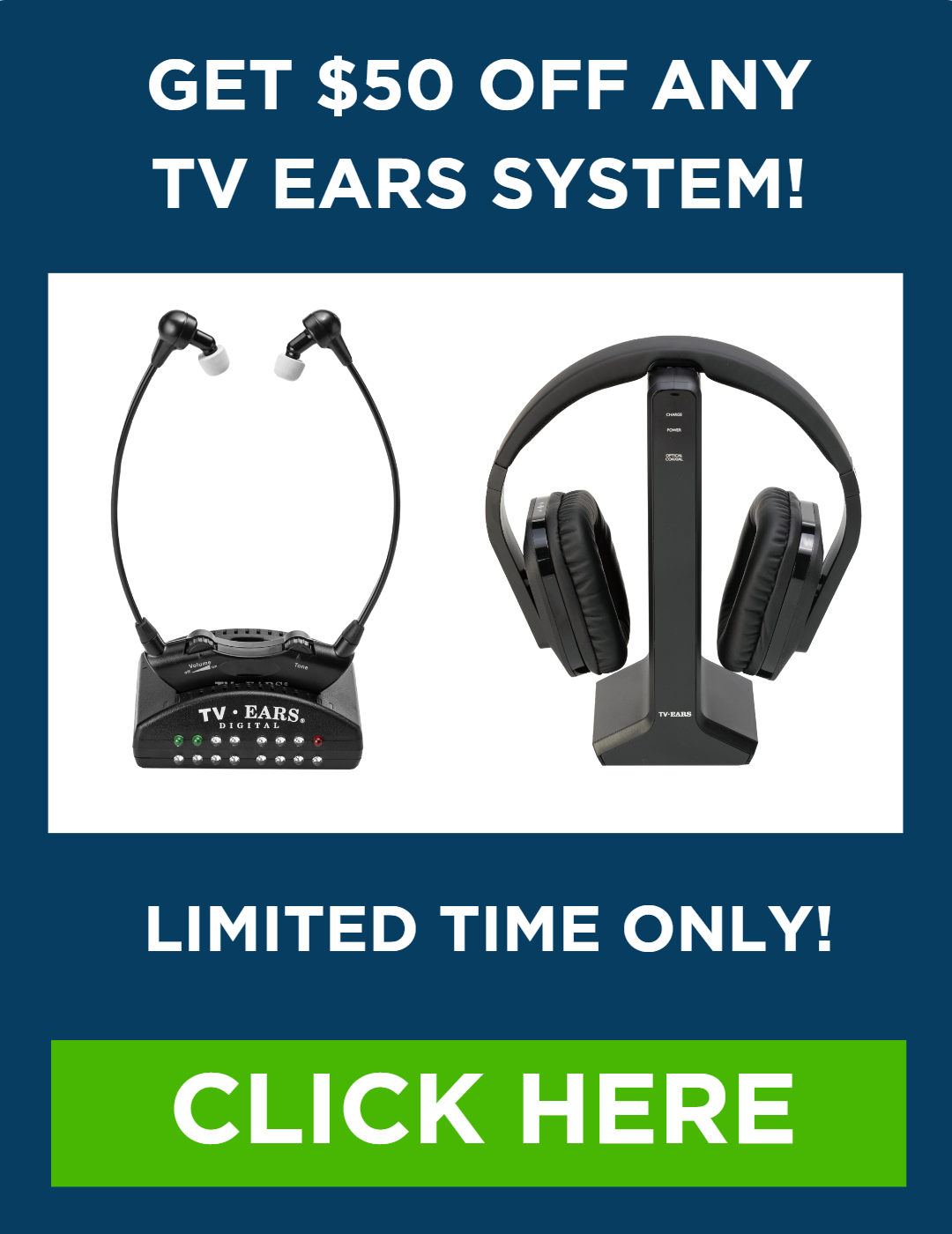
The battle over the remote is a classic household drama, but the real conflict is often about the volume button. When one person needs the TV loud just to follow the plot, it can feel like an action movie soundtrack for everyone else in the room. This constant negotiation can turn a relaxing evening into a source of frustration. The solution isn’t about finding a compromise; it’s about finding a better tool. With the right television headsets wireless technology, you can end the volume war for good. This guide will show you how these devices create a personal listening zone, allowing you to hear every word clearly while others enjoy the show at a comfortable volume.
Are you tired of struggling to hear dialogue while watching TV, or constantly adjusting the volume, only to disturb others in your home? Perhaps you’re simply fed up with tangled wires that restrict your movement and limit your enjoyment. You’re not alone. Many people face these common challenges, but there’s a simple, effective solution: wireless television headsets.
Wireless television headsets offer the ultimate freedom to move around your home while enjoying crystal-clear sound, without the hassle of cords. And when it comes to leading the way in this technology, TV Ears stands out.
Introducing TV Ears: The Ultimate Wireless Television Headsets
TV Ears has been at the forefront of wireless television headsets for over two decades, providing an unparalleled TV viewing experience with innovative technology designed with convenience and comfort in mind.
Benefits of TV Ears Wireless Television Headsets:
- Wireless Freedom: Say goodbye to tangled wires! With TV Ears, you can move freely around your living room, grab a snack from the kitchen, or even step into another room without missing a single word of your favorite show.
Crystal-Clear Sound: Our proprietary Voice Clarifying Circuitry™ delivers crisp, clear sound directly to your ears, ensuring you never miss a word of dialogue or a subtle sound effect. This means you can finally understand every whisper and every line, even in fast-paced scenes.
- Easy Setup: Setting up your TV Ears system is quick and straightforward. Simply plug the transmitter into your TV’s audio output, pair it with your wireless headset, and you’re ready to enjoy enhanced audio in minutes.
- Comfort for Extended Viewing: Designed to be lightweight and ergonomic, TV Ears headsets sit comfortably over your ears, allowing for extended viewing sessions without discomfort.
Why Choose TV Ears for Wireless Television Headsets?
With a proven track record and a commitment to quality, TV Ears has become the trusted choice for wireless television headsets. We offer a variety of options to suit your individual needs and preferences, whether you prefer over-ear or in-ear styles. Our goal is to ensure everyone can enjoy TV to the fullest, overcoming hearing difficulties and differing audio preferences.
Experience the Freedom of Wireless TV Viewing with TV Ears
It’s time to say goodbye to wires and hello to wireless freedom. Transform your TV viewing experience and enjoy crystal-clear sound wherever you go in your home. Upgrade to TV Ears today and rediscover the joy of TV-watching.
Explore TV Ears’ Range of Wireless Headphones and Headsets
Discover the difference TV Ears wireless headphones and headsets can make in your TV-watching experience. Visit our website to find the perfect system for you and your family.
Doctor Recommended and Trusted Since 1998
When you’re looking for a solution to a health-related issue like hearing loss, trust is everything. You want a product that is not only effective but also safe and reliable. TV Ears has built that trust over more than two decades, becoming a household name in assisted listening. Since 1998, millions of systems have been sold to people seeking clearer television audio. This long history isn’t just about sales; it’s about a proven track record of helping people reconnect with their favorite shows and movies. The fact that our products are “Doctor Recommended” provides an extra layer of confidence, assuring you that you’re choosing a solution that is recognized by professionals for its effectiveness in clarifying dialogue and enhancing the TV experience for those with hearing loss.
US-Based Customer Support
Getting new technology to work can sometimes feel overwhelming, but it doesn’t have to be. We believe that getting help should be as simple and stress-free as using our products. That’s why we’re proud to offer a dedicated, US-based customer support team that you can reach with a toll-free call. Whether you have a question about which TV Ears system is right for you, need a hand with the quick setup process, or just want to make sure you’re getting the best performance from your headset, our friendly team is here to help. There are no confusing chat bots or long waits for an email reply—just real people ready to provide clear, helpful answers so you can get back to enjoying your television.
Not All Wireless is Created Equal: RF vs. Bluetooth
The word “wireless” gets used a lot, but it doesn’t always mean the same thing. When it comes to audio, the technology transmitting the sound from your TV to your ears makes a huge difference in your viewing experience. While you might be familiar with Bluetooth from using it with your phone or portable speakers, it’s not always the best choice for watching television. Most dedicated TV headsets, including those from TV Ears, use a different type of technology called Radio Frequency (RF). Understanding the distinction between these two is the key to finding a solution that eliminates frustrating issues like sound delay and ensures you hear every word with perfect clarity, exactly as it was intended.
Understanding the Technology
At a basic level, the main difference is how the sound travels. All Bluetooth headphones are wireless, but not all wireless headphones use Bluetooth. Technologies like Radio Frequency (RF) and Infrared (IR) are also common. Bluetooth is designed to connect two devices directly, like your phone to a speaker, without needing a middleman. RF systems, on the other hand, use a dedicated transmitter base that you plug into your TV. This base sends the audio signal out via radio waves to the headset. This small difference in setup has a major impact on performance, especially when it comes to range, audio quality, and synchronization with the picture on your screen.
Radio Frequency (RF) for TV
Radio Frequency (RF) technology is the gold standard for dedicated TV headsets for a few important reasons. First, it offers a significantly longer range—often up to 100 meters or more. This means you can get up to grab a drink from the kitchen without losing the audio. More importantly, RF technology has very low latency, which is the technical term for sound delay. This ensures that the words you hear are perfectly synced with the actors’ lips on screen. This immediate, clear transmission is precisely why RF is the preferred technology for an immersive and frustration-free television experience.
Bluetooth for General Use
Bluetooth is fantastic for its convenience and portability. It’s perfect for listening to music from your phone while you’re on a walk or taking a call without holding your device. Because it connects directly from the source (like a smartphone) to the headphones, you don’t need a separate transmitter. However, this convenience can come with a drawback for TV viewing. Bluetooth often has a noticeable audio delay, or latency, which can create that annoying lip-sync issue. While it’s great for on-the-go audio, it wasn’t specifically designed to meet the real-time demands of television sound.
The Problem with Sound Delay (Latency)
Have you ever watched a movie where the sound is just slightly off from the picture? You see an actor’s lips move, and then a split second later, you hear the words. This distracting phenomenon is called latency, and it’s a common problem with standard Bluetooth headphones when used for TV. This delay can completely pull you out of the story and make watching your favorite shows a frustrating chore. Because RF systems used in dedicated TV headsets like TV Ears are designed for this specific purpose, they eliminate that jarring delay and keep the audio and video perfectly synchronized for a seamless viewing experience.
Comparing Range and Audio Quality
Beyond just preventing sound delay, the technology inside your wireless headset also affects how far you can move and how clear the audio is. Bluetooth typically has a shorter range, meaning you might lose connection if you walk into another room. RF technology, however, allows you to roam freely throughout your home without interruption. Furthermore, RF systems can transmit sound with less compression. This means the audio you hear is richer and more detailed, which is especially important for understanding dialogue. This uncompressed, high-quality sound is what allows our Voice Clarifying Circuitry™ to work so effectively, making every word crisp and intelligible.
How to Choose the Right TV Headset
Once you understand the technology, you can focus on the features that will best fit your needs and your home setup. Choosing the right TV headset is about more than just sound; it’s about ensuring it’s easy to connect, works for everyone in the room, and is convenient for daily use. You’ll want to consider how it connects to your specific television, whether others can still listen to the TV speakers, and practical details like battery life. Thinking through these key points will help you select a system that seamlessly integrates into your life and solves the TV volume struggle for good, making viewing a peaceful and enjoyable experience for the whole household.
Connecting to Your Television
A common worry before buying a new device is, “Will this be complicated to set up?” Fortunately, connecting a dedicated TV headset is designed to be simple and straightforward. Most systems, including all TV Ears models, connect to the audio output ports on the back of your television. These ports are standard across almost all TVs, whether your set is brand new or several years old. The process usually involves plugging the transmitter base into a power outlet and then connecting a single audio cable from the transmitter to your TV. It’s a one-time setup that typically takes just a few minutes to complete.
Common Audio Connections: Optical, RCA, and 3.5mm
Televisions typically have one of three main audio outputs: optical (also called TOSLINK), RCA (the red and white ports), or a 3.5mm headphone jack. For the absolute best sound quality with no interference, an optical digital connection is the top choice, and it’s available on most modern TVs. If you have an older TV, the classic red and white RCA ports or a simple 3.5mm headphone jack are just as easy to use. Quality TV headset systems come with all the necessary cables, so you can be confident you’ll have what you need to connect to your television right out of the box, regardless of its age or model.
Can Others Still Hear the TV?
One of the biggest questions people have is whether using a headset will silence the TV for everyone else in the room. The goal is to solve the volume conflict, not create a new problem where only one person can listen. The good news is that you can almost always have the best of both worlds. This feature allows one person to enjoy a personalized, amplified volume through the headset while others listen to the TV’s external speakers at a comfortable, lower volume. It’s the perfect solution for couples or families with different hearing needs, ensuring everyone can enjoy watching together without compromise.
Using Headsets and TV Speakers Simultaneously
The ability to use both the headset and the TV speakers at the same time depends on the television itself, but it’s a very common feature. In fact, over 70% of TVs support simultaneous audio output through their speakers and audio ports (like the optical or RCA connections). This means that plugging in the headset transmitter won’t automatically mute the main speakers. You can typically adjust this setting in your TV’s audio menu if needed. This functionality is central to creating a harmonious viewing environment, allowing for personalized volume control without isolating the headset user from family and friends watching with them.
Important Features to Look For
Beyond the core technology and connectivity, a few key features can make a big difference in your day-to-day use. Things like comfort, ease of charging, and how well the headset works with other devices you might use, like hearing aids, are all important considerations. A lightweight, ergonomic design will allow you to watch for hours without discomfort. Thinking about these practical details will help you find a headset that you not only hear well with but also truly enjoy using every time you sit down to watch your favorite program.
Battery Life and Charging Time
There’s nothing more frustrating than having your headset die in the middle of a movie finale. That’s why battery life is a crucial feature to consider. Look for a system that offers long listening hours on a single charge—many provide up to 10 hours of use. Equally important is a convenient charging method. Many TV headset systems, including TV Ears, come with a transmitter base that doubles as a charging dock. This means that whenever you’re not using the headset, you can simply place it on the cradle, and it will be fully charged and ready for your next viewing session.
Compatibility with Hearing Aids
If you already use a hearing aid, you might wonder how a TV headset will work with it. This is a critical consideration, and many systems are designed with this in mind. Some headsets are worn under the chin rather than over the head, which avoids interfering with behind-the-ear hearing aids. TV Ears headsets are designed to be a supplemental device that can be used with or in place of your hearing aids for watching TV. They clarify and amplify television audio specifically, allowing you to give your hearing aids a rest or use them in tandem to achieve the clearest possible sound without any feedback or discomfort.
Find Your Perfect TV Wireless Headset
Discover the difference TV Ears wireless headphones and headsets can make in your TV-watching experience. Whether you’re looking for comfortable over-ear headphones or a compact, stylish headset, we have options to suit your needs. Ready to take your TV audio to the next level? Explore our Wireless Headphones and Headsets collection today! And don’t miss our custom audiologist-designed speaker system. At TV Ears, we are committed to ensuring that everyone can enjoy TV to the fullest. Our range of speakers for TV and wireless headphones and headsets are designed to cater to diverse needs and preferences, making your home entertainment experience truly exceptional. Don’t let hearing difficulties or differing audio preferences hold you back from enjoying your favorite shows and movies. Explore TV Ears’ solutions and rediscover the joy of TV-watching.
More Ways to Improve Your TV Sound
If you’re passionate about enhancing your TV-watching experience, you won’t want to miss our other blog posts. We regularly publish articles on the latest audio technology, home entertainment tips, and more. Check out our latest blogs below:
The Wireless Wonders: Unleash the Magic of Wireless Headphones!
The Wireless Headphones for TV Experience: Elevate Your Entertainment!
Hear Every Word Clearly: Exploring Fun TV Listening Devices for Hearing Impaired
Don’t miss out on valuable insights and tips from TV Ears experts. Investing in the right speaker for your TV can dramatically enhance your home entertainment experience. Whether you’re an audiophile or simply want to enjoy your favorite shows and movies with exceptional sound, a speaker for TV is a worthwhile addition to your setup. Explore TV Ears’ wide range of speakers, headphones and headsets today and start enjoying TV like never before.
Our TV Ears Systems
Finding the right assisted listening device is all about matching the technology to your space and your needs. We offer several systems designed to deliver clear, crisp television dialogue, whether you’re watching in a cozy den or from another room entirely. Each system is built with our proprietary Voice Clarifying Circuitry™ to ensure you catch every word. Let’s look at the options to see which one is the perfect fit for your home and viewing habits, ensuring a comfortable and personalized listening experience every time you turn on the TV.
TV Ears Original System
The TV Ears Original System is the product that started it all and remains a fantastic choice for clear TV sound in smaller spaces like bedrooms or living rooms. It’s designed for individuals with mild to severe hearing loss and connects to your television through an analog port, making setup incredibly simple. This system is a straightforward, effective solution for anyone who wants to hear the TV better without disturbing others. It provides the core TV Ears experience of clarified voices and personalized volume control, helping to end the household disputes over how loud the television should be.
TV Ears Digital System
If you have a larger living area or an open-concept floor plan, the TV Ears Digital System is an excellent upgrade. It offers greater range and flexibility, catering to those with mild to severe hearing loss who need a bit more power. This system includes both analog and digital connections, ensuring compatibility with a wider range of modern televisions. The digital connection provides a pristine audio signal, so you can enjoy rich, interference-free sound from your favorite chair, even if it’s across the room. It’s the perfect middle-ground for powerful performance and broad compatibility.
TV Ears 5.8 Digital System
For the ultimate in-home listening freedom, the TV Ears 5.8 Digital System is our top-tier option. Using advanced 5.8 GHz wireless technology, this system is powerful enough to cover your entire home. You can listen to the living room TV while you’re doing chores in the kitchen or relaxing on the patio without missing a moment. It’s designed for mild to severe hearing loss and offers the most versatile connection options, including analog, digital, and USB-C. This system represents the best of our technology, giving you unparalleled range and crystal-clear audio quality anywhere in your house.
Options for Multiple Viewers
Watching television is often a shared activity, and your listening solution should be, too. We understand that you might not be the only one in your household who could benefit from clearer TV audio. That’s why we’ve made it easy for two people to enjoy the same program together, each with their own personalized volume control. You no longer have to compromise on sound. With our flexible options, you and a partner or family member can both experience television dialogue with perfect clarity, making movie nights more enjoyable for everyone involved.
Add-On Headsets and Bundle & Save Options
Expanding your system for a second viewer is simple. All of our transmitters can support two headsets at once, so you can easily purchase an additional headset to pair with your existing system. This allows two people to listen simultaneously. For those who know from the start that they’ll need a two-person setup, we also offer convenient bundles that include a transmitter and two headsets right out of the box. These bundles provide a great value and ensure you have everything you need for a shared, crystal-clear listening experience from day one.
Frequently Asked Questions
Will these be difficult to connect to my TV? Not at all. Setting up a TV Ears system is designed to be a simple, one-time process that takes just a few minutes. Everything you need comes right in the box, including cables that fit the standard audio ports found on the back of nearly every television, whether it’s new or several years old. You just plug the transmitter into power and connect it to your TV.
If I’m using the headset, will the TV speakers be muted for everyone else? This is one of the best parts—in most cases, no! The vast majority of televisions are built to play sound through their own speakers and the audio ports at the same time. This means you can enjoy clear dialogue at your ideal volume through the headset, while your family and friends can listen to the TV speakers at a level that’s comfortable for them.
I already have Bluetooth headphones. Why would I need a special TV headset? While Bluetooth is great for music on your phone, it often has a slight sound delay when used with a television. This can cause a distracting lip-sync issue where you see an actor speak a moment before you hear the words. TV Ears headsets use Radio Frequency (RF) technology, which is specifically designed to eliminate that delay, keeping the audio and video perfectly synchronized for a much better viewing experience.
Can I use TV Ears if I already wear hearing aids? Yes, you absolutely can. Our headsets are designed to be a supplemental tool for watching television. The under-the-chin style doesn’t interfere with most behind-the-ear hearing aids. You can use them to give your hearing aids a rest or wear them at the same time to get the clearest possible sound without any uncomfortable feedback.
What if both my partner and I need to use a headset? That’s a common situation, and we have a simple solution. Every TV Ears transmitter can support two headsets at once. You can either purchase an additional headset to pair with your current system or choose one of our bundles that includes two headsets right from the start. This way, both of you can watch together with your own personal volume control.
Key Takeaways
- End the Volume Wars for Good: A dedicated wireless TV headset creates a personal listening zone. This allows you to hear dialogue clearly at your ideal volume, while others in the room can enjoy the show at a level that’s comfortable for them.
- Choose the Right Wireless for Lag-Free Sound: For television, Radio Frequency (RF) headsets are superior to standard Bluetooth. RF technology eliminates the distracting audio delay that causes lip-sync issues, ensuring the sound and picture are always perfectly synchronized.
- Confirm It Works for Everyone in the Room: Before buying, make sure the headset system allows the TV’s main speakers to play sound simultaneously. This key feature ensures one person can use the headset while family and friends can still listen and watch together.