The nightly battle over the remote isn’t always about what to watch—it’s about how loud to watch it. When one person needs the volume high just to follow the plot, it can be uncomfortably loud for everyone else in the room. This common frustration can make a relaxing evening feel like a chore. Before you give up on watching shows together, know that there are several effective solutions. This guide will walk you through all your options, from simple, free adjustments on your TV to dedicated devices. We’ll explore how soundbars can help and take a close look at how wireless television headsets can provide a personalized listening experience, restoring peace to your living room.
Understanding the Need for Wireless Television Headsets
Traditional wired headphones can be cumbersome and restrict your movement, making it challenging to fully enjoy your TV viewing experience. Additionally, tangled wires can be frustrating and detract from your enjoyment. That’s where wireless television headsets come in – they offer the freedom to move around while enjoying crystal-clear sound, without the hassle of wires.
Exploring All Your Options for Clearer TV Audio
Before you invest in a new device, it’s worth checking the tools you already have. Many people find that a few simple adjustments to their existing television setup can make a significant difference in audio clarity. From built-in accessibility features to settings that prioritize dialogue, your TV might have hidden capabilities that can help. Exploring these free and straightforward options is a great starting point. If these adjustments don’t quite solve the problem, you can then look into external devices like soundbars or dedicated headsets, knowing you’ve already optimized your basic setup. Let’s walk through the most common and effective solutions you can try right now.
Adjusting Your TV’s Built-in Settings
Your television is likely equipped with several audio features designed to improve the listening experience, but they aren’t always enabled by default. Taking a few minutes to explore your TV’s sound menu can uncover settings that specifically target dialogue. These adjustments are the easiest and most cost-effective way to address issues with muffled or unclear voices. Think of it as a custom tune-up for your TV’s sound, tailored to make conversations stand out from background music and sound effects. It’s a simple first step that can sometimes be all you need to start hearing your favorite shows more clearly.
Using Closed Captions
One of the most direct ways to follow along with dialogue is by turning on closed captions. This feature displays the spoken words as text on your screen, ensuring you never miss a critical line of conversation. It’s a simple and incredibly helpful tool available on virtually every modern TV, cable box, and streaming device. While it doesn’t change the audio itself, it provides a visual aid that can fill in any gaps in what you’re hearing. For many, using captions is an immediate and effective solution for keeping up with fast-paced dialogue or complex plot points.
Exploring Sound Modes and Equalizers
Digging into your TV’s audio settings can reveal some powerful tools for improving sound quality. Many televisions have preset sound modes like ‘Dialogue,’ ‘Speech Boost,’ or ‘Clear Voice.’ These modes are specifically engineered to reduce background noise and amplify the frequencies associated with human speech, making voices sound more distinct. If your TV has a manual equalizer, you can also try adjusting the mid-range frequencies yourself, as this is where dialogue typically sits. Experimenting with these settings can help you find the perfect balance for your hearing needs without affecting the overall sound mix too drastically.
Adding a Dialogue-Enhancing Soundbar
If your TV’s built-in speakers and settings aren’t cutting it, a soundbar can be a fantastic upgrade. These external speakers are designed to provide richer, fuller audio than the small speakers inside a flat-screen TV. Many modern soundbars come with features specifically designed to enhance dialogue clarity, allowing you to hear conversations clearly without cranking up the overall volume. This is a great solution for a shared living space, as it improves the viewing experience for everyone in the room by making the audio crisper and more focused, rather than just louder.
Connecting Your Hearing Aids Directly to the TV
For those who use hearing aids, modern technology offers a seamless way to get clear TV audio. Many contemporary hearing aids are equipped with Bluetooth, allowing them to connect directly to compatible smart TVs or through a small streaming device. This setup sends the TV’s audio signal straight to your hearing aids, which are already customized for your specific hearing profile. The result is a personalized and incredibly clear listening experience. It effectively turns your hearing aids into a high-fidelity personal headset, giving you direct control over the sound without disturbing others.
How Wireless Television Headsets Work
When other solutions don’t provide the clarity you need, a wireless television headset is often the perfect answer. These devices are specifically designed to solve the problem of unclear TV dialogue. Unlike standard headphones, they use specialized technology to isolate and amplify speech while reducing distracting background noise. This means you can finally hear every word without having to blast the volume for the entire room. Products like TV Ears are built around this principle, offering a simple, effective way to get a personalized listening experience. They consist of a transmitter that plugs into your TV and a lightweight headset that receives the audio signal wirelessly, giving you freedom of movement and complete control over your own volume.
Voice Clarifying Technology
The magic behind many TV headsets is a feature often called Voice Clarifying Technology. This isn’t just about making things louder; it’s about making them clearer. This advanced circuitry works by identifying the audio frequencies where human speech resides and amplifying them. At the same time, it lowers the volume of background sounds like music, explosions, and other ambient noise. The result is that dialogue stands out sharply from the rest of the soundtrack. Our TV Ears systems use this proprietary Voice Clarifying Circuitry® to make voices easily discernible, so you can follow the conversation instead of straining to hear it.
Types of Wireless Connections
Wireless headsets connect to your television using a few different technologies, each with its own set of benefits. The transmitter base sends the audio signal from your TV to the headset you’re wearing, but how it sends that signal can vary. The most common types of connections are Infrared (IR), Radio Frequency (RF), and Bluetooth. Understanding the differences between them can help you choose the right headset for your home setup and viewing habits, ensuring you get a reliable and clear audio stream every time you sit down to watch your favorite shows.
Infrared (IR)
Infrared (IR) technology is a reliable and straightforward way to transmit audio wirelessly. It works similarly to your TV remote, sending a signal in a direct line of sight from the transmitter to the headset. This means the transmitter needs to be placed where there is an unobstructed path to where you are sitting. The major benefit of an IR connection, like the one used by TV Ears headsets, is that the signal is contained within the room, so it won’t interfere with other wireless devices in your home, like Wi-Fi routers or cordless phones, ensuring a clean and interference-free audio experience.
Radio Frequency (RF) and Bluetooth
Unlike infrared, Radio Frequency (RF) and Bluetooth connections do not require a direct line of sight. This technology allows the audio signal to pass through walls and other objects, giving you the freedom to move around the house—perhaps to grab a snack from the kitchen—without losing sound. Many wireless TV headphones use these technologies for their flexibility. The primary difference is that Bluetooth is a universal standard often built into smart TVs, while RF systems typically use a dedicated transmitter. Both are excellent options for those who want more mobility while listening.
Key Features for a Great Listening Experience
Beyond the core technology, several key features contribute to a truly great listening experience with a wireless TV headset. Things like audio-video synchronization, how long the battery lasts, and how comfortable the headset feels after a few hours are all crucial factors. A headset can have the best sound in the world, but if it’s constantly dying or uncomfortable to wear, you won’t want to use it. Paying attention to these practical details ensures that your chosen device is not only effective but also a pleasure to use for movie marathons and binge-watching sessions.
Low Latency for Perfect Audio-Video Sync
Have you ever watched a video where the sound doesn’t quite match the person’s lips? That distracting delay is known as latency. High-quality TV headsets are designed with low latency to ensure the audio and video are perfectly synchronized. This means that when you see an actor speak, you hear the words at the exact same time, creating a natural and immersive viewing experience. It’s a critical feature for enjoying television, as even a slight delay can be jarring and take you out of the moment. Look for this feature to guarantee a seamless connection between what you see and what you hear.
Battery Life and Comfort
When you’re settling in for a movie or your favorite weekly show, the last thing you want is for your headset battery to die halfway through. A good wireless headset should offer several hours of listening time on a single charge. For example, the TV Ears headset battery lasts for four to six hours, which is more than enough for a couple of feature films. Comfort is just as important. A lightweight, ergonomic design that doesn’t put too much pressure on your head or ears is essential for long-term wear, allowing you to focus on your show, not on your headset.
Versatile Designs for Different Needs
People have different preferences when it comes to wearing a listening device, so it’s great that headsets come in various styles. Some people prefer large, over-ear cups that block out ambient noise, while others want a more lightweight, unobtrusive design. TV Ears, for instance, uses a unique under-the-chin style with pivoting foam ear tips that rest gently inside the ear, making them comfortable for extended periods and compatible with glasses. With so many trusted listening products on the market, you can find a design that fits your personal comfort and lifestyle needs perfectly.
Introducing TV Ears: The Ultimate Wireless Television Headsets
TV Ears is leading the way in wireless television headsets, providing an unparalleled TV viewing experience with its innovative technology. Designed with convenience and comfort in mind, TV Ears allows you to enjoy your favorite shows with wireless freedom, without sacrificing sound quality.
Benefits of TV Ears Wireless Television Headsets
- Wireless Freedom: With TV Ears, you can say goodbye to tangled wires and enjoy the freedom to move around while watching TV. Whether you’re lounging on the couch or grabbing a snack from the kitchen, TV Ears allows you to stay connected to your TV without being tethered to it.
- Crystal-Clear Sound: TV Ears delivers crisp, clear sound directly to your ears, ensuring you never miss a word of dialogue or sound effect. With its advanced wireless technology, TV Ears provides an immersive audio experience that enhances your TV viewing enjoyment.
- Easy Setup: Setting up TV Ears is quick and easy – simply plug the transmitter into your TV’s audio output and pair it with your wireless headset. In just minutes, you’ll be ready to enjoy wireless TV viewing without any complicated setup processes.
- Comfortable Design: TV Ears wireless headsets are designed for maximum comfort, with soft ear cushions and an adjustable headband that ensures a snug fit. Whether you’re watching TV for a few minutes or a few hours, TV Ears keeps you comfortable throughout your viewing experience.
Why Choose TV Ears for Wireless Television Headsets?
- Proven Performance: With over two decades of experience, TV Ears has been the trusted choice for wireless television headsets. Their commitment to quality and customer satisfaction has made them a leader in the industry.
- Variety of Options: TV Ears offers a variety of wireless television headsets to suit your individual needs and preferences. Whether you prefer over-ear or in-ear styles, TV Ears has the perfect headset for you.
- Affordable Pricing: Despite its advanced technology and superior performance, TV Ears wireless television headsets are affordably priced, making them accessible to everyone.
A Doctor-Recommended and Trusted Brand
When you’re looking for a solution to help with hearing, trust is everything. You want a product that is not only effective but also safe and reliable. That’s why it’s so reassuring to know that TV Ears is the #1 doctor-recommended brand for TV listening. This isn’t just a gadget; it’s a device that has earned the confidence of medical professionals who understand the nuances of hearing health. Choosing a doctor-recommended brand means you’re investing in a product that has been recognized for its quality and ability to genuinely help people hear the television more clearly, providing peace of mind along with superior sound.
Systems Tailored to Your Living Space
Every home and every person’s hearing needs are different. A solution that works perfectly in a small bedroom might not be the right fit for a large, open-concept living room. TV Ears understands this, which is why we offer different systems designed to match your specific environment and level of hearing assistance required. Whether you need a little help hearing in a cozy den or want the freedom to listen from anywhere in your home, there’s a TV Ears system built for you. This tailored approach ensures you get the best possible performance for your unique space.
The Original System for Smaller Rooms
If you primarily watch television in a smaller area like a bedroom or a study, the TV Ears Original System is an excellent and affordable choice. It’s specifically designed to deliver clear, powerful sound in more contained spaces. This system provides our signature Voice Clarifying Technology, making dialogue easy to understand without needing to crank up the main TV volume. It’s the perfect starting point for anyone looking to solve the “what did they say?” problem in a straightforward, effective way, giving you a comfortable and personal listening experience exactly where you need it.
The Digital and Long Range Systems for Larger Homes
For those with larger living rooms or a desire to move freely around the house, our more advanced systems offer greater coverage. The TV Ears Digital System is ideal for bigger rooms, providing a powerful and clear audio signal that fills the space. If you want the ultimate freedom to listen from the kitchen or another room, the Long Range Digital System covers your entire home. These systems ensure you never miss a moment, whether you’re relaxing on the couch or multitasking nearby, delivering consistent, high-quality sound wherever you are.
Enjoy TV Together, at Different Volumes
One of the most common frustrations in any household is the battle over the TV volume. When one person needs it loud to hear and another finds it blasting, watching a show together can become a source of tension. TV Ears completely solves this problem. Our systems allow one person to listen through their headset at their ideal volume, while everyone else in the room can enjoy the TV’s speakers at a normal, comfortable level. This means families and couples can finally watch television together in harmony, without anyone having to compromise on their comfort.
Expandable Systems and Accessories
Your listening needs might grow over time, and TV Ears is designed to grow with you. Our systems are fully expandable, so you can easily add more headsets for a partner or family member to use with the same transmitter. You can also purchase additional transmitters to place on different TVs throughout your house, allowing your headset to work seamlessly in the living room, bedroom, or den without any complicated re-pairing process. This flexibility makes it simple to create a whole-home listening solution and ensures your initial investment continues to serve your needs for years to come.
Experience the Freedom of Wireless TV Viewing with TV Ears
Say goodbye to tangled wires and hello to wireless freedom with TV Ears wireless television headsets. Transform your TV viewing experience and enjoy crystal-clear sound wherever you go. Upgrade to TV Ears today and experience the difference for yourself.
Final Thoughts
TV Ears wireless television headsets offer the perfect solution for anyone looking to enhance their TV viewing experience. With their wireless freedom, crystal-clear sound, and affordable pricing, TV Ears is the ultimate choice for wireless television headsets. Say goodbye to wires and hello to a new era of TV viewing with TV Ears.
Find Your Perfect TV Ears Headset
Discover the difference TV Ears wireless headphones and headsets can make in your TV-watching experience. Whether you’re looking for comfortable over-ear headphones or a compact, stylish headset, we have options to suit your needs. 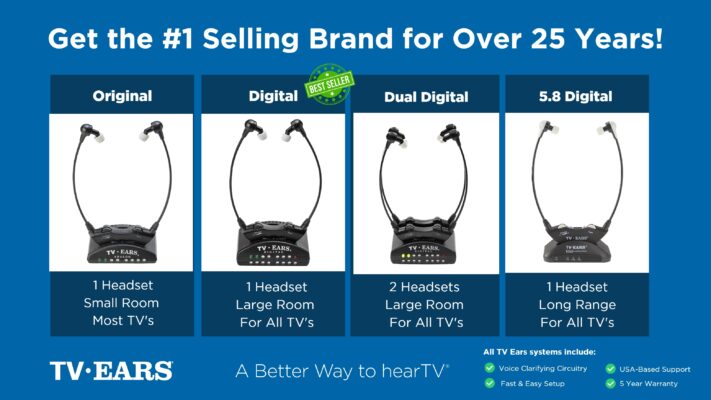 Ready to take your TV audio to the next level? Explore our Wireless Headphones and Headsets collection today! And don’t miss our custom audiologist-designed speaker system. At TV Ears, we are committed to ensuring that everyone can enjoy TV to the fullest. Our range of speakers for TV and wireless headphones and headsets are designed to cater to diverse needs and preferences, making your home entertainment experience truly exceptional. Don’t let hearing difficulties or differing audio preferences hold you back from enjoying your favorite shows and movies. Explore TV Ears’ solutions and rediscover the joy of TV-watching.
More Tips for Better TV Sound
If you’re passionate about enhancing your TV-watching experience, you won’t want to miss our other blog posts. We regularly publish articles on the latest audio technology, home entertainment tips, and more. Check out our latest blogs below:
The Wireless Wonders: Unleash the Magic of Wireless Headphones!
The Wireless Headphones for TV Experience: Elevate Your Entertainment!
Hear Every Word Clearly: Exploring Fun TV Listening Devices for Hearing Impaired
Don’t miss out on valuable insights and tips from TV Ears experts. Investing in the right speaker for your TV can dramatically enhance your home entertainment experience. Whether you’re an audiophile or simply want to enjoy your favorite shows and movies with exceptional sound, a speaker for TV is a worthwhile addition to your setup. Explore TV Ears’ wide range of speakers, headphones and headsets today and start enjoying TV like never before.
Frequently Asked Questions
How is a TV headset different from just using regular music headphones? While regular headphones make everything louder, a dedicated TV headset is designed to make dialogue clearer. They often use special technology that identifies the frequencies of human speech and amplifies them while reducing distracting background sounds like music or sound effects. This means you can follow conversations without having to turn the overall volume way up.
Will a wireless headset interfere with my Wi-Fi or cordless phone? This depends on the type of wireless connection. Headsets that use an Infrared (IR) signal, like TV Ears, operate on a line-of-sight basis and are contained within one room, so they won’t interfere with other wireless devices in your home. Systems using Radio Frequency (RF) or Bluetooth can sometimes operate on similar frequencies as other household devices, but quality systems are built to minimize any potential interference.
I already wear hearing aids. Can I use a TV headset as well? Yes, and many people find it to be a great combination. You can simply remove your hearing aids when you want to watch TV and use the headset instead. Because the headset is specifically engineered to clarify television audio, it provides a powerful and focused listening experience that is tailored for entertainment, giving you a dedicated tool for the task.
My spouse and I both have trouble hearing the TV. Can we both use a headset at the same time? Absolutely. Many TV listening systems are designed to be expandable. You can typically purchase a second headset that connects to the same transmitter base you already have. This allows both of you to watch the same show together, each with your own personal volume control, without needing to buy a second complete system.
I live in a large house. Will the headset work if I go into another room? Whether your headset works in another room is determined by its connection type. An infrared (IR) system requires a direct line of sight to the transmitter, so it will only work in the room where your TV is. If you want the freedom to move around, you should look for a system that uses Radio Frequency (RF) or is specifically marketed as “Long Range,” as these signals can travel through walls and floors.
Key Takeaways
- Start with the free and easy fixes: Before you buy anything, explore your TV’s audio settings for features like ‘Dialogue Boost’ or ‘Clear Voice’ and try using closed captions. These built-in tools can significantly improve how well you hear conversations.
- Decide between a room-wide or personal solution: A soundbar improves audio clarity for everyone, making it a great shared upgrade. A wireless headset, on the other hand, offers individual volume control, which is perfect for resolving the common “it’s too loud” debate.
- Look for features that matter for TV: When choosing a headset, prioritize voice clarifying technology to make dialogue stand out and low latency to keep audio perfectly synced with the video. This ensures you’re getting a device truly built for a better viewing experience.