Have you ever noticed how dialogue on TV seems to get swallowed by background music and loud sound effects? It’s not just you. Modern shows are often mixed like movies, making it difficult for standard television speakers to deliver crisp, understandable speech. Simply turning up the volume makes everything louder, not clearer. That’s where specialized audio tools come in. Wireless TV headphones use smart technology to isolate and enhance the frequencies of the human voice. This means you can enjoy clear sound, catching every whisper and witty remark without straining. We’ll break down how these devices work and what to look for.
Discover the Ultimate Solution for Hearing Loss with TV Wireless Headphones
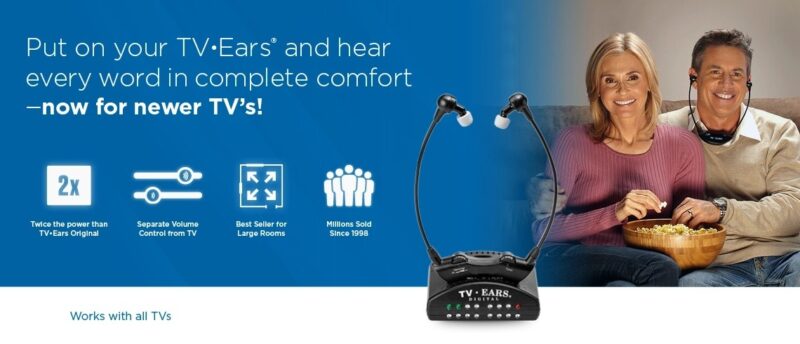 In today’s fast-paced world, unwinding with your favorite TV shows and movies can be a real luxury. But what happens when hearing loss becomes a barrier to enjoying your entertainment? Fear not, as we delve into the world of TV wireless headphones, the groundbreaking technology that’s transforming the way individuals with hearing difficulties experience television.
Why You’ll Love Wireless TV Headphones
Hearing loss should never stand in the way of your enjoyment of TV. TV wireless headphones are designed to provide crystal clear sound directly to your ears, eliminating the need to turn up the TV volume to uncomfortable levels. Let’s dive into why these innovative devices are becoming the go-to solution for individuals dealing with hearing loss.
Personalized Sound Enhancement
TV wireless headphones are engineered to deliver audio tailored to your preferences. With the ability to control the volume independently, you can enjoy your TV programs at the perfect level for you without disturbing others in your household.
Clarity Beyond Compare
One of the key advantages of TV wireless headphones is their ability to provide unparalleled audio clarity. Every word, every sound effect, and every note comes through with exceptional precision, ensuring that you don’t miss a moment of the action.
Wireless Freedom
Say goodbye to being tethered to your TV. TV wireless headphones offer the freedom to move around without missing a beat. Whether you’re grabbing a snack or stretching your legs during a commercial break, you can stay connected to your favorite content.
Comfortable Design
Designed for extended wear, these headphones are lightweight and comfortable. You can enjoy hours of TV without any discomfort, making them perfect for binge-watching sessions.
Compatibility
TV wireless headphones are compatible with most TVs and are easy to set up. You don’t need to be a tech expert to start enjoying better audio immediately.
What Does “Clear Sound” Actually Mean?
We often see the phrase “crystal clear sound” used to describe audio products, but what does it really mean? At its core, clear sound is about hearing audio the way it was intended to be heard, without distortion or missing details. It’s about recreating the original recording with as much accuracy as possible. This concept is often referred to as high fidelity, or “hi-fi.” For someone watching television, this means hearing the crisp rustle of leaves in a nature documentary or understanding every whispered word in a dramatic scene. It’s not just about loudness; it’s about the quality and richness of the sound. When audio is truly clear, you don’t have to strain to understand dialogue, and background music doesn’t overpower the actors’ voices. It creates a more immersive and less frustrating viewing experience.
Understanding High-Fidelity Audio
High-fidelity audio aims to reproduce sound that is faithful to the original source. Think of it like the difference between a blurry, pixelated photo and a sharp, high-resolution image. The high-resolution image contains more detail and looks more true to life. Similarly, hi-fi audio captures more of the original sound information, allowing you to hear the subtle nuances in a conversation or the full range of instruments in a movie score. This level of detail is what separates muffled, flat sound from audio that feels vibrant and alive. Achieving this requires technology that can accurately process and deliver the audio signal from your TV to your ears without losing important information along the way.
How Audio Quality is Measured: Bit Depth and Sample Rate
To understand what makes audio high-quality, it helps to know a little about two key measurements: bit depth and sample rate. Think of the sample rate as the number of “snapshots” of a sound wave taken every second. A higher sample rate captures more snapshots, resulting in a more detailed and accurate sound, especially for higher-pitched noises. Bit depth, on the other hand, measures the dynamic range—the difference between the quietest and loudest possible sounds. A higher bit depth allows for more subtle variations in volume, making the audio feel more natural and less compressed. Together, these two factors determine the overall resolution of the audio you hear, much like how pixel count determines the clarity of a digital photograph.
Lossless vs. Lossy Audio Files
When audio is stored or transmitted digitally, it’s often compressed to save space. There are two main types of compression: lossy and lossless. Lossy compression, used for formats like MP3s, makes files much smaller by permanently removing some of the sound data. While convenient, this can result in a noticeable drop in quality. Lossless compression is different; it reduces the file size without discarding any of the original information. When you listen to a lossless audio file, it’s like unzipping a folder—all the original data is restored, giving you the full, high-fidelity experience the creators intended. For TV viewing, a lossless signal ensures you’re getting the complete audio track, with all its detail intact.
The Technology Behind Crystal Clear TV Audio
Achieving clear audio, especially for television dialogue, isn’t just about turning up the volume. It involves sophisticated technology working behind the scenes to separate, clarify, and enhance specific sounds. Modern audio devices use a combination of digital processing, high-quality physical components, and noise reduction techniques to deliver a clean and understandable listening experience. For anyone who struggles to follow conversations on TV, this technology is a game-changer. It can lift voices out of a muddy mix of background music and sound effects, making it possible to enjoy your favorite shows without constantly asking, “What did they just say?” This is where specialized hardware can make a world of difference compared to standard TV speakers.
Clarifying Dialogue with Digital Signal Processing (DSP)
One of the most powerful tools for improving TV audio is Digital Signal Processing, or DSP. Think of DSP as a smart audio filter. It can analyze the sound signal in real-time and make adjustments to enhance specific elements. For example, it can identify the frequencies associated with human speech and amplify them while slightly reducing the volume of competing background noises. Some advanced systems even use DSP to balance sound levels so that dialogue remains clear even at low volumes. This is precisely the kind of technology that helps solve the common problem of loud commercials and quiet conversations, ensuring a consistent and intelligible audio stream from your television.
How Headphone Components Affect Sound
The physical parts of a pair of headphones play a massive role in the quality of the sound they produce. The most important component is the “driver,” which is the tiny speaker inside each earcup that creates the sound waves. The materials used for the diaphragm (the part that vibrates), the type of magnet, and the overall construction of the housing all influence the final audio output. A well-designed headphone will balance these elements to reproduce sound accurately across different frequencies, from deep bass to high-pitched treble. This ensures that no single part of the audio spectrum overpowers another, which is essential for hearing both the rumble of an explosion and the clarity of a character’s speech.
The Importance of Driver Size
When it comes to headphone drivers, size can matter. Generally, larger drivers, like the 50mm drivers found in some over-ear models, are capable of moving more air. This allows them to produce a more powerful and controlled bass response without distorting. More importantly for TV viewers, a larger driver can also help create a more balanced and spacious soundstage, which means the audio feels more open and less confined. This separation of sounds makes it easier for your brain to pick out individual elements, like dialogue, from the rest of the audio mix. It contributes to a richer, more detailed listening experience where voices are clear and distinct.
Minimizing Background Noise with Active Noise Cancellation
Even with the best audio signal, distractions in your environment can make it hard to hear the TV. This is where Active Noise Cancellation (ANC) comes in. ANC technology uses tiny microphones to listen to the ambient sounds around you—like the hum of an air conditioner or chatter from another room—and then creates an opposite sound wave to cancel it out. This effectively erases low-frequency background noise before it ever reaches your ears. By creating a quieter listening environment, ANC allows you to focus completely on the TV audio without having to crank up the volume to drown out distractions. Some headphones are incredibly effective, capable of blocking out nearly all ambient noise.
How to Choose the Right Wireless Headphones for TV
Selecting the perfect wireless headphones for watching television involves more than just picking the pair with the best reviews. You need to consider features that directly impact the viewing experience. Things like how long the battery lasts, how the headphones connect to your TV, and how they handle sound are all critical factors. The goal is to find a device that not only sounds great but is also comfortable and convenient for hours of use. A good pair of TV headphones should feel like a natural extension of your entertainment system, seamlessly delivering clear audio without causing frustration or interruptions, allowing you to simply relax and enjoy your favorite shows.
Battery Life for Uninterrupted Viewing
When you’re settling in for a movie night or a binge-watching session, the last thing you want is for your headphones to die midway through a crucial scene. That’s why battery life is one of the most important features to consider. Look for headphones that offer at least 8-10 hours of continuous playtime on a single charge. This ensures you can get through several movies or an entire season of a show without needing to plug them in. Many TV-specific headphones also come with a charging dock that doubles as a stand, making it easy to keep them powered up and ready to go for your next viewing session.
Wireless Connection Types and Quality
Not all wireless connections are created equal, especially when it comes to TV audio. Many popular headphones use Bluetooth, which is great for music but can sometimes have a slight delay, or latency. This can cause a frustrating lip-sync issue where the actors’ mouths don’t match the words you’re hearing. For television, Radio Frequency (RF) headphones are often a better choice because they typically have lower latency and a longer range. An even more advanced option is infrared technology, which provides a direct, interference-free signal from the transmitter to the headphones, ensuring perfect audio-video synchronization. This is the technology we use at TV Ears to provide a seamless experience.
Remembering Your Audio Source Matters
The quality of the sound you hear is only as good as its source. Even the most advanced headphones can’t fix a poor audio signal coming from your TV or cable box. Before investing in headphones, check your TV’s audio output options. Most modern TVs have digital optical or HDMI ARC outputs, which provide a much cleaner and higher-quality signal than the traditional red and white analog RCA jacks. Using a high-quality digital connection ensures that your headphones are receiving the best possible audio signal to work with, which is the first step toward achieving clear, crisp sound for your shows and movies.
Your Hearing is Unique
Perhaps the most important factor to remember is that everyone’s hearing is different. A pair of headphones that sounds amazing to one person might not work as well for another, especially if hearing loss is involved. Standard headphones are designed to reproduce music and are tuned for the average listener. However, if you struggle specifically with understanding dialogue, you may benefit from a device engineered for that exact purpose. At TV Ears, our products use proprietary Voice Clarifying Circuitry® to specifically target and amplify the frequencies of human speech, lifting dialogue above background noise. This personalized approach ensures you’re not just hearing louder sound, but clearer speech.
Find Your Perfect Pair of TV Ears Headphones
At TV Ears, we understand the importance of clear and comfortable audio for those with hearing loss. Our TV wireless headphones are designed to provide the ultimate TV-watching experience. Explore our wide range of options to find the perfect fit for you:
More Tips from the TV Ears Blog
Stay up to date with the latest insights and tips from TV Ears experts. Check out these previous blog stories that can enhance your TV-watching experience:
Enhance your TV watching experience with the perfect speaker for TV
The Wireless Headphones for TV Experience: Elevate Your Entertainment!
The Wireless Wonders: Unleash the Magic of Wireless Headphones!
Don’t miss out on valuable information that can improve your TV experience. Subscribe to our newsletter to receive updates and exclusive offers directly in your inbox. 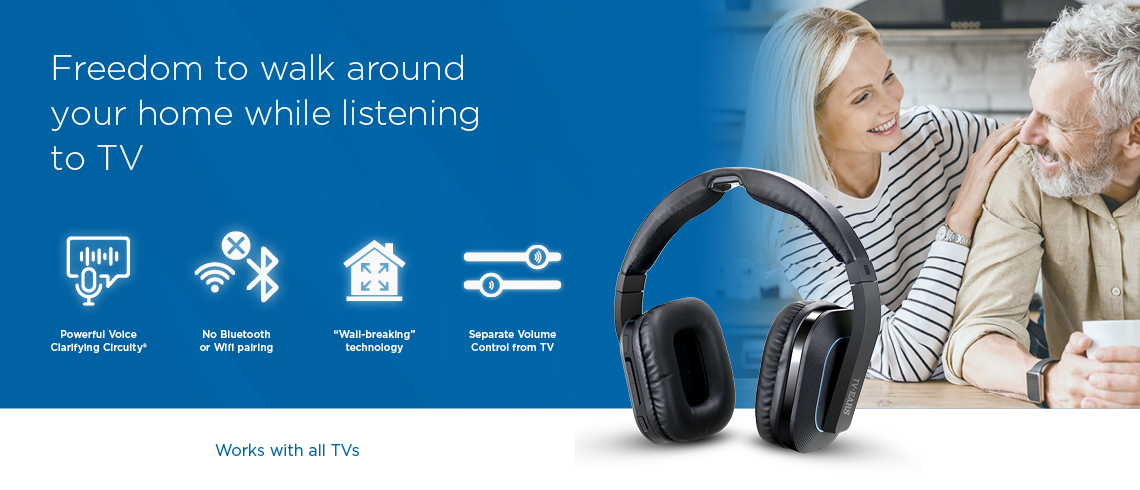
Ready to Hear Your TV Better?
TV wireless headphones are a game changer for those dealing with hearing loss, providing a solution that ensures everyone can enjoy TV to the fullest. If you’re ready to elevate your TV-watching experience and overcome hearing challenges, explore TV Ears‘ systems today. We are the leading solution for restoring TV enjoyment while dealing with hearing loss. Upgrade your TV experience with TV wireless headphones from TV Ears and rediscover the joy of television. Don’t let hearing difficulties hold you back – take the first step toward a better TV experience by exploring our range of TV wireless headphones today.
Frequently Asked Questions
Why is just turning up the TV volume not enough to hear dialogue clearly? Simply increasing the volume on your TV makes everything louder, including background music, explosions, and other sound effects. This often makes the problem worse by burying the dialogue even further. Specialized TV headphones work differently by isolating and boosting the specific frequencies of human speech, so you hear conversations clearly without having to raise the overall volume.
How are TV headphones different from the regular headphones I use for music? Most headphones are designed to deliver a balanced sound that’s great for music, treating all frequencies with equal importance. Headphones made specifically for television, like those from TV Ears, are engineered with a different goal. They use technology that actively identifies and clarifies voices, lifting them out of the background noise so you can follow every word of the conversation.
Will I notice a delay between the actors’ lips moving and the sound I hear? This is a common issue with some wireless technologies like Bluetooth, creating a frustrating lip-sync problem. That’s why many dedicated TV headphones use other connection types, such as Radio Frequency (RF) or infrared. These technologies provide a more direct and stable signal from your television, which eliminates that noticeable lag and ensures the audio and video are perfectly synchronized.
Can I use these headphones if I already wear hearing aids? Yes, you absolutely can. Many people find that while their hearing aids are great for everyday conversations, they don’t always provide the clarity needed for television audio. TV headphones are designed to work alongside your hearing aids, or you can take your hearing aids out and use the headphones for a more direct and immersive sound experience.
Do I need a new or special kind of TV for these to work? Not at all. These headphones are designed to be compatible with the vast majority of televisions, whether they are brand new or several years old. They typically connect using common audio output ports that are standard on most TVs, and the setup process is usually very straightforward, allowing you to get started in just a few minutes.
Key Takeaways
- Prioritize Voice Clarity Over General Volume: Simply making the TV louder often makes background noise worse. The best solution is a device that specifically targets and enhances speech frequencies, so you can catch every word without blasting the volume for everyone else.
- Look for TV-Specific Technology: Not all wireless headphones are built for TV. To avoid frustrating audio-video lag, choose a pair with a Radio Frequency (RF) or Infrared connection instead of Bluetooth. Technology like Digital Signal Processing (DSP) is also key for pulling dialogue out from a noisy background mix.
- Remember That Your Hearing is Unique: Standard headphones are tuned for music, not necessarily for clear speech. If you struggle to understand dialogue, you’ll benefit most from a system specifically engineered to clarify voices, providing a listening experience tailored to your needs.
Related Articles
- Enhancing Your TV Viewing with Wireless Headphones – TV Ears® Official Store
- 5 Best Headphones for Hearing Impaired TV Viewers
- Best Wireless Headphone TV: A Buyer’s Guide
- How Bluetooth TV Ears Can Restore Your TV Sound
- Enhancing Your TV Time with a Wireless Headphone for the TV – TV Ears® Official Store