Have you ever found yourself in a nightly remote control duel? One person needs the TV volume cranked up just to follow the conversation, while everyone else in the room feels like they’re in a wind tunnel. This constant battle over the volume isn’t just frustrating; it can make relaxing together feel impossible. The good news is that there’s a simple way to end the volume war for good. With the right tv speakers wireless technology, you can get crystal-clear dialogue delivered directly to you at your perfect volume, all without disturbing anyone else. This guide will walk you through the different types of wireless solutions that can bring peace back to your living room.

Elevate Your Viewing Experience with TV Speakers Wireless Technology
In today’s fast-paced world, convenience is key, and when it comes to your home entertainment system, TV speakers wireless technology offers exactly that. Gone are the days of dealing with tangled cords and restrictive setups. With TV speakers wireless, you can enjoy high-quality sound without the hassle of wires. In this blog, we’ll explore the benefits of TV speakers wireless, the different types available, and how they can enhance your home viewing experience.
Why Choose TV Speakers Wireless?
Switching to TV speakers wireless can significantly improve both the functionality and aesthetics of your living space. Here are some of the top reasons to make the upgrade:
- Cord-Free Convenience: The most obvious advantage of TV speakers wireless is the lack of wires. You can place your speakers anywhere in the room without worrying about running cables across the floor or dealing with unsightly cords.
- Improved Sound Quality: TV speakers wireless offer superior sound quality compared to many built-in TV speakers. Whether you’re watching movies, sports, or listening to music, wireless speakers provide clear, immersive sound that elevates your experience.
- Flexibility in Placement: With TV speakers wireless, you can easily move your speakers around the room to find the perfect spot for optimal sound. This flexibility allows you to create the perfect sound environment for any viewing angle or room layout.
The Problem with Modern TV Speakers
Have you ever noticed how modern televisions look incredible but sound… not so great? You’re not imagining it. As TVs have become thinner and more streamlined, the built-in speakers have shrunk right along with them. To fit into such a slim frame, the speakers are often small and downward-facing, which can muffle the audio before it even reaches you. This design choice often results in a sound that lacks depth and clarity, making it particularly difficult to distinguish dialogue from background noise and music. As a result, you might find yourself constantly reaching for the remote to adjust the volume, trying to catch what you missed.
This struggle to hear clearly often leads to cranking up the volume, which can create a less-than-peaceful environment for others in the room. While adding external speakers is a common solution, traditional setups aren’t always ideal. For instance, wired speakers can look messy and create tripping hazards with cables running across your living room floor. They also lock you into a specific room layout. The core issue remains: the sound coming directly from your TV isn’t designed for clarity. To truly get an immersive experience where you can hear every word, you need a sound solution that brings the audio directly to you without the clutter.
Types of TV Speakers Wireless
There are several types of TV speakers wireless available on the market, each designed to meet different needs. Whether you’re looking for compact speakers, soundbars, or multi-room audio solutions, there’s a TV speakers wireless option for you:
- Wireless Soundbars: One of the most popular types of TV speakers wireless is the soundbar. Wireless soundbars are sleek and easy to install, offering a dramatic upgrade in sound quality without the clutter of multiple speakers.
- Wireless Surround Sound Systems: For those who want a more immersive experience, wireless surround sound systems are an excellent choice. These systems use multiple speakers placed around the room to create a full 360-degree audio environment, all without the hassle of wiring.
- Portable Wireless Speakers: Another option is portable TV speakers wireless, which can be moved around the room or even taken outside. These speakers are perfect for flexible setups or when you want to move your entertainment outdoors.
Soundbars and Complete Systems
If you’re finding it hard to hear dialogue over the background noise in your favorite shows, a soundbar is one of the simplest and most effective upgrades you can make. A soundbar is a long, thin speaker that sits in front of your TV, and its main job is to provide clearer, more powerful audio than your TV’s built-in speakers ever could. As the audio pros at Sonos explain, a soundbar combines multiple speaker components into one sleek unit to create a bigger, more lifelike sound. This is a great first step for anyone who wants to make voices more distinct and sound effects more impactful, instantly improving the viewing experience for everyone in the room without the clutter of a complex speaker system.
Understanding Speaker Channel Configurations (2.0, 3.1, 5.1)
When you shop for soundbars, you’ll see numbers like 2.0, 3.1, and 5.1. These simply describe the speaker setup. A 2.0 system is standard stereo with a left and right channel. A 3.1 system is a game-changer for dialogue clarity because it adds a dedicated center channel speaker that focuses specifically on voices, making them easier to understand. The “.1” means it also includes a subwoofer for deep bass sounds. For a more immersive, theater-like feel, a 5.1 system adds two rear speakers for surround sound. With so many different kinds of wireless TV speakers on the market, knowing what these numbers mean can help you pick the perfect setup for your needs.
Modular Surround Sound Systems
For the ultimate home theater, a wireless surround sound system is the way to go. These systems use several speakers placed around the room to put you right in the middle of the action. The beauty of modern systems is their wireless design, which lets you create a full 360-degree audio environment without tripping over cables. You can even build your system over time by starting with a soundbar and adding more speakers later. While this creates incredible, room-filling audio, it’s important to remember that this solution makes the sound louder and more immersive for everyone watching, which might not be ideal for every household.
Personal Listening Devices
What happens when the issue isn’t about filling the room with sound, but about making the TV clear for just one person? This is where personal listening devices are a lifesaver. Instead of turning up the volume for the entire room, these devices deliver crisp, clear audio directly to an individual listener. This is the perfect solution for ending the nightly “volume war” in households where one person needs the TV much louder than everyone else. With a personal device, you can adjust the volume and tone to your exact preference without disturbing your partner or family. It’s a simple, thoughtful way to ensure everyone can enjoy their favorite shows together in comfort.
Neckband Speakers
One popular type of personal listening device is the neckband speaker. You wear this lightweight device around your shoulders, and it projects sound up toward your ears, creating a personal sound bubble. This is a fantastic option because it delivers clear audio without covering your ears like traditional headphones. You can still hear the doorbell, a ringing phone, or a loved one calling your name from another room. Many people find these neckband speakers offer a great balance of improved TV audio and awareness of their surroundings, making them a comfortable and practical choice for daily use.
How TV Speakers Wireless Work
The beauty of TV speakers wireless technology is that it’s simple to set up. Most TV speakers wireless systems connect to your TV using Bluetooth or Wi-Fi, eliminating the need for traditional speaker wires. Here’s a quick breakdown of how they work:
- Bluetooth Wireless Speakers: These TV speakers wireless use Bluetooth technology to connect directly to your TV or media device. Bluetooth speakers are easy to pair and offer good sound quality, although the range can be limited.
- Wi-Fi Wireless Speakers: If you’re looking for a more robust solution, Wi-Fi TV speakers wireless are a great option. Wi-Fi speakers connect to your home network, providing better range and higher audio quality compared to Bluetooth models. They also allow for multi-room setups, so you can have sound throughout your home.
Key Connection Technologies
Wireless Connections: Bluetooth vs. Wi-Fi
When we talk about wireless speakers, the connection usually happens through either Bluetooth or Wi-Fi. Bluetooth is the simpler of the two, allowing you to pair a speaker directly with your TV, much like you would with your phone. It’s straightforward and gets the job done for a basic setup. However, its range is typically limited to about 30 feet, and sound quality can sometimes be compressed. Wi-Fi speakers, on the other hand, connect to your home’s wireless network. This provides a much more stable connection over a larger area and supports higher-quality, uncompressed audio. If you’re interested in creating a multi-room audio system where music or TV sound can play in different rooms simultaneously, Wi-Fi is the way to go.
Wired Connections: HDMI eARC, ARC, and Optical
It might seem odd to discuss wires in an article about wireless speakers, but even wireless systems have a central component—like a soundbar—that needs to connect to your TV. The most common and effective way to do this is with an HDMI cable. Modern TVs have a special HDMI port labeled ARC (Audio Return Channel) or eARC (enhanced Audio Return Channel). This single cable can send high-quality audio from your TV to your speaker system and even lets you control the speaker’s volume with your TV remote. An older but still reliable option is an optical audio cable. While it doesn’t offer the same remote-control convenience as HDMI ARC, it still delivers excellent digital sound, making it a solid backup if your TV doesn’t have an available ARC port.
Advanced Sound Formats
Creating a Theater Experience with Dolby Atmos and DTS Virtual:X
If you’re aiming for a truly cinematic feel, look for speakers that support advanced sound formats like Dolby Atmos or DTS Virtual:X. These technologies create what’s known as “spatial audio,” making it feel like sound is coming from all around you—not just from the front. Dolby Atmos achieves this by adding height channels, so you can hear the rain sounding like it’s falling from above or a helicopter flying overhead. Some soundbars can create this 3D sound effect without needing extra speakers installed in your ceiling. While this immersive experience is incredible for movies, all the ambient noise can sometimes make dialogue harder to follow, especially if you have some hearing loss. The key is finding a balance that brings the action to life without losing the conversation.
Smart Features and Integrations
Voice Control with Amazon Alexa or Google Assistant
Many modern wireless speaker systems come with smart features built right in, including voice control. By integrating with assistants like Amazon Alexa or Google Assistant, you can manage your sound system without ever reaching for a remote. Simply saying, “Alexa, turn up the volume,” or “Hey Google, play my movie playlist,” can get the job done. This hands-free convenience is perfect for when you’re settled on the couch with a bowl of popcorn and don’t want to search for the remote in the dark. Beyond basic commands, you can often use your voice to switch inputs, change sound modes, or even ask for information like the weather, turning your speaker into a central hub for your smart home.
Comparing Wireless vs. Wired Speakers
While a wire-free setup is certainly appealing for its clean look and flexibility, it’s worth taking a moment to compare the pros and cons of both wireless and wired speakers. The newest technology isn’t always the best fit for everyone, and traditional wired systems still hold some major advantages, especially if your top priorities are sound clarity and reliability. Choosing the right speakers is about finding a solution that fits your lifestyle and solves your specific audio challenges, whether that’s catching every word of dialogue or simply enjoying a movie without technical glitches. Understanding the fundamental differences between these two options will help you make a choice you’ll be happy with for years to come.
The decision really comes down to what you value most in your home entertainment experience. Are you looking for maximum convenience and modern features, or is your goal to have the most stable and high-quality audio connection possible? There’s no single right answer, but by weighing the potential downsides of wireless technology against the steadfast performance of a wired connection, you can find the perfect audio system for your living room. Let’s look at the specific strengths and weaknesses of each to give you a clearer picture of what might work best for you and your family.
Drawbacks of Wireless Speakers
Wireless speakers offer great convenience, but they come with a few trade-offs that can affect your viewing experience. First, they rely on batteries, which means you’ll need to remember to keep them charged to avoid having your movie night cut short. More importantly, wireless connections can sometimes be unstable. They are susceptible to interference from other devices in your home, like your Wi-Fi router or microwave, which can cause pops, crackles, or dropouts in the sound. You might also experience audio latency—a slight delay between the video and the audio. This can be particularly distracting when watching people speak on screen, as their lip movements won’t perfectly match the words you hear.
Benefits of Wired Speakers
Wired speakers are often the preferred choice for those who prioritize consistent, high-quality sound. Because they are physically connected to the audio source, they provide a stable and uninterrupted signal. This direct connection eliminates the risk of interference and latency, ensuring that your audio is always perfectly synchronized with the picture on your screen. The sound quality is also typically better, as the audio signal doesn’t need to be compressed for wireless transmission. This means you get a clearer, richer sound, making it easier to understand dialogue and catch the subtle details in a movie’s soundtrack. With no batteries to charge, a wired system is always ready when you are.
The Role of a Receiver in Traditional Speaker Systems
In most traditional wired speaker setups, an audio/video (AV) receiver is the central component that makes everything work together. Think of it as the brain of your home theater system. The receiver’s job is to manage all the audio and video signals from your different devices—like your TV, cable box, or Blu-ray player—and send them to the correct destination. It directs the video to your television and the audio to your speakers. A receiver also contains amplifiers that power the speakers, which gives you more precise control over the sound and often results in a more dynamic and powerful audio experience than you could get from speakers that have their own small, built-in amplifiers.
Benefits of TV Speakers Wireless for Seniors or Hard of Hearing
For those with hearing difficulties, TV speakers wireless can be a game-changer. Many wireless speaker systems come with voice-enhancing technologies that make it easier to hear dialogue and reduce background noise. With TV speakers wireless, seniors and individuals with hearing impairments can enjoy a more tailored sound experience without needing to turn the volume up excessively. Wireless TV speakers like those from TV Ears are specifically designed to help those who are hard of hearing by offering voice clarification features and volume control tailored to the user’s needs. This makes TV speakers wireless an ideal solution for families with differing sound preferences or those who require clearer dialogue in movies and shows.
The Importance of a Long Wireless Range
When you’re choosing a wireless TV speaker, the wireless range is one of the most important features to consider. Think of it as your listening freedom. A long range means you aren’t stuck in one spot, right in front of the television. You can get up to grab a snack from the kitchen, fold laundry in the next room, or simply relax on the porch without the sound cutting out. This freedom is possible because of strong, stable connections that can cover a large area, much like your home’s Wi-Fi network. For anyone who needs clearer TV audio, this is especially helpful. It ensures you can take that crisp, clear dialogue with you wherever you go in your home, maintaining a consistent and enjoyable listening experience without being tethered to the living room.
Setting Up Your TV Speakers Wireless System
Setting up your TV speakers wireless is typically a straightforward process, especially with modern technology designed for user convenience. Here are the basic steps to get started:
- Connect the Speakers to Your TV: Depending on the model, you’ll either connect your TV speakers wireless via Bluetooth or Wi-Fi. Follow the manufacturer’s instructions to ensure a smooth setup process.
- Position the Speakers: One of the best things about TV speakers wireless is that you can place them anywhere in the room. Test different locations to find the optimal sound quality for your space.
- Test the Sound Levels: Once your TV speakers wireless are connected, test the volume and sound clarity. Adjust the settings based on your viewing preferences to create the perfect listening environment.
How to Choose the Right Wireless Speaker
Finding the right wireless speaker for your TV can feel like a huge task, but it doesn’t have to be complicated. The best choice isn’t always the most expensive or the one with the most features. It’s the one that fits your space, your budget, and your listening needs. Thinking through a few key factors will help you find a speaker that transforms your TV-watching from just okay to truly enjoyable. From the size of your room to the specific features that make dialogue clearer, let’s walk through what you should consider to make a confident choice.
Matching Speaker Size to Your TV and Room
The size of your speaker system should complement the size of your room. A large, powerful soundbar might be perfect for a spacious living room with high ceilings, filling the area with rich, immersive audio. However, that same soundbar could easily overpower a small apartment or den, making the sound feel boomy and unbalanced. For smaller spaces, a more compact soundbar or a pair of smaller wireless speakers will provide clear, detailed sound without overwhelming the room. A good rule of thumb is to match the scale of your audio equipment to your environment to create the most balanced and pleasant listening experience.
Mounting and Placement Options
One of the greatest advantages of wireless speakers is the freedom they offer in placement. You aren’t tied down by cables, so you can experiment to find the perfect spot for the best audio. You can move your speakers around to create an ideal sound environment for your favorite chair or couch. Many soundbars are designed to be mounted on the wall directly beneath your TV for a clean, integrated look. Smaller satellite speakers can be placed on bookshelves, end tables, or dedicated stands to achieve an optimal surround sound effect. This flexibility ensures you get the best sound, no matter your room’s layout.
Popular Brands and Price Ranges
The market for wireless TV speakers is vast, with options to fit nearly any budget. You’ll find thousands of choices from well-known electronics brands like Bose, Sony, JBL, and Samsung. Prices can range from under a hundred dollars for a basic, compact soundbar to several thousand for a high-end, multi-speaker surround sound system. This wide variety means you don’t have to break the bank to get a significant audio upgrade. It’s worth exploring different brands, as each has its own unique sound profile and feature set, allowing you to find the perfect match for your preferences and wallet.
Shopping Strategies
Getting the best deal on your new speaker system often comes down to smart shopping. Beyond just comparing prices, there are a few strategies you can use to make sure you get the most value for your money. By paying attention to customer feedback and knowing where to look for discounts, you can find a high-quality speaker system at a great price.
Using Customer Reviews to Guide Your Decision
Before you make a final decision, take some time to read customer reviews. Real-world feedback from people who have already purchased and used the speaker can be incredibly valuable. Reviews often highlight practical details that you won’t find in a product description, such as how easy the speaker was to set up, its real-world sound quality, and the responsiveness of customer support. Reading what other customers say can help you avoid potential issues and confirm that you’re choosing the best speaker for your needs.
Finding Deals on New, Refurbished, or Open-Box Items
If you’re looking to save some money, don’t overlook refurbished or open-box options. These items are typically products that were returned to the store and have been inspected, tested, and certified to work like new, but they are sold at a discount. Additionally, keep an eye out for seasonal sales events like Black Friday, when many retailers offer significant markdowns on electronics. A little patience and research can lead to substantial savings on a brand-new or like-new speaker system.
Key Features to Consider
When comparing different wireless speakers, it’s helpful to focus on the features that will matter most to your daily use. Sound quality is obviously important, but also consider connectivity options like Bluetooth and Wi-Fi, and how easy the controls are to use. For those who struggle to hear dialogue over loud background music and sound effects in movies, look for speakers with voice enhancement or dialogue-clearing technology. This feature can make a world of difference, ensuring you catch every word without having to constantly adjust the volume.
The Importance of Regular Software Updates
Modern wireless speakers are more than just speakers; they’re sophisticated pieces of technology with their own internal software. Choosing a speaker from a brand that provides regular software updates is a smart move for long-term satisfaction. These updates can do more than just fix bugs—they can improve sound quality, add new features, and ensure compatibility with new devices and streaming services. A speaker that gets updated is a speaker that can get better over time, protecting your investment and keeping your system current.
Features for Portable Speakers
If you’re considering a portable wireless speaker that you can move from your TV room to the patio, there are a couple of key features to look for. Battery life is crucial; many models offer long-lasting power, with some running for up to 24 hours on a single charge. Durability is also important, especially if you plan to use it outdoors. Look for speakers with a rugged design or a waterproof rating, which will protect them from accidental splashes or unexpected rain, giving you peace of mind wherever you take your sound.
Why TV Ears TV Speakers Wireless Are a Top Choice
When it comes to TV speakers wireless, TV Ears offers some of the most reliable and user-friendly options on the market. Their wireless speakers are designed with seniors and those with hearing challenges in mind, ensuring that everyone can enjoy their favorite shows without missing a word. With TV Ears’ TV speakers wireless, you get:
- Easy Connectivity: The speakers quickly and easily connect to your TV.
- Voice Clarifying Technology: Clear, amplified sound that focuses on enhancing dialogue.
- Custom Volume Settings: Allows for personalized volume control, which is perfect for families with multiple users.
Conclusion: Upgrade Your Home Entertainment with TV Speakers Wireless
The convenience and superior sound quality offered by TV speakers wireless make them a must-have for any modern home entertainment system. Whether you’re looking to declutter your space, improve sound quality, or make TV more accessible to those with hearing challenges, TV speakers wireless provide the perfect solution. With options ranging from Bluetooth soundbars to Wi-Fi multi-room systems, there’s a TV speakers wireless setup for every need. TV Ears makes it easy to enjoy high-quality sound without the hassle, ensuring that your home viewing experience is better than ever.
Find Your Perfect TV Ears Headphones and Headsets
Discover the difference TV Ears wireless headphones and headsets can make in your TV-watching experience. Whether you’re looking for comfortable over-ear headphones or a compact, stylish headset, we have options to suit your needs. 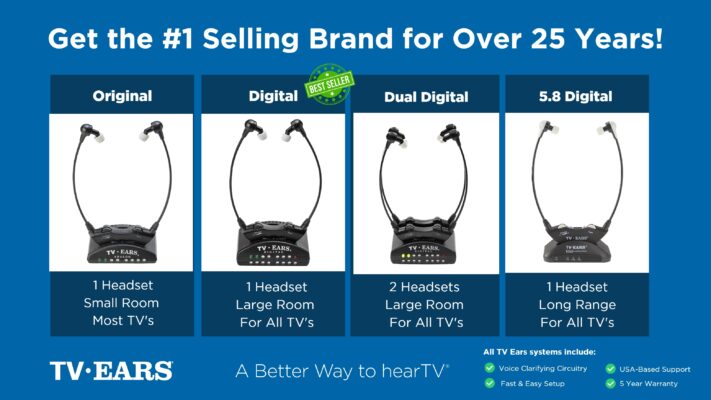 Ready to take your TV audio to the next level? Explore our Wireless Headphones and Headsets collection today! And don’t miss our custom audiologist-designed speaker system. At TV Ears, we are committed to ensuring that everyone can enjoy TV to the fullest. Our range of speakers for TV and wireless headphones and headsets are designed to cater to diverse needs and preferences, making your home entertainment experience truly exceptional. Don’t let hearing difficulties or differing audio preferences hold you back from enjoying your favorite shows and movies. Explore TV Ears’ solutions and rediscover the joy of TV-watching.
More Tips for Better Home Entertainment
If you’re passionate about enhancing your TV-watching experience, you won’t want to miss our other blog posts. We regularly publish articles on the latest audio technology, home entertainment tips, and more. Check out our latest blogs below:
The Wireless Wonders: Unleash the Magic of Wireless Headphones!
The Wireless Headphones for TV Experience: Elevate Your Entertainment!
Hear Every Word Clearly: Exploring Fun TV Listening Devices for Hearing Impaired
Don’t miss out on valuable insights and tips from TV Ears experts. Investing in the right speaker for your TV can dramatically enhance your home entertainment experience. Whether you’re an audiophile or simply want to enjoy your favorite shows and movies with exceptional sound, a speaker for TV is a worthwhile addition to your setup. Explore TV Ears’ wide range of speakers, headphones and headsets today and start enjoying TV like never before.
Frequently Asked Questions
Will a soundbar really make it easier to hear conversations on TV? Yes, it absolutely can. The main reason dialogue gets lost is that the tiny, downward-facing speakers in modern TVs just can’t produce clear audio. A soundbar is a significant upgrade because it directs sound forward, toward you. For an even bigger improvement, look for a soundbar with a dedicated center channel (often labeled as a 3.1 system). This channel is specifically designed to handle dialogue, making voices sound crisp and distinct from background music and sound effects.
My main issue is that I need the TV louder than my partner. Won’t a new speaker system just make it louder for both of us? This is a common problem, and you’re right—a traditional soundbar or surround sound system improves the audio for the entire room. While that’s great for movie night, it doesn’t solve the volume disagreement. This is where personal listening devices, like wireless TV headphones or neckband speakers, are the perfect solution. They deliver clear audio directly to you, allowing you to set your own perfect volume without affecting what anyone else in the room hears.
I’m not very technical. Is setting up a wireless speaker system complicated? Not at all. Most modern wireless speakers are designed to be incredibly user-friendly. The setup usually involves plugging the main unit (like a soundbar or transmitter) into your TV and a power outlet. Then, you simply follow a few on-screen or app-based instructions to connect the speaker to your Wi-Fi or pair it via Bluetooth. It’s typically a straightforward process that takes just a few minutes to complete.
What’s the real difference between a wired and a wireless speaker? Is one always better? Neither one is universally “better”—it just depends on your priorities. A wired connection offers the most stable and reliable sound with no risk of interference or audio lag. If your main goal is pure, uninterrupted audio quality, wired is a fantastic choice. Wireless speakers, on the other hand, offer incredible flexibility and a clean, clutter-free look. They let you place speakers anywhere without running cables, which is a huge plus for convenience and room design.
With all the options like Dolby Atmos and surround sound, how do I know what I actually need for clearer dialogue? It’s easy to get lost in the technical terms. While features like Dolby Atmos create an amazing, immersive movie-theater experience, they can sometimes make dialogue harder to follow by adding more ambient sound. If your primary goal is simply to hear conversations clearly, focus on features specifically designed for voice clarity. Look for systems with a dedicated center channel or products that advertise “voice enhancement” or “dialogue clarification” technology, as these will directly address the problem of muffled speech.
Key Takeaways
- Upgrade from Your TV’s Built-in Speakers: Modern flat-screen TVs have tiny, weak speakers that muddle dialogue. The single best way to end the volume battle is to use an external speaker that’s actually designed for clear, powerful sound.
- Decide Who You’re Solving For: If everyone struggles to hear, a soundbar will improve the audio for the whole room. If the volume issue is just for one person, a personal listening device delivers clear sound directly to them without disturbing others.
- Focus on Features that Matter: Look for practical settings like “voice enhancement” or “dialogue clarity” to make conversations easier to follow. Also, consider the trade-off between a stable wired connection and the placement freedom of a wireless system.