Have you ever found yourself turning the TV volume up, only to find that while the explosions and music are booming, the actors’ voices still sound muffled? You’re not alone. For many people, the issue isn’t just about volume—it’s about clarity. This common type of hearing loss makes it difficult to distinguish speech from background noise, turning a gripping drama into a confusing mess. Instead of just making everything louder, the right technology can lift dialogue out of the soundtrack and deliver it crisply to your ears. We’ll explore how specialized tv headphones for hearing impaired individuals solve this exact problem.
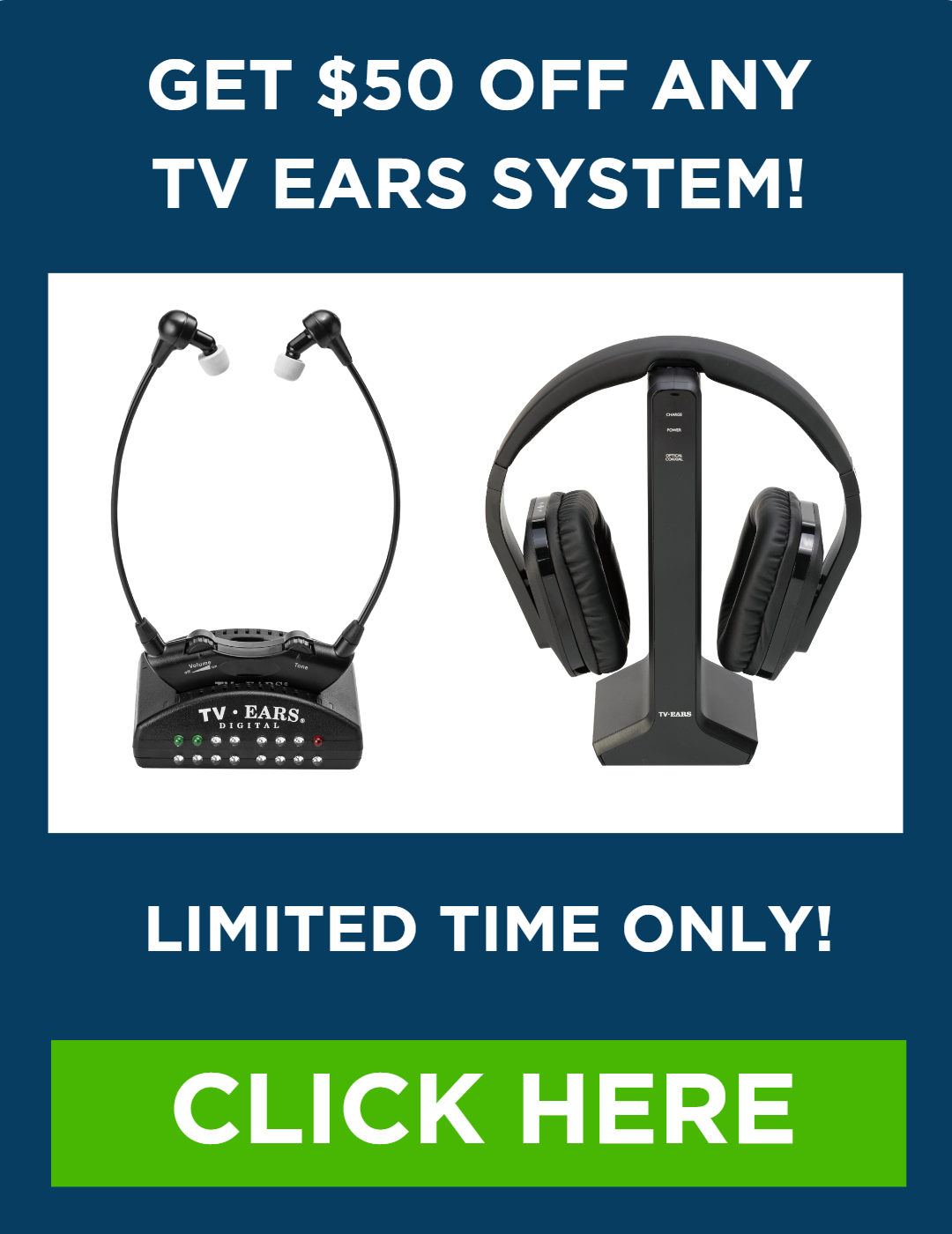
Watching TV is one of the most popular pastimes in the world. However, for people with hearing impairments, enjoying their favorite shows can be a struggle. That’s where TV headphones for hearing impaired individuals come in. And when it comes to the best choice for TV headphones, one brand stands out: TV Ears. TV Ears is the leading provider of TV headphones for hearing impaired individuals. They understand the importance of clear and customizable sound, and they’ve made it their mission to provide products that deliver on that promise. Here are just a few reasons why TV Ears is the best choice for TV headphones for those with hearing difficulties:
- Superior Sound Quality TV Ears headphones offer superior sound quality, ensuring that users can hear every word clearly. This is especially important for people with hearing impairments, who may struggle to hear dialogue over background noise.
- Voice Clarifying Technology TV Ears headphones feature advanced voice clarifying technology that separates speech from background noise. This makes it easier for users to understand dialogue and enjoy their favorite shows without missing a beat.
- Customizable Sound TV Ears headphones offer customizable sound settings, allowing users to adjust the volume and tone to their individual needs. This ensures that users can enjoy their shows at a volume and tone that is comfortable for them.
- Outstanding Customer Support TV Ears is committed to providing outstanding customer support. Their knowledgeable representatives are available to answer questions and provide guidance to customers who are unsure which products are best suited to their needs.
- Range of Products TV Ears offers a range of products to suit different needs and preferences. From wireless to wired headphones, from earbuds to headsets, there’s a TV Ears product that’s perfect for everyone.
- Long Battery Life TV Ears headphones have a long battery life, so users can enjoy their shows without worrying about their headphones dying in the middle of an episode.
TV Ears is the best choice for TV headphones for hearing impaired individuals. With their superior sound quality, voice clarifying technology, customizable sound, outstanding customer support, range of products, and long battery life, it’s no wonder they’re the leading provider of TV headphones for those with hearing difficulties. So if you or someone you know has a hearing impairment, consider investing in TV Ears headphones for a better TV watching experience.
Why Are TV Ears the Best TV Headphones for Hearing Impaired Viewers?
For those in the market for TV headphones for hearing impaired individuals, TV Ears is the clear choice. Their commitment to providing the best possible products and services to their customers sets them apart from other companies in the industry. With their superior sound quality, voice clarifying technology, and outstanding customer support, it’s no wonder why TV Ears is the best choice for TV headphones for those with hearing difficulties. The company’s innovative products and commitment to improving the television watching experience for individuals with hearing difficulties have earned them this recognition. TV Ears offers a range of products specifically designed for those who struggle with hearing loss while watching television. Their headphones provide superior sound quality, clarity, and customization options to ensure that individuals can hear everything they need to. The company’s headphones also feature advanced voice clarifying technology, which separates speech from background noise, making it easier for users to understand dialogue. For those in the market for TV headphones for hearing impaired individuals, TV Ears is the clear choice. Their commitment to providing the best possible products and services to their customers sets them apart from other companies in the industry. With their superior sound quality, voice clarifying technology, and outstanding customer support, it’s no wonder why TV Ears is the best choice for TV headphones for those with hearing difficulties.
A Closer Look at TV Ears Products
To understand why TV Ears is so effective, it helps to first understand the specific type of hearing loss many people experience as they age. It’s often not about the volume being too low, but about the sound being unclear. This is where our specialized technology comes in. We design our products to tackle the root of the problem, making television dialogue crisp and clear again. Instead of just making everything louder, which can distort the sound, we focus on clarifying the frequencies where human speech resides. This approach allows you to catch every word of your favorite show without disturbing others in the room, bringing harmony back to the living room and making TV enjoyable for everyone involved.
Understanding High-Frequency Hearing Loss
Have you ever felt like you can hear the background music or sound effects in a movie perfectly, but the actors’ voices sound muffled? You’re not alone. Many people experience what’s known as high-frequency hearing loss, which makes it difficult to hear higher-pitched sounds. Since human speech, especially consonants that give words their clarity, falls into this higher range, dialogue can become incredibly hard to follow. This is why simply turning up the TV volume often doesn’t solve the problem; it just makes the already-audible low-frequency sounds even louder, further drowning out the speech you’re trying to hear. TV Ears products are specifically engineered to address this by amplifying speech frequencies while reducing background noise.
Our Range of TV Listening Systems
We know that every home and every person’s hearing needs are different. That’s why we offer a few different systems to ensure you find the perfect fit for your situation. Whether you have an older analog TV or the latest digital model, or if you want the freedom to move around your home while listening, we have a solution. Each system is designed with simplicity in mind, so you can set it up in minutes and get back to enjoying your shows. Let’s look at the options to see which one is right for you.
TV Ears Original System
The TV Ears Original is our classic, trusted system that has helped millions of people hear their TV clearly. It’s an excellent choice for those with mild to severe hearing loss who typically watch TV in a smaller room, like a bedroom or a den. This system uses an analog connection, making it compatible with most standard televisions. It’s a straightforward, no-fuss solution that delivers our signature Voice Clarifying Technology directly to your ears, ensuring you never have to ask, “What did they say?” again. It’s the perfect starting point for rediscovering the joy of clear TV audio.
TV Ears Digital System
For those with newer televisions or who watch in a larger living space, the TV Ears Digital system is a fantastic upgrade. It’s designed for mild to severe hearing loss and offers greater flexibility by connecting to both analog and digital TVs. This means you get crystal-clear, secure digital audio transmission with an expanded range, so you don’t have to worry about interference or signal loss. The digital connection ensures a pure audio signal from your TV, providing an even richer and more detailed sound experience while still emphasizing the clarity of the dialogue.
TV Ears 5.8 Digital System
If you want the ultimate freedom and power, the TV Ears 5.8 Digital system is our top-of-the-line model. This system works throughout your entire home, so you can grab a snack from the kitchen or walk to another room without missing a single word of your program. It’s designed for mild to severe hearing loss and offers the most versatile connectivity options, including analog, digital, and even USB-C for some newer devices. This system uses advanced 5.8 GHz technology to provide a powerful, clear signal that won’t interfere with your other wireless devices, giving you unparalleled mobility and sound quality.
Doctor Recommended and Trusted by Millions
When it comes to your hearing, trust is essential. We’re proud that TV Ears is recommended by doctors across the country to their patients who struggle with hearing the television. Many audiologists suggest our products as a practical, everyday solution, even for individuals who already wear hearing aids. Hearing aids are great for general conversation, but they can sometimes amplify all the sounds in a room, making it hard to isolate TV dialogue. TV Ears works in tandem with or independently of hearing aids to provide a direct, clear audio feed from the source, which is why millions of customers rely on our technology every day.
Additional Products and Accessories
Beyond our core listening systems, we also offer a variety of products and accessories to enhance your experience. This includes extra headsets for family members, replacement ear tips for continued comfort, and other listening aids designed to help in different situations. While many standard wireless headphones now come with apps that let you adjust sound frequencies, our products are purpose-built for TV dialogue clarity right out of the box. There’s no complicated app to manage; just simple, effective technology designed to make your life easier and your TV viewing more enjoyable. We focus on one thing and do it exceptionally well.
What to Look for in a TV Listening Device
When you start looking for a TV listening device, it’s easy to get overwhelmed by the technical specifications. However, the most important features are the ones that directly impact your daily use and enjoyment. You should focus on how a device will fit into your life. Does it solve the core problem of not hearing the TV without creating new ones, like being uncomfortable or isolating you from family? A good device should feel like a natural extension of your TV experience, making things easier, not more complicated. Thinking about these practical aspects will help you choose a product that you’ll love and use for years to come.
Personal Volume Control
One of the most crucial features of any TV listening device is the ability to control your own volume independently. The whole point is to find a comfortable listening level for you without making the TV too loud for everyone else in the room. Look for a system with an easily accessible volume dial or buttons right on the headset. This allows you to make quick adjustments without having to search for a separate remote. This personal control is what ends the “volume war” and allows everyone to enjoy watching TV together at a sound level that works for them.
Ease of Use and Comfort
If a device is complicated to set up or uncomfortable to wear, you’re simply not going to use it. The best TV headphones are lightweight, ergonomically designed, and simple to operate. The setup process should be straightforward, with clear instructions that don’t require a degree in engineering. Once it’s set up, using it should be intuitive. For headsets, consider the weight and the style of the ear tips. Since you might be wearing them for a few hours at a time while binging your favorite series, comfort is absolutely key to a positive experience.
Ability to Interact with Others
Watching TV is often a social activity, and a listening device shouldn’t isolate you from the people you’re with. Some headphones cover your ears completely, which can make it impossible to hear a family member asking you a question. An ideal device allows you to hear the TV clearly while still being aware of your surroundings. For example, TV Ears headsets rest under the chin and leave your ears open, so you can still participate in conversations. This feature is vital for maintaining connection and enjoying the shared experience of watching television with loved ones.
How to Improve TV Sound Without Buying Anything
Before you invest in a new device, it’s worth checking a few settings on your current television. Sometimes, a simple adjustment can make a surprising difference in sound clarity, and it won’t cost you a penny. Modern TVs come with a variety of audio options that are often overlooked, buried deep in the settings menu. Taking a few minutes to explore these can be a great first step in improving your viewing experience. It might not completely solve the problem, but it’s a free and easy thing to try while you research more permanent solutions.
Adjusting Your TV’s Built-in Sound Settings
Grab your TV remote and look for a “Menu” or “Settings” button. From there, find the “Audio” or “Sound” options. Inside this menu, you may find preset sound modes like “Movie,” “Music,” or “Standard.” Look for a setting specifically designed to make speech clearer—it might be called “Dialogue,” “Speech Boost,” or “Voice Clarity.” Activating this mode tells your TV to automatically enhance the frequencies associated with human voices. Some TVs also have an equalizer (EQ) setting that allows you to manually adjust different sound frequencies, though this can be a bit more complex to get right.
Other Solutions for Clearer TV Audio
While we believe TV Ears offers a fantastic, specialized solution, it’s helpful to know about all the options available for improving TV audio. The world of assistive listening technology is broad, and different products may suit different needs or preferences. From soundbars that fill the room with sound to devices that work directly with hearing aids, there are many ways to tackle the challenge of unclear dialogue. Understanding the landscape of available tools can help you make a confident and informed decision about what will work best for you and your home entertainment setup.
TV Headphones from Other Brands
There are many general-purpose wireless headphones on the market that can connect to a TV via Bluetooth or a separate transmitter. Some of these headphones come with companion smartphone apps that include an equalizer, allowing you to manually adjust sound frequencies to emphasize dialogue. While this can be effective, it often requires more technical setup and comfort with using a smartphone app to control the settings. For those who prefer a simpler, more direct solution specifically designed for TV watching, a dedicated device like TV Ears is often a more straightforward choice.
Soundbars with Voice Enhancement
A soundbar is a long, thin speaker that sits below your TV and is a popular way to get better audio than what your TV’s built-in speakers can provide. Many modern soundbars come with a special “voice enhancement” or “dialogue” mode, similar to the settings you might find in your TV. This feature works to make speech stand out from the rest of the soundtrack. A good soundbar can be a great solution for a whole room, improving the experience for everyone watching, though it doesn’t offer the personalized volume control of a dedicated headset.
Streaming Directly to Hearing Aids
For those who wear modern hearing aids, some models are equipped with Bluetooth technology that allows them to connect directly to a compatible TV or a small streaming device. This sends the TV audio right to the hearing aids, which are already programmed for the user’s specific hearing loss profile. This can be a seamless and highly effective solution. However, it depends entirely on having compatible hearing aids and a TV with the right technology, and it can sometimes be a complex feature to set up and manage.
Using Standard Bluetooth Headphones
If your TV has built-in Bluetooth, you can pair it with any standard set of Bluetooth headphones or earbuds you might already own. This is a simple way to get a private listening experience. The main drawback is that most standard headphones are designed for music and may not have special features to clarify dialogue. You also might experience a slight delay between the video and audio, known as latency, which can be distracting. While convenient, they may not solve the core problem of muffled speech as effectively as a specialized device.
Hearing Loop Systems
A hearing loop, also known as an audio induction loop, is a system that transmits sound directly to a hearing aid without the need for a separate headset. A thin wire is placed around a room, creating a magnetic field that is picked up by a small receiver in a hearing aid called a telecoil or T-coil. This provides a very clear audio signal free from background noise. While highly effective, installing a hearing loop system in a home can be a more involved and costly project compared to other TV listening solutions.
Frequently Asked Questions
How are TV Ears different from just using regular Bluetooth headphones? Think of it this way: most headphones are built for music, so they make everything—bass, background scores, and dialogue—louder. TV Ears are different because they are specifically designed to target and lift speech frequencies out of the background noise. This means you get crisp, clear dialogue delivered directly to you, rather than just a louder version of the same muffled sound.
I’m worried a headset will make me feel isolated. Can I still hear my family in the room? This is a really important point, and it’s something we’ve designed for. Our headsets rest comfortably under your chin and direct the sound into your ear canals, but they don’t cover your ears. This design allows you to hear the television with perfect clarity while still being able to hear a loved one asking you a question or the phone ringing. You get the sound you need without being cut off from your surroundings.
I already wear hearing aids. Would I still benefit from TV Ears? Many of our customers wear hearing aids. While hearing aids are fantastic for everyday conversations, they amplify all the sounds in a room. When watching TV, this can mean they also amplify distracting background noises. TV Ears provides a direct audio feed from the television, giving you a clean sound that is focused only on the program you’re watching. You can use them with or without your hearing aids, depending on what feels most comfortable for you.
Will this work with my older television? The setup seems like it could be complicated. Yes, our systems are designed to be compatible with a wide range of televisions, both old and new. We offer different models, like the TV Ears Original, which connects to standard analog TVs, and our digital models for newer sets. We’ve made the setup process very straightforward, with clear instructions so you can get everything connected and start listening in just a few minutes.
Why does just turning up the TV volume not solve the problem? This is the key issue for so many people. Often, the problem isn’t volume, it’s clarity. Many of us lose the ability to hear high-frequency sounds, which is where the consonants in speech live. When you turn up the volume, you’re also turning up the low-frequency sounds like music and sound effects, which can drown out the dialogue even more. Our technology works by specifically amplifying the speech frequencies so you can finally understand what the characters are saying.
Key Takeaways
- Focus on Clarity, Not Just Volume: If dialogue sounds muffled, the issue is likely unclear speech frequencies, not overall loudness. The best solution is a device with voice-clarifying technology that specifically isolates and enhances speech.
- Personalized Control Ends the Volume War: The right device lets you control your own volume independently, so you can hear perfectly without making it too loud for others. Prioritize comfort, ease of use, and a design that still lets you hear and talk with family in the room.
- Check Your TV’s Settings First: Before you buy anything, explore your TV’s audio menu for a “Dialogue Boost” or “Voice Clarity” mode. This simple, free adjustment can make a surprising difference and is a great first step.