The frustration of constantly asking people to repeat themselves or turning the TV volume up so high that it bothers everyone else in the room is a common story. These daily challenges can make you feel disconnected from conversations and entertainment. The good news is that there is a clear path to finding a solution, and it begins with a comprehensive hearing aid evaluation. This isn’t just a simple test; it’s a deep look into your specific hearing loss and how it affects your life. Understanding this process is key to finding a hearing aid that truly works for you. Here, we’ll explain each step of the evaluation so you know exactly how to get the answers you need.
A Comprehensive Guide to the Vital Hearing Aid Evaluation Process
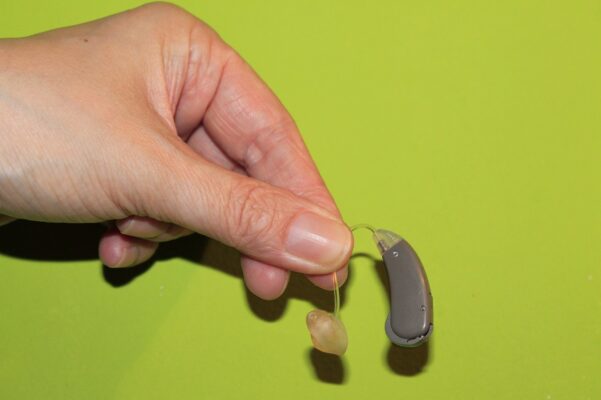
If you find yourself constantly asking “what did they say?” while watching TV or chatting with family, you’re not alone. Hearing loss is a common part of life for many people. In fact, about 15 out of every 100 American adults report some difficulty with their hearing. Recognizing that you might need some help is the first and most important step. The next is understanding what hearing aids can—and can’t—do. It’s a common misconception that a hearing aid will restore your hearing to what it once was. Instead, think of it as a personal sound amplifier that makes things louder and clearer, helping you engage more fully with the world around you.
What to Expect from a Hearing Aid
It’s helpful to set realistic expectations for what a hearing aid can do. As experts from the Mayo Clinic explain, hearing aids don’t bring back full hearing. Instead, their primary job is to make sounds louder so you can hear them better. They are sophisticated devices designed to amplify the specific frequencies where you have hearing loss, which can make speech much easier to understand. While they are incredibly helpful, they won’t completely eliminate background noise or make your hearing perfect. Adjusting to a hearing aid takes time and patience, but for many, it’s a life-changing tool that reconnects them with conversations, sounds, and people they love.
How Digital Hearing Aids Work
You might be curious about the technology inside these small devices. Modern digital hearing aids are essentially tiny computers. They all operate on a similar principle: a microphone picks up sound from your environment, a computer chip processes and amplifies that sound based on your specific hearing needs, and a speaker sends the enhanced sound into your ear. This digital processing is what makes them so effective. The chip can distinguish between different types of sounds, like speech and background noise, and adjust the amplification accordingly to give you a clearer, more comfortable listening experience.
A Note on Over-the-Counter (OTC) Options
Recently, you may have seen hearing aids available for purchase over the counter without a prescription. These OTC options are designed for adults aged 18 and older who believe they have mild to moderate hearing loss. While they offer a more accessible starting point, it’s important to know that they typically come in fewer styles and have more limited features than prescription hearing aids. If you’re unsure about the level of your hearing loss or want a solution tailored specifically to you, a professional evaluation is still the best path forward to ensure you get the right device and support.
Preparing for Your Hearing Evaluation
Before you even step into an audiologist’s office, there’s one important preliminary step to take. The journey to better hearing should begin with a visit to your primary care physician or an otolaryngologist (an ear, nose, and throat doctor, or ENT). Hearing loss can sometimes be caused by treatable medical conditions, such as an ear infection, fluid, or even excess earwax. A medical doctor can perform an examination to rule out these underlying issues. This ensures that you’re addressing the root cause of the problem and confirms that a hearing aid is the appropriate next step for your situation.
First, See a Medical Doctor
Think of this initial doctor’s visit as laying the groundwork for your hearing health. Your doctor will check for any physical blockages or medical conditions that could be impacting your ability to hear clearly. According to the Mayo Clinic, it’s important to rule out correctable causes of hearing loss before moving forward with a hearing aid. If your hearing loss is simply age-related or due to noise exposure, your doctor will give you the green light to see an audiologist. This step ensures you’re investing time and money in the right solution and gives you peace of mind as you proceed.
What to Expect During the Evaluation
Once you have the all-clear from your medical doctor, it’s time to schedule your hearing evaluation with a licensed audiologist. This appointment is nothing to be nervous about; it’s a thorough and painless process designed to get a complete picture of your hearing abilities. The audiologist’s goal is to understand your unique challenges and find the best possible solution for you. The evaluation is a mix of conversation and testing. You’ll discuss your hearing history, your lifestyle, and the specific situations where you struggle to hear, and then you’ll move on to a series of simple tests to measure your hearing precisely.
Your Comprehensive Hearing Case History
The first part of your evaluation will feel like a friendly conversation. The audiologist will ask you a series of questions about your health and hearing history. This is often called a “comprehensive hearing case history,” and it’s a crucial step. You might be asked about any family history of hearing loss, your exposure to loud noises at work or recreationally, and whether you experience symptoms like ringing in your ears (tinnitus) or dizziness. Be open and honest—the more information you provide, the better the audiologist can understand your needs and tailor the testing and recommendations specifically for you.
The Hearing Test Battery
After discussing your history, you’ll move on to the hearing tests themselves. An audiologist won’t rely on a single test to understand your hearing. Instead, they use a series of different assessments, known as a “test battery.” This approach is essential because each test provides a unique piece of the puzzle. Using a test battery approach ensures a complete and accurate diagnosis of your hearing loss. You’ll likely be in a sound-treated room wearing headphones for most of these tests, which are simple and don’t require any special preparation on your part.
Otoscopy
One of the first and simplest tests is the otoscopy. The audiologist will use a special tool called an otoscope to look inside your ear canals. They are checking for anything that could be physically obstructing your hearing, such as excess earwax, fluid behind the eardrum, or any signs of injury or infection. This quick, painless visual inspection helps ensure that your ear canal and eardrum are healthy and ready for further testing. It’s a fundamental part of the evaluation that confirms the path for sound is clear.
Pure-Tone Testing
This is the test most people think of when they imagine a hearing test. During pure-tone testing, you’ll wear headphones and listen for a series of beeps, or pure tones, at different pitches and volumes. Your job is simple: raise your hand or press a button whenever you hear a sound, no matter how faint. This test helps the audiologist determine your hearing threshold—the softest sound you can hear—at various frequencies. The results are plotted on a graph called an audiogram, which visually represents your unique hearing profile.
Speech Recognition Tests
Hearing tones is one thing, but understanding speech is what matters most in our daily lives. That’s why your evaluation will include speech recognition tests. For these, you’ll listen to recorded words at different volumes and be asked to repeat them. This test measures how well you can understand speech in a quiet environment. It helps the audiologist determine how much your hearing loss is impacting your ability to communicate effectively and is a key factor in programming your future hearing aids for optimal clarity.
Reviewing Your Results and Audiogram
After the tests are complete, the audiologist will walk you through your results. They will show you your audiogram, the chart that maps your hearing thresholds, and explain what it all means in practical terms. This is your opportunity to ask questions and truly understand the nature of your hearing loss. A good audiologist will make sure you feel comfortable and informed. You should expect to receive a written report summarizing the findings, which you can take home to review. This conversation is the bridge between diagnosis and finding the right solution.
Choosing the Right Hearing Aid
If the evaluation confirms that a hearing aid is the right solution for you, the next step is choosing a device. This can feel overwhelming at first, as there are many different styles and features available. However, your audiologist will be your guide, helping you narrow down the options based on your specific hearing loss, lifestyle, budget, and even your dexterity. The goal is to find a hearing aid that not only improves your hearing but also fits comfortably and seamlessly into your daily life. The right choice is a balance of technology, comfort, and personal preference.
Common Hearing Aid Styles
Hearing aids are not one-size-fits-all. They come in a variety of styles, each with its own set of advantages. Your audiologist will help you decide which is best for you, but it’s helpful to be familiar with the most common options. The main differences lie in their size, where they are placed in or on the ear, and the level of amplification they can provide. Some people prioritize discretion, while others may need a larger, more powerful device that’s easier to handle. Let’s look at a few of the most popular styles.
Completely in the Canal (CIC)
For those who value discretion, the Completely-in-the-Canal (CIC) style is one of the smallest and least visible options available. As the name suggests, it fits entirely inside your ear canal, making it nearly invisible to others. This style is best suited for individuals with mild to moderate hearing loss. Because of its small size, it may not have room for extra features like directional microphones or a volume control wheel, and the tiny batteries can be challenging for people with dexterity issues to change.
In the Ear (ITE)
In-the-Ear (ITE) hearing aids are custom-made to fit within the outer part of your ear bowl. They are slightly larger than CIC models, which makes them easier to handle and allows for more features, such as volume control and directional microphones. ITEs are suitable for a wider range of hearing loss, from mild to severe. Their larger size and longer battery life make them a practical choice for many people who want a balance of features and ease of use.
Behind the Ear (BTE)
Behind-the-Ear (BTE) is one of the most common and versatile hearing aid styles. A small plastic case sits behind your ear, housing all the electronic components, and a clear tube connects it to a custom-fit earmold that sits in your ear canal. BTEs are robust, easy to handle, and can accommodate the most severe levels of hearing loss. They are a popular choice for both adults and children due to their durability and power.
Receiver in Canal (RIC)
Receiver-in-Canal (RIC) models are similar to BTEs, but with a key difference: the speaker (or receiver) is placed directly in the ear canal instead of in the main housing behind the ear. This allows the behind-the-ear component to be much smaller and more discreet. A tiny, thin wire connects the two parts. RICs are known for providing a very natural sound quality and are one of the most popular styles on the market today, suitable for mild to severe hearing loss.
Important Features to Look For
Beyond the style, modern hearing aids offer a range of features designed to improve your listening experience in different environments. When discussing options with your audiologist, you’ll want to consider which features will be most beneficial for your daily activities. Think about the situations where you struggle most—is it in noisy restaurants, on the phone, or while watching TV? The right combination of features can make a significant difference in how well your hearing aids perform for you. Let’s explore some of the most important ones.
Noise Reduction and Directional Microphones
Two of the most valuable features for anyone who spends time in busy environments are noise reduction and directional microphones. Noise reduction technology helps to distinguish speech from background noise, making conversations in restaurants or family gatherings much clearer. Directional microphones work by focusing on sounds coming from in front of you while reducing sounds from the sides and behind. Together, these features help you zero in on the conversation you want to hear, making social situations far less frustrating and more enjoyable.
Rechargeable Batteries
One of the most convenient advancements in hearing aid technology is the availability of rechargeable batteries. Instead of dealing with tiny, disposable batteries that need to be changed every few days, you can simply place your hearing aids in a charging dock overnight, just like you would with your smartphone. This feature is especially helpful for people who have difficulty with dexterity or vision. It eliminates the ongoing cost and hassle of buying batteries and ensures your devices are ready to go every morning.
Wireless Connectivity and Telecoils
Many modern hearing aids come with wireless connectivity, typically through Bluetooth. This allows you to stream audio directly from your smartphone, tablet, or television to your hearing aids, turning them into a personal set of high-quality wireless earbuds. A telecoil is another useful feature. It’s a small copper coil that allows your hearing aid to connect directly to sound systems in public venues like theaters, airports, and places of worship that are equipped with a hearing loop, delivering clear sound right to your ears without background noise.
Navigating Costs and Purchasing
Once you’ve identified the right hearing aid style and features for your needs, the next consideration is the cost. It’s no secret that hearing aids are a significant financial investment, and it’s important to go into the purchasing process with a clear understanding of the expenses involved. The total cost includes not just the devices themselves, but also the professional services of the audiologist, such as the evaluation, fitting, and follow-up appointments. Being prepared for these costs can help you make a confident decision without any surprises down the line.
How Much Does a Hearing Evaluation Cost?
The first expense you’ll encounter is the hearing evaluation itself. While prices can vary depending on your location and the specific clinic, the average cost for a comprehensive hearing test in the U.S. is around $151. Some insurance plans may cover this cost, so it’s always a good idea to check with your provider beforehand. This evaluation is a critical investment in your hearing health, as it provides the detailed diagnosis needed to select and program your hearing aids correctly for the best possible outcome.
The Price of Hearing Aids
The price of hearing aids can vary widely, from several hundred to several thousand dollars per device. On average, you can expect to pay around $1,354 for an analog hearing aid and $2,114 for a digital one. The final price depends on the level of technology, the style, and the features you choose. Remember that this price typically includes the hearing aids themselves, the professional fitting, follow-up adjustments, and a warranty. While it’s a considerable expense, think of it as an investment in your quality of life and your ability to connect with the world around you.
Will Insurance Cover the Cost?
This is one of the most common questions, and unfortunately, the answer isn’t always straightforward. Some private health insurance plans offer partial or full coverage for hearing aids, but many do not. It’s important to know that Original Medicare (Part A and Part B) does not cover the cost of hearing aids for adults. You’ll need to review your specific insurance policy or call your provider to understand your benefits. Don’t hesitate to ask the audiologist’s office for help; they often have staff who are experienced in dealing with insurance and can help you determine your coverage.
Ask About a Trial Period and Warranty
A hearing aid is a device you’ll be using every day, so it’s essential that you’re happy with it. Most states legally require a trial period of 30 to 60 days, which allows you to test the hearing aids in your own environment. Before you buy, make sure you get written details about the trial period, including the total cost, how much of that is refundable if you return the devices, and any non-refundable fees. Also, confirm the length of the warranty, which typically covers repairs and may include one-time loss or damage protection.
Adjusting to Life with Hearing Aids
Bringing home your new hearing aids is an exciting moment, but it’s also the beginning of an adjustment period. Your brain has grown accustomed to a quieter world, and it needs time to relearn how to process the new sounds you’ll be hearing. At first, everything might seem overwhelmingly loud, and even your own voice will sound different. This is completely normal. Being patient with yourself and the process is key. With consistent use, your brain will adapt, and the new sounds will begin to feel natural and comfortable.
The Adjustment Period
It takes time to get used to wearing hearing aids. The Mayo Clinic notes that your hearing will improve gradually as you become accustomed to the amplification. In the beginning, you might notice sounds you haven’t heard in years, like the ticking of a clock or the hum of the refrigerator. While this can be distracting at first, it’s a sign that your hearing aids are working. The goal is to wear them as much as possible during your waking hours to help your brain adapt more quickly. Follow-up appointments with your audiologist are crucial during this time to fine-tune the settings for your comfort.
Tips for Getting Used to Your Device
To make the adjustment period smoother, try to wear your hearing aids consistently every day. Start by wearing them for a few hours at a time in quieter environments, like your home, and gradually increase the duration and venture into more challenging listening situations. Practice having conversations with one person before trying to follow a group discussion. Reading aloud to yourself can also help you get used to the sound of your own voice. Don’t be afraid to experiment with the volume and settings, and be sure to communicate with your audiologist about what is and isn’t working for you.
Improving Your TV Experience in the Meantime
The process of getting hearing aids, from the initial evaluation to the final fitting and adjustment, can take some time. While you’re waiting, the daily frustration of not being able to clearly hear the television doesn’t have to continue. This is a common challenge, as TV audio often mixes dialogue, music, and sound effects, making it difficult for people with hearing loss to follow along. Turning up the volume can disturb others in the household and often just makes everything louder, not clearer. Fortunately, there are solutions designed specifically to solve this problem.
Clarifying TV Dialogue While You Wait
One of the biggest complaints from people with hearing loss is the inability to understand dialogue on television. The background music and sound effects can easily overpower the spoken words, leaving you struggling to keep up with the plot. This can turn a relaxing activity into a source of frustration and lead to what many families call the “volume wars.” While you’re on your journey to getting hearing aids, you can still enjoy your favorite shows. A dedicated TV listening device can bridge the gap, providing clear audio without impacting anyone else in the room.
How TV Ears Can Help
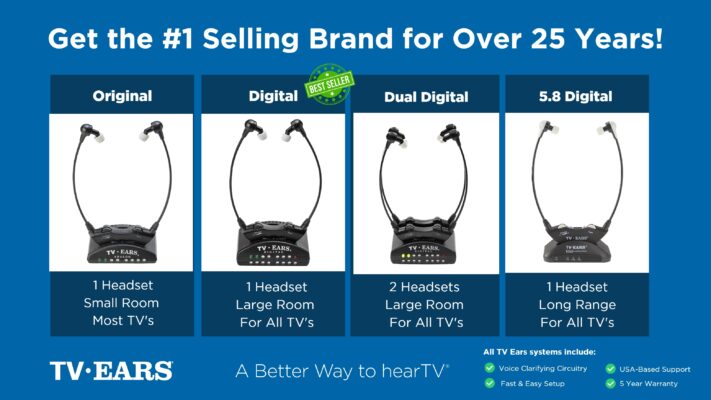
For over 25 years, TV Ears has been a trusted solution for this exact problem. Our wireless TV headsets use innovative Voice Clarifying Circuitry® to automatically lower background noise and amplify the frequencies of human speech. This means you get crisp, clear dialogue delivered directly to your ears. You can set the volume and tone to your personal preference without affecting the television’s main volume. It’s an ideal solution while you wait for your hearing aids, and many people continue to use TV Ears alongside their hearing aids for the best possible television experience.
Hear Your TV Better with top-rated, audiologist-designed systems that can help, find more at www.tvears.com.
Explore More from TV Ears
If you’re passionate about enhancing your TV-watching experience, you won’t want to miss our other blog posts. We regularly publish articles on the latest audio technology, home entertainment tips, and more. Check out our latest blogs below:
- TV Ears: The Perfect Choice for Wireless Headphones for a TV with Hearing Loss
- Hearing Aids Online: Your Ultimate Guide to Finding the Perfect Fit
- AudioFetch: A New Competitor in the TV Headset Market Challenges TV Ears
Don’t miss out on valuable insights and tips from TV Ears experts. Investing in the right speaker for your TV can dramatically enhance your home entertainment experience. Whether you’re an audiophile or simply want to enjoy your favorite shows and movies with exceptional sound, a speaker for TV is a worthwhile addition to your setup. Explore TV Ears’ wide range of speakers, headphones and headsets today and start enjoying TV like never before.
Frequently Asked Questions
Why do I need a full evaluation? Can’t I just buy one of those over-the-counter hearing aids? That’s a great question, especially since over-the-counter options are more common now. Think of it this way: an OTC device is a good starting point for someone who feels they have very mild hearing loss, but a professional evaluation is like getting a custom prescription. An audiologist can identify the precise nature of your hearing loss, rule out any underlying medical causes, and program a device specifically for your ears. This personalized approach ensures you get the best possible result and the right support for your hearing journey.
Will a hearing aid make my hearing perfect again? It’s helpful to think of a hearing aid as a powerful tool that helps you hear better, rather than a cure that restores your hearing completely. These devices are designed to amplify the specific sounds and frequencies you’ve been missing, which makes understanding speech much easier. While they won’t eliminate all background noise or make your hearing exactly what it was years ago, they can dramatically improve your ability to connect with people and enjoy the sounds around you.
How long does it really take to get used to new hearing aids? Adjusting to hearing aids is a gradual process, so patience is key. Your brain has gotten used to a quieter world and needs time to relearn how to process all the new sounds. In the beginning, everything from your own voice to the hum of the refrigerator might sound surprisingly loud. Most people find that after a few weeks of consistent daily use, things start to sound much more natural. It’s a unique journey for everyone, but sticking with it is what leads to success.
I’m worried about the cost. Are there any ways to make hearing aids more affordable? The cost is a valid concern, as hearing aids are a significant investment in your health. While Original Medicare doesn’t cover them, it’s always worth checking the details of your specific private insurance or Medicare Advantage plan, as some do offer benefits. Don’t hesitate to speak with the audiologist’s office about your budget. They are often aware of financing plans, community organizations, or state programs that can provide financial assistance.
Can I still use my TV Ears if I get prescription hearing aids? Absolutely! In fact, many people find that using both gives them the best possible television experience. Your hearing aids are fantastic for improving your hearing in all kinds of daily situations, while TV Ears are specifically engineered to isolate and clarify dialogue from TV shows. You can wear the headset right over many styles of hearing aids or simply take them out for a while to enjoy a show. They work together to ensure you never miss a word.
Key Takeaways
- Rule Out Medical Causes First: Your journey to better hearing should begin with a visit to your doctor or an ENT. They can check for and treat simple issues like earwax or an infection, ensuring a hearing aid is truly the right next step for you.
- Expect a Thorough Hearing Test: A true hearing evaluation is more than just listening for beeps. An audiologist uses a series of tests, including speech recognition, to get a complete picture of your hearing, which is essential for finding the right solution.
- Personalize Your Hearing Solution: The best hearing aid is one that fits your specific hearing loss, lifestyle, and comfort. While you find the perfect fit, a dedicated device like TV Ears can provide immediate relief for specific challenges like hearing TV dialogue clearly.