The market for sound-enhancing products can be confusing. You’ve likely seen ads for personal sound amplifiers that promise to help you hear everything better. However, these devices often amplify all sounds equally—the dialogue, the air conditioner, and the dog barking—which doesn’t solve the problem of unclear TV audio. A true solution focuses on clarifying speech, not just making everything louder. This is where dedicated TV listening systems and hearing aids on TV make a real difference. In this guide, we’ll cut through the noise and explain the key distinctions, helping you understand what to look for in a quality device that will genuinely improve your viewing experience.
How Do Hearing Aids for TV Work?
Hearing aids for TV are small electronic devices that help amplify and clarify audio from televisions for people with hearing impairments. They wirelessly connect to smart TVs via Bluetooth to receive the audio signal directly. The hearing aids then play the TV sound into the wearer’s ears at a customized, comfortable volume. Advanced directional microphones filter out background noise to make speech easier to distinguish. TV hearing aids have volume controls, rechargeable batteries, and discreet designs for comfortable long-term wear. This assistive hearing technology helps those with hearing difficulties better understand dialogue, plots, jokes, and conversation happening on their favorite shows. It transforms the television viewing experience for millions of people who have hearing loss.
Types of TV Listening Devices
When you start looking for a solution to hear the TV better, you’ll find a few different types of devices. It’s helpful to understand the main categories so you can choose the one that best fits your needs and any existing equipment you might have. Some options work with your current hearing aids, while others are completely independent systems. The goal for all of them is the same: to deliver clear audio directly to you, so you can set the volume to your perfect level without affecting anyone else in the room. Let’s walk through the most common types of TV listening devices available today.
TV Streamers for Hearing Aids
If you already wear hearing aids, a TV streamer might be the perfect accessory for you. These small devices are not hearing aids themselves, but rather accessories that connect to your television and wirelessly stream the audio directly to your existing hearing aids. Think of it like having a private, high-definition audio feed sent right to your ears. This direct connection is fantastic for cutting out room noise and focusing solely on the show’s dialogue and sound effects. Most major hearing aid brands offer their own compatible streamers, which allows you to hear dialogue clearly at your preferred volume without disturbing others.
Standalone Headset Systems
For those who don’t wear hearing aids or prefer a dedicated device just for television, standalone headset systems are an excellent choice. These systems typically include a transmitter base that plugs into your TV and a wireless headset that you wear while watching. Here at TV Ears, this is our specialty. Our systems are specifically engineered to clarify and amplify speech frequencies, making dialogue crisp and easy to understand. Because they are independent of hearing aids, they are a simple, all-in-one solution for anyone with mild to severe hearing loss who wants to enjoy television again without the frustration of muffled sound.
Neck Loop Systems
Neck loop systems are another great option for hearing aid users, particularly for those with devices that have a feature called a telecoil or “T-coil.” A neck loop is worn around your neck and connects to the TV’s audio output. It then creates a small, personal magnetic field that transmits the sound signal directly to your hearing aid’s telecoil. This technology provides a clear, direct audio link from the TV to your ear. It’s a reliable method that has been used for years and is especially effective in older hearing aids that are equipped with this special T-coil feature, ensuring a seamless listening experience.
The Difference Between Hearing Aids and Sound Amplifiers
It’s really important to understand that not all devices that make sound louder are the same. You’ll often see products marketed as “hearing aids” that are actually just personal sound amplification products, or PSAPs. While they might look similar, their technology and purpose are fundamentally different. A true hearing aid is a medical device designed to address a specific hearing loss profile, while a sound amplifier simply makes all the sounds in your environment louder. Knowing this distinction is key to finding a safe and effective solution for your hearing needs, whether for general use or just for watching TV.
Why “As Seen on TV” Hearing Aids Can Be Misleading
Many of the “As Seen on TV” hearing devices are sound amplifiers, not true medical hearing aids. The problem with this is that they amplify everything equally—the dialogue on the TV, the air conditioner humming, and the dog barking next to you. This can make the sound environment noisy and confusing, rather than clearer. A proper hearing aid is programmed to amplify only the specific frequencies where you have hearing loss, which is why they are so effective at improving speech clarity. Simply making all sounds louder doesn’t actually improve your ability to understand what’s being said.
Hearing Loss is a Medical Condition
Hearing loss is a medical issue, and it’s always best to get guidance from a professional. An audiologist can perform a hearing test to determine the exact nature of your hearing loss and recommend the right solution for you. While devices like TV Ears are designed to be a powerful solution for watching television, they are not a replacement for a medical hearing aid prescribed for all-day use. Think of it this way: you wear glasses to see better everywhere, but you might use a magnifying glass for a specific task. Similarly, a hearing aid helps you in all situations, while a TV listening device solves the specific challenge of hearing the television clearly.
Why Is It So Hard to Hear the TV?
There are a few key reasons why people with hearing impairments often strain to understand television programs:
- Background noise drowns out dialogue
- Speakers face away from the viewer
- Rapid, idiomatic speech is hard to decipher
- Musical scores and sound effects mask words
Trying to catch every word under these circumstances overworks your brain, leaving you exhausted after shows. But audio from your TV doesn’t have to be a constant struggle.
Why Simply Turning Up the Volume Isn’t a Solution
When you can’t quite catch what the characters are saying, your first instinct is probably to grab the remote and crank up the volume. While it seems like a simple fix, it often creates more problems than it solves. Blasting the sound doesn’t necessarily make dialogue clearer; it just makes everything louder, including the background music and sound effects that can drown out speech. This can lead to a distorted, muddled audio experience that still leaves you straining to follow the conversation. More importantly, a blaring television can be uncomfortable and disruptive for family, friends, or neighbors, creating tension in the household. A better approach is to use assistive listening devices designed to clarify audio and deliver it at a volume that’s perfect for you, without affecting anyone else in the room.
How TV Hearing Aids Make Dialogue Crystal Clear
Wireless Hearing aids on TV work seamlessly with your television to deliver pure, amplified sound right into your ears. This groundbreaking audio transmission technology includes:
- Bluetooth connectivity – Hearing aids pair directly with your smart TV to play its sound.
- Directional microphones – These filters clarify voices and reduce surrounding noise.
- Personalization – Programming is customized for your exact hearing needs.
- Rechargeable batteries – Long-life power cells provide 24 hours of access.
- Discreet size – Innovative miniaturization hides hearing aids.
With these small but mighty hearing devices, you’ll enjoy crisp dialogue, easier listening, and reduced frustration with your entertainment.
Enjoy Your Favorite Shows Again
Wireless hearing aids for television unlock key benefits for viewers who struggle with auditory processing issues, including:
- No more blaring volumes – Audio plays directly into your ears at personalized volumes.
- Less guessing games – Hear words clearly without filling-in-the-blank confusion.
- Increased entertainment – Follow plots and jokes with greater ease.
- Decreased isolation – Take part in real-time viewing conversations.
- Enhanced safety – React promptly to alerts and emergency broadcasts.
These advantages allow you to get the most out of relaxing screen time and shared viewing experiences.
How to Choose the Right Hearing Aids for Your TV
With this revolutionary assistive technology now readily available, you can equip your TV room for better listening success. As you search for the best Hearing aids on TV for your television setup, prioritize these factors:
- Set-up – Look for easy, intuitive pairing processes.
- Distance – Consider transmission reach and your room size.
- Speakers – Check for external speaker capabilities.
- Controls – Choose customizable volume, balance and EQ.
- Budget – Set an affordable price point for your lifestyle.
Every case of hearing loss is unique. By balancing these criteria, you can select clever hearing devices that amplify entertainment and minimize frustration.
Confirm Device Compatibility
Before you invest in a TV streaming solution, the first step is to check what your hearing aids can do. Many modern hearing aids come equipped with Bluetooth, allowing them to connect directly to a smart TV. However, others might require a specific intermediary device called a streamer, which is made by your hearing aid manufacturer. It’s important to confirm your device’s capabilities to ensure you purchase a compatible system. If this sounds complicated, you might prefer a standalone headset system, like TV Ears, which works independently from hearing aids and connects directly to your television, bypassing compatibility concerns altogether.
Check TV Connection Options
Next, take a look at the back of your television to see what kind of audio-out ports it has. Most modern TVs use a digital optical port (sometimes called TOSLINK), while older models might have red and white RCA jacks. The TV listening device you choose must be compatible with your TV’s available connections. In some cases, you may need to go into your TV’s settings menu to adjust the audio output, telling it to send sound to the port you’re using. This ensures the audio signal goes to your listening device instead of, or in addition to, the TV’s internal speakers.
Avoid Audio Delay (Latency)
Have you ever watched a video where the sound doesn’t quite match the speaker’s lips? That’s called audio delay, or latency, and it can be incredibly distracting. When streaming audio wirelessly, some delay is inevitable, but a high-quality device will keep it so minimal that it’s unnoticeable. Look for systems that advertise low-latency technology, as this is crucial for a natural viewing experience. A significant lag between what you see and what you hear can make it difficult to follow dialogue, defeating the purpose of using a listening device in the first place.
Consider the Wireless Range
Think about how you move around while the TV is on. Do you like to get up and grab a drink from the kitchen or fold laundry in the same room? The wireless range of your device will determine how far you can go from the television without losing the audio signal. Many systems offer a generous range, with some allowing you to move up to 50 feet away and still hear everything perfectly. A strong, reliable connection gives you the freedom to move about your home without being tethered to the couch, ensuring you never miss a critical line of dialogue.
Factor in Battery Life
Streaming audio directly to a listening device requires power, and it’s important to consider how you’ll manage it. Continuously streaming TV sound can use more battery life than normal, so you’ll want a system that can keep up with your viewing habits, especially if you enjoy settling in for a movie marathon. Look for devices with long-lasting rechargeable batteries and a convenient charging station. The last thing you want is for your headset to die in the middle of a suspenseful scene, so a reliable power source is a must-have for uninterrupted entertainment.
Look for Multi-User Features
If you live with a spouse, partner, or family member who also has difficulty hearing the television, a system that supports multiple users can be a fantastic solution. Some TV connectors are designed to broadcast the audio signal to several compatible hearing aids or headsets at the same time. This allows each person to listen at their own preferred volume without affecting the other. It’s an ideal feature for couples, as it resolves the “volume war” and allows everyone to enjoy their favorite shows together in comfort and clarity.
How Much Do TV Listening Devices Cost?
When you’re looking for a solution to hear the TV better, cost is naturally a big consideration. The good news is that there are options available for nearly every budget. The price of a TV listening device depends largely on the type of system you need. If you already wear hearing aids, you might be looking for an accessory that works with them. If you don’t wear hearing aids, or simply want a dedicated device for television, a standalone system might be the right fit. Let’s break down the typical costs for both categories so you can find what works for you.
TV Streamer Pricing
TV streamers are small devices that connect to your television and wirelessly send the audio directly to your hearing aids. This is a fantastic option if you already love your hearing aids and just need a way to get clearer TV sound. The price for these assistive TV products typically falls between $200 and $400, depending on the brand that’s compatible with your hearing aids. For example, you might find the Oticon TV Adapter 3.0 for around $215 or the Starkey StarLink TV Streamer for about $330. These accessories are designed to integrate seamlessly with your existing hearing technology, turning them into personal TV speakers.
Standalone System Pricing
If you don’t wear hearing aids or prefer a separate solution just for television, a standalone system is an excellent and often more affordable choice. These all-in-one kits usually include a transmitter that plugs into your TV and a lightweight headset that receives the sound. This approach allows you to control your own volume without affecting what others hear. At TV Ears, we specialize in these easy-to-use systems, with our Original System starting at just $109.95 and our Digital System at $179.95. These devices are designed to clarify dialogue and provide a rich sound experience, making them a popular alternative to more complex setups.
Ready to Hear What You’ve Been Missing?
Don’t let hearing difficulties prevent you from engaging with and enjoying your television to the fullest. With innovative hearable technology that works seamlessly alongside smart TVs, you can finally catch every word of dialogue, joke, and conversation. Browse through our shop to explore hearing aids tailored for your needs and budget. Ready to hear more from your favorite shows? The sound you’ve been missing has arrived with Hearing aids on TV!
Explore Our Wireless TV Headphones and Headsets
Discover the difference TV Ears wireless headphones and headsets can make in your TV-watching experience. Whether you’re looking for comfortable over-ear headphones or a compact, stylish headset, we have options to suit your needs. 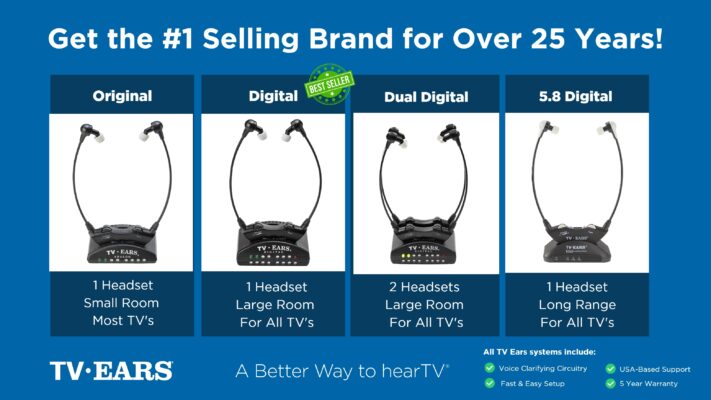 Ready to take your TV audio to the next level? Explore our Wireless Headphones and Headsets collection today! And don’t miss our custom audiologist-designed speaker system. At TV Ears, we are committed to ensuring that everyone can enjoy TV to the fullest. Our range of speakers for TV and wireless headphones and headsets are designed to cater to diverse needs and preferences, making your home entertainment experience truly exceptional. Don’t let hearing difficulties or differing audio preferences hold you back from enjoying your favorite shows and movies. Explore TV Ears’ solutions and rediscover the joy of TV-watching.
Stay Tuned for More TV Ears Insights
If you’re passionate about enhancing your TV-watching experience, you won’t want to miss our other blog posts. We regularly publish articles on the latest audio technology, home entertainment tips, and more. Check out our latest blogs below:
The Wireless Wonders: Unleash the Magic of Wireless Headphones!
The Wireless Headphones for TV Experience: Elevate Your Entertainment!
Hear Every Word Clearly: Exploring Fun TV Listening Devices for Hearing Impaired
Don’t miss out on valuable insights and tips from TV Ears experts. Investing in the right speaker for your TV can dramatically enhance your home entertainment experience. Whether you’re an audiophile or simply want to enjoy your favorite shows and movies with exceptional sound, a speaker for TV is a worthwhile addition to your setup. Explore TV Ears’ wide range of speakers, headphones and headsets today and start enjoying TV like never before.
Frequently Asked Questions
Will a TV listening system work with my existing hearing aids? It depends on the type of system you choose. Some devices, like TV streamers, are designed specifically to connect with your hearing aids and send the TV’s sound directly to them. However, standalone systems, like the headsets we specialize in at TV Ears, work completely independently. This means you can use them whether you wear hearing aids or not, making them a simple, all-in-one solution for anyone who needs clearer TV audio.
How are these devices different from the cheap sound amplifiers I see advertised? This is a great question because the difference is significant. Most personal sound amplifiers simply make all sounds in the room louder—the TV, the air conditioner, the dishwasher, everything. This can create a noisy, confusing experience. A dedicated TV listening system is engineered to do one thing very well: clarify speech. It isolates and enhances the frequencies of human voices, making dialogue crisp and easy to understand, rather than just turning up the volume on all the background noise.
If I’m using a headset, can my family still hear the TV through its speakers? Absolutely. Most TV listening systems allow the TV’s internal speakers to function normally. This is one of their biggest benefits. You can adjust the volume in your headset to your perfect level, while your family or friends listen at a volume that’s comfortable for them. It’s a simple way to end the household conflict over the remote control and let everyone enjoy watching together.
Is the setup process complicated? I’m not very tech-savvy. Not at all. These systems are designed with simplicity in mind. The process typically involves plugging a small transmitter base into an audio-out port on the back of your television and then into a power outlet. Once that’s done, you just turn on the wireless headset, and it should connect automatically. There’s no complicated software or confusing Bluetooth pairing to worry about.
Why shouldn’t I just use a pair of regular Bluetooth headphones? While you can connect standard Bluetooth headphones to some smart TVs, they often aren’t the best tool for the job. Regular headphones are designed for music and general audio, but they don’t typically include technology to specifically clarify dialogue. TV listening systems are engineered to reduce background noise and amplify speech frequencies, which is the key to understanding what characters are saying. They also often feature low-latency technology to ensure the audio perfectly syncs with the video, which can be an issue with some general-purpose headphones.
Key Takeaways
- Clarity Is More Important Than Volume: Blasting the TV doesn’t just annoy others; it makes dialogue harder to hear by amplifying distracting background noise. The right solution focuses on making speech crisp and clear, not just making everything louder.
- Find a System That Fits Your Life: If you already wear hearing aids, a compatible TV streamer is a great add-on. If not, a standalone headset system is an easy, dedicated solution for anyone who struggles to hear the television clearly.
- Check the Practical Details Before You Buy: Make sure any device connects to your TV’s specific audio ports. For the best experience, also consider the wireless range, battery life, and low-latency technology to ensure the sound syncs perfectly with the picture.