Hearing every sound but understanding only a few of the words is an incredibly common experience for people with hearing loss. The music is loud and the sound effects are booming, but the dialogue gets lost in the mix. Simply turning up the volume makes everything louder, not clearer. Your search for a solution may have led you to consider as seen on tv hearing aids. While they promise to help, most of these devices amplify everything equally. We’ll discuss why this approach often fails and introduce a better way to target and clarify speech, so you can finally stop straining to hear.
Hearing Aids as Seen on TV: Discover the Perfect Solution for Comfortable TV Watching with TV Ears systems 
Living with hearing difficulties can present numerous challenges, especially when it comes to enjoying your favorite TV shows and movies. Traditional hearing aids may not always provide the optimal solution for this specific problem. However, with the advancements in technology, TV Ears has emerged over the past 20 years as the go-to brand for individuals seeking hearing aids as seen on TV. With their innovative systems designed to enhance your TV watching experience, TV Ears has revolutionized the way we enjoy audio content while dealing with hearing impairments.
Understanding “As Seen on TV” Hearing Devices
When you see a hearing device advertised on television, it’s easy to be drawn in by the promise of a quick and affordable fix. These products seem to offer a straightforward solution to a frustrating problem. However, it’s important to understand what these devices actually are and how they differ from traditional hearing aids. Most “As Seen on TV” hearing products are not technically hearing aids; they are Personal Sound Amplification Products, or PSAPs. While they can make sounds louder, they don’t offer the sophisticated technology needed to address the specific nuances of hearing loss, which is often more about clarity than pure volume. This distinction is key to finding a solution that truly works for you and helps you enjoy your favorite activities, like watching TV, without frustration.
The Difference Between Hearing Aids and Sound Amplifiers
The terms “sound amplifier” and “hearing aid” are often used interchangeably in advertisements, but they represent two very different types of technology. A sound amplifier is a consumer electronic product designed to amplify environmental sounds for non-hearing-impaired individuals. Think of it like using binoculars for your ears. A hearing aid, on the other hand, is a medical device regulated by the FDA and designed to compensate for impaired hearing. Understanding this difference is the first step in making an informed decision about your hearing health and finding a product that meets your specific needs, especially when it comes to understanding dialogue on television.
Personal Sound Amplification Products (PSAPs)
Most of the hearing devices you see in late-night infomercials are PSAPs. Their one and only job is to make all the sounds around you louder. They don’t distinguish between the dialogue from your favorite show, the hum of the air conditioner, or the dog barking outside. While this might seem helpful, it can often make the listening experience more chaotic and confusing. Because they amplify everything equally, they don’t address the core issue many people face: a difficulty in distinguishing speech from background noise. They are a one-size-fits-all device that isn’t designed to treat hearing loss.
Class I & II Medical Device Hearing Aids
True hearing aids are Class I or Class II medical devices prescribed and often fitted by an audiologist. Unlike a simple amplifier, a hearing aid is programmed to your specific hearing loss profile. It can selectively amplify certain frequencies while reducing others, which is crucial for improving speech clarity. For example, it can raise the volume of high-frequency consonant sounds (like ‘s’ and ‘t’) that are often the first to go in age-related hearing loss, making words much easier to understand. This level of customization is what separates a medical treatment from a simple consumer gadget and provides a much more effective and comfortable listening experience.
Technology: Simple Amplification vs. Advanced Clarity
The core difference between a PSAP and a hearing aid comes down to their internal technology. Simple amplification is like turning up the volume knob on everything at once. It’s a blunt instrument that doesn’t solve the problem of muddled sounds. Advanced clarity technology, found in hearing aids and specialized listening devices, is far more sophisticated. It uses digital processors to analyze sound, isolate speech, and reduce unwanted background noise. This is why a person with hearing loss can be in a noisy room and still struggle to follow a conversation—volume isn’t the issue, clarity is. For TV watching, this is especially important, as sound effects, music, and dialogue all compete for your attention.
Pros and Cons of General “As Seen on TV” Devices
It’s completely understandable why “As Seen on TV” hearing devices are so appealing. They present themselves as a simple, accessible, and budget-friendly option for a problem that can feel overwhelming and expensive to solve. For someone just beginning to notice hearing difficulties, they can seem like a low-risk first step. However, like any product, they come with a distinct set of advantages and disadvantages. Weighing these carefully can help you decide if this type of device is a temporary stopgap or if you need a more tailored solution for your hearing needs, particularly for enjoying clear audio from your television.
Pros: Affordability and Accessibility
The most significant advantage of “As Seen on TV” hearing devices is their price tag. They are considerably cheaper than traditional hearing aids, making them financially accessible to a much wider audience. You can buy them directly online or from a store without a medical prescription or a fitting appointment with an audiologist, which adds a layer of convenience. Many are also rechargeable and designed to be used in either ear, offering simplicity and ease of use right out of the box. For someone who isn’t ready to commit to a medical-grade hearing aid, this accessibility can be a major draw.
Cons: A One-Size-Fits-All Approach
The biggest drawback of these devices is their one-size-fits-all design. Hearing loss is incredibly personal; your pattern of hearing loss is unique to you. A generic amplifier can’t address your specific needs, which can result in poor sound quality that feels tinny or distorted. Users often complain of uncomfortable side effects like feedback, which creates a loud whistling sound in the ear. Because they aren’t custom-molded, they may not fit securely or comfortably for long-term use. Ultimately, a device that isn’t tailored to you may not provide the clear, comfortable sound you need to truly enjoy listening again.
Why You Might Hear Sounds But Not Understand Words
One of the most common frustrations I hear from people is, “I can hear people talking, but I can’t make out what they’re saying.” This is an incredibly telling sign that the issue isn’t just about volume. It points to a problem with sound clarity, where your ears are receiving the sound, but your brain isn’t able to process it into clear, understandable words. This is especially noticeable when watching TV, where fast-paced dialogue gets lost in a sea of music and sound effects. Understanding the “why” behind this experience is the first step toward finding a solution that brings the joy back to listening.
The Medical Side of Hearing Loss
Your ability to hear and understand is a complex process involving your outer, middle, and inner ear, as well as the nerve pathways to your brain. A problem at any stage of this journey can disrupt your ability to comprehend speech. It’s not as simple as sound just not being loud enough. Different types of hearing loss affect different frequencies, which is why you might be able to hear a low-pitched hum from the refrigerator perfectly but miss the high-pitched consonants in a whispered conversation. Identifying where the breakdown is happening is key to finding the right support.
Outer and Middle Ear Problems
Sometimes, the issue is mechanical. Problems in the outer or middle ear can create what’s known as a conductive hearing loss. This can be caused by something as simple as a buildup of earwax blocking the ear canal or fluid behind the eardrum from a cold or allergies. These physical obstructions can muffle sound before it even reaches the inner ear, making everything sound like you’re underwater. While these issues are often treatable by a doctor, they significantly impact your ability to understand words clearly until they are resolved.
Inner Ear and Nerve Pathway Damage
More often, the difficulty in understanding speech comes from issues in the inner ear. This is known as sensorineural hearing loss (SNHL) and typically involves damage to the tiny hair cells in the cochlea or the nerve pathways that carry sound signals to the brain. This type of damage is permanent and is a common part of aging. With SNHL, even when sounds are loud enough to hear, they can seem distorted or unclear because the brain isn’t receiving a complete and accurate signal. This is precisely why simply turning up the volume on the TV doesn’t help—it just makes a distorted sound louder.
The Importance of a Professional Hearing Test
If you find yourself hearing but not understanding, the most important step you can take is to schedule a professional hearing test. An audiologist can perform a comprehensive evaluation to determine the type, cause, and degree of your hearing loss. This isn’t just about finding out if you need a hearing aid; it’s about understanding your unique hearing profile. The results will show which frequencies you’re missing and provide a clear roadmap for the best course of action. Whether the solution is a medical hearing aid, a specialized TV listening device, or another intervention, it all starts with a professional diagnosis.
Finally, a Comfortable Way to Watch TV
TV Ears understands the frustration that arises from struggling to hear dialogue or missing out on important sound cues while watching television. Their hearing aids, specially tailored for TV viewing, are meticulously engineered to address these issues. By utilizing state-of-the-art technology, TV Ears systems amplify the dialogue and sound effects, ensuring crystal-clear audio without disturbing others around you.
What Makes the Sound Quality So Clear?
When it comes to hearing aids as seen on TV, TV Ears stands out due to its commitment to delivering exceptional sound quality. The systems are designed to eliminate background noise and enhance speech intelligibility, providing an immersive audio experience like never before. Whether you’re watching an action-packed movie or a captivating drama series, you can catch every word and fully immerse yourself in the world of entertainment.
Simple to Set Up, Easy to Use
TV Ears understands that simplicity and convenience are crucial factors when selecting hearing aids. Their products boast user-friendly features that make them a breeze to use. With wireless connectivity options, adjustable volume controls, and customizable settings, TV Ears hearing aids offer unparalleled ease of use. The intuitive design ensures that even individuals with limited technological familiarity can effortlessly optimize their TV audio experience.
Find the Perfect TV Ears System for You
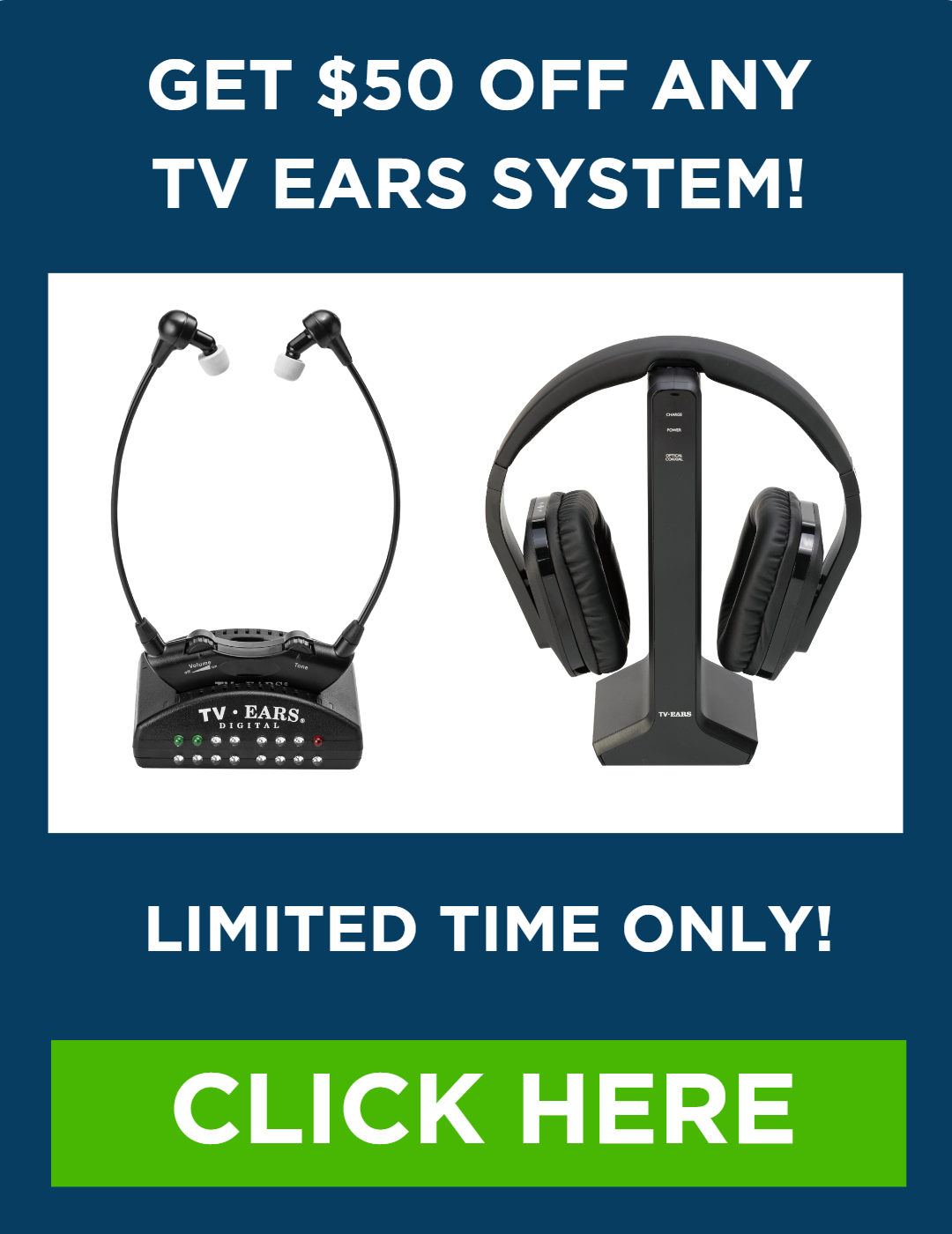
TV Ears offers a wide range of hearing aid systems to cater to individual preferences and needs. From wireless headsets to discreet earbuds, there is a TV Ears solution for everyone. Each system is designed with comfort in mind, allowing you to enjoy hours of uninterrupted TV viewing without discomfort or strain. Whether you prefer over-the-ear headphones or lightweight earbuds, TV Ears has the perfect option for you.
Great TV Audio Without the High Price Tag
TV Ears believes that everyone should have access to exceptional hearing aid solutions. Unlike other hearing aid brands, TV Ears offers affordable products without compromising on quality. By choosing TV Ears, you can enjoy the benefits of hearing aids as seen on TV at a fraction of the cost, making them an excellent investment for those seeking an enhanced TV watching experience. If you find yourself struggling with hearing difficulties and desire an immersive TV watching experience, TV Ears is the answer. Their hearing aids as seen on TV offer unparalleled comfort, exceptional sound quality, and user-friendly features that will revolutionize the way you enjoy your favorite shows and movies. Don’t let hearing impairments hinder your entertainment. Visit the TV Ears website today to explore their diverse range of systems and discover the perfect solution for your needs. To find out more about TV Ears’ range of hearing aids designed for comfortable TV watching, visit our website at www.tvears.com. Experience the joy of television without missing a word!
Practical Tips for Hearing Aid Owners
Whether you use traditional hearing aids daily or rely on a system like TV Ears for specific situations, getting the best performance from your device is key. For those who wear hearing aids, managing the power source is a big part of the daily routine. Proper battery care not only ensures your hearing aids work when you need them but can also save you time and money. A little maintenance goes a long way in keeping your devices running smoothly, so you can stay connected to the sounds and conversations around you. Below are a few straightforward tips to help you get more life out of your hearing aid batteries.
Use the “5-Minute Rule” for Disposable Batteries
If your hearing aids use disposable zinc-air batteries, here’s a simple trick you might not know. These batteries have a small, colored plastic tab on the back. When you peel this tab off, it exposes tiny holes that allow air to enter and activate the zinc inside. Instead of immediately placing the battery into your hearing aid, let it sit for about five minutes first. This waiting period allows the battery to fully activate with the surrounding air. Rushing this step can lead to a shorter battery life, meaning you’ll be changing them more often. It’s a small change in your routine that can make a noticeable difference in how long each battery lasts.
General Battery Care and Maintenance
Properly caring for your hearing aid batteries is essential for consistent performance. There are two main types: disposable and rechargeable. For disposable batteries, always store them at room temperature and away from moisture. Avoid keeping them loose in a pocket or purse where they can touch metal objects like keys or coins, as this can cause them to short-circuit. At night, open the battery door on your hearing aids. This not only helps air circulate and reduce moisture buildup inside the device, but it also disengages the battery, preventing small amounts of power drain overnight. These simple habits will help you get the most out of every single battery.
If you are struggling with hearing your favorite program, TV Ears has several top-rated, audiologist-designed systems that can help, find more at www.tvears.com.

Looking for more? Check out the recent stories on the TV Ears blog:
Crackling sounds in ears? 6 possible causes
TV speaker for hard of hearing? There may be a better option
Affordable hearing aids? Trust the best-selling brand since 1998s
The Basics of Hearing Aids Repair: Regaining Sound Quality
Does Tinnitus Go Away? Understanding its Impact on TV Watching
Hearing aids evaluation: What you should know
Frequently Asked Questions
Why can I hear the TV but not understand the words? This is an incredibly common experience, and it usually means the issue is with clarity, not just volume. Hearing loss often affects our ability to process specific frequencies, especially the higher-pitched sounds that make up consonants in speech. When you’re watching TV, the dialogue gets mixed with music and sound effects. Simply making everything louder just amplifies the jumbled mix. A dedicated listening device can isolate and enhance the speech frequencies so words come through sharp and clear.
Are TV Ears just another “As Seen on TV” sound amplifier? Not at all. Most of the general-purpose hearing devices you see advertised are Personal Sound Amplification Products (PSAPs). Their only job is to make all the sounds around you louder. TV Ears systems are different because they are specifically designed for television. They use Voice Clarifying Technology® to analyze the audio, separate the dialogue from the background noise, and deliver crisp, clear speech directly to your ears.
Can I use TV Ears if I already wear hearing aids? Yes, and many of our customers do just that. You can simply remove your hearing aids and wear the TV Ears headset while watching your favorite shows. This gives you a direct, clear audio feed without any interference and can often provide a more comfortable and relaxing viewing experience than you’d get by adjusting your everyday hearing aids for the TV.
Will using a TV Ears headset bother other people in the room? This is one of the best parts—it solves the volume conflict in the house. When you use a TV Ears system, you control your own volume through the headset. The television’s external speakers can be set to a comfortable level for everyone else, or even muted completely. This way, you get the clear audio you need without making the TV too loud for your family or friends.
Do I need a hearing test or a prescription to buy TV Ears? No, you don’t. Because TV Ears are classified as an assistive listening device and not a medical hearing aid, you can purchase them directly without a prescription or an audiologist’s exam. They are designed to be simple to set up and use right out of the box, making clear TV audio accessible to everyone.
Key Takeaways
- Understand What You’re Buying: Many “As Seen on TV” devices are simple sound amplifiers, not medical hearing aids. They make all sounds louder—including background noise—which often makes it harder, not easier, to understand dialogue.
- Prioritize Speech Clarity Over General Volume: If you can hear a show’s music but can’t make out the words, the issue is clarity, not just volume. A device that can isolate and enhance speech frequencies is far more effective than one that just raises the volume on everything.
- Get the Right Tool for the Job: A dedicated TV listening system is specifically designed to solve the problem of muddled TV audio. It allows you to get crystal-clear dialogue delivered directly to you, ending the household conflict over the remote control.