The battle over the TV remote is a classic household drama, but the fight over the volume button can feel much more personal. When one person needs the sound cranked up just to follow the plot, it can make movie night stressful for everyone else. Hearing aids are fantastic for conversations, but they often struggle to separate dialogue from the complex soundscapes of television shows. This is where a dedicated audio solution comes in. Finding the right combination of your ear hearing aids ear phones can restore peace to the living room and bring clarity back to your favorite programs. This guide will walk you through the best options available.
The Game-Changing World of Hearing Aid Headphones
Imagine being able to fully immerse yourself in your favorite tunes, crystal-clear dialogue, and mind-blowing sound effects without straining or missing a beat. That’s the power of hearing aid headphones, my friends. These bad boys are designed to amplify and enhance sound, making every note, every word, and every explosion (yeah, we love a good action flick) sound like it’s happening right in front of you. But Wait, There’s More! Not only do hearing aid headphones deliver an unparalleled audio experience, but they also come equipped with a slew of nifty features that’ll make your head spin (in the best way possible, of course). We’re talking noise-canceling capabilities that block out distracting background noise, allowing you to fully immerse yourself in your audio adventures. And let’s not forget about those fancy-schmancy wireless connections. Say goodbye to tangled cords and hello to sweet, sweet freedom. With the best hearing aid headphones, you can seamlessly connect to your TV, smartphone, or any other device, giving you the ultimate in audio versatility.
Understanding the Technology
To find the right solution for your hearing needs, it helps to know a little about the technology you’re working with. Hearing aids, headphones, and other listening devices might seem similar, but they operate differently and are designed for distinct purposes. Getting familiar with the basics can help you choose the best tool for the job, whether that’s catching up on a podcast or settling in for a movie night. Let’s break down the key concepts so you can feel confident about finding what works for you.
Hearing Aids vs. Headphones: What’s the Difference?
The biggest difference between hearing aids and headphones comes down to their primary goal. Hearing aids are medical devices fine-tuned to amplify and clarify speech. As one audiology center notes, “Hearing aids are primarily designed to help you hear speech better, not to give the best music quality.” This is why, even with high-end hearing aids, the rich, layered sound of a movie soundtrack or your favorite album might fall flat. Headphones, on the other hand, are built for audio fidelity. They are designed to deliver a full range of sound, from deep bass to crisp high notes, creating an immersive experience that hearing aids often can’t replicate for entertainment.
Direct Bluetooth Streaming Explained
You’ve probably heard of Bluetooth, and it’s become a common feature in modern hearing aids. This technology allows you to connect your hearing aids wirelessly to other devices. As experts explain, “Many modern hearing aids can connect directly to your phone, TV, or computer using Bluetooth.” This lets you stream sound right into your hearing aids, which can be incredibly convenient. However, the process isn’t always seamless. Pairing devices can sometimes be tricky, and not all televisions come with built-in, easy-to-use Bluetooth transmitters, which can create a frustrating setup experience if you’re not tech-savvy.
The Rise of Over-the-Counter (OTC) Hearing Devices
A major shift in the hearing world is the introduction of over-the-counter (OTC) hearing devices. These are products you can purchase directly without visiting a hearing health professional. According to the U.S. Food and Drug Administration (FDA), these devices are intended for adults with perceived mild to moderate hearing loss. This change has made hearing assistance more accessible and affordable for millions of people. The OTC market includes a wide variety of products, from simple amplifiers to specialized devices designed for specific situations, like watching television. This gives you more options to find a solution that fits your lifestyle and budget perfectly.
Finding the Perfect Pair: A Guide to the Best Hearing Aid Headphones
Now that we’ve got you all revved up about the magic of hearing aid headphones, it’s time to dive into the nitty-gritty and help you find the perfect pair for your needs. Buckle up, folks, because we’re about to embark on a journey through the world of top-notch audio gear!
Over-Ear Wonders
For those who crave maximum comfort and noise isolation, over-ear hearing aid headphones are the way to go. These babies envelop your ears in plush, cushiony goodness, creating a cozy little audio oasis that’ll make you never want to take them off. But don’t let their comfy exterior fool you – these bad boys pack a serious punch in the audio department. With powerful amplification and crystal-clear sound reproduction, over-ear hearing aid headphones will transport you to a whole new auditory dimension.
In-Ear Marvels
If you’re more of an on-the-go audio aficionado, in-ear hearing aid headphones might just be your new best friend. These compact marvels deliver big sound in a tiny package, making them the perfect companion for your daily commute, workout sessions, or any other adventure that calls for portable audio bliss. But don’t let their diminutive size fool you – in-ear hearing aid headphones are packed with cutting-edge technology that’ll blow your mind (and your eardrums, but in a good way). From noise-canceling capabilities to wireless connectivity, these little guys have got it all.
On-Ear Options
If you’re looking for a happy medium between the full coverage of over-ear models and the portability of in-ear buds, on-ear headphones are an excellent choice. They rest directly on your ears, providing a great balance of comfort and impressive sound quality. This style is especially effective if you use smaller hearing aids that fit entirely in your ear canal, like Completely-in-Canal (CIC) or Invisible-in-Canal (IIC) types. While they can work with other hearing aid models, it’s good to be aware that the placement can sometimes cause feedback, that high-pitched whistling sound. A little adjustment usually solves the problem, making them a versatile pick for many users.
Bone-Conduction Headphones
Here’s a truly innovative approach to sound: bone-conduction headphones. Instead of sending sound waves through your ear canal, these devices transmit vibrations through your cheekbones directly to your inner ear. This is a fantastic solution for many hearing aid wearers because the headphones don’t cover or block your ears at all. This leaves your ears open to hear your surroundings while also receiving clear audio from your device. They are an especially great match for hearing aids that sit inside the ear, such as In-the-Ear (ITE), In-the-Canal (ITC), and CIC models, as there’s no physical interference with the hearing aid itself.
Compatibility with Different Hearing Aid Styles
When you start shopping, remember that the most important factor is how a pair of headphones will work with your specific hearing aids. The style you wear—whether it’s behind the ear or in the ear—will determine which headphones are most comfortable and effective. For example, in-the-ear (ITE) hearing aids that sit inside the ear often pair well with most over-the-ear headphones. However, if you wear a behind-the-ear (BTE) model, you might find that the headband or earcups press uncomfortably on the device. This is why some people prefer a dedicated listening system that works independently of their hearing aids, like our TV Ears headsets, which use special technology to make dialogue clear without any compatibility concerns.
What to Expect in Terms of Cost
Finding the right audio solution doesn’t have to break the bank. The great news is that there are quality headphones designed for hearing aid users available across a wide range of price points. You can find basic, effective models for as little as $25, while more advanced options with features like active noise-cancellation and premium materials can go up to $150 or more. The price often reflects the technology inside, but you can certainly find a reliable and comfortable pair that fits your budget. The key is to focus on the features that matter most to you, whether that’s comfort, sound clarity, or wireless convenience.
Using FSA or HSA for Your Purchase
Here’s a helpful tip that can make your purchase even more affordable: you may be able to use funds from your Flexible Spending Account (FSA) or Health Savings Account (HSA). These accounts allow you to set aside pre-tax money for qualified medical expenses, and many hearing-related accessories are eligible. Using your FSA or HSA funds is a smart way to pay for devices that improve your quality of life. Before you buy, it’s always a good idea to check with your plan administrator to confirm that the headphones you’ve chosen are a covered expense.
Embrace the Sound of Silence (Well, Almost)
Alright, folks, we’ve covered the basics of hearing aid headphones and given you a little taste of what’s out there. But now it’s time to get real – these bad boys aren’t just for those with hearing loss. Heck, even folks with perfect hearing can benefit from the audio excellence these headphones have to offer. Think about it: how many times have you been trying to enjoy your favorite movie or album, only to be rudely interrupted by the sounds of traffic, noisy neighbors, or your significant other’s incessant chewing? With hearing aid headphones, you can create your own personal audio sanctuary, blocking out the world and immersing yourself in pure, unadulterated sound. And let’s not forget about the versatility factor. Hearing aid headphones aren’t just for entertainment purposes – they can also be a game-changer for professionals who rely on clear communication, like teachers, call center agents, or anyone who spends a lot of time on the phone or in virtual meetings.
Why Noise-Cancellation Is So Important
If you’ve ever tried to listen to something in a busy coffee shop or on a plane, you know how frustrating background noise can be. Noise-canceling headphones are a fantastic solution because they actively work to block out those distracting ambient sounds. As one audiology blog notes, these headphones are “highly recommended because they block out background noise. This means you won’t need to turn up the volume as high, which helps protect your hearing.” For someone with hearing loss, this is a double win. You get clearer audio without having to push the volume into a range that could cause further damage, allowing you to focus completely on the dialogue of your favorite show or the notes of a beautiful song.
Hearing Safety and Best Practices
Once you’ve found a great pair of headphones, the next step is learning how to use them safely. This is especially important when you’re already managing hearing loss, as the goal is to enjoy clear sound while protecting the hearing you have. It’s easy to get caught up in a movie or an album and slowly inch the volume up, but being mindful of your listening habits can make a huge difference in the long run. According to experts, the simple truth is that listening too loudly or for too long can harm your hearing. The key is to find a healthy balance that gives you the clarity you need without putting your ears at risk. By following a few simple guidelines, you can continue to enjoy your audio for years to come.
Following Volume Safety Rules
A great rule of thumb for safe listening is the “60/60 rule.” It’s an easy-to-remember guideline recommended by hearing professionals: try to listen at 60% of the maximum volume for no more than 60 minutes at a time. After an hour, give your ears a rest for a few minutes before you dive back in. This practice helps prevent ear fatigue and reduces the risk of long-term damage from sustained noise exposure. If you’re settling in for a movie marathon or planning to listen to a long audiobook, consider setting a timer on your phone to remind you to take a short break. It’s a small step that can have a big impact on your hearing health.
Understanding Dangerous Decibel Levels
It’s also helpful to have a basic understanding of what makes a sound dangerously loud. Sound volume is measured in units called decibels (dB). A normal conversation is around 60 dB, which is perfectly safe. However, hearing damage can begin with prolonged exposure to sounds at or above 85 decibels—that’s about the level of a noisy restaurant or a passing bulldozer. The louder the sound, the less time it takes to cause potential harm. That’s why it’s so important to keep your headphone volume at a moderate level. You want the sound to be clear and enjoyable, not overpowering.
Troubleshooting and Getting the Best Sound
Even with the best equipment, you might run into a few hiccups when pairing headphones with hearing aids. Things like feedback, echo, or just getting the settings right are common challenges, but they’re usually easy to fix. A little bit of tweaking can transform a frustrating experience into a seamless one. The goal is to make your technology work for you, so you can sit back and enjoy crystal-clear audio without any distractions. For specific activities like watching TV, some devices are designed to avoid these issues altogether. For example, TV Ears systems use Voice Clarifying Technology to enhance dialogue and reduce background noise, which helps prevent the need to turn the volume up to a level that might cause feedback or distortion.
How to Handle Audio Feedback and Echo
Two of the most common annoyances are feedback and echo. Feedback is that high-pitched squealing sound that can happen when a microphone gets too close to a speaker. With headphones and hearing aids, “headphones can sometimes cause a squealing sound (feedback). You might need to try different types or adjust how you wear them.” Often, simply repositioning the headphones can solve the problem. An echo, on the other hand, can occur if you’re hearing audio from two sources at once. If you hear an echo, a good first step is to “try turning down the volume on your headphones or the device you’re listening to.” You might also try muting your TV speakers so you only hear the audio through your headphones.
Using Special Hearing Aid Settings for Music
If you’re a music lover, you’ll want to get the richest sound possible. Many modern hearing aids come with special programs designed for different listening environments, including one for music. As one audiology center points out, “your hearing aid might have a special ‘music’ setting that adjusts the sound levels for a better listening experience.” This setting often provides a wider range of tones than standard settings, which are typically optimized for speech. Check your hearing aid’s app or user manual to see if you have a music mode. Activating it before you press play can make your favorite songs sound fuller, richer, and more vibrant.
When to Consult an Audiologist
While many issues can be solved at home, don’t hesitate to reach out to a professional when you need help. Your audiologist is your best resource for anything related to your hearing health. If you’ve tried different headphones and are still struggling with sound quality, or if you’re just not sure which features would be best for you, schedule an appointment. It’s always a good idea to “talk to your audiologist if you’re having trouble finding the right headphones or want to explore different hearing aid options.” They can adjust your hearing aid settings, recommend compatible devices, and ensure your setup is perfectly tailored to your specific needs.
A Quick Guide to Hearing Aid Batteries
A practical part of using hearing aids and headphones is managing battery life. This is especially true if you’re using Bluetooth, as streaming audio can drain batteries more quickly than usual. Understanding how your batteries work, how long they last, and how you can get the most out of them will help you avoid the frustration of a device dying at a critical moment. Whether you use disposable or rechargeable batteries, a few simple habits can keep your hearing aids powered up and ready to go whenever you need them. This ensures you’re never left in silence during the final scene of a movie or the chorus of your favorite song.
Understanding Battery Life
How long your hearing aid batteries last depends on several factors, including the type of battery, the model of your hearing aid, and how you use it. According to hearing care provider TruHearing, “standard hearing aid batteries usually last between 3 to 10 days,” while “rechargeable hearing aids typically last 18 to 39 hours on a single charge.” Features like streaming audio directly from your phone or TV will use more power and may reduce these times. Keeping track of how long your batteries typically last can help you anticipate when they’ll need to be changed or recharged, so you’re never caught off guard.
Disposable vs. Rechargeable Batteries
The choice between disposable and rechargeable batteries often comes down to personal preference and lifestyle. Disposable batteries are tiny, powerful, and need to be replaced every few days. They’re reliable, but you’ll need to keep a supply on hand and be comfortable handling the small cells. Rechargeable hearing aids offer a more convenient, all-in-one solution. You simply place them in a charging case overnight, and they’re ready to go in the morning. This is an excellent, eco-friendly option for anyone who wants to simplify their routine or has difficulty with the dexterity required to change small batteries.
Tips to Extend Battery Life
You can get more mileage out of your batteries with a few easy tricks. For disposable batteries, one of the most effective tips is to “open the battery door at night. When you take your hearing aids out for the night, open the battery door. This turns off the hearing aid and stops the battery from losing power while you’re not using it.” For both types, turning off advanced features like Bluetooth when you’re not actively streaming can also conserve a significant amount of power. Storing your devices and any spare batteries in a cool, dry place will also help maintain their longevity.
The Bottom Line: Hear What You’ve Been Missing
At the end of the day, my friends, investing in the best hearing aid headphones is an investment in your own auditory happiness. Whether you’re a music lover, a movie buff, or just someone who appreciates crystal-clear sound, these bad boys will take your audio experience to new heights. So, what are you waiting for? Ditch those mediocre headphones and embrace the power of hearing aid headphones. Your ears (and your sanity) will thank you!
Find Your Perfect TV Ears Headphones
Discover the difference TV Ears wireless headphones and headsets can make in your TV-watching experience. Whether you’re looking for comfortable over-ear headphones or a compact, stylish headset, we have options to suit your needs. 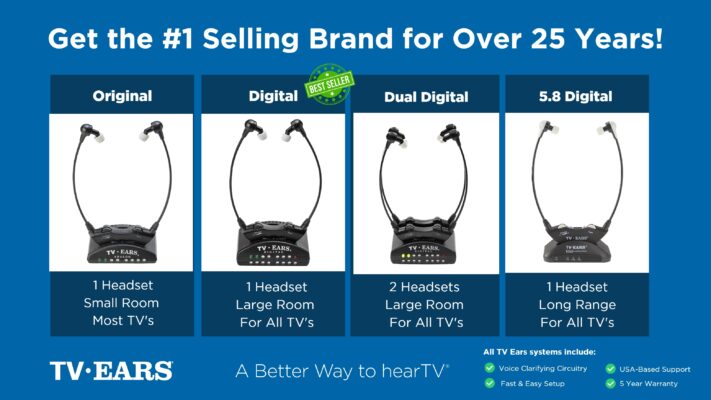 Ready to take your TV audio to the next level? Explore our Wireless Headphones and Headsets collection today! And don’t miss our custom audiologist-designed speaker system. At TV Ears, we are committed to ensuring that everyone can enjoy TV to the fullest. Our range of speakers for TV and wireless headphones and headsets are designed to cater to diverse needs and preferences, making your home entertainment experience truly exceptional. Don’t let hearing difficulties or differing audio preferences hold you back from enjoying your favorite shows and movies. Explore TV Ears’ solutions and rediscover the joy of TV-watching.
More Tips from the TV Ears Blog
If you’re passionate about enhancing your TV-watching experience, you won’t want to miss our other blog posts. We regularly publish articles on the latest audio technology, home entertainment tips, and more. Check out our latest blogs below:
Enhance Your TV Viewing Experience with Wireless Headphones for Watching TV
Elevate Your TV Experience with TV Ears: The Ultimate Headphones for Televisions
Enjoy Ultimate Freedom with TV Ears: Enhance Your TV with Wireless Headphones
Don’t miss out on valuable insights and tips from TV Ears experts. Investing in the right speaker for your TV can dramatically enhance your home entertainment experience. Whether you’re an audiophile or simply want to enjoy your favorite shows and movies with exceptional sound, a speaker for TV is a worthwhile addition to your setup. Explore TV Ears’ wide range of speakers, headphones and headsets today and start enjoying TV like never before.
Frequently Asked Questions
Why do I still struggle to hear the TV clearly even with my hearing aids on? Hearing aids are incredible tools optimized to clarify speech in a real-world environment, like a conversation in your living room. Television audio is much more complex, mixing dialogue with music, sound effects, and background noise. A dedicated headphone or TV listening system is designed specifically to handle that complex mix, separating the dialogue so you can follow the plot without missing a word.
Can I wear regular headphones over my hearing aids? Yes, you often can, but the experience varies depending on your hearing aid style. Large, over-ear headphones can sometimes fit comfortably over smaller in-the-ear models. However, if you wear a behind-the-ear device, the headphone cups or band might press on it, causing discomfort or feedback. It’s all about finding a physical pairing that works for you without causing pressure.
What is that annoying whistling sound I sometimes get, and how can I fix it? That high-pitched squeal is called audio feedback. It happens when the microphone of your hearing aid gets too close to the speaker of your headphones and starts re-amplifying its own sound in a loop. The quickest fix is to adjust the position of your headphones to create more space or to slightly lower the volume. A secure, proper fit is often the best way to prevent it from happening.
With all these options, how do I choose what’s right for me without getting overwhelmed? The best way to start is by focusing on your primary goal. If your main frustration is hearing the television clearly and peacefully, then a specialized system designed just for that purpose is often the most straightforward and effective solution. This avoids the trial-and-error of pairing different headphones with hearing aids and gets you right to a clear, enjoyable TV experience.
Is it safe to use headphones if I already have hearing loss? It is completely safe, as long as you are mindful of the volume. The goal is to achieve clarity, not just loudness. A great guideline is the 60/60 rule: listen at no more than 60 percent of the maximum volume for 60 minutes at a time, then give your ears a short break. This helps protect your hearing while still allowing you to enjoy your favorite shows and music.
Key Takeaways
- Supplement Your Hearing Aids for Entertainment: While hearing aids are tuned for real-world conversations, a dedicated pair of headphones or a TV listening system is designed to separate dialogue from complex background noise, giving you a much clearer audio experience for shows and movies.
- Match Your Headphones to Your Hearing Aid Style: To prevent uncomfortable pressure or audio feedback, consider how different headphone types will fit with your specific hearing aids. Over-ear models often work well with in-ear aids, while bone-conduction is a great option that avoids contact altogether.
- Practice Safe Listening to Preserve Your Hearing: A good guideline is the 60/60 rule: listen at 60% of the maximum volume for no more than 60 minutes at a time before taking a break. This simple habit helps you enjoy your audio without risking further hearing damage.