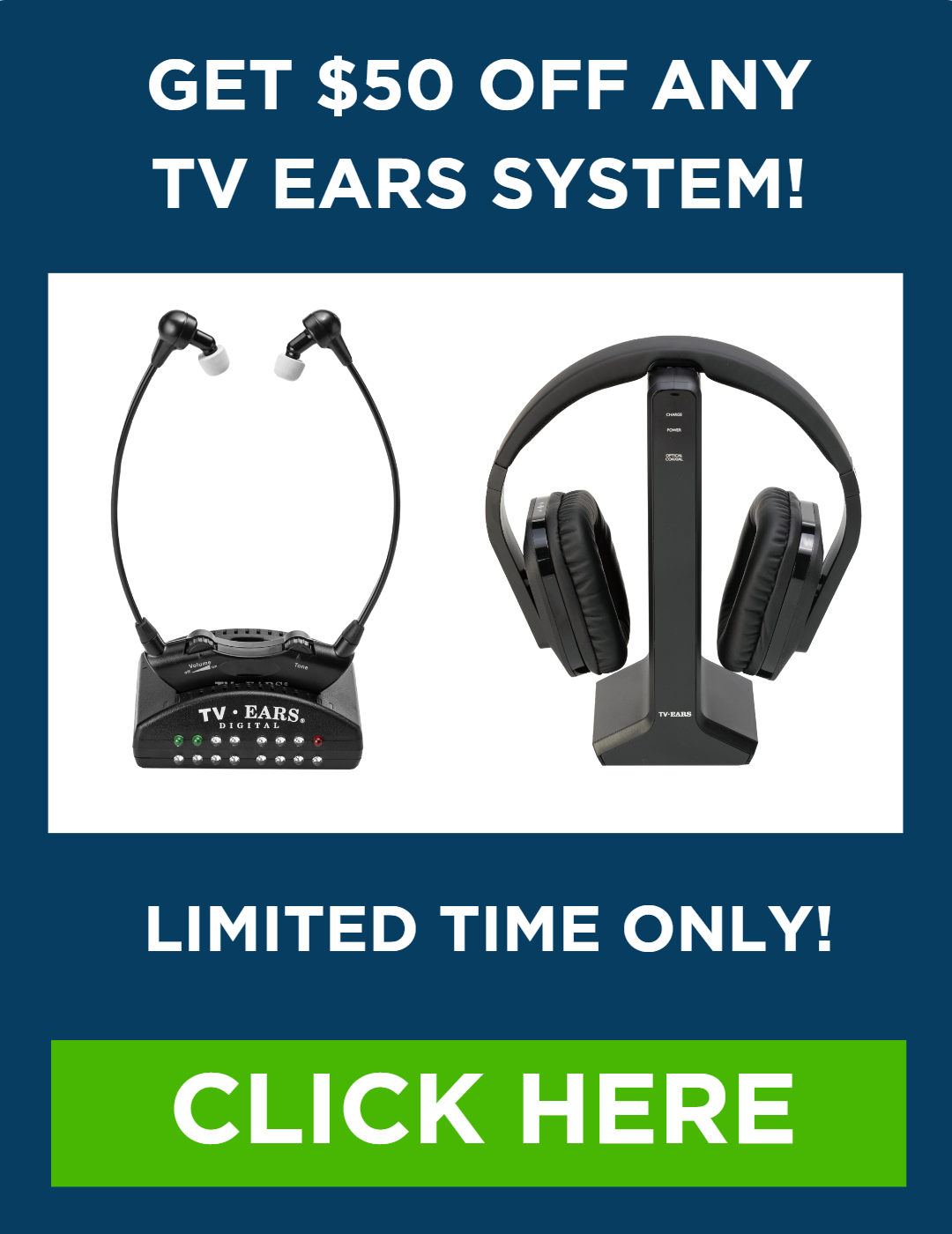
Do you find yourself constantly asking, “What did they just say?” while watching your favorite shows? It’s a common frustration when mumbled dialogue gets lost behind loud music and sound effects. Turning up the volume doesn’t always help; it just makes the explosions louder, not the conversations clearer. This is where specialized headphones for watching tv make a world of difference. They are engineered not just to amplify sound, but to clarify it, using technology to lift voices out of the background noise. Ahead, we’ll explore the features that matter most for dialogue enhancement, helping you find a solution that brings every conversation into perfect focus.
Enjoy Clear Sound with Headphones to Watch TV Wireless
Are you tired of cranking up the TV volume or being tethered to your device by cords? With headphones to watch TV wireless, you can experience your favorite shows, movies, and sports with complete freedom and crisp sound clarity. Wireless technology is transforming home entertainment, and choosing the right headphones to watch TV wireless can make all the difference. In this blog post, we’ll explore the advantages of wireless headphones, the best options for seamless viewing, and why they are perfect for any household.
Why Use Headphones to Watch TV Wireless?
Using headphones to watch TV wireless is a game-changer for anyone who wants an immersive sound experience without disturbing others. Here are the top reasons why wireless headphones should be part of your home entertainment setup:
- Freedom to Move: With headphones to watch TV wireless, you’re no longer confined to the couch. Wireless technology allows you to walk around your home while still hearing every detail from your TV, making it ideal for multitasking or grabbing a snack without missing a key moment.
- Clearer Sound: Built-in TV speakers don’t always provide the best sound quality, especially for dialogue-heavy content. Headphones to watch TV wireless deliver clear, enhanced sound directly to your ears, allowing you to hear dialogue, music, and sound effects in much greater detail.
- No More Disturbances: Whether you’re a night owl or sharing your space with others, headphones to watch TV wireless offer a private listening experience. Watch your favorite shows without worrying about disturbing others or dealing with background noise.
Key Features of Headphones to Watch TV Wireless
Not all headphones to watch TV wireless are the same. When choosing the best pair, it’s important to look for features that enhance both the sound experience and overall comfort. Here’s what to consider:
- Range and Connectivity: Some headphones to watch TV wireless offer a limited range, while others use more advanced technology like Bluetooth or RF (radio frequency) to provide longer connectivity distances. For those who want to move freely around the house, RF-based headphones to watch TV wireless may be the best option.
- Sound Quality: The type of content you watch most often should influence your decision. If you watch a lot of action-packed movies or sports, opt for headphones to watch TV wireless that deliver deep bass and rich sound. On the other hand, if dialogue clarity is your priority, look for options that emphasize voice and conversation.
- Comfort and Battery Life: Since you’ll likely be wearing your headphones to watch TV wireless for extended periods, comfort is key. Look for padded ear cups and adjustable headbands. Also, check the battery life—some wireless headphones can last for several hours on a single charge, ensuring uninterrupted viewing.
What to Look For in TV Headphones
Finding the right wireless headphones for your TV isn’t just about sound; it’s about the entire experience. You want a pair that’s comfortable, reliable, and easy to use, so you can focus on your favorite show, not on fiddling with technology. When you start shopping, a few key features can make a huge difference in your daily viewing. Paying attention to details like audio delay, wireless range, and battery life will help you choose a device that truly meets your needs and makes watching television more enjoyable for everyone in the room. Let’s walk through the most important things to consider.
Latency (Avoiding Lip-Sync Delay)
Have you ever watched a video where the person’s lips move, and the sound follows a split second later? That frustrating mismatch is called latency, and it can ruin a movie night. When choosing wireless headphones for TV, this is one of the most critical factors to check. Some wireless technologies are better at keeping the audio and video perfectly synchronized. For instance, experts often find that “Radio Frequency (RF) headphones generally work better for TV than Bluetooth headphones because they have less delay between the sound and the picture.” This ensures the dialogue you hear matches the action you see, creating a seamless and immersive viewing experience.
Wireless Range
One of the best parts of using wireless headphones is the freedom to move around. You can get up to grab a drink from the kitchen or let the dog out without missing a single word of dialogue. However, the distance you can go depends on the headphones’ wireless range. Some models require you to stay in the same room, while others give you the flexibility to roam. Headphones that use RF technology often provide a much larger coverage area. In fact, with some devices, “you can listen from up to 330 feet (100 meters) away, even through walls and ceilings.” This kind of range means you stay connected no matter where you are in your home.
Battery Life
There’s nothing worse than your headphones dying right at the climax of a movie. That’s why battery life is a non-negotiable feature to consider. You want a pair that can handle a long movie marathon or a full day of binge-watching your favorite series without needing a recharge. When comparing options, look for a battery that lasts at least 8-10 hours. Many high-quality models go even further, with some tests showing a “battery lasts over 11 hours.” A long-lasting battery gives you peace of mind, so you can settle in and enjoy your show without worrying about an interruption. Many systems also come with a convenient charging base, making it easy to keep them powered up for your next viewing session.
Comfort for Long Sessions
If you plan on wearing your headphones for more than a few minutes, comfort is essential. A poorly designed pair can cause pressure on your ears or head, quickly turning a relaxing evening into an uncomfortable one. Look for features designed for extended use, such as soft, padded ear cups and an adjustable headband that provides a secure but gentle fit. Over-ear styles are often recommended because they are “very comfortable for long viewing sessions,” as they enclose your ear without pressing down on it. Lightweight materials also make a big difference, as you’ll barely notice you’re wearing them. The goal is to find headphones that feel so natural you forget they’re even there.
Ease of Setup
The best technology is the kind that works right out of the box without causing a headache. You shouldn’t need an engineering degree to connect your headphones to your TV. A simple and straightforward setup process is a must-have, especially if you’re not a fan of complicated instructions. Look for systems that are “easy to set up with most TVs (has both analog and digital inputs),” as this versatility ensures compatibility with your television, whether it’s brand new or a few years old. Ideally, you should be able to just plug a small transmitter into your TV, turn on the headphones, and have them work instantly. This simplicity allows you to start enjoying clear, personal sound in minutes.
Types of Headphones to Watch TV Wireless
There are various types of headphones to watch TV wireless designed to suit different needs and preferences. Here’s a breakdown of the most popular options:
- Bluetooth Wireless Headphones: These headphones to watch TV wireless connect via Bluetooth, making them versatile and easy to pair with most modern smart TVs. Bluetooth is a great option for those who want a sleek, hassle-free setup.
- RF Wireless Headphones: These use radio frequencies to connect to the TV, offering a longer range and better sound quality over distances. Headphones to watch TV wireless that use RF technology are excellent for larger homes or for viewers who want the freedom to move between rooms.
- Infrared Wireless Headphones: These headphones to watch TV wireless use infrared signals, much like a TV remote. While they offer strong sound quality, they do require a direct line of sight with the TV, limiting movement.
### RF (Radio Frequency) Headphones RF (Radio Frequency) headphones are an excellent choice if your main goal is watching television. These systems use a transmitter base that plugs directly into your TV, sending a dedicated audio signal to the headphones. The major benefit is a strong, stable connection with an impressive range, allowing you to move freely around your home without losing sound. Most importantly, RF technology has virtually no audio lag, which means the sound will always be perfectly synchronized with the picture on the screen. As one review notes, this makes them “excellent for larger homes or for viewers who want the freedom to move between rooms.” This reliability is why many assisted listening devices, including TV Ears systems, use similar technology to deliver clear, uninterrupted dialogue. ### Bluetooth Headphones Bluetooth headphones offer incredible convenience and versatility, easily pairing with most modern smart TVs, phones, and tablets. If you already own a pair, connecting them to your TV can be a quick and simple solution. However, Bluetooth technology wasn’t originally designed for video, and it often comes with a noticeable sound delay, or latency. This can create a frustrating lip-sync issue where the audio doesn’t quite match the actors’ mouths on screen. As experts at Wirecutter highlight, “While you might be able to use your existing Bluetooth headphones with your TV, they often have noticeable sound delay.” While perfect for music, this potential lag makes them a less-than-ideal choice for an immersive movie or TV show experience.
Comparing Popular TV Headphone Models
With so many wireless headphones on the market, finding the right pair for your TV can feel like a huge task. The best choice really depends on what you need most. Are you looking for incredible sound for movie nights, a system the whole family can use without arguing over the volume, or a straightforward, budget-friendly option that just works? Different models are built for different purposes, excelling in areas like minimizing audio delay or creating a quiet, immersive experience. To help you find the perfect fit for your living room, we can look at some of the top contenders and what makes each of them a great choice for specific situations.
Best Overall (RF Systems): Sennheiser RS 195
If you’re serious about your home theater sound, the Sennheiser RS 195 is a fantastic choice. These headphones are specifically designed for watching TV and movies, using RF technology to deliver high-quality audio with very little delay. This is crucial for avoiding that distracting lip-sync issue where the actors’ mouths don’t match the sound. According to a review from RTINGS.com, they come with a dedicated transmitter dock that plugs directly into your TV, making setup straightforward. The focus here is on providing a premium, seamless listening experience for dedicated viewing sessions, ensuring you catch every word and sound effect exactly as intended.
Best for Multiple Users: Avantree Quartet 2
For households where more than one person wants to listen wirelessly, the Avantree Quartet 2 is a standout solution. This system is built for sharing, coming with a transmitter and four pairs of headphones right out of the box. What’s really helpful for big families is that you can expand the system to connect up to 100 pairs of headphones. Like other dedicated TV headphones, it uses RF technology to keep audio lag extremely low, so the sound always matches the picture. The setup is simple, meaning you can get everyone connected without any technical headaches. This is a great way to ensure everyone can enjoy the show at their own comfortable volume.
Best Value Option: Insignia NS-HAWHP2
You don’t have to spend a fortune to get a great pair of wireless TV headphones. The Insignia NS-HAWHP2 is a popular value option that delivers on the most important features without a high price tag. These over-ear headphones are known for being comfortable during long binge-watching sessions and are very easy to use. They use RF technology, and tests have shown an impressively low lag of just 17 milliseconds, meaning the audio stays perfectly synced with the video. The transmitter also doubles as a convenient charging stand, so your headphones are always ready to go when you are.
Premium Noise-Canceling Options: Bose and Sony
If your main goal is to block out the world and immerse yourself completely in what you’re watching, premium noise-canceling headphones from brands like Bose and Sony are hard to beat. Models like the Bose QuietComfort Ultra and Sony WH-1000XM5 offer world-class noise cancellation and exceptional comfort, making them a top choice for many who want to silence distractions. However, it’s important to know that these headphones typically use standard Bluetooth to connect. While versatile, Bluetooth can sometimes introduce a more noticeable audio delay compared to dedicated RF systems. For many, that trade-off is worth it for the incredible sound quality and peaceful listening experience.
Benefits of Headphones to Watch TV Wireless for Seniors and the Hard of Hearing
For those with hearing impairments, headphones to watch TV wireless can significantly improve the viewing experience. TV Ears specializes in wireless headphones that amplify sound and clarify dialogue, making it easier for individuals with hearing challenges to follow along with their favorite shows. Wireless TV headphones are a great option for seniors who want to hear every word clearly without having to turn the TV volume to uncomfortable levels for others. TV Ears’ headphones to watch TV wireless also offer adjustable volume settings and voice-clarifying technologies, ensuring that every sound is crisp and clear without distortion. This makes it easier for seniors and those with hearing difficulties to enjoy TV without missing key details.
Setting Up Your Headphones to Watch TV Wireless
Setting up headphones to watch TV wireless is a quick and easy process. Here are the steps to get started:
- Check for Compatibility: Ensure that your TV supports wireless headphone connectivity, whether through Bluetooth, an RF transmitter, or an infrared receiver.
- Pair Your Headphones: Follow the instructions provided with your headphones to watch TV wireless to pair them with your television. This usually involves turning on Bluetooth or plugging in a transmitter for RF or infrared models.
- Adjust Sound Settings: Once your headphones to watch TV wireless are connected, adjust the sound settings on your TV or on the headphones themselves to find the perfect balance of volume, bass, and treble.
Check Your TV’s Audio Ports (Optical, AUX, RCA)
Before you purchase a new set of wireless headphones, it’s a good idea to take a quick look at the back of your television. To connect the headphone’s transmitter, your TV will need a compatible audio output port. Don’t worry, this is much simpler than it sounds. Most TVs, both new and old, come equipped with at least one of the necessary connections. You’ll want to look for a Digital Optical port (a small, squarish port that often glows red), an AUX port (the same 3.5mm jack you’d find on a smartphone or laptop), or RCA ports (the familiar red and white audio jacks). Taking a moment to confirm your TV’s ports will ensure you choose a system that works perfectly right out of the box, saving you any potential setup headaches.
The “Plug and Play” Experience
One of the best things about dedicated RF wireless TV headphones is their simplicity. Many systems, including those from TV Ears, are designed to be “plug and play.” This means you can forget about the often-frustrating process of Bluetooth pairing, entering codes, or dealing with Wi-Fi connections. Instead, you simply connect the transmitter base to one of your TV’s audio output ports and a power outlet. Once you turn on the transmitter and the headphones, they connect to each other automatically. This straightforward approach is perfect for anyone who wants to enjoy clear TV sound without a complicated technical setup, allowing you to get back to your favorite shows in just a few minutes.
Alternatives to Headphones for Hearing TV Better
While wireless headphones offer a fantastic personal listening experience, they aren’t the only solution for making TV audio clearer. If you’re exploring different ways to improve your viewing experience, several other options can make a significant difference. From simple adjustments on your current TV to adding new hardware, you can find a method that works for you and your home. These alternatives can help clarify dialogue and balance sound, making shows and movies more enjoyable for everyone in the room without necessarily requiring you to wear anything.
Adjusting Your TV’s Sound Settings
Before you buy any new equipment, it’s worth exploring the settings already built into your television. Many modern TVs have audio features specifically designed to make dialogue easier to understand. You can start by looking through your TV’s “Audio” or “Sound” menu for options like “Clear Voice,” “Speech Boost,” or “Dialogue” mode. Activating one of these can instantly make conversations stand out from background music and sound effects. Don’t worry about messing anything up; you can always change the settings back if you don’t like the result.
If your TV has a more advanced feature called an “equalizer” (often labeled as EQ), you can fine-tune the sound even further. Many people with age-related hearing loss find it difficult to hear higher-pitched sounds, which is where human speech often falls. In the equalizer settings, you can try lowering the bass (low-frequency sounds) and boosting the upper mid-range and higher frequencies. This adjustment can make voices sound much crisper and more distinct, pulling them forward from the mix of other noises in a scene.
Using a Soundbar with Voice Enhancement
If tweaking the TV settings isn’t enough, a soundbar can be a great investment. Soundbars are long, thin speakers that sit below your TV and provide a major audio upgrade over the television’s small, built-in speakers. More importantly, many soundbars now come with special features aimed at improving vocal clarity. When shopping, look for models that advertise “Speech Enhancement” or “Voice Enhancement” modes. Brands like Sonos, Samsung, and LG often include these settings, which use technology to isolate dialogue and make it more prominent.
A soundbar with this feature can create a better listening experience for the entire room. When you activate the voice-enhancing mode, it intelligently reduces distracting background noise in a movie or show while lifting the volume of the conversation. This means you can hear every word clearly without having to turn the overall volume up to a level that might be uncomfortable for others. It’s a simple and effective way to make your TV sound better for everyone, whether they have hearing difficulties or not.
Connecting Hearing Aids to the TV
If you already use hearing aids, you may be able to connect them directly to your TV for a personalized sound experience. Some newer hearing aids are equipped with Bluetooth and can pair with a compatible smart TV, sending the audio straight to your ears. However, it’s important to know that not all Bluetooth technologies are the same, so you’ll need to check if your specific hearing aids and TV model are compatible. An alternative solution is to use a device called a media streamer, which plugs into your TV and wirelessly transmits the audio directly to your hearing aids.
Another established technology is a hearing loop system, also known as an induction loop. This involves running a thin wire around the perimeter of the room, which connects to your TV. The wire transmits the audio signal, which is then picked up by a tiny receiver in most hearing aids called a telecoil or T-coil. According to reporting from Consumer Reports, these methods can be highly effective for creating clear, direct sound. Each of these options allows you to hear the TV at your preferred volume without affecting what others in the room hear.
Why TV Ears Headphones to Watch TV Wireless Are the Best Choice
TV Ears is a leading provider of headphones to watch TV wireless, especially designed for users who prioritize clear sound and easy setup. With features like voice-enhancing technology, custom volume controls, and comfortable designs, TV Ears offers some of the best headphones to watch TV wireless on the market. Their systems are also designed with seniors and individuals with hearing loss in mind, ensuring that everyone in the family can enjoy TV without compromise.
Conclusion: Upgrade Your Viewing Experience with Headphones to Watch TV Wireless
In conclusion, choosing headphones to watch TV wireless can dramatically enhance your home entertainment experience. Whether you want the freedom to move around your home while watching TV or need clearer sound for hearing dialogue, wireless headphones offer a solution that fits every need. With TV Ears’ wireless headphones, you’ll experience crisp, high-quality sound with ease, ensuring that your TV time is more enjoyable than ever before.
Find Your Perfect TV Ears Headphones
Discover the difference TV Ears wireless headphones and headsets can make in your TV-watching experience. Whether you’re looking for comfortable over-ear headphones or a compact, stylish headset, we have options to suit your needs. 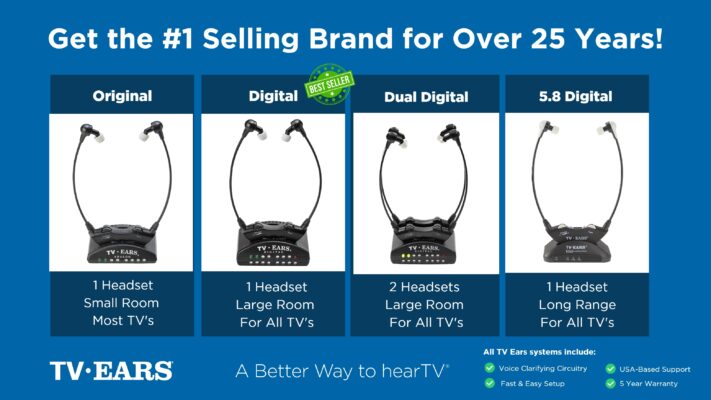 Ready to take your TV audio to the next level? Explore our Wireless Headphones and Headsets collection today! And don’t miss our custom audiologist-designed speaker system. At TV Ears, we are committed to ensuring that everyone can enjoy TV to the fullest. Our range of speakers for TV and wireless headphones and headsets are designed to cater to diverse needs and preferences, making your home entertainment experience truly exceptional. Don’t let hearing difficulties or differing audio preferences hold you back from enjoying your favorite shows and movies. Explore TV Ears’ solutions and rediscover the joy of TV-watching.
Stay Tuned for More TV Ears Insights
If you’re passionate about enhancing your TV-watching experience, you won’t want to miss our other blog posts. We regularly publish articles on the latest audio technology, home entertainment tips, and more. Check out our latest blogs below:
The Wireless Wonders: Unleash the Magic of Wireless Headphones!
The Wireless Headphones for TV Experience: Elevate Your Entertainment!
Hear Every Word Clearly: Exploring Fun TV Listening Devices for Hearing Impaired
Don’t miss out on valuable insights and tips from TV Ears experts. Investing in the right speaker for your TV can dramatically enhance your home entertainment experience. Whether you’re an audiophile or simply want to enjoy your favorite shows and movies with exceptional sound, a speaker for TV is a worthwhile addition to your setup. Explore TV Ears’ wide range of speakers, headphones and headsets today and start enjoying TV like never before.
Frequently Asked Questions
Will these headphones work with my older, non-smart TV? Absolutely. Most dedicated wireless TV headphones, including TV Ears, don’t rely on your TV having modern features like Bluetooth. Instead, they come with a small transmitter base that you plug directly into your TV’s audio output ports. Nearly all televisions, old or new, have compatible connections like the red and white RCA jacks or a standard headphone port, making the setup process simple regardless of your TV’s age.
If I’m using the headphones, can other people in the room still hear the TV? Yes, in most setups, the TV’s internal speakers can continue to play sound even while the headphones are in use. This is one of the best features for shared living spaces. It allows you to listen at your ideal volume through the headphones, while your family or friends can enjoy the show at a lower, more comfortable volume from the TV speakers. Everyone gets the perfect listening experience.
What makes TV headphones different from the Bluetooth headphones I use for music? The biggest difference is the focus on eliminating audio delay. While Bluetooth is great for music, it can often have a slight lag when used for video, causing a frustrating lip-sync issue where the actors’ mouths don’t match the sound. Headphones designed specifically for TV use Radio Frequency (RF) technology, which creates a direct, stable connection with virtually no delay, ensuring the audio and video are always perfectly synchronized.
Can I wear these headphones comfortably with my hearing aids? Many people find that over-ear style TV headphones fit comfortably right over their hearing aids. This setup allows you to get the full benefit of the headphones’ voice-clarifying technology while still wearing the devices you rely on daily. It gives you an extra layer of control, so you can adjust the TV volume independently to find the perfect level of clarity and comfort for you.
Do I need an internet connection or Wi-Fi for these headphones to work? Not at all. These wireless systems are completely self-contained and do not require an internet connection to function. The transmitter base creates its own private radio signal that sends audio directly to the headphones. This makes them incredibly reliable and easy to set up—you just plug the transmitter into your TV and a power outlet, and you’re ready to go.
Key Takeaways
- Prioritize RF Technology to Avoid Lip-Sync Delay: For a frustration-free viewing experience, choose headphones that use Radio Frequency (RF). This technology provides a stable connection that keeps the audio perfectly synced with the video, a common issue with standard Bluetooth.
- Look Beyond Sound to Practical Features: The best TV headphones are comfortable enough for long movie sessions, have a battery that won’t die mid-climax, and offer enough wireless range to let you move around your home without missing any dialogue.
- Try Simple Audio Fixes First: Before buying new gear, check your TV’s sound menu for settings like “Clear Voice” or “Dialogue Mode.” A soundbar with voice enhancement is another great alternative that improves audio clarity for everyone in the room.