For many of us, hearing loss doesn’t mean we can’t hear anything; it means we struggle to distinguish specific sounds, especially human speech. That’s why just turning up the TV volume is often a poor solution. It amplifies the entire sound mix—the booming explosions, the swelling musical score, and the quiet dialogue—all at once, leaving speech just as muddled as before. A far better approach is to use technology designed to specifically isolate and enhance voices. In this guide, we’ll explore the key features to look for in tv headphones for seniors that deliver true clarity, not just volume.
As we age, our hearing abilities may decline, making it challenging to fully enjoy television programs. However, the solution is at hand with headphones designed specifically for seniors. Headphones for TV for seniors offer a range of benefits, ensuring a personalized and immersive audio experience. Continue on to explore the advantages of using headphones tailored to the needs of seniors, allowing them to rediscover the joy of watching TV with crystal-clear sound and uncompromised enjoyment.
Amplifying TV Pleasure: The Benefits of Headphones for TV for Seniors
Headphones designed for seniors prioritize sound clarity, ensuring that every word of dialogue is crisp and intelligible. These headphones help overcome hearing difficulties by amplifying the audio and minimizing background noise. Seniors can enjoy their favorite TV programs with enhanced sound quality, immersing themselves in the storyline and regaining the full richness of the audio experience. One of the notable advantages of headphones for TV for seniors is the ability to control the volume individually. Seniors can adjust the volume to a comfortable level without disturbing others in the room. This personalized volume control ensures a pleasant and enjoyable TV viewing experience for both the seniors and their companions. TV headphones for seniors help create a dedicated listening environment by eliminating external distractions. Background noises or competing sounds are significantly reduced, allowing seniors to focus solely on the TV program they are watching. This enhanced concentration helps improve comprehension and engagement, ensuring a more fulfilling TV experience. With headphones for TV, seniors can indulge in their favorite shows without relying on others for audio adjustments. They can watch TV at any time they please, without disturbing household members or neighbors. This increased independence allows seniors to fully immerse themselves in the content they love, promoting a sense of autonomy and control over their entertainment choices. Headphones designed for seniors prioritize comfort and ease of use. They often feature lightweight construction, cushioned ear cups, and adjustable headbands for a comfortable fit, even during extended TV viewing sessions. Seniors can enjoy a cozy and snug experience without discomfort, ensuring hours of entertainment without any hassle. TV headphones designed for seniors optimize speech intelligibility, making it easier to follow dialogue even in challenging listening situations. Seniors can catch every word and nuance of conversation, ensuring they stay connected to the narrative and fully understand the plot. Improved communication through enhanced audio quality helps seniors stay engaged and connected to the TV programs they love.
How TV Headphones for Seniors Bring Back the Joy of Watching
Headphones designed specifically for seniors offer a host of benefits, including enhanced sound clarity, personalized volume control, reduced distractions, increased independence, comfort, and improved communication. Seniors can enjoy TV programs with a renewed sense of engagement, immersing themselves in the captivating world of audiovisual entertainment. By embracing headphones for TV, seniors can rediscover the joy of watching TV with crystal-clear sound and relish the stories and moments that make television so beloved.
Struggling to Hear Your Favorite Shows? Explore Top-Rated Systems at www.tvears.com.

Looking for more? Check out the recent stories on the TV Ears blog:
Crackling sounds in ears? 6 possible causes
TV speaker for hard of hearing? There may be a better option
Affordable hearing aids? Trust the best selling brand since 1998s
The Basics of Hearing Aids Repair: Regaining Sound Quality
Does Tinnitus Go Away? Understanding its Impact on TV Watching
Hearing aids evaluation: What you should know
Exploring Your TV Listening Options
When you start looking for a way to hear the TV better, you’ll find a few different paths you can take. The right one for you depends on your specific needs, the equipment you already own, and how simple you want the setup to be. Some solutions are designed specifically for television, offering a plug-and-play experience, while others leverage technology you might already be familiar with, like hearing aids or standard headphones. Understanding these main categories is the first step toward finding a solution that brings clarity back to your favorite shows and movies without causing a volume war in the living room.
Dedicated TV Headphone Systems
If you’re looking for the most straightforward and reliable solution, a dedicated TV headphone system is often the best place to start. These systems are built for one purpose: to transmit clear audio from your television directly to your ears. They typically come with a transmitter base that plugs into your TV and a headset that’s already paired with it. Because they are designed specifically for this task, they are incredibly easy to set up and use right out of the box. A major advantage is that they rarely suffer from sound delays, ensuring the audio you hear perfectly matches the actors’ lips on screen, which is a common frustration with other wireless technologies.
Streaming Directly to Hearing Aids
For those who already use hearing aids, streaming TV audio directly to them can be an excellent option. Many modern hearing aids are equipped with Bluetooth or other wireless capabilities that allow them to connect to your television. In some cases, you might need a small accessory called a TV streamer, which acts as a bridge between your TV and your hearing aids. This device plugs into your TV and sends the sound wirelessly to your hearing aids, which then function like high-tech, personalized earbuds. This approach provides a highly customized listening experience, as the sound is processed through your hearing aids’ specific settings.
Using Standard Bluetooth Headphones
If you already own a pair of Bluetooth headphones, like AirPods or another brand, you might be able to connect them to your television. Many newer smart TVs have built-in Bluetooth capabilities, making it possible to pair your existing headphones directly. This can be the most budget-friendly option since it doesn’t require purchasing new hardware. However, it’s important to be aware of potential drawbacks. Standard Bluetooth wasn’t originally designed for video, so you may experience a noticeable audio delay, often called a lip-sync issue. This can be distracting and take you out of the moment, but for some, the convenience is worth the trade-off.
Understanding the Technology: RF vs. Bluetooth
When you look at wireless TV headphones, you’ll see two main technologies mentioned: Radio Frequency (RF) and Bluetooth. While both get the job done wirelessly, they work in very different ways, and one is generally much better suited for watching television. The key difference comes down to speed and reliability. One technology sends audio almost instantly, while the other can sometimes lag behind the picture. Choosing the right one is crucial for a frustration-free viewing experience, especially if you can’t stand it when the sound doesn’t match the action on screen. Let’s break down what makes each one unique.
Radio Frequency (RF) for a Lag-Free Experience
Radio Frequency (RF) systems are often considered the gold standard for watching TV. Think of an RF transmitter as a mini radio station in your home that broadcasts your TV’s audio exclusively to your headphones. This direct connection is incredibly fast and stable, resulting in virtually no audio delay. That means you won’t have to deal with the frustrating lip-sync issues that can plague other wireless options. RF systems also tend to have a longer range, allowing you to walk into the kitchen for a snack without losing the signal. For a seamless and immersive experience, RF technology is generally the superior choice for home theater use.
The Convenience and Drawbacks of Bluetooth
Bluetooth is everywhere these days, connecting our phones to our cars and speakers. Its main advantage is convenience—if your TV and headphones both have Bluetooth, you can pair them without extra hardware. However, this convenience comes with a significant drawback for TV viewing: latency, or audio lag. This delay between the video and audio can make dialogue feel disconnected and unnatural. Furthermore, many TV Bluetooth connections only allow one pair of headphones to be connected at a time, which isn’t ideal if two people want to listen. While it can work in a pinch, it’s often not the best solution for a dedicated TV listening device.
Key Features to Look For in TV Headphones
Once you’ve decided on the type of system you want, it’s time to look at the specific features that can transform your TV watching from a struggle into a pleasure. Not all headphones are created equal, and certain technologies are designed specifically to address the challenges that come with hearing loss. It’s not just about making the sound louder; it’s about making it clearer and more understandable. From technology that isolates dialogue to features that let you hear your surroundings, these details can make a world of difference. Paying attention to these key features will help you find a pair that truly meets your needs.
Audio Features That Make a Difference
The most important job of TV headphones is to deliver clear, intelligible sound. While simple volume control is a given, more advanced audio features are what truly set the best devices apart. These technologies are engineered to tackle the common problem of muddy audio, where dialogue gets lost behind loud music or sound effects. Instead of just turning everything up, these features work to balance the soundscape, making speech the star of the show. When you’re comparing options, look beyond basic amplification and seek out features designed specifically for speech clarity and sound customization.
Voice Clarification Technology
Perhaps the single most important feature to look for is voice clarification technology. This is more advanced than a simple volume knob. It uses smart technology to analyze the audio signal, identify human speech frequencies, and amplify them while reducing the volume of background noise and music. The result is that dialogue becomes crisp and clear, making it much easier to follow conversations without having to strain. Systems like TV Ears are built around this principle, focusing on making voices stand out so you can catch every word.
Ambient Sound Mode
Have you ever worried that wearing headphones will make you miss a ringing doorbell or a family member trying to get your attention? That’s where an ambient sound mode, sometimes called “Ambient Awareness,” comes in handy. This feature uses built-in microphones on the headphones to pick up sounds around you and play them through the speakers along with the TV audio. It allows you to stay connected to your environment while still enjoying your show at your own volume, giving you both immersion and peace of mind.
Active Noise Cancellation
If your viewing environment is often noisy with distractions like traffic, conversations in another room, or a running air conditioner, Active Noise Cancellation (ANC) can be a game-changer. This technology actively listens for external sounds and creates an opposite sound wave to cancel them out before they reach your ears. While ambient sound mode lets noise in, ANC is designed to block it out, creating a quiet bubble for you to fully immerse yourself in your program without interruption. It’s an excellent feature for anyone who needs help focusing on their show.
Left/Right Balance Control
Hearing loss is often not the same in both ears. You might have more significant hearing loss in your left ear than your right, or vice versa. A balance control feature allows you to adjust the volume for each ear independently. This customization ensures that the sound feels centered and balanced, providing a much more natural and comfortable listening experience. It’s a simple but crucial feature for anyone with asymmetrical hearing, allowing you to create a sound profile that is perfectly tailored to your unique hearing needs.
Finding a Comfortable Headphone Style
The best sound quality in the world won’t matter if the headphones are uncomfortable to wear for an entire movie or a binge-watching session. Comfort is deeply personal, and what works for one person might not work for another. The main factors to consider are weight, clamping force (how tightly they press on your head), and how they interact with things like glasses or hearing aids. The material of the earcups also plays a role, with softer materials being better for longer use. Thinking about how and when you’ll be using them will help you choose a style you’ll be happy to wear.
Over-Ear Headphones
Over-ear headphones are a popular style that features large earcups designed to completely enclose your ears. This design is great for blocking out external noise and creating an immersive sound experience. The soft padding can be very comfortable, and because they don’t press directly on the ear itself, many people find them suitable for long periods of wear. However, they can be heavier and bulkier than other styles, and some people may find that they get warm after a while. They are a solid choice for those who prioritize sound isolation and a full-bodied audio experience.
In-Ear Earbuds
In-ear earbuds are small, lightweight, and fit directly into your ear canal. Their main advantage is their discreet and low-profile design. They won’t interfere with glasses or mess up your hair, and they are extremely portable. Some advanced models, like the Sennheiser TV Clear set, are designed specifically for TV and offer excellent voice clarity. The fit can be a very personal preference, however, as some people find the feeling of something inside their ear canal uncomfortable for extended periods. It’s often a good idea to look for models that come with multiple sizes of silicone tips to ensure a secure and comfortable fit.
Under-the-Chin Headsets
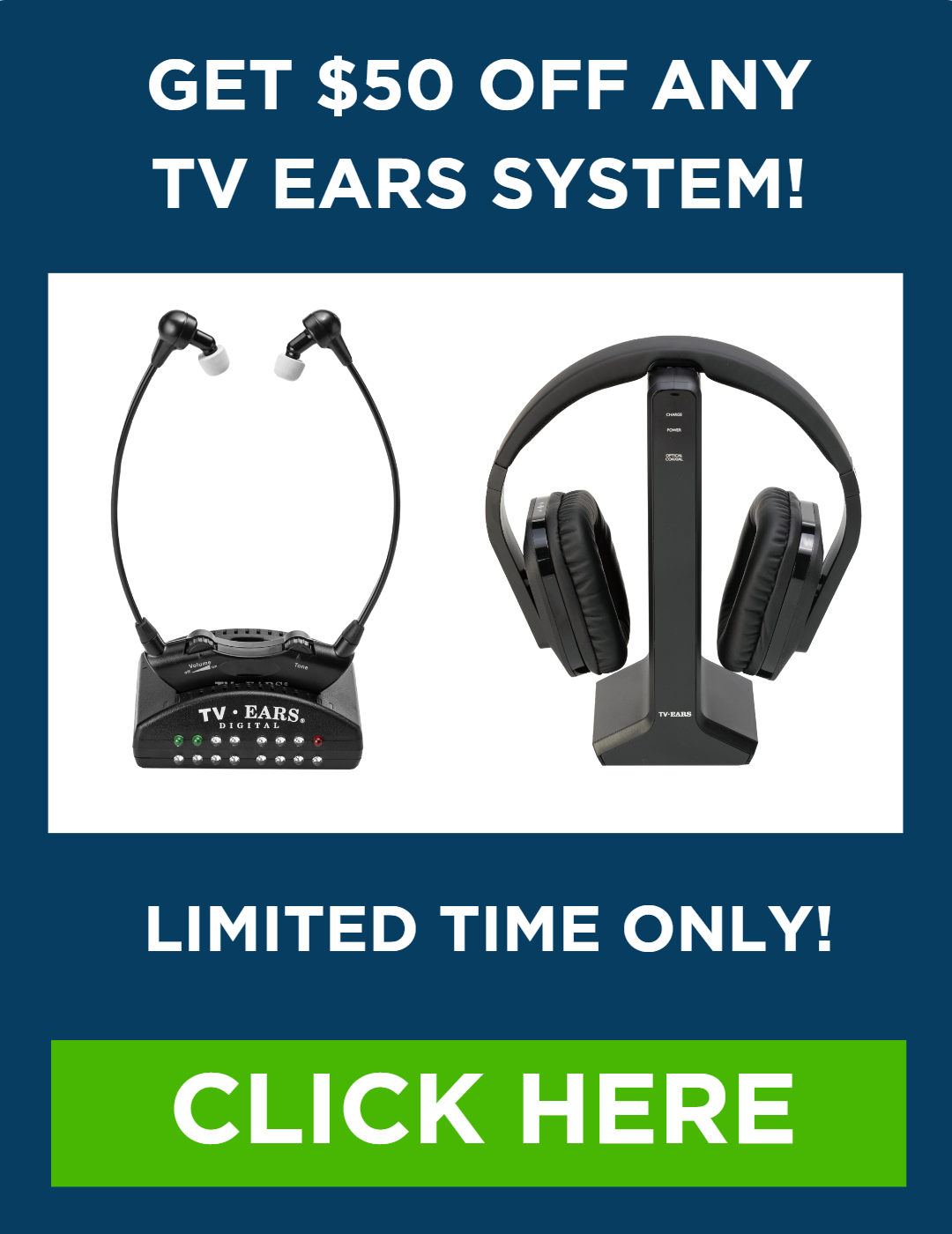
An under-the-chin headset is a unique and incredibly lightweight style that has become a favorite for TV listening. Instead of a band that goes over your head, this design features a stethoscope-style headset that rests gently on your collarbone, with small earbuds that direct sound into your ears. This style, used by brands like TV Ears, is exceptionally light and comfortable, especially for those who wear glasses or don’t like the pressure of a traditional headband. It’s easy to put on and take off, making it a practical and hassle-free option for daily use.
A Practical Guide to Choosing the Right Pair
With a good understanding of the technologies, features, and styles available, you’re ready to make a choice. But there are still a few practical considerations to keep in mind, like your budget and the day-to-day usability of the device. Thinking about these final details will help ensure you select a product that not only works well but also fits seamlessly into your life. A little planning around price, battery life, and potential troubleshooting can save you headaches down the road and lead you to a solution you’ll be happy with for years to come.
What to Expect for Your Budget
You don’t have to spend a fortune to get a good TV listening device, but it’s helpful to know what your money gets you. In the under-$80 range, you can find basic systems that will effectively amplify the TV sound. As you move into the $80-$150 price range, you’ll start to see headphones with better sound quality, more reliable connections, and key features like voice clarification technology. Higher-end models may add premium features like Active Noise Cancellation or advanced customization options. Setting a realistic budget will help you focus on the best options in your price range.
Considering Battery Life and Charging
There’s nothing more frustrating than having your headphones die in the middle of a movie finale. When comparing models, pay close attention to the advertised battery life. Look for a pair that offers at least 15-20 hours of listening time on a single charge to avoid constant recharging. Just as important is the charging method. Many dedicated TV systems come with a convenient charging cradle that’s built into the transmitter base. This makes it easy to store your headset and ensure it’s always charged and ready to go when you are.
Common Issues to Watch Out For
Even the best technology can have hiccups, but thankfully, most common issues with TV headphones are easy to solve. If you’re not getting any sound, the first step is always to double-check the basics. Make sure the transmitter and headset are both turned on and that all cables are securely plugged into the correct ports on your TV. Sometimes, simply turning the devices off and on again can resolve a connection issue. Keeping the instruction manual handy for the first few weeks can also help you quickly sort out any minor setup problems.
Popular Brands in TV Listening
As you research, you’ll likely come across a few key brands that consistently appear in reviews and recommendations. These companies have established themselves as leaders in the audio and assistive listening space, each with its own strengths. While TV Ears specializes in voice-clarifying technology with a focus on simplicity and ease of use, other brands offer a wide range of products with different features and designs. Knowing the major players can help you understand the landscape and compare products more effectively. Here are a few of the most popular names you’ll encounter.
Sennheiser
Sennheiser is a well-respected German audio company known for producing high-quality headphones and microphones for both consumers and professionals. In the TV listening space, they offer a range of RF wireless headphones and more recently, advanced earbud systems like the TV Clear, which are designed to provide excellent speech intelligibility. Their products are often praised for their sound quality and durable construction, making them a popular choice for audiophiles and those seeking a premium listening experience.
Avantree
Avantree has carved out a niche for itself by focusing on user-friendly wireless audio solutions, particularly for home entertainment. They offer a wide variety of TV headphone sets, including many that use Bluetooth with low-latency technology to minimize audio lag. Avantree is also known for its “dual-link” products, which allow two pairs of headphones to connect to a single transmitter, making them a great option for couples who want to watch TV together at their own preferred volumes.
Sony
As a giant in the consumer electronics world, Sony offers a range of wireless headphones that can be used for watching TV. While many of their popular models are general-purpose Bluetooth headphones, they also produce dedicated RF wireless headphone systems designed specifically for home theater use. These systems are often praised for their comfortable over-ear designs and long battery life, providing a reliable option from a brand that is a household name in home entertainment.
Insignia
Insignia is the house brand for Best Buy, offering affordable electronics that provide solid performance for the price. They produce analog RF wireless TV headphones that are a popular budget-friendly choice for consumers looking for a simple amplification solution without too many bells and whistles. While they may not have the advanced voice-clarifying features of more specialized brands, they offer a straightforward and accessible entry point into the world of personal TV listening.
Finding the Perfect Sound for Your Shows
Choosing the right TV listening device is about more than just technology and features; it’s about reconnecting with the entertainment you love. The goal is to find a solution that makes watching television effortless and enjoyable again. With the right headphones, you can catch every witty line of dialogue in your favorite sitcom, follow the intricate plot of a tense drama, and feel the excitement of a live sporting event. It allows you to immerse yourself in captivating stories and share the experience with family without arguments over the volume. By taking the time to find the right fit, you can bring the joy and clarity back to your TV time.
Frequently Asked Questions
Why can’t I just use my regular Bluetooth headphones for the TV? While you can sometimes pair standard Bluetooth headphones with a smart TV, it often leads to a frustrating audio delay. You might notice that the words you hear are out of sync with the actors’ lips on screen. Dedicated TV headphones, especially those using Radio Frequency (RF) technology, are designed specifically for video and transmit the sound almost instantly, eliminating that annoying lag for a much better viewing experience.
I’m worried about not hearing the doorbell or my family. Will these headphones completely block out my surroundings? That’s a very common and valid concern. Many TV headphones are designed with this in mind and include a feature often called an “ambient sound mode.” This uses a small microphone on the headset to pick up important sounds around you—like a ringing phone or someone calling your name—and plays them through the headphones along with your TV audio. This way, you can enjoy clear sound without feeling completely cut off from your environment.
Are these systems difficult to install? I’m not very tech-savvy. Not at all. Most dedicated TV headphone systems are created with simplicity as a top priority. The setup is usually very straightforward: you plug a small transmitter base into the audio-out port on your television and then turn on the headset. Because the headset and transmitter are already paired, you typically don’t have to deal with any complicated menus or pairing processes.
Can two people use these headphones to watch the same TV at the same time? Yes, this is a great option for couples. While a standard set is for one person, some brands offer systems specifically designed for two users. These come with two headsets that connect to a single transmitter, allowing both people to listen at their own individually controlled volume. It’s a perfect way to enjoy a show together without arguing over the sound level.
How do these work with my hearing aids? Do I wear them over my hearing aids? You generally would not wear large, over-ear headphones on top of your hearing aids. For most systems, you would simply remove your hearing aids to use the TV headset. Some styles, like the lightweight under-the-chin headsets, are designed to be comfortable and unobtrusive, directing sound right into your ear without interfering with anything you might wear behind your ear.
Key Takeaways
- Look for voice clarification to hear dialogue clearly: Instead of just making the entire TV louder, choose a system that intelligently separates speech from background noise, ensuring you never miss a word of the conversation.
- Select Radio Frequency (RF) headphones to prevent audio lag: Unlike standard Bluetooth, which can cause a frustrating delay between the picture and sound, RF systems offer a direct connection that keeps the audio perfectly in sync with the action on screen.
- Find a comfortable style with personalized audio controls: The best headphones are the ones you’ll actually wear, so consider lightweight designs and look for key features like independent left/right volume balance to tailor the sound perfectly to your hearing.