The battle over the TV remote is a classic household drama, but the real conflict is often about the volume. When one person needs it loud just to follow the dialogue, it can be overwhelming for everyone else in the room. This common frustration can turn a relaxing evening into a source of tension. The solution isn’t just turning the sound up; it’s about making it clearer. That’s where specialized headphones for TV come in. Unlike standard music headphones, these devices are engineered to clarify speech and provide a personal listening experience, allowing you to hear every word perfectly without disturbing others. This guide will walk you through everything you need to know to choose the right pair.
If you’re considering purchasing a headphone for TV use, there are some important things to keep in mind. Headphones designed specifically for TV use are a great way to enhance your viewing experience without disturbing others or struggling to hear dialogue. In this blog post, we’ll discuss the top 5 things you need to know about a headphone for TV use.
- Compatibility: The first thing you need to consider when purchasing a headphone for TV use is compatibility. Make sure the headphone you choose is compatible with your TV model and brand. Some headphones may only work with certain TV models, so it’s important to do your research before making a purchase.
- Sound Quality: The second thing you need to consider is sound quality. Look for headphones that deliver clear and crisp audio, with customizable sound settings. This will allow you to adjust the volume and tone to your individual needs, ensuring that you’re comfortable and able to enjoy your favorite shows and movies.
- Connectivity: The third thing you need to consider is connectivity. There are two main types of connectivity for headphones: Bluetooth and Wi-Fi. Bluetooth headphones are easy to use and can be paired with other devices like smartphones or tablets, while Wi-Fi headphones offer better connectivity and range.
- Comfort: The fourth thing you need to consider is comfort. Look for headphones that are designed to fit comfortably on your ears, without causing discomfort or pressure. Make sure they’re lightweight and easy to wear for extended periods.
- Battery Life: The fifth thing you need to consider is battery life. Look for headphones that offer long battery life, with at least 8-10 hours of continuous use. They should also come with a charging dock, making it easy to charge them when they’re not in use.
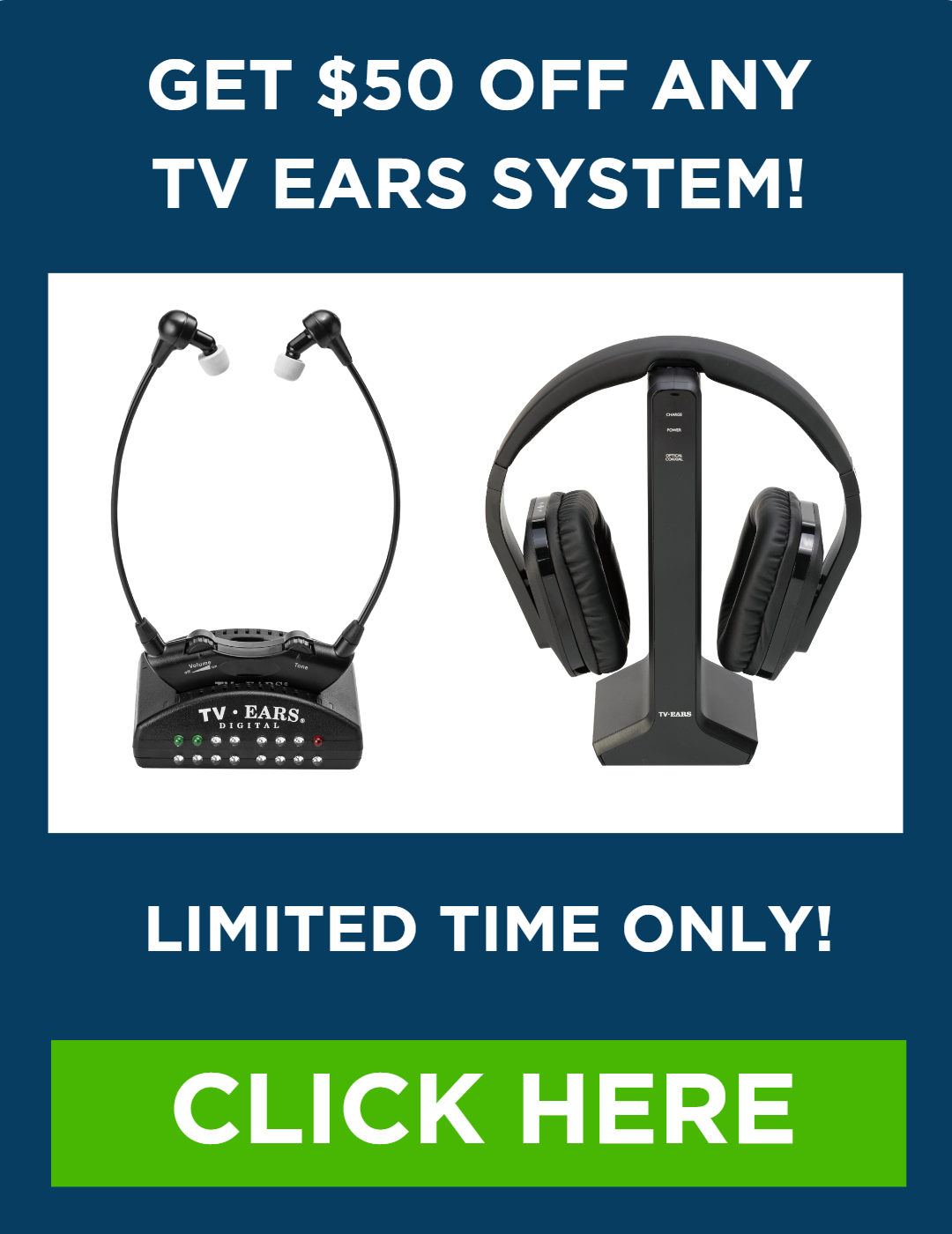
In conclusion, a headphone for TV use is a great investment for anyone who wants to enhance their viewing experience. But consider compatibility, sound quality, connectivity, comfort, and battery life when making a purchase. By keeping these five things in mind, you’ll be able to choose the perfect headphone for TV use that meets your individual needs and preferences. However, for those living with a hearing difficulty, there is a clear winner in all five categories; TV Ears.
A Complete Guide to Choosing Headphones for TV
Finding the right headphones for watching television is about more than just turning up the volume. While today’s TVs offer stunning visuals, their built-in speakers can often leave dialogue sounding muffled or lost amidst loud background music and sound effects. This can be especially frustrating if you have some degree of hearing loss, turning a relaxing evening into a constant struggle to keep up with the conversation. That’s where headphones designed specifically for TV use come in. Unlike standard headphones built for music, these devices are engineered to enhance the listening experience by isolating and clarifying voices. They use special technology to make spoken words crisp and clear, so you can catch every whisper and witty remark without straining to hear.
The real beauty of a dedicated TV headphone system is the personal control it gives you. You can set the volume to your perfect level without affecting what anyone else in the room hears, ending the “volume wars” for good. Many of these systems, including our own TV listening systems, use a reliable transmitter base that provides a stable connection, so you don’t have to worry about the audio cutting out or lagging behind the picture—a common issue with some other wireless technologies. They are designed for comfort during long viewing sessions and are incredibly straightforward to set up. Let’s walk through the simple steps to get your new headphones connected so you can start enjoying television again.
How to Connect Wireless Headphones to Your TV
Getting your wireless headphones connected to your TV can seem a bit technical, but it’s usually a simple process. The key is knowing what to look for on your television and understanding how the headphones receive the sound. Most dedicated TV headphones are designed for a quick and easy setup, so you can get back to enjoying your favorite shows with clear audio. We’ll walk through the two main steps to get you started, ensuring you have a smooth, frustration-free experience from the moment you open the box.
Step 1: Check Your TV’s Audio Output Ports
First, you’ll need to take a look at the back or side of your television to see what kind of audio output ports are available. These ports are what send the sound from your TV to your headphones. The most common types you’ll find are a Digital Optical port (a small, square-shaped port that often has a little flap), RCA ports (the classic red and white circular ports), or a 3.5mm headphone jack, just like the one on a phone or laptop. Knowing which ports your TV has is the most important step, as it determines which headphones will be compatible. If you’re unsure what you’re looking at, a quick guide to TV audio connections can help you identify them.
Step 2: Understand the Role of a Transmitter Base Station
Most high-quality wireless TV headphones use a transmitter to deliver clear, uninterrupted sound. This small box connects directly to one of the audio output ports on your TV that you identified in the first step. Its job is to take the audio signal from your television and send it wirelessly to your headphones. This technology, often called Radio Frequency (RF), is excellent for watching TV because it avoids the audio delays and pairing issues that can sometimes happen with Bluetooth. Systems like our TV Ears Digital are designed with this in mind; the transmitter base station plugs right into your TV and also serves as a convenient charging dock, so your headset is always ready when you are.
Understanding Wireless Technology: RF vs. Bluetooth
When you think of “wireless,” your mind probably jumps to Bluetooth. It’s the technology that connects your phone to your car or a portable speaker. However, when it comes to watching television, not all wireless technologies are created equal. The two main players are Radio Frequency (RF) and Bluetooth, and the difference between them can have a huge impact on your viewing experience. Understanding how each one works will help you choose the right headphones to hear your TV clearly and without frustration, ensuring you catch every word of dialogue without issue.
Radio Frequency (RF) Headphones
Radio Frequency headphones are a fantastic solution designed specifically for home entertainment. They operate using a dedicated transmitter base that you plug directly into your television’s audio output. This transmitter sends a reliable audio signal straight to your headphones. Because this system creates its own direct wireless connection, it isn’t prone to the same kind of interference or delay that can affect other wireless devices in your home. This dedicated setup is what makes RF technology a superior choice for watching movies and shows, providing a stable and clear sound experience every time you sit down to watch.
Why Low Latency (Audio Delay) is Critical for TV
Have you ever watched a video where the sound doesn’t quite match the person’s lips? That distracting delay is called latency. For TV viewing, low latency is essential for an enjoyable experience. RF systems excel here, as they generally have a much shorter delay than Bluetooth. Experts suggest that an audio delay of 100 milliseconds or less is ideal to avoid noticeable lip-sync issues. This means with RF headphones, the words you hear will perfectly match the action you see on screen, keeping you immersed in your favorite show without any frustrating disconnects.
The Benefit of a Long Wireless Range
Another major advantage of RF headphones is their impressive range. Unlike Bluetooth, which typically has a range of about 30 feet, RF systems can often work up to 300 feet away from the transmitter. This signal is also strong enough to pass through walls and ceilings. This gives you the freedom to move around your home without missing a moment of your program. You can get up to grab a drink from the kitchen or check on something in another room and stay completely connected to the audio from your TV.
Bluetooth Headphones
Bluetooth is incredibly convenient for listening to music on the go, but it often falls short when used for television. While many modern TVs have Bluetooth capabilities, and you might be tempted to use the same headphones you pair with your phone, this can lead to some common issues. The technology wasn’t originally designed for the high-fidelity, perfectly synced audio that television demands. This can result in a less-than-ideal viewing experience, especially if you have trouble hearing dialogue clearly and need the audio to be perfectly timed.
Common Audio Sync Issues
The most frequent complaint about using Bluetooth headphones with a TV is audio lag. As mentioned earlier, this delay between the video and audio can make it seem like you’re watching a poorly dubbed foreign film. This happens because Bluetooth technology has to compress and decompress the audio data, which takes time. While this slight delay isn’t noticeable when you’re just listening to music, it becomes a significant problem when you need the sound to sync perfectly with the picture on your television screen.
Limitations on Connecting Multiple Headphones
If more than one person in your household wants to use wireless headphones to watch TV, Bluetooth can present a challenge. Most televisions can only connect to one or, at most, two Bluetooth devices at a time. This can be a major drawback for couples or families who want to enjoy a show together at their own preferred volumes. In contrast, many RF systems, like those from TV Ears, are designed to support multiple headsets from a single transmitter, making it a simple and effective solution for shared viewing.
Key Features for the Best Viewing Experience
When you’re looking for headphones to use with your television, it’s about more than just hearing the sound—it’s about improving the entire experience. The right features can transform a muffled, frustrating viewing session into an immersive and enjoyable one. Key characteristics like superior sound quality, voice clarification, and long-term comfort separate standard headphones from those truly designed for TV. These elements work together to ensure you catch every whisper of dialogue and feel every cinematic boom, all while keeping the peace in your household. Let’s explore the specific features that make the biggest difference in your daily viewing.
Sound Quality and Enhancement
Great sound is the foundation of any good pair of TV headphones. Look for options that deliver crisp, clear audio and allow you to customize the settings to your liking. The ability to adjust volume and tone independently from the TV is a huge plus, as it puts you in complete control of your listening environment. This personalization ensures you can hear everything perfectly without making the volume too loud for others in the room. High-quality sound isn’t just about loudness; it’s about the richness and clarity that brings your favorite shows and movies to life, making the experience more engaging and enjoyable for you.
Voice Clarification for Clear Dialogue
Have you ever found yourself rewinding a scene because you couldn’t understand what a character said? It’s a common issue, as dialogue often gets lost in a mix of background music and sound effects. This is where voice clarification technology becomes essential. Some systems are specifically engineered to lift dialogue out from the background noise, making speech crisp and easy to understand. For instance, TV Ears systems are designed with this technology at their core, which is why they are often recommended by doctors for people who have difficulty hearing the television, even if they already use hearing aids.
Noise Isolation with Over-Ear Designs
To truly get lost in a show, you need to tune out the world around you. Over-ear headphones are excellent for this, as their cushioned ear pads create a physical seal that blocks out ambient household sounds. This feature, known as passive noise canceling, can minimize distractions like conversations in the next room, a running dishwasher, or traffic outside. By creating a quiet, personal listening space, these designs help you focus completely on the TV’s audio. This means you can enjoy your program at a comfortable volume without having to compete with other noises in your environment.
Immersive Audio Features
For those who want a more cinematic feel, some TV headphones offer advanced audio features like virtual surround sound. This technology creates a multi-dimensional soundscape that makes you feel like you’re right in the middle of the action. Imagine hearing the subtle rustle of leaves behind you in a nature documentary or the roar of a spaceship flying past in a sci-fi blockbuster. While not essential for everyone, these immersive modes can make movie nights feel more like a trip to the theater. Some systems also include special settings like a bass boost for more impactful sound effects.
Comfort and Battery Life
Even the most technologically advanced headphones won’t get much use if they’re uncomfortable or constantly running out of power. Since you’ll likely be wearing them for the duration of a movie or for binge-watching a few episodes of a series, comfort is non-negotiable. Look for a lightweight design with soft, breathable ear pads that won’t cause pressure or discomfort over time. Equally important is a reliable battery that won’t die on you mid-cliffhanger. A long battery life and a simple charging solution are practical features that make a world of difference in your day-to-day use.
A good pair of headphones for TV should offer at least eight to ten hours of continuous use on a single charge. This gives you plenty of power to get through several movies or a full day of watching your favorite shows. To make things even easier, many TV headphone systems come with a dedicated charging dock that’s built into the transmitter base. This means that whenever you’re not using the headphones, you can simply place them on the stand to recharge. This convenient setup ensures they are always charged and ready to go for your next viewing session, eliminating the frustration of a dead battery.
Struggling to Hear the TV? Why TV Ears Is the Answer
Watching TV is a popular pastime for many, but for people with hearing difficulties, it can be a frustrating experience. Traditional headphones may not be sufficient to address the challenges faced by people with hearing difficulties, but TV Ears offers a solution that is specifically designed to meet their needs. In this blog post, we’ll explore why TV Ears is the best choice for someone with a hearing difficulty for a headphone for TV use. TV Ears offers a unique technology that enhances the audio quality of television programming. The wireless headphones use advanced Voice Clarifying Circuitry to amplify and clarify the dialogue, making it easier to understand for people with hearing difficulties. This technology is exclusive to TV Ears and sets it apart from other headphones on the market. In addition to its advanced technology, TV Ears is also incredibly easy to use. The headphones are wireless, allowing users to move around freely without being tethered to their TV. The volume and tone can be easily adjusted to meet individual needs, ensuring a comfortable and enjoyable viewing experience. TV Ears also comes with a transmitter that plugs directly into your TV, making setup quick and hassle-free. TV Ears also offers a range of additional features that make it the best choice for people with hearing difficulties. The headphones have a long battery life and come with a convenient charging dock, making it easy to keep them charged and ready to use. Finally, TV Ears is an affordable option compared to other hearing aid alternatives. Traditional hearing aids can be expensive, and insurance may not cover the cost. TV Ears offers an affordable and accessible solution that can improve the TV viewing experience for people with hearing difficulties. If you or someone you know has a hearing difficulty, consider giving TV Ears a try and experience the difference it can make.
Special Considerations for Seniors and Hearing Loss
When choosing TV headphones, especially for seniors or anyone dealing with hearing loss, the technical specs are only part of the story. The day-to-day usability is what truly makes a difference. It’s essential to find a product that solves the problem of hearing the TV without creating new frustrations. The best solutions are designed with the user’s comfort and ease in mind, removing any technological barriers that might stand in the way of a better viewing experience. This means looking beyond just sound quality and focusing on features that cater specifically to the needs of someone who wants a simple, effective way to enjoy their favorite shows again.
The Importance of a Simple “Plug-and-Play” Setup
Let’s be honest, no one wants to spend an hour fumbling with complicated instructions, trying to pair devices, or searching for a Wi-Fi password just to watch TV. For many seniors, this kind of setup is a non-starter. That’s why a simple “plug-and-play” design is so crucial. The best TV headphones, like those from TV Ears, are designed to work right out of the box. You simply plug the transmitter into the TV, turn on the headphones, and they connect automatically. There’s no need to manage confusing Bluetooth menus or deal with dropped connections, offering a straightforward and reliable solution every time you turn on the television.
Using Headphones and TV Speakers Simultaneously
One of the most common sources of friction in a household is the TV volume. When one person needs it loud to understand the dialogue, it can be overwhelming for others in the room. A key feature to look for is the ability to use the headphones while the TV’s internal speakers continue to work. This allows the headphone user to adjust their volume to the perfect level, complete with voice-clarifying technology, while their family or friends listen at a normal, comfortable volume. It’s a simple feature that restores peace to the living room and makes watching TV a shared, enjoyable activity again, rather than a nightly battle over the remote control.
Solutions for Households with Multiple Viewers
Hearing loss isn’t always an individual issue; sometimes, multiple people in the same home face similar challenges. In other cases, different family members might just prefer the immersive experience of headphones. In these situations, you need a system that can accommodate more than one listener without requiring a separate device for every single person. Finding a flexible solution ensures that everyone can enjoy television together, each with their own personalized audio experience. This is especially important for couples or families who value their time together in front of the screen and want to ensure everyone is comfortable.
Connecting Several Headphones to a Single TV
What if two people in your home need help hearing the TV? Many high-quality systems are built for this exact scenario. Unlike some technologies that limit you to one or two connections, many dedicated TV headphone systems allow you to connect multiple headsets to a single transmitter. In fact, some systems can support dozens of headphones at once. This is an ideal solution for couples who both want to use a headset, allowing each person to control their own volume independently. It’s a feature that makes a product incredibly versatile, ensuring that everyone in the room gets the crystal-clear audio they need to fully enjoy their favorite movies and shows together.
Frequently Asked Questions
Can other people in the room still hear the TV when I’m using the headphones? Yes, absolutely. Most dedicated TV headphone systems are designed so that the TV’s built-in speakers can stay on while the headphones are in use. This is one of their biggest benefits. It means you can have the sound at your ideal volume and clarity in your headset, while your family or friends can listen at a level that’s comfortable for them. It’s the perfect way to end the battle over the remote control.
Why can’t I just use my regular Bluetooth headphones with the TV? While you technically can, you might run into a frustrating issue with audio lag. You’ve probably seen it before—the characters’ lips don’t match the words you’re hearing. This happens because Bluetooth wasn’t originally designed for the perfect audio-video sync that TV requires. Headphones made specifically for television often use Radio Frequency (RF) technology, which provides a direct, stable connection that keeps the sound perfectly aligned with the picture.
I’m not great with technology. Is the setup process complicated? Not at all. These systems are created with simplicity in mind. The setup is typically a straightforward “plug-and-play” process. You connect a small transmitter box to an audio port on the back of your TV, plug it into a power source, and that’s it. The headphones connect to that transmitter automatically, so you don’t have to deal with confusing menus or pairing procedures every time you want to watch a show.
How do these headphones actually make dialogue easier to understand? Instead of just making everything louder, which can make background music and sound effects overwhelming, these headphones use special voice clarification technology. This tech intelligently identifies speech frequencies and lifts them forward while reducing competing background noise. The result is that spoken words sound crisp and distinct, allowing you to catch every part of the conversation without having to strain.
What if both my partner and I need to use headphones? This is a common situation, and many systems are built to handle it. Unlike Bluetooth, which often limits you to one or two connections, many RF systems allow you to connect multiple headsets to a single transmitter base. This means you and your partner can both wear a headset and independently control your own volume, ensuring you both get a perfect listening experience while watching together.
Key Takeaways
- Opt for RF Technology to Avoid Audio Lag: Unlike Bluetooth, Radio Frequency (RF) headphones use a dedicated transmitter that prevents the frustrating delay between the picture and the sound, ensuring dialogue always matches the actors’ lips.
- Prioritize Voice Clarification Over Raw Volume: The best solution for hearing the TV isn’t just making it louder, but clearer. Look for headphones with technology specifically designed to lift speech out from distracting background music and sound effects.
- Choose a System That Allows for Shared Viewing: Find headphones that are simple to set up and can be used while the TV’s main speakers are still on. This allows you to enjoy your ideal volume without affecting what family and friends hear.