It’s a frustratingly common ritual in many living rooms: turning the volume way up to hear people talking, only to frantically turn it down when a loud action scene or commercial break begins. This constant adjustment happens because modern flat-screen TVs prioritize a slim profile over clear audio. The tiny, hidden speakers just can’t separate dialogue from the booming sound effects and music. This leaves you straining to catch important plot points. Thankfully, the fix is often straightforward. A tv with front facing speakers is specifically designed to project dialogue clearly, ending the volume rollercoaster and making your viewing experience much more enjoyable.
The Age-Old Dilemma: Subpar TV Audio
Let’s face it, folks – as much as we love our beloved flat-screen TVs, they often leave a lot to be desired in the audio department. You know the drill: you’re watching an epic battle scene, and the sound is about as intense as a gentle breeze. Or maybe you’re trying to catch every whispered line of dialogue, but it gets drowned out by background noise. It’s enough to make you want to toss that remote straight at the screen (but please don’t – we don’t condone violence against electronics). Fear not, dear viewers, for front speaker TVs are here to save the day (and your eardrums)!
Why Most Flat-Screen TVs Have Poor Sound
You’re not imagining it—the sound on your new, super-thin TV probably isn’t as good as the sound from your old, bulky one. The reason is simple: physics. As TVs have become sleeker and more streamlined, the space available for built-in speakers has shrunk dramatically. Manufacturers have had to get creative, often placing small, downward-firing or rear-firing speakers inside the television’s frame. This design choice means sound waves bounce off your wall or TV stand before they even reach your ears, resulting in muffled, indirect audio that can be incredibly frustrating to listen to.
This is especially true when it comes to hearing dialogue clearly. When voices have to compete with dramatic music, sound effects, and ambient noise in a movie or show, those tiny, poorly placed speakers just can’t keep up. The result is a muddy sound mix where crucial lines get lost. It’s a common complaint that as picture quality has soared, audio quality has taken a nosedive, leaving many of us constantly reaching for the remote to adjust the volume between action scenes and quiet conversations.
The Challenge of Thin Designs
The core of the problem lies in the push for minimalist aesthetics. As one report from TechRadar puts it, “TVs are getting thinner, leaving less space for good speakers. This often makes voices hard to hear, especially with music or movie effects.” To produce rich, full sound, speakers need room to move air. The slim profile of a modern flat-screen TV simply doesn’t provide the physical depth required for powerful, front-facing speakers that can project sound directly toward the viewer. This compromise forces manufacturers into a corner, prioritizing visual design over functional audio and leaving you to figure out how to make up for the difference.
How to Judge TV Sound Quality
When you’re shopping for a new TV, it’s easy to get mesmerized by the stunning 4K or 8K picture, but it’s just as important to pay attention to the audio specifications. Understanding a few key terms can help you cut through the marketing jargon and find a TV that sounds as good as it looks. While many people end up adding a soundbar to compensate for weak built-in audio, some newer TVs are being designed with sound quality as a priority. Knowing what to look for can save you the hassle and expense of buying extra equipment down the line.
Understanding Speaker Channels and Wattage
Two of the most important specs to check are wattage and speaker channels. Wattage measures the power of the TV’s internal amplifier—higher wattage generally means the sound can get louder without distorting. Speaker channels tell you how many individual speakers are in the TV and where the sound is coming from. A standard TV has two channels (a left and a right speaker), but more advanced models might have a “5.1.2” setup. This means five standard speakers, one subwoofer, and two upward-firing speakers for a more immersive, surround-sound experience that makes you feel like you’re in the middle of the action.
Key Sound Formats: Dolby Atmos and DTS:X
Beyond the hardware, you’ll want to look for support for advanced sound formats like Dolby Atmos and DTS:X. These technologies create a three-dimensional soundscape where audio feels like it’s coming from all around you, not just from the screen. Dolby Atmos is the most common format and is widely supported by streaming services like Netflix, so you’ll find plenty of content to enjoy. DTS:X is another popular format that can offer very high-quality audio, though it’s sometimes less common on streaming platforms. A TV that supports these formats is better equipped to give you a cinematic experience right in your living room.
Key Audio Technologies That Make a Difference
In response to customer complaints about poor audio, some TV manufacturers have started developing innovative technologies to improve sound quality without making TVs thicker. These solutions range from clever speaker placement to advanced software that processes audio in real time to make it clearer and more immersive. Brands like Sony and Panasonic are leading the charge, integrating features that are specifically designed to tackle the biggest audio challenges, like making dialogue easier to understand and adapting the sound to your room’s unique acoustics. These advancements are a welcome change for anyone tired of straining to hear their favorite shows.
Sony’s Acoustic Surface Audio+
Sony has taken a particularly unique approach with its Acoustic Surface Audio+ technology. Instead of using traditional speakers, this system turns the entire screen into a speaker. It uses special actuators placed behind the screen that vibrate to create sound, making it seem as though the audio is coming directly from the characters’ mouths or the action on screen. This technology, found in models like the Bravia 8 and 9, creates a much more realistic and engaging sound experience. By adding tweeters into the TV’s frame, Sony ensures that high-frequency sounds are crisp and clear, perfectly syncing the audio with the visuals.
Features for Enhancing Dialogue
One of the biggest audio hurdles is dialogue clarity. To address this, manufacturers are introducing smart features that use AI to identify and isolate voices from background noise, making them easier to hear. This is a huge benefit for anyone who struggles to follow conversations in movies and TV shows with busy sound mixes. Instead of simply turning the overall volume up—which also makes explosions and music louder—these features specifically target and clarify the frequencies of the human voice. If you still find dialogue difficult to follow even with these features, a dedicated voice-clarifying headset can provide a more direct and personalized sound experience.
Sony’s Voice Zoom 3
Sony’s latest innovation in this area is Voice Zoom 3. This feature uses AI-powered sound separation to recognize human dialogue and amplify it. You can even adjust the level to your preference, so you can make voices stand out without making the rest of the audio overwhelmingly loud. It’s a smart solution that provides a more customized listening experience, ensuring you catch every important word without disturbing others in the room. This technology is a significant step forward for anyone who has ever had to rewind a scene just to figure out what a character said.
Panasonic’s Space Tune
Panasonic also offers sophisticated audio features in its high-end TVs. One standout is “Space Tune,” which automatically calibrates the TV’s sound settings to match the acoustics of your room. Whether your TV is on a stand, in a corner, or mounted on a wall, Space Tune adjusts the audio output for the best possible performance. Additionally, Panasonic includes a “Sound Focus” mode, which directs the sound to a specific listening position. This is perfect for viewers who aren’t sitting directly in front of the screen, ensuring everyone gets a great audio experience, no matter where they’re seated.
The Front Speaker TVs Revolution
These bad boys are designed to elevate your audio game to new heights, delivering rich, powerful sound that’ll make you feel like you’re right in the thick of the action. No more straining to hear those crucial plot points or missing out on the jaw-dropping sound effects that make movies and shows truly immersive. But wait, there’s more! Front speaker TVs aren’t just for movie nights and binge-watching sessions. They’re also perfect for gaming, music streaming, or even hosting killer parties (because who doesn’t love a good living room dance-off?).
The Perks of Going Front and Center
Now, you might be thinking, “Sure, but what’s so special about front speaker TVs?” Well, hold onto your popcorn, folks, because we’re about to give you a crash course in the wonders of front-facing audio.
Immersive Sound Experience
One of the biggest perks of front speaker TVs is their ability to deliver a truly immersive sound experience. Unlike traditional TV speakers that often feel muffled or directionally challenged, front speakers project audio directly towards your viewing sweet spot, enveloping you in a rich, multi-dimensional soundscape.
Easy Setup, No Fuss
Forget about the hassle of setting up complicated home theater systems or running wires all over your living room. Front speaker TVs offer a simple, all-in-one solution that delivers exceptional audio without the headache of extra components or complex installations.
Space-Saving Design
For those living in tight quarters or minimalist spaces, front speaker TVs are a godsend. These sleek, streamlined units take up minimal real estate, allowing you to enjoy premium audio without sacrificing valuable floor or wall space.
Practical Advice for TV Shoppers
Okay, so you’re sold on the idea of better TV audio. But before you run out and buy the first TV with front-facing speakers, let’s talk strategy. Choosing a new television is a big investment, and you want to make sure you get the most bang for your buck. It’s about finding the right balance between sound, picture, and your own specific needs. Thinking through a couple of key decisions now will save you a lot of frustration later and ensure your new setup is perfect for your home.
Deciding Between Built-in Audio and a Soundbar
One of the first questions to ask is whether you’ll rely on the TV’s built-in speakers or add a separate soundbar. While many new TVs have impressive sound systems, an external soundbar almost always provides a richer, more powerful audio experience. If you’re willing to invest in a soundbar, you’ll have a much wider selection of TVs to choose from, as you won’t be limited to models prized for their built-in audio. However, if the main issue is simply catching every word of dialogue without blasting the volume for everyone else in the room, a soundbar might not be the complete solution. For a truly personal listening experience, a device like TV Ears can clarify voices and bring them directly to you, working with any TV setup you choose.
Don’t Forget Picture Quality
While we’re clearly focused on finding great sound, let’s not forget the other half of the equation: the picture. It’s easy to get caught up in audio specs, but a fantastic-sounding TV with a mediocre picture is a recipe for disappointment. As you shop, make sure the TV’s picture quality is a good fit for your viewing environment. For instance, if your living room gets a lot of natural light, you’ll want a bright screen with anti-glare properties. If you primarily watch movies in a dark room, the deep blacks and contrast of an OLED screen might be your best bet. The goal is to find a TV that excels in both audio and visual performance, creating a complete and enjoyable experience every time you turn it on.
Finding the Perfect Fit: Top Front Speaker TV Picks
Alright, now that we’ve got you all hyped up about the wonders of front speaker TVs, it’s time to dive into some top picks that’ll take your home entertainment experience to new heights.
The Showstopper
Sony X950H 4K HDR LED TV For those who demand the ultimate in audio and visual excellence, the Sony X950H is a true showstopper. This stunning 4K HDR LED TV boasts powerful front-facing speakers that deliver rich, room-filling sound, complemented by jaw-dropping picture quality that’ll make you feel like you’re part of the action.
Panasonic Z95A
For anyone who puts sound quality at the top of their list, the Panasonic Z95A is a fantastic contender. It comes with a powerful 5.1.2-channel sound system built right in, creating an incredibly immersive audio experience without any extra setup. The experts at TechRadar call this model a top choice for built-in sound, highlighting its excellent Dolby Atmos performance. This technology makes sound effects feel like they’re coming from all around you—even from above—which is perfect for movie nights.
What’s especially helpful, particularly if you struggle to catch every word, is the Z95A’s exceptionally clear dialogue. You won’t have to constantly reach for the remote to adjust the volume during conversations. It’s no wonder that in online discussions, people frequently recommend this model for its superior audio. If you want a premium home theater experience without adding a separate sound system, the Panasonic Z95A is a remarkable choice.
The Stylish Stunner
Samsung The Frame QLED 4K Smart TV If you’re all about seamlessly blending style and substance, the Samsung The Frame QLED 4K Smart TV is sure to catch your eye (and your ears). This sleek, art-inspired TV features front-facing speakers that deliver crisp, immersive audio, all while doubling as a gorgeous digital art display when not in use.
Sony’s Bravia Lineup (Bravia 9, 8, 7, and A95L)
If you’re searching for a TV with impressive built-in sound, Sony’s Bravia lineup is a fantastic place to start. The Sony Bravia 9 is often praised as one of the best-sounding TVs you can buy, packing innovative audio technology that truly enhances the viewing experience. For those exploring other options, the Bravia 8 also delivers fantastic sound quality, making it a great choice. Similarly, the Bravia 7 is well-regarded for its audio capabilities, ensuring you can enjoy your favorite shows without immediately needing to buy a soundbar.
What really sets these models apart is Sony’s Acoustic Surface Audio+ technology. Instead of using traditional, small speakers, this feature turns the entire screen into a speaker by vibrating it to produce sound. This creates an incredibly immersive effect, making it feel like the audio is coming directly from the characters’ mouths on screen. This is a huge advantage for dialogue clarity, helping you catch every word, a point many TV owners appreciate. The A95L, one of Sony’s top OLEDs, also features this technology, cementing the brand’s focus on creating a complete audio-visual package.
The Budget-Friendly Banger
TCL 5-Series 4K QLED Roku TV Who says you have to break the bank for a premium audio-visual experience? The TCL 5-Series 4K QLED Roku TV proves that you can get outstanding picture quality and front-facing sound without emptying your wallet. Plus, with its built-in Roku streaming capabilities, you’ll have access to a world of entertainment at your fingertips.
Hisense U8N
If you’re looking for a TV that delivers impressive sound right out of the box, the Hisense U8N is a fantastic contender. It features a surprisingly robust 2.1.2-channel sound system that supports both Dolby Atmos and DTS:X, creating a more three-dimensional audio experience. What really sets it apart is the built-in subwoofer that adds a nice punch to the bass, making action scenes feel more impactful. According to TechRadar, the dialogue is clear and full, and the up-firing speakers help create a sense of height, making the sound feel like it’s coming from all around you, not just from the screen.
Roku Pro Series
For those who value clear, direct audio, the Roku Pro Series is an excellent choice. It’s designed with front-firing speakers that project sound directly at you, resulting in full-bodied audio that makes dialogue easy to follow. This model also supports Dolby Atmos, giving you a taste of immersive sound without needing a complex setup. One of the best features is its expandability; you can easily add Roku wireless subwoofers and surround speakers later on to build a more complete home theater system over time. It’s a great starting point with a clear path for future upgrades.
Amazon Fire TV Omni QLED
Sometimes, clarity is more important than cinematic rumble, and that’s where the Amazon Fire TV Omni QLED shines. This TV uses two 12W speakers to produce sound that is direct, clear, and punchy. While it may not create the most immersive, room-filling effects, it excels at making sure you can hear every word. This focus on clarity makes it a solid option for anyone who frequently struggles to understand dialogue in movies and shows. It’s a practical choice that prioritizes crisp audio, ensuring you stay on top of the plot without having to constantly adjust the volume.
Solutions for Hearing Impairment
While a new TV with great built-in speakers can make a big difference, it might not be the complete solution for everyone, especially for those with hearing loss. The good news is you don’t necessarily have to buy a new television to hear it better. Many of the audio challenges you face can be addressed with a few simple adjustments to your current TV’s settings or by adding an external device. These solutions can help isolate dialogue, balance sounds, and provide a personalized listening experience that makes watching TV enjoyable again for you and everyone else in the room.
Before you invest in a new sound system, it’s worth exploring these accessible options. From simple setting changes to specialized listening devices, you have more control over your TV audio than you might think. Let’s walk through some of the most effective ways to improve your listening experience, starting with the tools you already have at your fingertips.
Using Your TV’s Settings to Hear Better
Your TV has a variety of audio settings that can significantly improve sound clarity, but they often go unnoticed. Think of it as a free audio upgrade waiting to be discovered. By spending a few minutes in your TV’s menu, you can often make adjustments that specifically target common issues like muffled dialogue or sudden, loud commercials. These settings are your first line of defense against poor audio and can often provide immediate relief without costing you a dime. Let’s look at a couple of the most helpful settings to try.
Night Mode and Stereo Sound
Have you ever found yourself grabbing the remote to turn the volume down during a loud action sequence, only to turn it back up moments later to hear quiet dialogue? Many TVs offer a “Night Mode” or “Dialogue Enhancement” feature to solve this exact problem. This setting works by compressing the audio range, making loud sounds quieter and soft sounds louder. As a result, you get a more even, consistent volume that prevents you from missing whispered conversations or being startled by explosions. It’s a simple tweak that can make for a much more comfortable viewing experience.
Adjusting the Center Channel
If you have a surround sound system, you have another powerful tool at your disposal. In most movie and TV show audio mixes, the dialogue is primarily sent to the center channel speaker. If you’re having trouble hearing conversations, simply go into your audio receiver’s settings and increase the volume of the center channel. This will make the voices stand out from the background music and sound effects without making the entire soundtrack louder. It’s a targeted adjustment that directly addresses the most common complaint about TV audio: unclear speech.
Using External Devices for Clearer Audio
When your TV’s built-in settings aren’t quite enough, it’s time to consider an external device. These products are specifically designed to deliver clear, personalized sound directly to you. They offer a more powerful and focused solution than your TV’s speakers can provide, making them an excellent choice for anyone with hearing loss. From wireless headphones to specialized TV listening systems, these devices can transform your viewing experience by putting you in complete control of your audio, ensuring you never miss a word of your favorite show again.
Wireless Headphones and PSAPs
Wireless headphones are a popular solution because they allow you to set your own volume without affecting anyone else in the room. For those with hearing loss, a specialized device like TV Ears can be even more effective. Our systems use Voice Clarifying Circuitry® to actively amplify human speech frequencies and reduce background noise, making dialogue exceptionally clear. This means you can hear every word without cranking up the volume. It’s the perfect way to enjoy TV with family, as you get the crisp, clear sound you need while they can listen at a comfortable volume.
Hearing Aids with Bluetooth
Modern technology has made hearing aids more versatile than ever. Many new models come equipped with Bluetooth, which allows you to stream audio directly from your TV to your hearing aids. This essentially turns your hearing aids into a pair of high-quality wireless headphones that are already customized to your specific hearing needs. This direct connection provides a clear audio signal free from room echo or other background noise. If you have Bluetooth-enabled hearing aids, check your TV’s manual to see if it supports Bluetooth audio output for a seamless listening experience.
The Benefit of Closed Captions
Finally, don’t forget one of the most reliable tools for understanding dialogue: closed captions. This feature is available on virtually every modern TV and is completely free to use. Turning on captions by pressing the “CC” button on your remote allows you to read along with the dialogue, ensuring you never miss a crucial plot point, even if the audio is unclear. While it’s a visual aid, it’s an incredibly effective supplement to any audio solution and can be a lifesaver during scenes with heavy accents, mumbling actors, or loud background music.
The Bottom Line: Elevate Your Home Theater Game
At the end of the day, folks, investing in a top-notch front speaker TV is a game-changer for your home entertainment experience. Whether you’re a die-hard movie buff, a sports fanatic, or just someone who appreciates great sound and picture quality, these bad boys will take your viewing (and listening) pleasure to new heights. So, what are you waiting for? Ditch those outdated, subpar TVs and embrace the power of front-facing audio. Your ears (and your eyes) will thank you!
Hear TV Better with TV Ears Headphones
Discover the difference TV Ears wireless headphones and headsets can make in your TV-watching experience. Whether you’re looking for comfortable over-ear headphones or a compact, stylish headset, we have options to suit your needs. 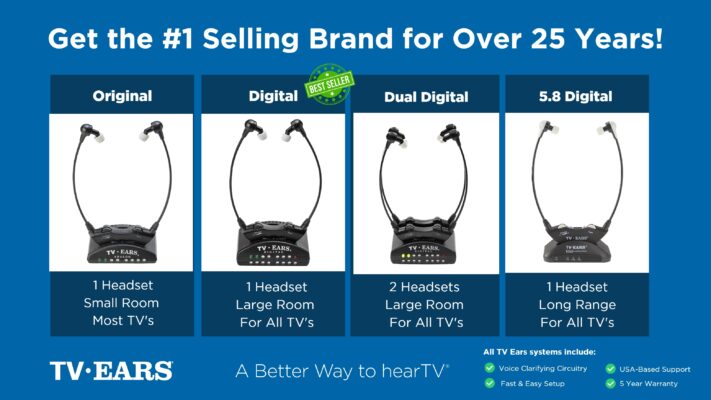 Ready to take your TV audio to the next level? Explore our Wireless Headphones and Headsets collection today! And don’t miss our custom audiologist-designed speaker system. At TV Ears, we are committed to ensuring that everyone can enjoy TV to the fullest. Our range of speakers for TV and wireless headphones and headsets are designed to cater to diverse needs and preferences, making your home entertainment experience truly exceptional. Don’t let hearing difficulties or differing audio preferences hold you back from enjoying your favorite shows and movies. Explore TV Ears’ solutions and rediscover the joy of TV-watching.
More Tips for Better TV Audio
If you’re passionate about enhancing your TV-watching experience, you won’t want to miss our other blog posts. We regularly publish articles on the latest audio technology, home entertainment tips, and more. Check out our latest blogs below:
Enhance Your TV Viewing Experience with Wireless Headphones for Watching TV
Elevate Your TV Experience with TV Ears: The Ultimate Headphones for Televisions
Enjoy Ultimate Freedom with TV Ears: Enhance Your TV with Wireless Headphones
Don’t miss out on valuable insights and tips from TV Ears experts. Investing in the right speaker for your TV can dramatically enhance your home entertainment experience. Whether you’re an audiophile or simply want to enjoy your favorite shows and movies with exceptional sound, a speaker for TV is a worthwhile addition to your setup. Explore TV Ears’ wide range of speakers, headphones and headsets today and start enjoying TV like never before.
Frequently Asked Questions
Do I really need to buy a new TV just to hear the dialogue better? Not at all. Before you consider a major purchase, it’s worth exploring the audio settings on your current TV. Look for features like “Night Mode” or “Dialogue Enhancement,” which can balance the sound and make voices clearer. If those adjustments aren’t enough, an external device like a voice-clarifying headset can provide a direct, powerful solution that works with any television you already own.
You mentioned a lot of tech specs. What’s the most important feature for clear dialogue? It’s easy to get lost in the technical details. If your main goal is hearing conversations clearly, the most impactful feature is simply having speakers that face forward. Sound that is projected directly at you is much crisper than sound that has to bounce off a wall first. Beyond that, look for specific software features with names like “Voice Zoom” or “Dialogue Enhancement,” as these use technology to intelligently identify and amplify human voices over background noise.
Will a soundbar solve the problem of me needing the volume high while others don’t? A soundbar will certainly make your TV’s audio richer and more powerful, but it makes it louder for everyone in the room. This can sometimes make the volume disagreement worse, especially during loud action scenes. If the core issue is a difference in listening needs, a personal listening device is a more direct solution. It allows one person to have clear, amplified sound at their preferred volume without affecting what anyone else hears.
All these new TVs sound great, but are they complicated to set up and use? That’s a valid concern, but you can rest easy. TV manufacturers have made the setup process much more user-friendly over the years, with simple on-screen instructions to guide you. In fact, choosing a TV with excellent built-in audio can actually simplify your setup. You get great sound right out of the box without the extra step of connecting and configuring a separate soundbar or speaker system.
I wear hearing aids. Will they work with these newer TVs? Yes, you have a couple of great options. Many modern hearing aids are equipped with Bluetooth, allowing you to stream audio directly from a compatible TV right into your ears for a crystal-clear signal. If your TV or hearing aids don’t have that feature, you can use an external TV listening system. These devices transmit the audio directly to a headset that can often be worn comfortably along with your hearing aids, giving you a focused sound experience.
Key Takeaways
- Your TV’s thin design is the culprit for bad sound: Sleek, modern TVs hide small speakers that fire sound away from you, which is why dialogue gets lost and you’re always adjusting the volume.
- Shop for sound, not just a pretty picture: When buying a new TV, look for models with front-facing speakers or specific dialogue-enhancement features to ensure the audio quality matches the stunning visuals.
- Improve your current TV’s audio in minutes: Start by exploring your TV’s built-in settings like “Night Mode.” For a more direct solution, a voice-clarifying headset delivers clear dialogue directly to you without disturbing others.