While they are fantastic for improving your TV audio, the benefits of a great pair of wireless headsets don’t end when the credits roll. The same features that make them perfect for movie night—clear sound, a comfortable fit, and no tangled cords—make them incredibly versatile for other parts of your day. You can listen to a podcast while doing chores, catch up on an audiobook while gardening, or take a call while staying aware of your surroundings. These are true freedom of movement headphones, designed to fit seamlessly into your entire life, not just your time in front of the television.

The Benefits of TV Wireless Headsets for Uninterrupted Viewing
Have you ever wished you could watch TV with crystal-clear audio without being tethered to the couch by wires? TV wireless headsets offer the perfect solution for anyone who loves high-quality sound but values freedom of movement. Whether you’re relaxing in your favorite chair, getting up to grab a snack, or even moving between rooms, TV wireless headsets ensure you never miss a moment of your favorite show or movie. With no cords holding you back, TV wireless headsets bring flexibility and convenience to your TV-watching experience.
Understanding Headphone Designs for Freedom and Awareness
When you’re settling in to watch TV for a few hours, comfort is everything. The right headset design not only feels good but also keeps you connected to the world around you. Some of the most innovative designs are “open-ear,” meaning they deliver sound without plugging or covering your ears. This approach is fantastic for maintaining situational awareness, so you can hear the doorbell or a loved one calling your name while still enjoying clear audio from your show. Let’s explore the different technologies and styles that make this possible.
Open-Ear vs. Bone-Conduction Technology
Most headphones that leave your ears open use one of two clever methods: open-ear audio or bone conduction. Open-ear headphones typically feature tiny speakers that sit just outside your ear, directing sound into your ear canal without touching it. It’s a simple and effective way to hear both your device and your environment. Bone-conduction technology is a bit different; it sends sound vibrations through your cheekbones directly to your inner ear. This might sound like science fiction, but it’s a proven technology that leaves your ear canal completely unobstructed. Both options are designed to give you a comfortable, non-isolating listening experience.
How They Work Without Blocking Your Ears
The magic of these designs is that they don’t create a seal in or around your ear. Instead of pushing sound through a tiny earbud, open-ear headphones rest comfortably outside your ear canal. This allows you to hear your TV dialogue clearly while ambient sounds from your home can still reach your eardrum naturally. It’s the perfect balance for anyone who doesn’t want to feel completely cut off from their surroundings while enjoying their favorite programs.
The Benefit of Situational Awareness
One of the biggest advantages of an open-ear design is safety and convenience. You can stay fully engaged in a movie while remaining aware of important household sounds like a ringing phone, a boiling kettle, or a smoke alarm. This is especially helpful if you live with others or are expecting visitors. This design allows you to enjoy personal, high-quality audio without sacrificing your connection to the immediate environment, offering both peace of mind and a more comfortable, long-term listening session.
Common Physical Styles for a Secure Fit
Because comfort is so personal, open-ear headphones come in several different styles to ensure a secure and pleasant fit. You don’t have to worry about them feeling too tight or falling off while you move around. The most popular designs include flexible hooks that rest over your ears, lightweight headbands that wrap around the back of your head, and discreet clips that attach to your outer ear. Each style offers a unique feel, so you can find the one that works best for you and your daily routine.
Flexible Over-Ear Hooks
A very common and reliable style involves a soft, flexible hook that loops gently over the top of your ear. This design provides excellent stability, ensuring the headset stays in place even if you’re getting up from the couch or moving around the house. They are often lightweight and designed to be worn for hours without causing pressure or discomfort, making them a great choice for binge-watching your favorite series.
Wrap-Around Headbands
Often used for bone-conduction headphones, the wrap-around headband style features a thin, light band that goes behind your head. The listening components rest on your cheekbones, just in front of your ears. This design is incredibly secure and keeps your ears completely open to the air. It’s a popular choice for its stability and unique way of delivering clear sound without blocking your ears at all.
Lightweight Ear Clips
For those who prefer a more minimalist feel, lightweight ear clips are an excellent option. These are typically the smallest and most discreet open-ear headphones available. They gently clip onto the side of your outer ear, aiming sound toward your ear canal without any part of the device going inside. Their barely-there feel makes them ideal for users who are sensitive to pressure or weight from traditional headsets.
The Ear Health Benefits of Open-Ear Designs
Beyond comfort and awareness, choosing a headset that doesn’t go inside your ear canal can also be a great decision for your long-term ear health. Traditional earbuds can trap moisture and bacteria, leading to irritation or even infections over time. By allowing your ears to breathe, open-ear designs help you avoid these common issues. They provide a cleaner, more hygienic way to listen, which is especially important when you’re wearing a device for extended periods.
Improving Air Circulation
Because open-ear headphones don’t plug your ear canal, they allow for natural air circulation. This simple feature can make a huge difference in comfort, reducing the feeling of pressure and fatigue that sometimes comes with in-ear buds. Better airflow helps keep your ears dry and can prevent the warm, moist environment where bacteria can thrive, making for a healthier listening experience overall.
Reducing Ear Wax Buildup
Another benefit of keeping the ear canal unobstructed is the reduced risk of ear wax impaction. In-ear devices can sometimes push ear wax deeper into the canal, causing blockages and discomfort. Since open-ear and bone-conduction headphones sit outside the ear, they don’t interfere with your body’s natural process of clearing ear wax, supporting better long-term ear hygiene.
How TV Wireless Headsets Enhance Your TV Experience
Traditional TV audio setups rely on built-in speakers that often lack the clarity and richness needed for an immersive experience. TV wireless headsets change the game by providing direct audio to your ears, eliminating ambient noise and focusing solely on the sound from your TV. The result? Clear, high-definition sound that elevates everything you watch, from action-packed movies to quiet, dialogue-heavy dramas. TV wireless headsets are particularly beneficial for people who share living spaces. Watching TV late at night without disturbing others becomes a breeze, and you won’t need to worry about blasting the volume just to hear every detail. These headsets provide a private, personalized audio experience that makes watching TV more enjoyable.
Sound Quality and Advanced Audio Features
When you think about wireless headsets, convenience is probably the first thing that comes to mind. But today’s models offer so much more than just freedom from cords. They are packed with technology designed to deliver rich, detailed, and customizable sound. For anyone who struggles to catch quiet dialogue or feels like the background noise in a show is overwhelming, these advanced audio features can completely change the way you experience television. It’s not just about hearing the TV; it’s about hearing it clearly and exactly the way you want, making every movie night more immersive and enjoyable.
Audio Characteristics of Open-Ear Headphones
Unlike traditional headphones that cover or seal your ears, open-ear designs rest just outside your ear canal. This unique approach to audio delivery allows you to stay aware of your surroundings while still enjoying your show. You can hear the doorbell, a ringing phone, or a family member calling your name without ever having to press pause. This design also offers a more natural, speaker-like listening experience, as the sound isn’t being piped directly into a sealed-off ear. It’s a great balance of personal audio and environmental awareness, perfect for home use.
Bass Response Compared to Traditional Earbuds
One of the key differences you might notice with open-ear headphones is the bass response. Because they don’t create a seal in your ear canal, they typically produce less deep, rumbling bass than traditional earbuds. While this might sound like a drawback, it’s often an intentional design choice that prioritizes vocal clarity. For watching TV, this can be a huge advantage. Instead of muddying the sound with overpowering explosions or a booming musical score, these headphones focus on delivering crisp, clear dialogue. This means you’re less likely to miss important conversations and plot points, making for a much less frustrating viewing experience.
Technology for High-Fidelity Sound
The idea that wireless audio is lower quality than wired is a thing of the past. Thanks to significant advancements in audio technology, modern TV wireless headsets can deliver high-fidelity sound that captures every detail. From the subtle rustle of leaves in a nature documentary to the complex layers of a film score, these technologies work together to transmit a clean, rich, and uncompressed audio signal from your TV to your ears. This ensures you’re getting the full audio experience the creators intended, without being tied down by cables.
High-Resolution Bluetooth Codecs (e.g., LDAC)
One of the secrets to great wireless audio is the Bluetooth codec. Think of a codec as a special language that your TV and headset use to package and send audio information wirelessly. Standard codecs sometimes have to compress the audio, which can cause a loss of detail. However, advanced codecs like LDAC can transmit significantly more data, allowing for high-resolution audio that sounds incredibly detailed and lifelike. With a headset that supports a high-quality codec, you’ll hear more nuance in the sound, making your favorite shows and movies feel more vibrant and engaging.
Advanced Driver Components for Clarity
Inside every headphone is a small but powerful component called a driver, which is responsible for creating the sound you hear. The quality and tuning of these drivers make a massive difference in audio clarity. Many high-quality headsets use advanced drivers that are precisely engineered to reproduce sound accurately across all frequencies. Some are even specifically tuned to emphasize the frequencies of human speech. This is especially helpful for anyone with hearing loss, as it can make dialogue stand out from background music and sound effects, ensuring you can follow the conversation with ease.
Personalizing Your Sound with Companion Apps
Everyone’s hearing is different, so a one-size-fits-all audio setting doesn’t always work. That’s why many modern wireless headsets come with companion apps for your smartphone or tablet. These apps put you in control, allowing you to customize the audio output to perfectly match your hearing needs and personal preferences. Whether you need to make voices more prominent or tone down sharp, high-pitched sounds, a companion app gives you the tools to create a listening experience that is comfortable and clear for you.
Using an Equalizer (EQ) to Adjust Audio
A key feature in many of these companion apps is the equalizer, or EQ. An EQ gives you a set of controls to adjust different audio frequencies—the bass (lows), midrange (mids), and treble (highs). Since human speech falls mostly within the midrange, you can use the EQ to slightly raise those frequencies, making dialogue pop. If you find background music distracting, you can lower the bass. This ability to fine-tune the sound is incredibly empowering, as it lets you create a custom audio profile that makes watching TV more enjoyable and less of a strain.
The Freedom of Wireless: No More Tangled Cords
One of the biggest advantages of TV wireless headsets is the freedom they provide. With no cords to worry about, you can move around your home without pausing your viewing. Need to step into the kitchen while a game is on? No problem. Want to continue listening to your show while folding laundry? Done. TV wireless headsets allow you to multitask without missing a beat, offering seamless connectivity with long battery life so you can watch, move, and live without interruptions. TV Ears has designed TV wireless headsets that are lightweight and comfortable for extended wear. Whether you’re settling in for a marathon binge-watching session or catching up on the latest episode of your favorite series, these headsets ensure that you stay comfortable and immersed in your entertainment.
Features for Active Use and Durability
When you invest in a pair of wireless headsets, you want them to last. While you might primarily use them for watching TV, durability features can provide peace of mind for everyday life. Whether you enjoy listening to an audiobook while gardening or catching up on the news while doing dishes, you need a device that can handle a little real-world activity. Features like water and sweat resistance aren’t just for athletes; they’re for anyone who wants their technology to be as flexible and resilient as they are. Thinking about these features helps you choose a headset that fits seamlessly into all parts of your day, not just your time on the couch.
Water and Sweat Resistance Explained
Life is full of little accidents, from a spilled glass of water to getting caught in an unexpected rain shower on your way in from the car. That’s where water and sweat resistance comes in. To help you understand just how protected a device is, manufacturers use a standardized system called the Ingress Protection (IP) rating. This rating tells you exactly how well the headset’s casing can keep out dust and water. For water resistance, you’ll want to look at the last digit in the rating, often shown as “IPX” followed by a number. The higher the number, the more water the device can handle without being damaged.
Understanding IP Ratings (IPX4 vs. IPX7)
For most daily activities, a headset with an IPX4 rating is more than enough. This means the device is protected from splashing water from any direction. Headphones with an IPX4 rating are ideal for handling sweat during a brisk walk or getting caught in light rain. On the other hand, an IPX7 rating indicates a much higher level of water protection. A device with this rating can be fully submerged in up to a meter of water for about 30 minutes. While you probably won’t be taking your TV headset for a swim, knowing the difference helps you pick a product that matches your lifestyle.
Special Features for Swimming
While most of us aren’t planning to watch our favorite shows from the deep end of a pool, some headsets are specifically designed for swimmers. These devices have to overcome a major technological hurdle that standard wireless headsets don’t face. Because typical wireless signals struggle to travel through water, these specialized headphones require a completely different approach to deliver clear audio. They are a great example of how technology can be adapted for very specific needs, offering a unique solution for athletes who want to listen to music while they train in the water.
Why Onboard MP3 Storage is Essential
The main challenge for swimming headsets is that Bluetooth technology doesn’t work well underwater. The signal simply can’t travel from your phone to your headphones. To solve this, manufacturers build memory directly into the headset, allowing you to store MP3 music files on the device itself. This essentially turns the headset into a waterproof, self-contained music player. By loading your favorite songs onto the headphones before you get in the pool, you can enjoy uninterrupted audio without needing a constant wireless connection, ensuring a great listening experience even while swimming laps.
Setting Up TV Wireless Headsets: Easy as 1, 2, 3
One of the concerns many people have when switching to TV wireless headsets is the setup process. Thankfully, TV Ears makes it easy. Simply connect the transmitter to your TV’s audio output, turn on your TV wireless headsets, and you’re ready to go. The headset pairs automatically with the transmitter, so you don’t have to fiddle with complicated Bluetooth settings or deal with constant re-pairing. Most TV Ears TV wireless headsets come with volume controls built right into the headset, allowing you to adjust the audio to your liking without needing to use the TV remote. This means you can easily fine-tune the sound while you watch, ensuring you get the perfect audio experience every time.
Broader Applications Beyond the Living Room
While TV wireless headsets are designed to perfect your television audio experience, their benefits don’t have to stop when the credits roll. The same features that make them great for watching movies—comfort, clear sound, and freedom from cords—also make them incredibly versatile for other daily activities. Because many designs rest gently on or near your ears without completely blocking them, they allow you to enjoy your audio while staying present in your environment. This unique quality opens up a world of possibilities for listening safely and comfortably, whether you’re exercising outdoors or focusing at your desk.
For Outdoor Exercise and Commuting
If you enjoy walking, cycling, or gardening, staying aware of your surroundings is crucial for safety. Traditional earbuds that seal your ear canal can block out important sounds like approaching traffic, a bicycle bell, or someone calling your name. Wireless headsets with an open-ear design provide a fantastic alternative. They deliver audio without isolating you from the world around you, allowing you to enjoy a podcast or your favorite music while remaining alert. This style of listening is ideal for anyone who wants to stay safe during outdoor activities. Plus, their lightweight and secure fit ensures they stay comfortable for long periods, making them a perfect companion for your daily commute or workout routine.
For Focus and Awareness in the Office
In a busy office or even a quiet home workspace, you often need to balance focus with accessibility. You might want to listen to music to concentrate on a task, but you can’t afford to miss a phone ringing, a knock at the door, or a coworker asking a question. This is where open-ear headsets truly shine. They allow you to stream audio privately while keeping your ears open to your immediate environment. This makes them a great tool for people who want to listen to audio at work but still need to be available. For those who find traditional earbuds uncomfortable or irritating after a few hours, an open-ear style offers a welcome relief, providing better air circulation and a less intrusive fit.
Why TV Wireless Headsets Are Ideal for Every Household
While TV wireless headsets are a fantastic option for people with hearing impairments, they’re also perfect for anyone who values superior audio quality and convenience. Parents, for example, can continue watching their favorite shows while their children sleep nearby. Roommates and partners can avoid disturbing each other during late-night viewing sessions. Even fitness enthusiasts who like to watch TV while exercising will appreciate the freedom and flexibility of TV wireless headsets. For those who are hard of hearing, TV wireless headsets are a game-changer. TV Ears has spent years developing products that cater specifically to this audience, ensuring that their TV wireless headsets amplify dialogue without losing clarity. The result is a better understanding of speech and a more enjoyable viewing experience overall.
Modern Convenience and Control Features
Beyond just cutting the cord, today’s TV wireless headsets come packed with features designed to make your listening experience seamless and intuitive. From batteries that last through a full movie marathon to controls that feel like second nature, these modern conveniences are all about putting you in charge of your audio. The goal is to make the technology disappear, so you can focus on what you’re watching without any interruptions or frustrations. These thoughtful additions ensure that your headset works for you, adapting to your needs so you can simply sit back, relax, and enjoy your favorite shows with perfect clarity.
Battery Life, Charging Cases, and Quick-Charging
There’s nothing worse than your headset dying in the middle of a suspenseful scene. That’s why long battery life is a critical feature. Many modern headsets offer hours of listening time on a single charge, with some providing up to eight hours of continuous playback. For those times you forget to charge them, a quick-charging feature can be a lifesaver. Imagine getting three hours of playtime from just a quick 10-minute charge. Many models also come with a charging case that can hold multiple full charges, extending your total listening time. While these are great for on-the-go use, for dedicated TV watching, a simple charging cradle like the one provided with TV Ears headsets ensures your device is always charged and ready right where you need it—next to your television.
Advanced Control Methods
Adjusting your audio shouldn’t require a treasure hunt for the remote. Modern wireless headsets often include built-in controls that let you manage your listening experience directly from the earpiece. This means you can change the volume, pause your show, or even answer a phone call without missing a beat. These controls are designed to be simple and accessible, giving you immediate command over your sound. The convenience of on-headset controls allows you to stay completely immersed in your show, making small adjustments with a simple touch so you can maintain the perfect audio environment from start to finish.
Customizable Touch, Voice, and Gesture Controls
Some headsets take control to the next level with highly advanced options. You might find smart touch controls on the earbuds that let you manage calls or skip songs with a simple tap. Some even offer voice commands or can be controlled with head movements, like a nod or a shake, without needing to use your phone. While these high-tech features are impressive, they can sometimes add a layer of complexity. For many users, especially those who want a straightforward solution for TV audio, simple and reliable controls are more important. That’s why TV Ears focuses on intuitive, easy-to-use dials and buttons, ensuring you can adjust your volume without a learning curve.
AI-Enhanced Microphones for Clear Calls
Many wireless headsets are built for more than just watching TV; they’re also designed to handle phone calls. To ensure conversations are clear, many now include AI-enhanced microphones. This technology is excellent at identifying your voice and filtering out distracting background noise, whether it’s a whirring fan or chatter from another room. The result is that your voice sounds crisp and clear to the person on the other end of the line. While this feature is a fantastic addition for those who plan to use their headsets for calls, if your main goal is simply to hear your television dialogue better, a headset optimized purely for audio clarity might be the best fit.
Choosing the Right TV Wireless Headsets for Your Needs
With so many options on the market, how do you choose the best TV wireless headsets for your needs? It’s important to consider the following:
- Comfort: Look for TV wireless headsets that are lightweight and designed for long periods of wear. TV Ears headsets are known for their comfort, making them ideal for marathon viewing sessions.
- Sound Quality: Ensure that the headsets you choose provide clear, high-definition sound with good bass response and clear dialogue. TV Ears TV wireless headsets feature voice-clarifying circuitry to help make dialogue stand out, which is crucial for enjoying TV shows and movies.
- Battery Life: Long battery life is essential for TV wireless headsets, especially if you plan to use them for extended periods. Look for headsets with at least 10 hours of battery life on a single charge to avoid interruptions during your viewing.
- Range: Make sure your TV wireless headsets have a sufficient range to cover the distance you’ll be moving from your TV. TV Ears headsets typically have a range of up to 50 feet, which allows you to move freely around your home.
Tips for Finding the Perfect Fit
Finding the right TV wireless headset is a lot like finding the perfect pair of shoes—comfort is just as important as performance. Since you’ll likely be wearing them for hours during a movie marathon or while catching up on your favorite series, a comfortable fit is non-negotiable. Because everyone’s ears are shaped differently, what feels great to one person might not work for another. Taking the time to find a headset that sits comfortably without pinching or slipping will make all the difference in your viewing experience, allowing you to forget you’re even wearing them and just get lost in the story.
How Fit Affects Sound Quality
A snug, proper fit does more than just ensure comfort; it’s essential for getting the best possible sound. When a headset fits well, it creates a direct path for the audio to travel into your ear, delivering the crisp dialogue and rich sound effects as they were intended. If the fit is too loose, you can lose sound clarity and bass response, which can make speech difficult to understand. TV Ears headsets are designed to be lightweight and ergonomic, but it’s still important to make sure the ear tips rest securely in your ears to take full advantage of our Voice Clarifying Circuitry®.
The Importance of a Good Return Policy
Since you can’t truly know how a headset will feel until you’ve worn it through a full movie, a good return policy is your best friend. Trying a headset in the store for a few minutes doesn’t compare to testing it in the comfort of your own home. Look for companies that offer a trial period, as this gives you the freedom to ensure the headset meets your needs for comfort and sound quality without any risk. This kind of policy shows that a company stands behind its product, giving you the peace of mind to find your perfect match. Understanding your consumer rights can also help you shop with more confidence.
How to Optimize Your Audio Experience
Once you’ve found a headset that feels comfortable, you can take a few extra steps to fine-tune the audio for your specific needs. Think of it as calibrating the sound to perfectly match your hearing preferences. Often, a few minor tweaks are all it takes to go from a good listening experience to an exceptional one. These small adjustments can make dialogue even clearer and sound effects more immersive, ensuring you get the most out of your investment. Taking a moment to get things just right will pay off every time you sit down to watch TV.
Making Small Positional Adjustments
Don’t be discouraged if the sound isn’t perfect the moment you put your headset on. Sometimes, a tiny change in placement can make a huge difference. Try shifting how the earpieces sit in or around your ears—moving them slightly forward, backward, or changing the angle can dramatically improve sound clarity. With TV Ears headsets, make sure the foam ear tips are resting gently in the ear canal to create a seal. This simple adjustment ensures the audio is directed precisely where it needs to go, helping you catch every whisper and nuance in the dialogue.
Why Invest in TV Wireless Headsets
Investing in TV wireless headsets is an excellent choice for anyone looking to improve their TV experience. Whether you need them for hearing assistance or simply want a more immersive audio experience, these headsets offer the perfect combination of convenience, comfort, and superior sound quality. No more struggling to hear dialogue or battling with background noise. With TV wireless headsets, every word and sound comes through clearly, making TV viewing a more enjoyable and engaging experience. TV Ears TV wireless headsets are designed with the user in mind, providing easy setup, comfortable wear, and top-tier sound performance that will change the way you watch TV forever. So why wait? Enhance your home entertainment with TV wireless headsets and enjoy uninterrupted, high-quality audio that keeps you connected to your favorite shows and movies, no matter where you are in your home.
Find Your Perfect Wireless Headset from TV Ears
Discover the difference TV Ears wireless headphones and headsets can make in your TV-watching experience. Whether you’re looking for comfortable over-ear headphones or a compact, stylish headset, we have options to suit your needs. 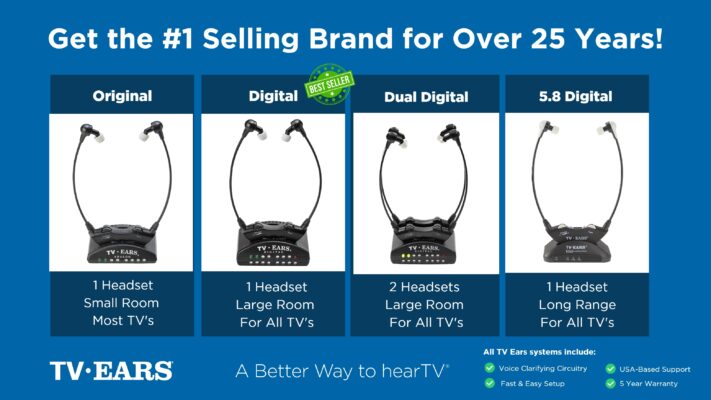 Ready to take your TV audio to the next level? Explore our Wireless Headphones and Headsets collection today! And don’t miss our custom audiologist-designed speaker system. At TV Ears, we are committed to ensuring that everyone can enjoy TV to the fullest. Our range of speakers for TV and wireless headphones and headsets are designed to cater to diverse needs and preferences, making your home entertainment experience truly exceptional. Don’t let hearing difficulties or differing audio preferences hold you back from enjoying your favorite shows and movies. Explore TV Ears’ solutions and rediscover the joy of TV-watching.
Stay Tuned for More TV Ears Insights
If you’re passionate about enhancing your TV-watching experience, you won’t want to miss our other blog posts. We regularly publish articles on the latest audio technology, home entertainment tips, and more. Check out our latest blogs below:
The Wireless Wonders: Unleash the Magic of Wireless Headphones!
The Wireless Headphones for TV Experience: Elevate Your Entertainment!
Hear Every Word Clearly: Exploring Fun TV Listening Devices for Hearing Impaired
Don’t miss out on valuable insights and tips from TV Ears experts. Investing in the right speaker for your TV can dramatically enhance your home entertainment experience. Whether you’re an audiophile or simply want to enjoy your favorite shows and movies with exceptional sound, a speaker for TV is a worthwhile addition to your setup. Explore TV Ears’ wide range of speakers, headphones and headsets today and start enjoying TV like never before.
Frequently Asked Questions
Why would I choose an “open-ear” headset if I want to focus on my show? It’s a great question because it seems counterintuitive. The beauty of an open-ear design is that it offers the best of both worlds. You get clear, direct audio from your television so you can hear every word of dialogue, but you aren’t completely cut off from your surroundings. This means you can still hear the doorbell, the phone ringing, or a loved one calling your name without having to constantly take your headset off. It provides a more relaxed and safe way to immerse yourself in a show.
I’m worried the sound will be tinny. Is the audio quality as good as traditional headphones? That’s a common concern, but modern wireless headsets are engineered for excellent sound. While it’s true that open-ear styles don’t produce the deep, rumbling bass you might get from sealed earbuds, that’s often by design. They are specifically tuned to prioritize vocal clarity, which is perfect for television. This means dialogue stands out crisply from background music and sound effects, so you’re less likely to miss important plot points.
Are these headsets comfortable enough to wear for a movie marathon? Absolutely. Comfort is a top priority in these designs, especially since they’re meant for entertainment. Because they rest outside your ear canal instead of inside it, they prevent that feeling of pressure or fatigue you can get from earbuds. This also allows for better air circulation, which makes a huge difference over several hours. Many styles use lightweight materials and flexible hooks to ensure a secure but gentle fit you’ll barely notice.
How are these different from my hearing aids? Think of these headsets as a specialized tool for a specific job. Hearing aids are designed to amplify all the sounds around you to help with daily life. TV wireless headsets, on the other hand, take the audio directly from your television and deliver it clearly to your ears. This isolates the TV sound from other room noise, making dialogue much easier to understand. Many open-ear designs can even be worn comfortably along with your hearing aids.
Is the setup process complicated? I’m not very tech-savvy. Not at all. Most dedicated TV headsets are designed for true plug-and-play simplicity. They typically come with a small transmitter base that you connect to your TV’s audio output port. Once that’s plugged in, the headset usually connects to it automatically. You won’t have to mess with confusing Bluetooth menus or pairing codes, so you can get straight to watching your favorite show.
Key Takeaways
- Choose a design that keeps you comfortable and aware: An open-ear style headset delivers clear TV audio without plugging your ears, allowing you to stay connected to important household sounds like the doorbell or a family member calling your name.
- Customize the sound to make dialogue pop: Many modern headsets have companion apps with an equalizer (EQ). By slightly raising the mid-range frequencies, you can make voices stand out from background music and sound effects for a clearer listening experience.
- A great TV headset is a great everyday headset: The wireless freedom and clear audio you love for movies are also perfect for other activities. Use your headset to listen to podcasts while doing chores or to take hands-free calls around the house.