Struggling to hear the television clearly is a far more common experience than you might think. For millions of people, it’s a natural part of life. The problem isn’t you; it’s that the standard TV speaker just isn’t designed to meet everyone’s hearing needs. Instead of feeling frustrated, you can feel empowered knowing there are simple, effective tools created just for this purpose. These devices aren’t about complex medical equipment; they’re about comfort and enjoyment. In this guide, we’ll gently walk you through the different solutions that can bring the joy back to watching television, helping you find the best hearing device for TV that fits seamlessly into your life.
As we age, it’s common to experience hearing loss, and this can often make it difficult to enjoy watching television. Fortunately, there are hearing devices for TV that can make it easier to hear dialogue and sounds without turning up the volume to uncomfortable levels. In this blog post, we’ll explore some of the options available, including TV Ears.
What’s the Best Hearing Device for TV?
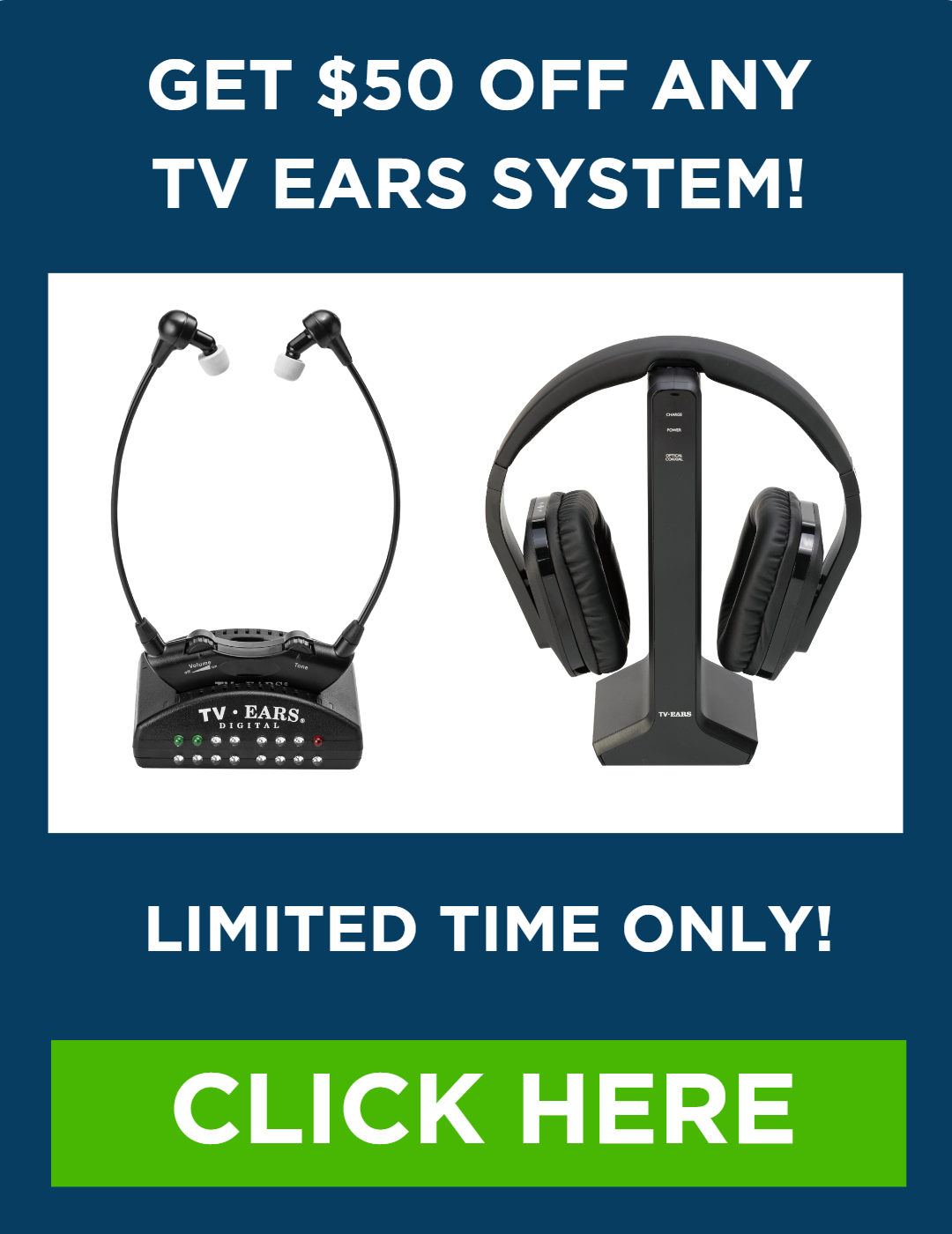
One of the most popular hearing devices for TV is the TV Ears system. This consists of a headset that can be worn by the viewer, which transmits the sound directly to the ears. This means that the viewer can hear the TV clearly, even if they have difficulty hearing at normal volumes. The TV Ears system is easy to set up and use, and it can be adjusted to suit the needs of the individual user. Another option for hearing devices for TV is the use of hearing aids with Bluetooth connectivity. Many modern hearing aids are equipped with Bluetooth, which means that they can be connected to a TV or other audio device. This allows the sound to be transmitted directly to the hearing aids, which can help to improve clarity and reduce background noise. Some people may prefer to use a simple amplification device, such as a soundbar or speaker system. These can be placed near the TV and adjusted to provide the necessary volume and clarity. While these devices may not be specifically designed for hearing loss, they can still be effective for improving TV sound quality. Another type of hearing device for TV is a personal amplifier. These are small, portable devices that can be clipped onto clothing or placed on a nearby surface. They work by picking up sound from the TV and amplifying it, making it easier to hear. Personal amplifiers can be useful for people who only have mild hearing loss or who only need help hearing TV in certain situations. For those who prefer a more discreet option, there are also hearing aids that are designed specifically for TV viewing. These devices can be worn like a traditional hearing aid, but they are optimized for television sound quality. They can help to filter out background noise and improve clarity, making it easier to hear dialogue and other important sounds. In conclusion, there are many different types of hearing devices for TV available, and the right choice will depend on the individual’s needs and preferences. Whether it’s a dedicated system like TV Ears or a more general amplification device, there are options that can help to make TV viewing more enjoyable for people with hearing loss. So if you or someone you know is struggling to hear the TV, it may be worth exploring some of these options to improve their viewing experience. TV Ears is a hearing device for TV that allows users with hearing loss to hear the TV clearly. It consists of a wireless headset that transmits sound directly to the ears, making it easier to hear dialogue and other sounds without turning up the volume to uncomfortable levels. The TV Ears system is designed specifically for TV viewing and can be adjusted to suit the needs of the individual user. With its simple setup and ease of use, TV Ears is a popular option for those looking for hearing devices for TV. The system can help improve TV sound quality, making it more enjoyable for people with hearing loss. Overall, TV Ears is an effective solution for people who struggle to hear TV and want to enhance their viewing experience.
Standalone TV Listening Systems
If you don’t wear hearing aids or find they don’t quite solve the problem of muddy TV audio, a standalone listening system is an excellent choice. These devices are designed specifically for one job: delivering crisp, clear television sound directly to your ears. They typically consist of a transmitter that connects to your TV and a wireless headset or receiver that you wear. This setup allows you to control your own volume independently from the TV’s main speakers, creating a personalized listening experience without disturbing others. It’s a straightforward solution that gets right to the heart of the problem, making your favorite shows and movies enjoyable again.
Different Models for Different Needs
Just as hearing loss varies from person to person, so do TV listening systems. You’ll find a range of models designed to meet different levels of hearing needs and fit various living spaces. For example, TV Ears offers several systems tailored to everything from mild hearing difficulties to more significant loss. Some models are optimized for smaller rooms, while others have a stronger signal for larger, open-concept living areas. When choosing a system, consider your specific hearing challenges and the layout of your room to find the perfect match that will bring clarity back to your TV time.
The Importance of Low-Latency Technology
Have you ever watched a video where the person’s lips don’t match the words you’re hearing? That frustrating delay is called latency. When it comes to TV listening devices, low-latency technology is essential for a good experience. It ensures that the audio you hear through your headset is perfectly synchronized with the video on the screen. High-quality systems use this technology to eliminate any perceptible lag, so the dialogue and sound effects happen exactly when they should. This seamless connection is critical for feeling truly immersed in what you’re watching, preventing a distracting and disjointed viewing experience.
Expandable Systems for Multiple Viewers
Hearing loss can often affect more than one person in a household. If you and a partner or family member both struggle to hear the television, an expandable system is a fantastic solution. Many standalone systems allow you to connect multiple headsets to a single transmitter. This means each person can wear their own headset and adjust the volume to their personal comfort level. It’s a simple way to share the experience of watching TV together without arguing over the volume. This feature fosters harmony and ensures everyone can enjoy their favorite programs without compromise.
Devices for People with Hearing Aids
If you already use hearing aids, you have a powerful piece of technology that can be adapted for better TV listening. Instead of a completely separate system, you can use an accessory that works directly with your existing devices. These accessories, often called TV streamers, bridge the gap between your television and your hearing aids. They capture the audio from the TV and send it wirelessly to your hearing aids, effectively turning them into high-fidelity personal speakers. This direct connection provides incredibly clear sound, free from the room’s echoes and background noise that can make dialogue hard to understand.
TV Streamers for Direct Audio
A TV streamer is a small box that you connect to your television’s audio output. Once set up, it streams the sound directly to your compatible hearing aids. For instance, the Jabra Enhance TV Streamer is designed to work seamlessly with their hearing aids, sending audio from your TV, computer, or stereo right to your ears. This direct-to-ear approach is highly effective because it bypasses the room’s acoustics entirely. You hear the raw audio feed, which makes dialogue much easier to distinguish from music and sound effects, giving you a front-row seat to the action.
Why Brand Compatibility is Key
This is one of the most important things to remember: TV streamers are almost always brand-specific. A streamer made by one hearing aid manufacturer will not work with hearing aids from another. Before you buy anything, you must confirm that the streamer is compatible with your specific make and model of hearing aids. The best and safest option is to purchase a device made by the same company as your hearing aids. A quick check with your audiologist or the manufacturer’s website can save you the headache and expense of returning an incompatible device.
Helpful Features like App Control and Wireless Range
Modern TV streamers often come with convenient features that can improve your experience. Many connect to your hearing aids via Bluetooth and can be controlled through a smartphone app. This allows you to discreetly adjust the TV volume or fine-tune the sound balance without having to touch the television or the streamer itself. Another practical feature to consider is the wireless range. Make sure the streamer’s range is sufficient for your living space, so you don’t lose the audio signal if you get up to grab a snack from the kitchen.
User Experiences and Practical Advice
Choosing the right device is only half the battle; using it effectively in your daily life is what truly matters. From managing costs to navigating social interactions, there are a few practical things to keep in mind. Thinking through these real-world scenarios can help you select a solution that not only works well technically but also fits seamlessly into your lifestyle. A little bit of planning can make the difference between a device that collects dust and one that becomes an indispensable part of your daily routine, making television a source of enjoyment rather than frustration.
Considering the Cost
The price of TV listening devices can vary significantly. TV streamers for hearing aids are an additional expense on top of what are often already costly medical devices. It’s worth noting that some people with newer, more advanced hearing aids find they don’t need an extra accessory at all. On the other hand, a standalone system like TV Ears can be a more affordable, all-in-one solution, especially if you don’t wear hearing aids. It’s wise to weigh the cost against the benefits and consider what will provide the most value for your specific situation.
Managing Social Situations While Watching
One common concern is feeling isolated from others in the room while using a listening device. How do you follow the show and still chat with your spouse during a commercial? Some headsets are designed to let you hear ambient sound, so you can still hear conversations around you. With others that block out external noise, a simple solution is to just slip one earpiece off when you want to talk. Finding a comfortable balance allows you to enjoy clear TV audio without feeling disconnected from your loved ones.
Avoiding Feedback Issues
Feedback—that high-pitched whistling sound—can be a frustrating issue for hearing aid users. It happens when amplified sound from the hearing aid’s speaker leaks out and gets picked up again by its microphone. One of the major advantages of using a TV streamer or a dedicated headset system is that they often eliminate this problem. Because the sound is being sent directly into your ear canal, there’s no opportunity for it to escape and create a feedback loop. This results in a clean, clear listening experience without any annoying interruptions.
Using Subtitles as a Helpful Aid
Even with the best listening device, you might still miss a word here and there, especially with fast-paced dialogue, strong accents, or poor sound mixing in a show. This is where subtitles, or closed captions, can be a fantastic tool. Many people find that using subtitles in conjunction with their listening device gives them the best of both worlds. The device provides the audio clarity, while the captions provide a visual backup to catch anything you might have missed. It’s a simple, free feature available on virtually every modern TV that can significantly improve comprehension.
An Alternative: Streaming from Your Smartphone
If you enjoy using your smartphone, you might already have a TV listening solution in your pocket. Many streaming devices, like Roku and Apple TV, and their corresponding apps have a feature often called “private listening.” This allows you to stream the TV’s audio directly to your smartphone. From there, you can listen through any pair of headphones you plug in or connect your Bluetooth-enabled hearing aids. It’s a clever and often free alternative that’s perfect for tech-savvy viewers who want a simple, personal audio experience without any extra hardware.
Future Technology in TV Listening
The world of audio technology is always moving forward, and exciting developments are on the horizon that promise to make listening to television even easier and more accessible. Engineers are constantly working on new standards and features designed to improve connectivity, reduce power consumption, and deliver higher-quality sound. While some of these advancements are still a few years away from being commonplace, knowing what’s coming can help you make informed decisions about future purchases and understand the potential for an even better listening experience down the road.
A Look at LE Audio
One of the most anticipated advancements is a new Bluetooth standard called LE Audio. In simple terms, it’s the next generation of Bluetooth technology, and it’s designed to be better in almost every way. It uses less energy, which means longer battery life for wireless devices, and it offers higher audio quality. Most importantly for hearing aid users, it includes a feature called Auracast that will make it much easier to connect to public audio sources, like the TVs in airports or gyms. While LE Audio isn’t widely available yet, it’s the future of wireless sound and promises to make connecting hearing aids to TVs a much more universal and seamless process.
Frequently Asked Questions
I already have hearing aids. Do I still need a separate device for the TV? Not necessarily a completely separate one, but you will likely need an accessory. If your hearing aids are Bluetooth-compatible, you can get a small device called a TV streamer. This box plugs into your TV and sends the audio directly to your hearing aids, giving you incredibly clear sound. The most important thing to remember is that these streamers are brand-specific, so you must buy the one made by the same company as your hearing aids.
Will I feel cut off from my family if I’m wearing a headset? That’s a common and very valid concern. Many people worry about feeling isolated, but there are easy ways to manage it. Some headsets are designed to allow ambient sound in, so you can still hear conversations around you. For those that block out noise, the simplest solution is to just slip one earpiece off when you want to chat during a commercial. It’s all about finding a rhythm that lets you enjoy clear TV audio without feeling disconnected.
Are these TV listening systems difficult to set up? Most are designed to be very straightforward, so you don’t need to be a tech expert. A typical system involves a small transmitter base that you plug into your television’s audio output port and a power outlet. Once that’s connected, you simply turn on the wireless headset, and it should automatically pair with the base. The goal of these devices is to reduce frustration, and that starts with a simple installation.
Can my spouse and I use one of these systems at the same time? Yes, absolutely. This is a great feature for couples or families where more than one person has trouble hearing the TV. Many standalone systems are expandable, meaning you can connect two or more headsets to a single transmitter. This allows each person to have their own headset and control their own volume independently, which is a perfect way to watch together peacefully.
What should I look for to make sure the sound doesn’t lag behind the picture? That annoying delay between seeing someone’s lips move and hearing their words is called latency. To avoid it, you should look for a device that specifically mentions having “low-latency” technology. This feature ensures that the audio is perfectly synchronized with the video on your screen. It’s a critical detail for an immersive and natural viewing experience, preventing that distracting, out-of-sync feeling.
Key Takeaways
- Match the Device to Your Situation: If you don’t wear hearing aids, a dedicated system like TV Ears provides a simple, all-in-one solution. If you do, a brand-compatible TV streamer is designed to work directly with your existing equipment for the clearest sound.
- Look for Two Key Features Before Buying: Prioritize devices with low-latency technology to ensure the audio and video are perfectly synced. If you’re getting a streamer for your hearing aids, it must be the same brand to function correctly.
- Use Free Tools to Support Your Listening: Turn on your TV’s closed captions for a visual backup to catch any dialogue you might miss. Many streaming apps also have a “private listening” feature that sends audio right to your smartphone and headphones.