When you need to hang a picture, you reach for a hammer, not a sledgehammer. The same logic applies to solving your TV audio troubles. While hearing aids are a comprehensive solution for hearing loss, they can feel like overkill if your only real struggle is deciphering dialogue during your favorite shows. The right tool for this specific job is often a dedicated TV listening device. These systems are engineered to do one thing exceptionally well: clarify speech and sound from your television. In this guide, we’ll explore the different technologies available, helping you understand your options and find the best TV Ears alternative for your specific needs and home setup.
Why Is TV Dialogue So Hard to Hear?
If you find yourself constantly asking, “What did they just say?” while watching a movie, you’re not imagining things. It’s a common frustration, and it often has more to do with how shows are produced than with your hearing. Modern television shows and films are often mixed for a dramatic, cinematic experience, which means the soaring musical score and explosive sound effects get top billing. As ZVOX Audio notes, this process “prioritizes sound effects and music, which can drown out dialogue.” The result is a rich, immersive soundscape that can, unfortunately, make spoken words feel like an afterthought, leaving them muddy and difficult to decipher.
This production style creates a challenge for everyone, but it’s especially tough for individuals with even mild hearing loss. When dialogue is competing with a car chase or a swelling orchestra, your brain has to work much harder to isolate the speech. The specific frequencies of human speech can get lost in the mix, forcing you to either strain to listen or reach for the volume remote. This can quickly lead to a battle over the volume control in the living room, where one person’s comfortable listening level is another’s blasting headache. Understanding that the problem often starts in the studio is the first step toward finding a better solution for your home.
Free Ways to Hear Your TV Better
Before you consider purchasing any new equipment, it’s worth exploring the built-in features your television already has. Many people are surprised to learn that their TV has settings that can make a noticeable difference in sound clarity, and they don’t cost a thing to use. These free adjustments are a great starting point for anyone struggling to understand dialogue. They may not completely solve the problem, especially if you have significant hearing loss, but they can provide immediate improvement and help you better identify what you need from a long-term solution. Let’s look at two of the most effective and universally available options: adjusting your TV’s audio settings and turning on closed captions.
Adjusting Your TV’s Audio Settings
Deep within your TV’s menu is a set of audio controls that can help bring dialogue to the forefront. Most modern televisions include sound modes designed for different types of content, and some have specific features to enhance speech. As Consumer Reports points out, many TVs have a “‘dialogue mode’ or similar feature” that is designed to improve the clarity of speech. You might find it labeled as “Clear Voice,” “Speech Enhancement,” or something similar. Activating this setting tells your TV to digitally process the audio, reducing the volume of background noise and amplifying the frequencies most common in human speech. It’s a simple tweak that can make conversations much easier to follow without cranking up the overall volume.
Using Closed Captioning
One of the most reliable tools for understanding dialogue is closed captioning (CC). This feature, which is required on all modern televisions, displays the spoken words as text on your screen. While some people find captions distracting at first, many quickly come to appreciate them as an essential aid. They are perfect for catching character names, understanding thick accents, or following along when the on-screen action gets loud. As the team at Diglo mentions, “Closed captioning is a valuable tool that many TVs offer,” ensuring you never miss a critical piece of the story. It’s a straightforward, effective way to access on-screen dialogue and can be turned on or off with just a few clicks of your remote.
Understanding the Costs of Hearing Aids
Hearing aids can be life-changing for individuals with hearing loss, allowing them to better engage with the world around them. However, the initial cost of hearing aids can be significant, ranging from hundreds to thousands of dollars per device. And that’s not the end of the story – the ongoing costs associated with hearing aids can add up over time. From batteries and maintenance to repairs and professional adjustments, the costs of owning and maintaining hearing aids can quickly accumulate. Many individuals find themselves facing regular expenses to keep their hearing aids functioning optimally, making them a long-term financial commitment.
Introducing TV Ears: A Cost-Effective Alternative
TV Ears offers a cost-effective alternative to the costs of hearing aids for individuals seeking better TV viewing experiences. Unlike hearing aids, which are designed for everyday use and come with ongoing costs, TV Ears systems are specifically tailored for TV viewing with headphones, offering clear, crisp sound without the hassle of ongoing expenses. With TV Ears, you can enjoy enhanced TV viewing without breaking the bank. The initial cost of a TV Ears system is significantly lower than that of the costs of hearing aids, making it a more accessible option for individuals on a budget. Plus, with no ongoing costs for batteries or maintenance, TV Ears offers long-term savings compared to traditional hearing aids.
A Guide to Other TV Listening Alternatives
While TV Ears provides a straightforward and effective way to hear your television clearly, it’s helpful to know about other options on the market. Understanding the full landscape of TV listening devices can help you feel confident in your choice. Different solutions cater to different needs, from amplifying sound for the entire room to streaming audio directly to hearing aids. Exploring these alternatives, such as general wireless headphones, soundbars, and app-based systems, will give you a complete picture of how you can improve your TV watching experience and find the perfect fit for your home and lifestyle.
Wireless Headphones
Beyond specialized TV listening systems, many general-purpose wireless headphones can connect to your television. These often use Bluetooth or Radio Frequency (RF) technology and can be a good option if you already own a pair you enjoy. However, they aren’t always designed with dialogue clarity in mind, and some may not allow others in the room to listen to the TV’s main speakers simultaneously. If your TV doesn’t have built-in Bluetooth, you will likely need to purchase a separate transmitter to establish a connection, which can add a layer of complexity to the setup process.
Soundbars and TV Speakers
If everyone in the room struggles to hear the TV, a soundbar might be a suitable solution. Soundbars are long, thin speakers that sit below your television and are designed to provide richer, clearer audio than the TV’s built-in speakers. They amplify the sound for the entire room, which can be a significant improvement for group viewing. The main drawback is that they don’t offer a personalized volume level. If the central issue is a disagreement over volume, a soundbar won’t solve the problem, as it makes the audio louder for everyone, not just the person with hearing difficulties.
App-Based Systems
A more modern approach involves using your smartphone as a receiver for TV audio. Systems like AudioFetch connect a transmitter to your TV, which then broadcasts the sound over your home’s WiFi network. You can then download an app on your smartphone, plug in your favorite headphones, and listen at your own volume. This can be a flexible option, especially for households where multiple people want to listen privately. However, it does require a smartphone and a stable WiFi connection, and it relies on you keeping your phone charged and nearby whenever you want to watch TV.
Hearing Aid TV Streamers
For those who already wear hearing aids, a dedicated TV streamer can be an excellent accessory. These small devices plug into your television and wirelessly stream the audio directly to your compatible hearing aids, essentially turning them into high-tech wireless headphones. Major hearing aid brands like ReSound offer their own TV streamers designed to work seamlessly with their products. This provides a very clear and direct sound, but it is an additional expense on top of the hearing aids themselves and is only an option for those who already use these specific medical devices.
How Different Wireless Technologies Work
When you start looking at TV listening devices, you’ll see terms like Infrared, RF, and Bluetooth. These describe the technology used to send sound from the transmitter to your headset, and each has its own set of pros and cons. The type of technology a device uses can affect its range, sound quality, and susceptibility to interference. Understanding the basics of how each one works will help you choose a device that is reliable and easy to use in your specific home environment, ensuring you have a consistent and clear audio experience every time you sit down to watch your favorite shows.
Infrared (IR)
Infrared technology, which is used by TV Ears, transmits audio using light waves, similar to how a standard TV remote works. This requires a direct line of sight between the headset and the transmitter. While this means you can’t leave the room and continue listening, it comes with a significant advantage: the signal is contained within the room, so it won’t interfere with other wireless devices in your home, like cordless phones or WiFi routers. This makes IR a very reliable and private option, ensuring you get a clear, static-free sound without disrupting other electronics.
Radio Frequency (RF)
Radio Frequency (RF) devices transmit sound using radio waves, which allows the signal to pass through walls and other solid objects. This gives you the freedom to move around the house—for example, to go to the kitchen for a snack—without losing the audio from your show. The downside is that RF signals can sometimes experience interference from other household devices that use similar frequencies, such as microwaves or garage door openers. While the range is a major benefit, the potential for occasional static or signal drops is something to consider.
Bluetooth
Bluetooth is a common wireless technology found in everything from smartphones to speakers. You can use standard Bluetooth headphones with your TV, but it often requires a separate transmitter if your television isn’t already Bluetooth-enabled. The process of “pairing” the headphones to the transmitter can sometimes be tricky, and the range is typically limited to about 30 feet. While it’s a versatile technology, it wasn’t originally designed for perfect audio-video sync, so some users may notice a slight delay between the actors’ lips moving and the sound arriving in their ears.
WiFi
Some newer systems use your home’s WiFi network to stream TV audio to a dedicated app on your smartphone. Because the signal travels over your existing network, it’s very robust and isn’t blocked by walls or furniture. This technology allows multiple users to connect simultaneously using their own phones and headphones. The main requirement is a strong and stable WiFi signal throughout your home. If your WiFi is spotty or prone to dropping, it could interrupt your listening experience, making this option best for those with reliable home internet.
Practical Considerations When Choosing a Device
Once you’ve narrowed down the type of device and technology you’re interested in, there are a few final, practical details to think about. These factors can make a big difference in your day-to-day satisfaction with a product. Consider how the device will fit into your daily routines and your home environment. Thinking about details like how you’ll watch TV with others, what the battery life is like, and what current users have to say will ensure you select a TV listening system that is not only effective but also convenient and enjoyable to use long-term.
Watching TV with Others
One of the most important features for many households is the ability for one person to use a listening device while others listen through the TV’s speakers. This is a key factor in resolving volume disputes peacefully. Before buying, confirm that the device you’re considering allows for simultaneous playback. Systems like TV Ears are specifically designed for this purpose, so the headset user can have their ideal volume while the TV’s regular speakers work independently for everyone else in the room. This ensures that watching TV remains a shared, enjoyable activity for the whole family.
Battery Life and Maintenance
Since most TV listening devices are wireless, battery life is a crucial consideration. Look for systems with rechargeable batteries and a convenient charging dock, which is often built into the transmitter base. Check how long a full charge lasts—most will offer between 4 and 8 hours of continuous use, which is plenty for an evening of viewing. It’s also wise to find out how often the rechargeable battery might need to be replaced. Typically, they last for one to two years, so knowing the cost and ease of replacement can help you understand the long-term maintenance of the device.
What User Reviews Can Tell You
Before making a final decision, take some time to read reviews from other people who have purchased the device. Look for comments that address your specific concerns. Do users mention clear, understandable dialogue? Is the setup process as simple as the company claims? Reviews often highlight the practical pros and cons that aren’t listed on the box. Many users praise systems that allow them to finally hear the TV without disturbing their family, which speaks directly to the core benefit of a personal TV listening device and can give you confidence in your purchase.
Comparing the Costs: TV Ears vs. Hearing Aids
Let’s break down the costs of TV Ears versus traditional hearing aids:
- Initial Cost: TV Ears systems typically range from $100 to $200, depending on the model and features. In contrast, hearing aids can cost anywhere from $1,000 to $4,000 per device, making them a much larger upfront investment.
- Ongoing Costs: TV Ears systems require no ongoing costs for batteries or maintenance, providing long-term savings compared to hearing aids. On the other hand, hearing aids require regular battery replacements, professional adjustments, and occasional repairs, leading to ongoing expenses over time.
- Accessibility: TV Ears offers a more accessible option for individuals with budget constraints, providing high-quality sound at an affordable price point. In contrast, the high cost of hearing aids may put them out of reach for some individuals, limiting their accessibility.
- Functionality: While hearing aids are designed for everyday use in various environments, TV Ears systems are specifically optimized for TV viewing with headphones, offering superior sound quality and clarity for this specific purpose.
Experience the Difference with TV Ears
Don’t let the ongoing costs of hearing aids hold you back from enjoying better TV viewing. Try TV Ears today and experience the difference for yourself. With its affordable pricing, superior sound quality, and hassle-free operation, TV Ears is the cost-effective solution you’ve been looking for.
Final Thoughts
TV Ears offers a cost-effective alternative to the costs of hearing aids for individuals seeking better TV viewing experiences. With its affordable pricing and long-term savings compared to hearing aids, TV Ears is the smart choice for individuals on a budget. Upgrade to TV Ears and enjoy clear, crisp sound without breaking the bank.
Find Your Perfect TV Listening Device
Discover the difference TV Ears wireless headphones and headsets can make in your TV-watching experience. Whether you’re looking for comfortable over-ear headphones or a compact, stylish headset, we have options to suit your needs. 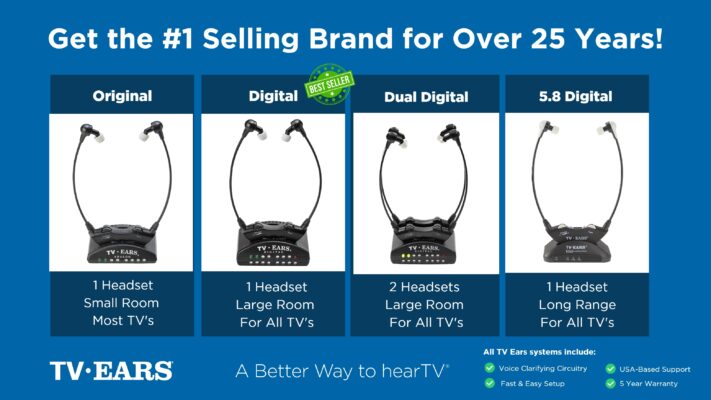 Ready to take your TV audio to the next level? Explore our Wireless Headphones and Headsets collection today! And don’t miss our custom audiologist-designed speaker system. At TV Ears, we are committed to ensuring that everyone can enjoy TV to the fullest. Our range of speakers for TV and wireless headphones and headsets are designed to cater to diverse needs and preferences, making your home entertainment experience truly exceptional. Don’t let hearing difficulties or differing audio preferences hold you back from enjoying your favorite shows and movies. Explore TV Ears’ solutions and rediscover the joy of TV-watching.
Read More From Our Audio Experts
If you’re passionate about enhancing your TV-watching experience, you won’t want to miss our other blog posts. We regularly publish articles on the latest audio technology, home entertainment tips, and more. Check out our latest blogs below:
The Wireless Wonders: Unleash the Magic of Wireless Headphones!
The Wireless Headphones for TV Experience: Elevate Your Entertainment!
Hear Every Word Clearly: Exploring Fun TV Listening Devices for Hearing Impaired
Don’t miss out on valuable insights and tips from TV Ears experts. Investing in the right speaker for your TV can dramatically enhance your home entertainment experience. Whether you’re an audiophile or simply want to enjoy your favorite shows and movies with exceptional sound, a speaker for TV is a worthwhile addition to your setup. Explore TV Ears’ wide range of speakers, headphones and headsets today and start enjoying TV like never before.
Frequently Asked Questions
Can my family still listen to the TV at a normal volume while I use a listening device? Absolutely. This is one of the main reasons these devices are so helpful. Most TV listening systems, including TV Ears, are designed so that the headset volume is completely independent of the TV’s speakers. This means you can set the volume in your headset to the perfect level for you, while everyone else in the room can listen to the TV speakers at a volume that’s comfortable for them.
How are these different from standard Bluetooth headphones? While you can connect some Bluetooth headphones to a TV, a dedicated TV listening device is engineered for a specific purpose: clarifying dialogue. These systems are tuned to emphasize the frequencies of human speech, making spoken words sound crisp and clear, even when there’s a lot of background music or sound effects. Regular headphones simply amplify all the sounds equally, which doesn’t always solve the problem of muddy dialogue.
I already wear hearing aids. Would a TV listening system still be helpful? Yes, many people who use hearing aids also find a TV listening system beneficial. While hearing aids are great for overall sound amplification, TV audio presents a unique challenge. A dedicated device streams the sound directly to your ears without picking up other room noise, providing a cleaner audio signal. It’s a specialized tool that can offer a more direct and clear TV sound experience, working alongside your hearing aids to tackle this specific situation.
What’s the real benefit of Infrared (IR) technology if I have to stay in the room? The line-of-sight requirement of Infrared technology is actually its biggest strength. Because the audio signal is sent via a beam of light, it’s contained within the room you’re in. This creates a private, secure connection that is immune to interference from other wireless devices in your home, like your Wi-Fi router, cordless phones, or microwave. The result is a consistently clear and static-free sound experience.
Is a TV listening device difficult to install? Not at all. Most systems are designed with simplicity in mind and are very user-friendly. The setup process typically involves plugging a small transmitter base into your TV’s audio output port and a power outlet. Once the transmitter is connected, you just turn on the headset, and it should work right away. They are generally made to be a simple, plug-and-play solution.
Key Takeaways
- Check Your TV’s Settings First: Before buying anything, explore your TV’s audio menu for a “Speech Enhancement” or “Clear Voice” mode. These free, built-in features can significantly improve dialogue clarity and are a great starting point.
- A Dedicated Device Solves a Specific Problem: If your primary struggle is understanding TV dialogue, a specialized listening system is a more direct and cost-effective solution than a general-purpose hearing aid, which is designed for all-day use.
- Prioritize a Shared Viewing Experience: The best solutions allow one person to use a headset at their ideal volume while others listen to the TV’s main speakers. This feature is key to resolving volume disputes and enjoying shows together.