You’ve got the hearing aid. You invested in a soundbar. So why are you still asking, “What did they just say?” during your favorite shows? The truth is, most audio gear isn’t designed to untangle dialogue from loud music and sound effects. A dedicated tv sound enhancer for hard of hearing is different. This isn’t just another tv sound amplifier; it’s a specialized tool that pulls voices forward, making them crisp and clear. Let’s compare these technologies side-by-side so you can see if a dedicated TV listener is the missing piece for you.
Key Takeaways
- Personalize your listening experience: A TV amplifier gives you independent volume control, allowing you to hear every word clearly without making the TV too loud for family and friends.
- Understand the right tool for the job: TV amplifiers are not hearing aids; they are specifically designed to clarify television dialogue by separating it from background noise, which is a common issue even with hearing aids.
- Focus on clarity and comfort: When choosing a device, look for features like “Voice Clarity” to ensure you can understand speech, and select a comfortable design, such as a lightweight headset or a nearby speaker, that you’ll actually use.
What is a TV Sound Enhancer for the Hard of Hearing?
If you find yourself constantly asking, “What did they say?” while watching your favorite shows, a TV sound amplifier might be the simple solution you’re looking for. At its core, a TV amplifier is a device designed to help people who are hard of hearing listen to the television at a volume that’s perfect for them, without blasting everyone else out of the room. This means you can catch every word of dialogue while your family or friends enjoy the show at a normal volume.
Think of it as a personal sound system just for your ears. Instead of just making everything louder, the best devices clarify the sounds you want to hear—like voices—and separate them from background music and sound effects. This technology can be a game-changer, turning a frustrating viewing experience into a relaxing and enjoyable one. It’s a straightforward tool that solves a very common household problem, allowing everyone to share the TV experience together again.
Why Is TV Dialogue So Hard to Hear?
It’s a frustratingly common problem: the action scenes are deafening, but the moment characters start talking, their voices become a muffled whisper. You’re not imagining it, and you’re certainly not alone. This happens for a couple of key reasons. First, our hearing naturally changes over time, making it harder to pick out certain frequencies. Second, the way modern television shows mix their audio often prioritizes dramatic sound effects and music over clear dialogue. Understanding both of these factors is the first step toward finding a solution that brings clarity back to your TV time without starting a volume war in the living room.
Understanding Age-Related Hearing Loss
As we get older, many of us experience some degree of age-related hearing loss. This is a completely normal part of life, but it tends to affect our ability to hear high-pitched sounds first. Those high frequencies are exactly where the consonants in speech live—the “s,” “f,” and “t” sounds that make words distinct. This is why you might struggle to understand softer voices, like those of women and children, or find it nearly impossible to follow a conversation when there’s background music on screen. Your ears can still pick up the low-rumbling explosions, but the critical dialogue gets lost in the shuffle.
How TV Sound Mixing Creates Challenges
Even with perfect hearing, modern TV audio can be tricky. Sound engineers create complex audio landscapes, layering dialogue with musical scores and loud sound effects to create an immersive experience. The problem is that the main goal isn’t always dialogue clarity. This is why simply turning up the volume on your TV or soundbar often makes the problem worse—it just makes the explosions louder, too. Even hearing aids, which are designed for real-world conversations, can struggle to separate speech from the complex mix of a TV show. A dedicated TV sound enhancer, however, is built specifically to isolate and clarify voices, letting you hear every word without touching the main volume remote.
How Do They Actually Work?
The magic of a TV sound amplifier lies in its direct approach. These devices typically consist of two parts: a transmitter that plugs into your television and a wireless receiver, like a headset, that you wear. The transmitter captures the audio directly from the TV and sends it wirelessly to your receiver. This direct connection is key because it delivers a clearer, more powerful sound right to your ears, making dialogue and music much easier to understand. By isolating the TV audio and reducing ambient room noise, these systems make it significantly easier to follow along with conversations and plotlines.
Which Features Really Matter?
When you start looking at different models, you’ll see a lot of features listed. The most important ones are those that directly improve your ability to understand speech. Look for settings specifically designed to make voices stand out, often labeled as “Voice Clarity,” “Dialogue,” or “Speech Enhancement.” These modes adjust the audio frequencies to emphasize human speech over other sounds. Also, consider tone control, which lets you adjust the bass and treble to match your specific hearing needs. Of course, an independent volume control that’s easy to use without affecting the TV’s main volume is essential.
Common TV Sound Amplifier Myths, Busted
There are a couple of common misconceptions about TV sound amplifiers that are worth clearing up. First, they are not the same as hearing aids. A hearing aid is a medical device prescribed by an audiologist to amplify sounds in all aspects of your life. A TV amplifier is a consumer electronic device designed for one specific purpose: listening to television. Second, some people believe these devices don’t really work. While they aren’t a cure for hearing loss, a quality TV amplifier can dramatically improve the clarity of TV audio, making it a highly effective tool for its intended job.
How to Improve TV Sound Without Buying New Devices
Use Your TV’s Built-In Audio Settings
Before you spend any money, it’s worth exploring the tools you already have. Your television has a menu full of audio settings that can make a significant difference in sound clarity. Don’t be afraid to experiment; most TVs have a ‘reset to default’ option, so you can always go back if you don’t like the changes. Look for settings with names like ‘Dialogue,’ ‘Speech Boost,’ or ‘Clear Voice,’ as these are specifically designed to make conversations stand out from background noise. These modes automatically adjust the sound profile to emphasize the frequencies of human speech, making it a simple one-click solution that can immediately improve your viewing experience.
For more fine-tuned control, look for an audio equalizer (EQ), which is often found in an ‘Advanced’ or ‘User’ sound mode. Since hearing loss often affects higher-pitched sounds, you can adjust the EQ to compensate. Try lowering the bass and lower mid-range frequencies (the rumbles and booms) and gently raising the upper mid-range and higher frequencies where voices are found. Also, be mindful of sound modes like ‘Surround Sound’ or ‘Night Mode.’ While they sound impressive, they can sometimes muddy the dialogue. Switching to a ‘Standard’ setting often provides a more balanced, voice-forward sound that is easier to understand.
Turn On Closed Captions
One of the most effective and straightforward ways to follow along with any show is to turn on closed captions (CC). This feature displays the dialogue and other relevant audio cues as text on the screen, ensuring you never miss a word. It’s a fantastic tool that works in tandem with any audio adjustments you make, filling in any gaps you might still experience. You can find the option to enable captions in the settings menu of your television, cable box, or streaming service like Netflix or Hulu. For many, having the text right there on the screen removes the stress of trying to catch every single word, making TV viewing relaxing and enjoyable again.
Our 5 Favorite TV Sound Amplifiers
Finding the right device to help you hear the TV better can feel like a big task, but it doesn’t have to be. There are many great options out there, each designed to solve the problem in a slightly different way. Some use personal headsets for a private listening experience, while others are speakers that clarify the sound for the whole room. The best choice really comes down to your personal hearing needs, your comfort, and how you like to watch your favorite shows.
To make your search a little easier, we’ve put together a list of some of the most effective and popular TV sound amplifiers. We’ll walk through what makes each one special, from devices that focus on dialogue clarity to those that offer portability and personalized sound settings. Think of this as a starting point to help you identify the features that matter most to you. Our goal is to give you the information you need to find a solution that brings back the joy of watching television without the frustration of missing the conversation.
For Simplicity: TV Ears Original Wireless Headset System
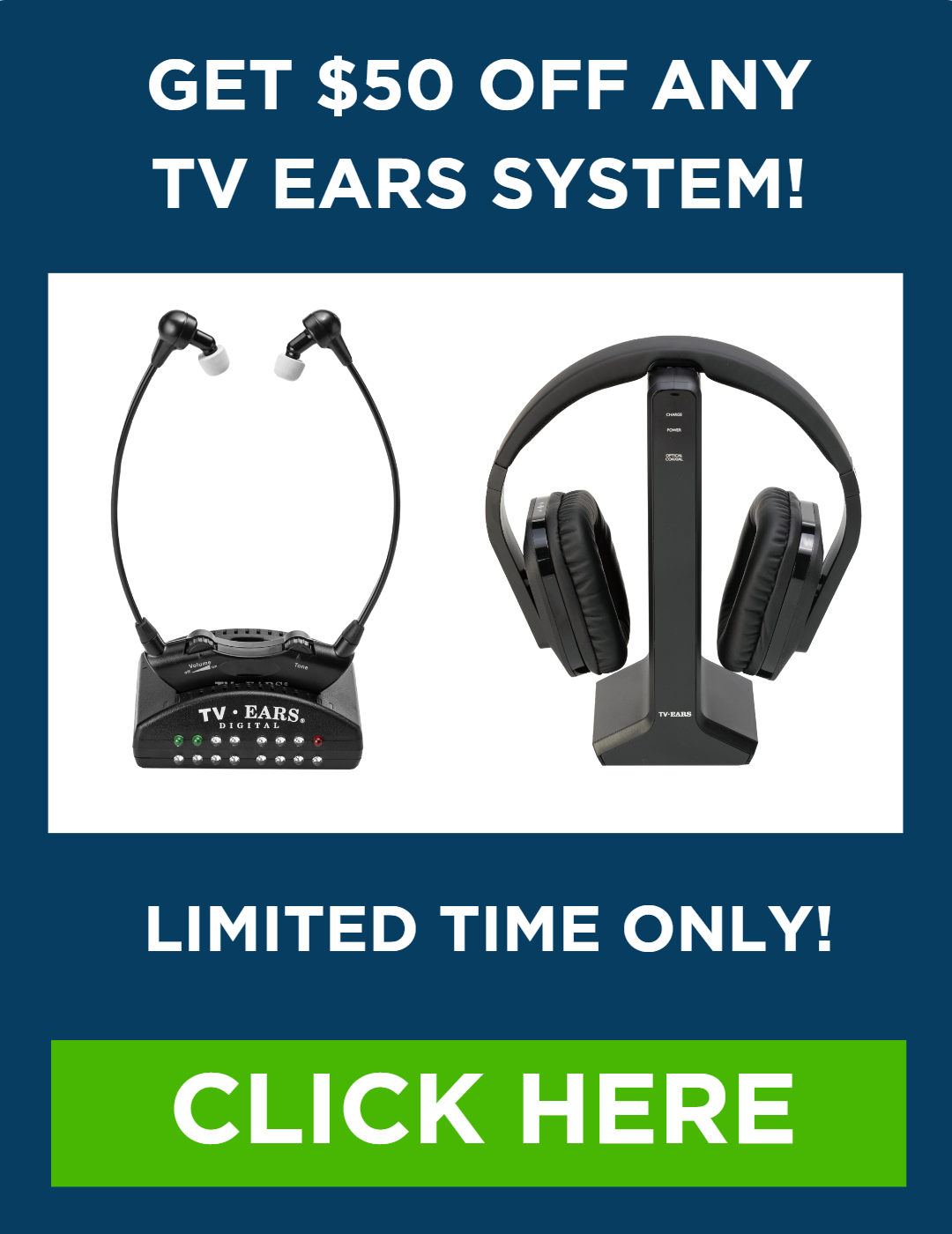
If your main struggle is catching what characters are saying, the TV Ears Original system is designed just for you. This system focuses on one thing and does it exceptionally well: making television dialogue clear and understandable. It works by using a wireless headset that receives audio directly from your TV. As the creators, we designed TV Ears specifically for the hard of hearing, providing clear dialogue and reducing distracting background noise.
This means you can wear the lightweight headset and set the volume to your perfect level without changing the main TV volume for anyone else in the room. It’s a simple and direct solution that helps end the “volume war” and lets you relax and follow the story without straining to hear.
For Voice Clarity: Zvox AccuVoice AV157
For those who prefer not to wear a headset, the Zvox AccuVoice AV157 is an excellent speaker-based solution. It’s a compact soundbar that sits below your TV and is built around a simple but powerful idea: making voices stand out. The Zvox AccuVoice AV157 uses voice clarification technology to enhance dialogue, making it easier for those with hearing impairments to follow along.
Instead of just making everything louder, it uses a special algorithm to lift dialogue out of the background music and sound effects. This makes conversations crisp and clear. It’s a great choice if you want to improve the sound for everyone watching, creating a better listening experience for the entire room.
For Premium Sound: Sennheiser RS 5000
Sennheiser is a well-known name in the audio world, and their RS 5000 system brings that quality to TV listening. These headphones offer high-quality sound and are designed to provide clear audio for TV watching, with adjustable volume settings for individual preferences. The unique, lightweight “stethoset” design rests under your chin, which many people find more comfortable than traditional over-the-ear headphones, especially if you wear glasses.
The system also includes different listening profiles, so you can choose the sound setting that best suits what you’re watching, whether it’s a movie, the news, or a sports game. This level of sound personalization makes it a strong contender for a tailored TV experience.
For Portability: Serene Innovations TV SoundBox
The Serene Innovations TV SoundBox offers a wonderfully flexible approach to TV sound amplification. This device is a portable wireless speaker that you can place right beside your chair or on a nearby table. The Serene Sound Box allows users to amplify TV sound through a portable wireless speaker or headphones, making it a versatile option for those with hearing difficulties.
By bringing the sound closer to you, you can hear every word clearly without needing to turn up the TV’s main volume. This is perfect for watching TV with family or friends, as it keeps the peace while ensuring you don’t miss a thing. It’s a simple, practical solution that gives you control over your personal sound environment.
For Versatility: SIMOLIO Digital TV Headphones
The SIMOLIO Digital TV Headphones are another fantastic headset option that puts customization at the forefront. These headphones are designed to provide a personalized listening experience, featuring voice clarifying audio to enhance dialogue clarity. What sets them apart are the controls that let you adjust not just the volume, but also the tone and balance.
This is incredibly helpful because hearing loss isn’t the same for everyone. You might need more emphasis on higher-frequency sounds to catch dialogue, and the tone control allows you to do just that. The ability to fine-tune the audio to match your specific hearing needs makes these headphones a powerful tool for reclaiming a clear and enjoyable TV experience.
How Much Does a TV Sound Amplifier Cost?
Let’s talk about cost. Finding a solution that works for your hearing and your wallet is completely possible. You don’t need to spend a fortune to get clear TV sound, but it helps to know what to expect. The key is to focus on the features that will make the biggest difference for you, rather than paying for bells and whistles you won’t use.
Breaking Down the Price Range
When you start looking at TV sound amplifiers, you’ll notice that prices can really run the gamut. Some basic models can be found for under $100, while more advanced systems can cost several hundred dollars or more. This wide range exists because different devices offer different technologies and features. For example, a simple speaker you place near your chair will cost less than a sophisticated wireless headset system with voice-clarifying technology. Don’t let the higher-end prices discourage you. Many people find exactly what they need in the $90 to $400 range. The goal is to find a reliable device that makes watching TV enjoyable again, and there are plenty of excellent assistive listening devices that fit comfortably within that budget.
How to Find Quality on a Budget
Finding a good value isn’t just about finding the lowest price—it’s about getting the most for your money. A great value product is one that solves your specific problem without overcomplicating things. For instance, a simple portable TV speaker can be a fantastic choice. It brings the sound closer to you, and you can often plug in headphones for a more private listening experience. This type of targeted solution is exactly what makes certain TV amplifiers a smart purchase. When you’re shopping online, use the website’s sorting tools to your advantage. You can often filter products by price, customer reviews, and specific features. Reading what other people have to say can be incredibly helpful in figuring out if a product is easy to set up and if it delivers on its promises. This is a simple way to narrow down your options and find a quality amplifier that fits your budget.
How Do TV Amplifiers Compare to Other Options?
When you’re struggling to hear the TV, it’s easy to get overwhelmed by all the different products out there. It’s important to know that not all hearing solutions are created equal, especially when it comes to watching television. A device that works well for a conversation in a quiet room might not be the right tool for catching every word of your favorite show. Let’s break down how TV amplifiers compare to other common options so you can find what truly works for you.
TV Amplifiers vs. Hearing Aids
Hearing aids are sophisticated medical devices prescribed by an audiologist to address your specific, individual hearing loss. They are programmed to amplify only the frequencies you have trouble hearing, helping you manage conversations and daily life. However, even the best hearing aids can sometimes fall short with TV audio, which often has dialogue mixed with loud music and sound effects.
A TV amplifier is different; it’s a specialty tool designed for one job: clarifying television audio. Instead of amplifying all sounds, a system like TV Ears uses Voice Clarifying Circuitry® to lift dialogue out of the background noise, sending crisp, clear sound directly to your ears. This allows you to use it with or without your hearing aids to get a better, more focused TV listening experience.
Connecting Hearing Aids Directly to Your TV
Some of the latest hearing aids are equipped with Bluetooth, which allows them to connect wirelessly to a compatible smart TV. This direct connection can be a convenient way to stream TV audio right to your ears. Once paired, you can typically use your hearing aid’s smartphone app to adjust the volume and sound settings, giving you a degree of personalized control. While this is a great feature, it’s not available on all hearing aids or TVs, and the setup process can sometimes be a bit technical. It’s a wonderful example of modern hearing technology, but it relies on having the right combination of devices to work seamlessly.
Understanding Media Streamers and Bluetooth Limitations
If your hearing aids don’t connect directly to your TV, a media streamer is another option. This small device plugs into your TV and then wirelessly streams the audio to your specific hearing aids. The biggest catch is that these streamers are almost always brand-specific, meaning a streamer from one hearing aid manufacturer won’t work with another. This can be a problem in households where more than one person uses hearing aids from different brands. It also means that if you decide to get new hearing aids down the road, you’ll likely have to buy a new streamer to go with them, adding another layer of complexity and cost.
Induction Loop Systems for T-Coil Hearing Aids
An induction loop, or hearing loop, is another way to connect your hearing aids to the TV. This system involves placing a wire around the perimeter of your room, which creates a magnetic field that sends sound directly to a tiny receiver in your hearing aid called a T-coil or telecoil. The great thing about this setup is that anyone in the room with a T-coil enabled hearing aid can listen in at the same time, making it a fantastic shared solution. The sound quality is consistent no matter where you are in the looped area, providing a clear and reliable audio feed without the need for individual streamers.
TV Amplifiers vs. Personal Sound Amplifiers
You may have seen Personal Sound Amplification Products, or PSAPs, sold online or in stores. These are not the same as hearing aids or specialized TV listeners. PSAPs are designed for people with normal hearing who want to amplify sounds in certain situations, like bird watching. They make everything in your environment louder, but they don’t clarify speech or separate it from background noise.
Because they aren’t intended to compensate for hearing impairment, using a PSAP for television can often make the problem worse by amplifying the distracting music and sound effects right along with the dialogue. A dedicated TV amplifier, on the other hand, is engineered specifically to isolate and enhance voices, so you hear what you actually want to hear.
Should You Get a TV Amplifier or a Soundbar?
A soundbar can be a great way to get richer, higher-quality audio than what your TV’s built-in speakers can provide. Many modern soundbars even have special features to make voices clearer, which can be a helpful step. However, a soundbar still plays audio out into the entire room. This means you might still need to turn the volume up louder than what’s comfortable for others, leading to the same old “volume war” with family members.
A TV amplifier offers a more personal solution. By delivering the audio directly to a headset, you get complete control over your own volume. You can have the dialogue as loud and clear as you need it, while everyone else in the room can listen at a level that’s comfortable for them.
Voice Enhancement Technology in Modern Soundbars
Many soundbars now come with special modes designed to make dialogue easier to understand. This technology works by adjusting the audio equalizer to emphasize the frequencies of human speech while lowering the volume of background sounds like music or explosions. While this can certainly be an improvement over standard TV speakers, it’s important to remember that a soundbar is still a room-wide solution. It improves the audio for everyone, but it doesn’t offer the personalized volume control that is often needed when one person has hearing loss and others don’t. It’s a good step, but it may not fully resolve the core issue of needing a different volume level than the rest of the family.
TV Amplifiers vs. Wireless Headphones
At first glance, a TV amplifier headset and a pair of regular wireless headphones might seem similar, but they are built for very different purposes. Standard wireless headphones are designed to deliver high-fidelity audio for music, making them great for listening to your favorite albums. When connected to a TV, they provide a private listening experience, which is great for late-night viewing. However, they simply transmit the same audio mix that comes out of the TV speakers. A TV amplifier system, in contrast, is an assistive listening device engineered specifically to clarify dialogue. It isolates and enhances speech frequencies before the sound ever reaches your ears, making conversations crisp and clear. This focus on voice clarity is what sets it apart and makes it a more effective tool for anyone who struggles to understand what characters are saying.
Think of it this way: you wouldn’t use a butter knife to chop vegetables. While it might work in a pinch, a chef’s knife is the right tool for the job because it was designed for that specific task. Similarly, using music headphones for TV dialogue is a workaround, not a solution. A dedicated TV amplifier addresses the root of the problem by actively separating voices from distracting background noise. This means you’re not just getting louder sound; you’re getting smarter sound that’s tailored to your needs. This distinction is crucial for turning a frustrating viewing experience into an enjoyable one, allowing you to follow the plot without constantly straining to hear.
Using Bluetooth Adapters and Advanced Earbuds
Many new TVs come with built-in Bluetooth, making it easy to connect a pair of wireless earbuds. If your TV is a bit older, you can easily add this functionality with an inexpensive Bluetooth adapter that plugs into your TV’s audio port. This setup is a popular way to get personal, wireless sound. However, much like with standard headphones, the limitation is that most earbuds are designed for general listening, not for hearing loss. While they solve the problem of volume, they don’t address the issue of clarity. You’ll hear the same jumbled mix of dialogue, music, and sound effects, just privately. For a solution that actively works to make speech easier to understand, a dedicated TV listening system is usually the better choice.
How to Choose the Right TV Sound Amplifier for You
Finding the right TV sound amplifier is about matching a device to your specific situation. It’s not just about making the sound louder; it’s about making it clearer so you can follow every line of dialogue without straining. As you look at different options, think about your personal hearing needs, how the device will connect to your television, and whether it will be comfortable and simple enough for daily use. Considering these factors will help you select a tool that truly improves your TV-watching experience and brings harmony back to the living room.
First, Get a Professional Hearing Test
Before you start shopping for any kind of sound amplifier, it’s a really good idea to get a professional hearing test. I know it might feel like an extra step, especially if your only frustration is with the TV, but understanding the root cause of the issue is so important. A professional evaluation does more than just confirm you have hearing loss; it provides a detailed analysis of your hearing ability, pinpointing the specific frequencies you’re missing. This insight is crucial because a thorough test can identify the source of hearing issues, whether it’s a simple blockage or an early warning sign of a medical condition. Once you have a clear picture of your hearing health, you’ll be in a much better position to decide if a dedicated TV amplifier is the right tool for you. It’s all about making an informed choice that truly works.
Start With Your Specific Hearing Needs
First, consider what you struggle with most. Is it just the volume, or is it the clarity of the words? Many general sound amplifiers make everything louder, including background music and sound effects, which can make dialogue even harder to understand. Unlike traditional hearing aids, which are programmed for your specific hearing loss, TV sound amplifiers are designed for one job: making television audio crisp and clear. Look for devices that specifically mention voice-clarifying technology, as this feature separates speech from background noise so you can catch every word.
Check Your TV’s Connection Options
How a device connects to your TV is a major factor in its ease of use. Many modern televisions have Bluetooth built-in, allowing you to pair wireless headphones directly. This is a simple, wire-free solution. However, not all TVs have this feature, and some people prefer a more dedicated connection. Many TV amplifiers use a small transmitter base that plugs directly into the audio-out ports on your TV (digital optical or analog RCA). This setup is often more reliable than Bluetooth and doesn’t require you to go through your TV’s settings menu each time you want to connect your device.
Look for Comfort and Ease of Use
The best TV amplifier is one you’ll actually want to use, so comfort and simplicity are essential. If you’re considering a headset, look for a lightweight design that won’t feel heavy or bulky after an hour or two. The controls should be straightforward—a simple volume dial you can adjust without looking is ideal. The initial setup should also be easy, with clear instructions that don’t require technical expertise. A device that is complicated to set up or uncomfortable to wear will likely end up collecting dust on a shelf.
Will It Work With Your Hearing Aids?
If you already wear hearing aids, you have a few options. Some newer hearing aids are Bluetooth-enabled and can connect directly to a smart TV. Another option is a neck loop system, which works with hearing aids that have a T-coil (telecoil) setting to transmit the TV sound directly to them. However, many people find it more comfortable to simply remove their hearing aids and use a dedicated TV listening headset instead. This gives your ears a rest and provides a listening experience specifically optimized for television audio, which can be a welcome change.
Are TV Sound Amplifiers Worth It?
A TV sound amplifier can be a fantastic tool, but like any piece of technology, it has its strengths and weaknesses. Understanding the full picture helps you decide if it’s the right solution for you and your family. Let’s walk through the key benefits you can expect, a few things to be aware of, and some simple tips to get the best sound possible from your television.
The Upside: Key Benefits
The biggest win with a TV sound amplifier is creating peace in the living room. These devices let you listen to your favorite shows at a volume that’s perfect for you, while everyone else enjoys the TV at a normal level. It’s a simple fix for a common frustration. The goal of these assistive listening devices is to make television audio crystal-clear and easy to understand. By bringing the sound directly to your ears, they help separate dialogue from background music and sound effects, so you can follow the plot without constantly asking, “What did they say?”
Potential Downsides to Consider
It’s important to know that most TV sound amplifiers are not the same as hearing aids. While they make sounds louder, they don’t always clarify speech or filter out background noise. They aren’t customized to your specific hearing profile. If you have an underlying hearing loss, an amplifier won’t correct it. In some cases, simply making everything louder can even make sounds uncomfortable. That’s why it’s crucial to choose a device designed specifically for television that focuses on enhancing dialogue, not just cranking up the overall volume.
Tips for Getting the Clearest Sound
Before you buy anything, there are a couple of things you can try with your existing setup. First, explore your TV’s audio settings. Many modern TVs have sound modes like “Clear Voice,” “Speech Boost,” or “Dialogue” designed to make voices stand out from the mix. You might be surprised at the difference a simple settings change can make. Another great option is using wireless headphones. Most new TVs have Bluetooth built-in, allowing you to send the sound directly to a pair of headphones for a more focused and personal listening experience.
Related Articles
- Choosing a Hearing Amplifier with Noise Reduction
- 5 Best Hearing Amplifiers with Headphones (2025)
- A Simple Guide to Hearing Amplifiers for Elderly
- Hearing aids vs hearing amplifiers: TV Viewers Guide
- 5 Best TV Speakers for Hearing Impaired
Frequently Asked Questions
Can I use a TV amplifier if I already wear hearing aids? Yes, you absolutely can. Many people find it more comfortable to simply remove their hearing aids and use a dedicated TV listening headset, which gives their ears a rest and provides sound optimized specifically for television. Alternatively, some systems are compatible with hearing aids that have a T-coil setting, allowing the TV audio to be transmitted directly to them.
Will other people in the room still be able to hear the TV at their own volume? That’s the main benefit of these systems. A TV amplifier works independently from your television’s speakers. This means you can have the sound in your headset as loud and clear as you need it, while your family and friends can set the TV’s main volume to a level that’s comfortable for them. It’s a simple way to end the conflict over the remote control.
Is a TV sound amplifier just a cheaper version of a hearing aid? Not at all. Think of them as different tools for different jobs. A hearing aid is a medical device designed to help you with your specific hearing loss in all aspects of daily life. A TV amplifier is a consumer electronics product created for one specific task: making television dialogue clear and easy to understand by separating it from background noise.
What if I don’t want to wear a headset? Are there other choices? Definitely. If you prefer not to wear anything on your head, you have great options. Some devices are compact speakers or soundbars that sit near your TV and use special technology to make voices stand out for everyone in the room. Another popular choice is a portable wireless speaker that you can place on a table right next to your chair, bringing the clear sound closer to you.
How do I know if one of these devices will work with my TV? Most TV sound amplifiers are designed to be compatible with nearly any television, whether it’s brand new or several years old. They typically connect to the audio-out ports on the back of your TV, which are usually either a digital optical port or the red and white analog RCA jacks. Before you buy, it’s a good idea to take a quick look at the back of your TV to confirm you have one of these common connections available.