If you have trouble hearing the TV, you know that just cranking up the volume doesn’t work. Even premium headphones are often designed for music, meaning they amplify everything—drowning the dialogue in a sea of loud sound effects and background music. The problem isn’t volume; it’s clarity. You need a tool that can pull the voices out from the rest of the audio. This guide will show you why a dedicated voice-clarifying device is the best Sennheiser RS 175 alternative, offering a true TV Ears alternative for a clear, understandable show every time.
Key Takeaways
- Choose Voice Clarity, Not Just Volume: The best TV headphones don’t just make everything louder; they use technology to lift dialogue out of background noise, letting you hear every word clearly at a comfortable level.
- Insist on a Lag-Free, Comfortable Fit: For the best experience, select headphones with a dedicated wireless connection to eliminate lip-sync delay and a lightweight design you can wear for hours without discomfort.
- Consider Your Viewing Habits Before You Buy: The right choice depends on your specific needs. Think about your budget, whether you watch with a partner, and if your main goal is understanding speech before settling on a model.
Why You Might Want a Sennheiser Alternative
Sennheiser has built a strong reputation in the audio world, and for good reason. Their products are known for high-quality sound, and many people love them for listening to music. However, when your main goal is simply to hear the TV dialogue clearly and comfortably, a feature-packed, high-end headphone might not be the best or most practical solution. Many people find that while Sennheiser headphones are excellent for music, they may not be the perfect fit for everyday TV watching, especially for those with hearing loss who need voices to be crisp and clear above all else.
From specific performance issues to their premium price tag and classic over-the-ear design, there are several valid reasons to explore other options. If you’ve found yourself frustrated with low volume, inconsistent audio, signal drops, or just the sheer cost, you’re not alone. It doesn’t mean the product is bad; it just might not be the right tool for your specific job. Let’s walk through some of the common reasons why people look for an alternative to popular models like the Sennheiser RS175 and RS195. This will help you decide if a different kind of TV listening device might be a better match for your needs and your budget.
Where Sennheiser TV Headphones Can Fall Short
While many users are happy, certain complaints appear consistently in reviews and forums. Some people who have upgraded to newer models like the RS195 report that the maximum earpiece volume feels lower than they expected, which can be a dealbreaker if you’re struggling to hear. For other models, like the popular RS175, users sometimes mention that the headphones feel heavy after wearing them for a while. More importantly, some have experienced frustrating signal dropouts that interrupt their show. Features like virtual surround sound can also be underwhelming for those who were hoping for a cinematic experience. These small frustrations can add up and get in the way of simply enjoying your favorite program.
Common User Complaints with the RS 175
When you’re settling in for a movie night, the last thing you want is to be distracted by your equipment. Unfortunately, some common complaints about the Sennheiser RS 175 center on exactly that. Several users have pointed out that the headphones can feel heavy and uncomfortable during longer viewing sessions. An even more frequent issue is the frustrating signal dropouts that can cut the audio at a crucial moment in your show. While the RS 175 comes with extra features like virtual surround sound, some find it doesn’t deliver the immersive, cinematic experience they were hoping for, making it feel more like a gimmick than a valuable addition. These issues can detract from the simple pleasure of watching TV, which is why many people start looking for a more reliable and straightforward headphone for TV use.
Customer Service and Support Issues
Even the best products can have issues, and that’s when you rely on good customer service to make things right. Unfortunately, this is another area where some Sennheiser customers have felt let down. When their headphones fail, some users report a frustrating replacement process. For instance, after sending in a faulty unit, they receive a refurbished one that either has the same problem or arrives in poor condition. As one user on a popular online forum shared, this cycle of receiving failing replacements can completely erode trust in a brand they once recommended. When you invest in a premium product, you expect the company to stand behind it with quality support, and a difficult service experience can be the final straw for many.
Are Sennheiser Headphones Worth the Price?
Another major factor is the price. Sennheiser TV headphones are an investment, with popular models often priced between $280 and $350. For that price, you get a lot of audio technology designed for audiophiles. But if your primary need is making voices on the TV clearer and easier to understand, you may be paying for extra features, like complex sound modes, that you won’t use. You can often find more affordable alternatives that are specifically designed to clarify dialogue, giving you better value for your money and a solution that’s tailored to your actual needs.
What Expert Reviews Say About Sennheiser
While Sennheiser is a respected brand, a closer look at user reviews reveals some consistent complaints when the headphones are used primarily for watching TV. For instance, some users report that the maximum volume on newer models like the RS195 feels surprisingly low, which can defeat the purpose for someone with hearing loss. Others find that popular models like the RS175 feel heavy and uncomfortable after an hour or two. Frustrating signal dropouts that interrupt a show are another common point of feedback. Even premium features like virtual surround sound can be underwhelming, leaving users with a collection of small issues that get in the way of a relaxing viewing experience.
The price is another significant factor that experts often discuss. With models typically costing between $280 and $350, you are paying for sophisticated audio technology designed for music enthusiasts. However, if your main goal is simply to make TV dialogue easier to understand, you may be paying a premium for complex sound modes and other features you’ll never use. For many, the investment doesn’t quite match the need. This is why it’s so important to consider whether a high-end, all-purpose headphone is the right tool for the specific job of clarifying voices on television, or if a more focused device would offer better value.
Do You Really Need Dedicated TV Headphones?
Finally, it’s important to consider the design. Sennheiser’s TV headphones use a traditional over-the-ear style. While this is great for blocking out external noise, it’s not always the most comfortable for everyone, especially for long periods. They can feel warm, press on your ears or glasses, and will definitely mess up your hair. If you plan on settling in for a movie marathon or binge-watching a new series, you need a device that feels lightweight and comfortable. Exploring alternatives can open you up to different styles, like the lightweight under-the-chin headsets that rest gently on your collarbone and won’t interfere with your hair or earrings.
What to Look for in TV Headphones
Shopping for TV headphones isn’t like picking up a standard pair for music. When your goal is to clearly hear dialogue and enjoy your favorite shows without disturbing others, a different set of features becomes important. Think of it as a checklist: the right pair will tick all the boxes for clear sound, a stable connection, and comfortable, long-term use. Before you buy, make sure you’re looking for these key qualities that separate a great pair of TV headphones from a frustrating one.
Can You Actually Hear the Dialogue?
The best TV headphones don’t just make everything louder; they make dialogue clearer. Many people turn up the volume because voices get lost in the mix of background music and sound effects. Look for headphones with voice-clarifying technology, which is specifically designed to isolate and enhance speech frequencies. This means you can follow conversations without having to blast the volume, making for a much more pleasant and less fatiguing listening experience. It’s the difference between hearing noise and understanding every word.
Will Your Connection Stay Strong and Reliable?
How your headphones connect to your TV is crucial. While many headphones use Bluetooth, the most recommended TV headphones use radio frequency (RF) technology. RF is generally better for watching TV because it has less “latency,” or delay. This dedicated connection means the sound stays perfectly in sync with the picture on the screen. A strong RF signal also allows you to move around the house—say, to grab a snack from the kitchen—without losing your audio connection.
Finding Headphones Built for Binge-Watching
If you’re settling in for a movie or binge-watching a new series, you could be wearing your headphones for hours. Comfort is non-negotiable. Look for a lightweight design with soft, cushioned ear cups that don’t put too much pressure on your head or ears. An adjustable headband is also a must to ensure a secure but gentle fit. The goal is to find a pair so comfortable that you forget you’re even wearing them, letting you focus entirely on what’s happening on screen.
Will the Battery Die Mid-Movie?
There’s nothing worse than your headphones dying in the middle of a climactic scene. A long battery life is essential for uninterrupted viewing. Aim for a pair that offers at least 15-20 hours of listening time on a single charge. Just as important is how they charge. Many dedicated TV headphone systems come with a simple charging base that also acts as the transmitter. This makes it easy to store your headphones and ensure they’re always charged and ready for your next show.
How to Avoid That Annoying Lip-Sync Lag
Have you ever watched a show where the actors’ lips are moving but the words are a split-second behind? That distracting delay is called audio lag or latency, and it’s a common problem when using general-purpose Bluetooth headphones with a TV. Headphones designed specifically for television are built to eliminate this issue, ensuring you have zero lip-sync lag. This creates a seamless experience where the sound and video are perfectly matched.
Can You Watch TV With a Partner?
TV is often a shared experience, but volume preferences can differ. If you watch shows with a partner or family member, look for a system that supports multiple headsets. Some transmitters can send audio to two pairs of headphones at the same time, allowing each person to control their own volume independently. This is the perfect solution to the “TV volume wars,” letting everyone listen at a level that’s comfortable for them without compromising anyone else’s enjoyment.
6 Great Sennheiser RS 175 Alternatives to Consider
If you’re searching for the perfect TV headphones, it’s smart to look at all your options. While Sennheiser is a well-known brand, many other excellent choices might be a better fit for your specific needs and budget. The best headphones for you depend entirely on what you value most. Do you need to hear dialogue with absolute clarity? Is comfort for a weekend movie marathon your top priority? Or maybe you want a system that allows you and a partner to watch together, each with your own volume control. Whatever your goal, there’s a great alternative out there waiting for you. We’ve gathered six of the best options that stand out for their performance, comfort, and user-friendly features. This guide will help you find the ideal way to enjoy your favorite shows and movies without compromise.
TV Ears Digital Wireless Headset System
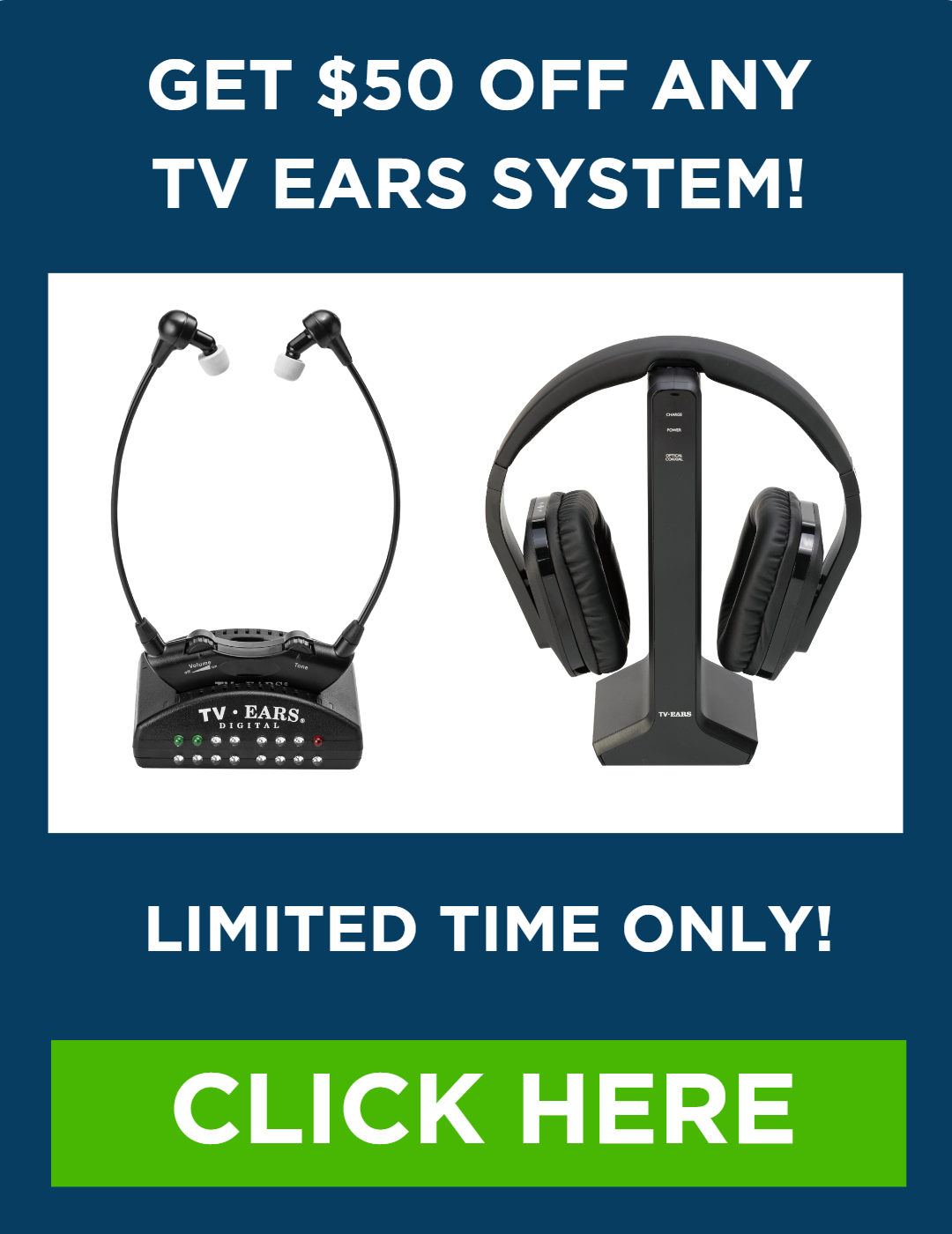
When your main goal is to hear every word of dialogue clearly, a specialized device is often your best bet. The TV Ears Digital is designed specifically for this purpose. As one review notes, “Dedicated TV headphones are the easiest to set up and have no sound delays,” which is a huge plus if you’re not tech-savvy. This system uses our proprietary Voice Clarifying Circuitry® to lift dialogue out of the background noise, making conversations crisp and understandable. It’s a straightforward solution that focuses on one thing: making television audio perfectly clear for those with hearing loss, so you can finally stop asking, “What did they say?”
Avantree HT4186
For a versatile and budget-friendly option, the Avantree HT4186 is a strong contender. These come in an earbud style, which some people find more comfortable than bulky over-ear headphones. According to a review from Soundly, the “Avantree HT4186 offers easy setup and is an affordable earbud style option.” A key benefit is its versatility; you can also use the earbuds for everyday Bluetooth streaming from your phone or tablet. This makes them a great multi-purpose choice if you want one set of headphones for both TV and music on the go, without breaking the bank.
Avantree Quartet
Watching TV is often a shared activity, and the Avantree Quartet is built for exactly that. This system is perfect for couples or families who want to listen together. As noted by The New York Times, “The Avantree Quartet comes with four headphones and allows you to add up to 100 more.” This incredible flexibility means no one gets left out. The package includes everything you need for a simple setup, so you and your loved ones can quickly connect and enjoy a movie night at personalized volume levels. It’s an ideal solution for creating a shared yet individual listening experience in any household.
Insignia NS-HAWHP2
If you’re looking for a reliable and comfortable set of headphones, the Insignia NS-HAWHP2 is worth considering. This model is praised for its solid performance and user-friendly design. It delivers clear sound that stays perfectly synced with the video, so you won’t have to deal with annoying lip-sync lag. A major convenience is that the charging base also functions as the transmitter, which keeps your setup tidy and simple. Reviewers highlight that the Insignia NS-HAWHP2 is comfortable to wear for extended periods, making it a great choice for binge-watching your favorite series or settling in for a long movie.
Sony WH-1000XM4
For those who want a premium, immersive audio experience, the Sony WH-1000XM4 headphones are a top-tier choice. While not exclusively designed for TV, their performance is outstanding. These headphones are famous for their excellent sound quality and noise cancellation, which helps block out distracting household sounds like the air conditioner or a conversation in the next room. This allows you to get completely lost in what you’re watching. With no audio delay, the sound matches the picture perfectly. They are a fantastic option if you want high-end headphones that you can use for music, travel, and creating your own private movie theater at home.
Bose QuietComfort 35 II
Comfort is king when it comes to long viewing sessions, and the Bose QuietComfort 35 II headphones truly deliver. This model is renowned for its exceptional noise cancellation and comfort, making it another excellent choice for anyone who wants to block out the world and focus on their show. The plush earcups and lightweight design mean you can wear them for hours without discomfort. Like the Sony model, these are premium, all-purpose headphones that provide a rich, detailed sound experience. If you plan on watching entire seasons or movie trilogies in one sitting, the comfort and sound quality of the Bose QC35 II make them a worthy alternative.
How Do These Alternatives Actually Sound?
When you settle in to watch your favorite show, the last thing you want is a struggle to understand what’s being said. Great sound quality for TV isn’t just about booming explosions or a sweeping musical score; it’s about balance. The ideal TV headphones make dialogue crisp and clear while still delivering a rich, full sound for everything else. This is where many standard headphones fall short—they might be great for music, but they often fail to separate spoken words from background noise, forcing you to constantly adjust the volume. It’s a frustrating cycle that can take you right out of the story.
The goal is to find a pair of headphones that brings the dialogue to the forefront without sacrificing the rest of the audio experience. This means you can catch every quiet whisper and witty one-liner without getting blasted by a sudden action sequence. A good set of TV headphones should make the audio clearer, not just louder. This distinction is key, as it leads to a more comfortable and less tiring viewing session. Instead of straining to decipher mumbled lines, you can relax and simply enjoy your show. It’s about reclaiming the television experience and making it enjoyable for you again, at a volume that’s perfect for your ears.
How Clear is the Dialogue?
The number one job of a great pair of TV headphones is to make dialogue easy to understand. Some models are specifically designed to enhance dialogue clarity, using special technology to lift voices out of the mix. This works by isolating and boosting the specific frequencies of human speech, making conversations stand out from background music and sound effects. The benefit is twofold: you can finally understand what the characters are saying, and you can do so at a lower, more comfortable volume. This reduces ear fatigue and makes binge-watching your favorite series a much more pleasant and relaxing experience.
What About Music and Sound Effects?
While clear dialogue is crucial, you don’t want to lose the atmospheric music and sound effects that make a movie or show immersive. The challenge is finding headphones that can deliver both. Some home theater headphones provide a good overall listening experience but may not create a convincing surround sound effect that makes you feel like you’re in the middle of the action. It’s important to consider what matters most to you. If you primarily watch dialogue-heavy dramas and news programs, a model that excels at voice clarification is your best bet. If you’re a film buff who loves action-packed blockbusters, you’ll want a pair that can handle both dialogue and dynamic soundscapes effectively.
Understanding Different Sound Profiles
Think of a “sound profile” as the personality of your headphones. Some headphones are designed for music, with a profile that emphasizes deep bass and high treble. But when you’re watching TV, that’s not what you need. The real issue for many people isn’t just volume; it’s that the spoken words get buried under loud music, explosions, and other background noise. The best TV headphones have a sound profile specifically tuned to solve this problem. Instead of just turning everything up, they intelligently identify the frequencies of human speech and bring them to the forefront, making dialogue crisp and distinct.
This is where specialized voice-clarifying technology comes in. Headphones with this feature don’t just make the audio louder; they make it smarter. They re-balance the sound so you can easily follow quiet conversations and catch every witty remark without getting overwhelmed by a sudden car chase. This creates a much more relaxing and enjoyable viewing experience because you’re not straining to understand what’s being said. The goal is to find a device that delivers clear dialogue first and foremost, while still preserving the rich soundscape that makes your favorite shows and movies so immersive.
Can You Personalize Your Sound?
Everyone’s hearing is different, so the ability to customize your audio is a fantastic feature. Look for headphones that offer sound personalization, such as different listening modes or tone adjustments. Some models are celebrated for their high-quality components that allow for a tailored listening experience. This means you can adjust the bass and treble to suit your personal preferences and hearing needs. For example, if you have trouble hearing higher-pitched sounds, you can increase the treble to make voices sound sharper and clearer. This level of control ensures the audio is perfectly tuned for you, making every show sound its best.
How Well Do They Block Out Distractions?
A truly immersive TV experience requires shutting out the world around you. This means dealing with two kinds of interruptions: household noise and technical glitches. Over-ear headphones create a physical seal that helps block out ambient sounds like a running dishwasher or a conversation in the next room. Just as important is avoiding audio lag, where the actors’ lips don’t match the sound. This lip-sync issue is a common problem with Bluetooth headphones. That’s why many dedicated TV headphones use other wireless technologies to ensure a solid, distraction-free connection with zero noticeable delay, so you never miss a beat.
Which Headphones Are Easiest to Live With?
Fantastic sound quality doesn’t mean much if the headphones are a pain to wear or use. The best TV headphones should feel like they’re not even there, blending seamlessly into your viewing experience. When you’re comparing models, think about the practical, day-to-day realities of using them. How do they feel after the second hour of a movie? Can you adjust the volume without fumbling for the right button in the dark? A product that’s comfortable and intuitive is one you’ll actually look forward to using every day, making it a worthwhile addition to your home. It’s the difference between a gadget that collects dust and one that genuinely improves your quality of life.
Are They Built to Last?
The moment you pick up a pair of headphones, you can get a sense of their quality. A well-built device feels solid and sturdy, not flimsy or cheap. This isn’t just about looks; it’s about longevity. You want a headset that can withstand being picked up, put down, and charged daily without parts becoming loose or cracking. While some models like the Sennheiser RS 175 are known for a quality build, it’s important to consider how that construction contributes to the overall weight and comfort. A durable design ensures your investment lasts, providing clear TV sound for years to come.
A Note on Build Materials
The choice of materials plays a huge role in how headphones feel and how long they last. Premium headphones often use metal components and dense plastics, which give them a substantial, high-quality feel. However, this sturdiness can come with a trade-off: extra weight. A heavier headset might feel durable in your hands, but after an hour or two of watching a movie, it can lead to discomfort on your head and neck. On the other hand, a device made from lightweight materials shouldn’t feel cheap or fragile. The ideal design finds a smart balance, using durable polymers that can handle daily use without weighing you down, ensuring your comfort over many hours of viewing.
How Do They Feel to Wear?
Comfort is personal, but there are a few key things to look for. The first is weight. Some listeners find that heavier, over-ear headphones can cause neck strain or feel cumbersome during a long movie marathon. Lighter, under-the-chin styles can be a great alternative for extended use. Also, consider the material of the earpieces. Do they breathe, or will they make your ears feel hot and sweaty after a while? The goal is to find a pair you can wear for hours without constantly readjusting them. An uncomfortable fit can be just as distracting as poor sound quality.
Are the Controls Easy to Use?
When a dramatic scene is getting quiet, the last thing you want is to struggle with a confusing set of tiny buttons. Some headphones have been criticized for clustering buttons together, making it hard to distinguish volume up from a sound mode setting without looking. Look for headphones with a simple, intuitive layout. The best designs feature large, easy-to-press buttons that are spaced out and simple to identify by touch. You should be able to adjust the volume or mute the sound effortlessly, without ever taking your eyes off the screen and breaking your concentration.
How Simple is the Setup?
You just brought home your new headphones and are excited to try them out—now what? The setup process can make or break your initial experience. You shouldn’t need a technical manual to get clear sound from your TV. The simplest systems offer a true “plug-and-play” experience. Typically, dedicated TV headphones come with a transmitter base that you connect directly to your television’s audio port. Once it’s plugged in, the headphones should connect automatically. This straightforward approach gets you listening in minutes, avoiding the often-frustrating process of pairing Bluetooth devices.
Troubleshooting Common Audio Problems
Even the most highly-rated headphones can present frustrating issues that get in the way of your show. It’s a common complaint that some models, even premium ones, have a maximum volume that feels surprisingly low, which defeats the purpose if you’re struggling to hear. Other times, the problem is physical; a heavy, bulky headset can become uncomfortable during a long movie. But perhaps the most disruptive issue is when the audio signal cuts out intermittently, dropping you right out of a crucial scene. These small but significant problems can add up, turning what should be a relaxing experience into a technical headache. Before giving up, there are a few common fixes you can try.
Fixing No Sound from Streaming Apps
If you can hear your cable box just fine but get silence when you switch to Netflix or another streaming app, you’ve run into a very common audio format issue. Your TV is likely trying to send a complex audio signal (like Dolby Digital or Bitstream) that your headphone transmitter can’t decode. The fix is usually simple. Go into your television’s audio settings menu and look for an option called “Digital Audio Output” or “Audio Format.” Change this setting from Bitstream or Auto to PCM. PCM is a universal format that your headphones can almost certainly understand. This one small change will often solve the problem instantly, getting your sound back for movie night.
What to Do if Your Audio Keeps Cutting Out
There’s nothing more annoying than your audio dropping out in the middle of an important line of dialogue. If your sound is crackling, popping, or cutting out completely, the culprit is almost always wireless interference. Your headphone transmitter is competing with other signals in your home. To fix this, start by moving the transmitter base as far away as possible from other wireless devices, especially your Wi-Fi router. You should also check for other sources of interference like cordless phones or even a running microwave. Ensuring there is a clear line of sight between the transmitter and your headphones can also create a more stable wireless connection and a smoother, uninterrupted listening experience.
How Easy Is It to Share Your Headphones?
Watching TV with a partner or family member can be a challenge when everyone has different hearing needs. This is where multi-headset support becomes a game-changing feature. Some systems allow you to connect two or more headsets to a single transmitter base. This means you and a loved one can watch the same show together, with each person controlling their own volume. It’s the perfect solution to end the “volume wars” for good, allowing everyone to enjoy their favorite programs at a level that’s perfectly comfortable for them without disturbing anyone else in the room.
Let’s Talk Tech: What the Numbers Mean
When you’re looking for the right TV headphones, the technical details can feel a little overwhelming. But don’t worry—you don’t need to be an audio engineer to understand what matters. The specifications are really just about how the headphones will fit into your daily life. Think of it this way: Will they stay connected when you get up for a snack? Will the battery die in the middle of your favorite show? Does the sound match the picture on the screen?
These are the practical questions that the tech specs answer. A great pair of TV headphones should work so seamlessly that you forget you’re even wearing them. They should feel like a natural extension of your television, delivering clear sound without any fuss. In the next few sections, we’ll walk through the most important features to consider, from wireless range and battery life to connection stability and TV compatibility. This will help you compare different models and find the perfect fit for your home and your viewing habits.
How Far Can You Go?
One of the best things about wireless TV headphones is the freedom to move around. You can grab a drink from the kitchen or let the dog out without missing a single word of dialogue. This is possible thanks to the product’s wireless range. Most dedicated TV headphones, including the Sennheiser models, use Radio Frequency (RF) technology, which typically offers a much longer range than Bluetooth. While the Sennheiser RS 195 boasts an impressive range, most quality RF headphones will let you roam freely throughout your home. This is a huge advantage over many Bluetooth devices, which can lose connection if you just step into the next room.
How Long Does the Battery Last?
There’s nothing more frustrating than your headphones dying right at the climax of a movie. That’s why battery life is so important. You’ll want a pair that can last through a long movie marathon or a full day of watching your favorite shows. The Sennheiser RS 175 is known for its long-lasting battery, setting a good standard for what to expect. When comparing models, look for at least 15-20 hours of listening time on a single charge. Also, consider the charging method. Many TV headphone systems come with a convenient charging dock, so you can simply place the headset on the stand when you’re done, ensuring it’s always ready for your next viewing session.
Will the Connection Drop?
A stable connection is non-negotiable. You need audio that is clear and consistent, without any annoying static, popping, or dropouts. While RF headphones generally provide a strong signal, they can sometimes experience interference from other household electronics like microwaves or cordless phones. Some users have reported occasional static with their Sennheiser models, which can disrupt the viewing experience. When looking at alternatives, pay close attention to reviews that mention signal strength and clarity. A reliable connection means you can simply sit back and enjoy your show without worrying about technical glitches.
Is There a Delay Between Audio and Video?
Have you ever watched a video where the sound is just slightly out of sync with the person’s lips? This is called audio lag, or latency, and it can be incredibly distracting. This is a common problem with Bluetooth headphones when used for TV, but it’s something that dedicated RF wireless headphones are specifically designed to prevent. Models like the Sennheiser RS 175 are praised for having virtually no lip-sync issues, creating a much more natural and immersive experience. When you’re shopping for TV headphones, make sure the model you choose has low latency. This ensures that what you see and what you hear are always perfectly aligned.
Will They Work with Your TV?
Worried about a complicated setup? Don’t be. Most TV headphone systems are designed to be plug-and-play, and they’re compatible with nearly any television, old or new. Your TV will have a set of audio output ports on the back, and the headphones will come with the cables needed to connect to them. The most common types are the Digital Optical (which looks like a small, square-shaped door), RCA (the red and white circular ports), and the 3.5mm headphone jack. Top-rated systems, including the Sennheiser models and the alternatives we’ll cover, are built to work with these standard TV connections, so you can be confident they’ll work with the TV you already own.
How to Pick Your Perfect Pair of TV Headphones
With so many options out there, picking the right TV headphones can feel a little overwhelming. But it doesn’t have to be complicated. The best choice really comes down to your personal needs and how you like to watch TV. By asking yourself a few simple questions, you can narrow down the choices and find the perfect pair for your living room. Let’s walk through the key things to consider.
First, What’s Your Budget?
TV headphones come in a wide range of prices, from simple, budget-friendly models to more advanced systems that cost a few hundred dollars. For example, a popular model like the Sennheiser RS 175 often retails for over $250. It’s helpful to set a budget you’re comfortable with before you start shopping. Remember, a higher price tag doesn’t automatically mean it’s the best choice for you. The goal is to find a reliable pair of headphones with the features you’ll actually use, at a price that feels right.
Which Sound Features Matter Most to You?
Think about what you struggle with when watching TV. If you have a hard time catching dialogue, look for headphones with voice-clarifying technology. This feature is designed to make speech stand out from background music and sound effects, so you don’t miss a word. Some models also offer noise reduction, which helps you focus on your show without getting distracted by household sounds. This allows you to listen at lower volumes, which can reduce ear fatigue during a long movie.
How Important is All-Day Comfort?
If you love settling in for a movie marathon or binge-watching your favorite series, comfort is key. Pay attention to the design of the headphones. Are they lightweight? Are the earcups soft and breathable? A heavy or tight-fitting pair can become uncomfortable after an hour or two. While some popular models are known for being decently comfortable, everyone’s head shape and preference is different. A lightweight, well-padded design will make a huge difference in your viewing experience.
Are You Listening Alone or With Others?
Do you usually watch TV with a partner or family member? This is a big one. The “volume wars” are a common source of frustration in many households. The great news is that many TV listening systems are designed for two people. These systems allow you to connect a second headset to the same transmitter, so you can both watch the same show at your own perfect volume. It’s a simple solution that can bring a lot of peace and quiet back to the living room.
Ready to Buy? Here’s Where to Look
You can find TV headphones at major electronics stores, but you’ll often find a better selection and more knowledgeable staff at specialized retailers or directly from the manufacturer. Websites that focus on personal amplification devices understand the specific needs of people with hearing loss and can offer more tailored advice. Buying directly from a company like TV Ears also means you’re getting support from the people who know the product inside and out.
What if Something Goes Wrong? (A Look at Warranties)
Don’t overlook the warranty and customer support. A good warranty shows that a company stands behind its product and gives you peace of mind. Before you buy, check how long the warranty lasts and what it covers—is it just for manufacturing defects, or does it include wear and tear? It’s also a good idea to see what kind of customer support is available. Can you easily call someone if you have trouble with setup? A solid return policy and accessible support are just as important as the product itself.
Related Articles
- When looking for headphones for TV wireless is the best
- Top 5 Things You Need to Know About a Headphone for TV Use
- Enjoy TV Watching with Wireless Headphones for the TV
- Wireless headphones for tv’s: Many options, 1 top choice
- Looking for a headphone for TV?…Check out this option first – TV Ears® Official Store
Frequently Asked Questions
Why can’t I just use my regular Bluetooth headphones with my TV? While Bluetooth headphones are fantastic for music, they often create a frustrating delay when connected to a television. You might notice that an actor’s lips are moving a split-second before you hear their words. This lip-sync lag can be very distracting. Dedicated TV headphones use a different wireless technology, like Radio Frequency (RF), to create a direct and stable connection that keeps the audio and video perfectly in sync.
I wear hearing aids. Will these headphones work for me? Yes, TV listening systems are designed to help whether you use hearing aids or not. Many people find it more comfortable to remove their hearing aids and use a headset for a more direct and immersive sound experience, especially for a long movie. Headsets with an under-the-chin design are particularly popular because they don’t interfere with any devices you might wear on or behind your ear.
What’s the difference between making the sound louder and making it clearer? Simply turning up the volume makes everything louder—the dialogue, the music, and the sound effects. If you’re struggling to hear voices, this can make the problem worse by amplifying all the background noise. Voice-clarifying technology is different. It works by identifying the frequencies of human speech and separating them from the rest of the audio. This makes dialogue crisp and understandable, so you can follow conversations without having to blast the overall volume.
Are these systems complicated to connect to my TV? Not at all. Most dedicated TV listening systems are designed to be incredibly simple to set up. They typically come with a small transmitter base that you connect to an audio output port on the back of your TV. Once the base is plugged in, the headphones usually connect to it automatically. This “plug-and-play” approach means you can be set up and listening in just a few minutes, without any confusing pairing processes.
My spouse and I can never agree on the TV volume. Is there a solution for that? This is one of the most common reasons people look for TV headphones. The great news is that many systems are built to solve this exact problem. You can find systems that support two or more headsets connected to a single transmitter. This allows both of you to watch the same show together, while each person controls their own volume independently. It’s a perfect way to let everyone listen at a level that’s comfortable for them.