Missing key lines of dialogue can turn a great movie into a confusing jumble. When you’re constantly asking, “What did they just say?” the enjoyment fades fast. The issue often isn’t just volume; it’s about clarity. A device to hear tv without disturbing others is the perfect solution. These assistive listening devices for tv are designed to lift voices out of the background noise, sending clear dialogue right to your ears. This guide explores the different types of devices that can help you reclaim your entertainment experience.
Key Takeaways
- Regain Control of Your TV Volume: An assistive listening device delivers clear TV audio directly to you, allowing you to set the volume you need. This ends the household conflict over the remote and lets everyone enjoy shows together at their own comfortable sound level.
- Find a Solution That Fits Your Life: Your ideal device depends on whether you wear hearing aids. Wireless TV headphones are a simple, all-in-one solution, while a TV streamer works seamlessly with your existing hearing aids to provide sound customized for you.
- Focus on Features That Matter: Look beyond just making the sound louder. The best devices use technology to clarify dialogue and reduce background noise. Also, consider practical features like a simple charging station to ensure your device is always ready when you are.
How Can You Hear the TV Without Disturbing Others?
If you find yourself constantly reaching for the volume remote or asking family members, “What did they just say?” you’re not alone. An Assistive Listening Device (ALD) for TV is a simple tool designed to solve this exact problem. Think of it as a personal sound system that delivers clear television audio directly to your ears, without making the room-shakingly loud for everyone else.
These devices aren’t the same as hearing aids, though they can certainly work with them. An ALD is specifically focused on one task: making TV dialogue and sounds crisp and understandable. They bridge the distance between you and your television, cutting through background noise to bring the audio right where you need it. This means you can set a volume that’s perfect for you, while your family, friends, or neighbors can listen at a level that’s comfortable for them. It’s a straightforward way to get back to enjoying your favorite shows without frustration.
Why Is TV Dialogue So Hard to Hear?
It’s a common frustration: the action-packed scenes are deafening, but the moment characters start talking, their voices become a muffled whisper. If you’re struggling to keep up with conversations on screen, it’s not just you. Modern entertainment is often mixed in a way that prioritizes dramatic soundscapes over clear dialogue. This complex audio, combined with the design of today’s televisions, creates a perfect storm for hard-to-hear speech. Understanding the root causes can help you find the right solution to bring clarity back to your viewing experience.
The Problem with Modern TV Design
Today’s televisions are impressively thin and sleek, but that slim profile comes at a cost. To fit into such a narrow frame, built-in TV speakers have become smaller and less powerful. These tiny speakers often struggle to reproduce the full range of sound, making it difficult to distinguish voices from the mix of music and sound effects. As one of our guides points out, “Modern TVs are thin, so their built-in speakers are often small and don’t make voices clear.” When you have dialogue, a musical score, and background noises all competing for space through these small speakers, the spoken word is frequently the first thing to get lost.
Why Turning Up the Volume Doesn’t Help
Your first instinct is probably to grab the remote and crank up the volume. Unfortunately, this rarely solves the problem. Turning up the TV makes everything louder—not just the dialogue. The booming music, loud explosions, and ambient noise all increase, which can make speech even harder to understand. This approach often leads to a frustrating cycle of raising the volume for dialogue and then quickly lowering it during loud scenes. Plus, it can easily disturb others in the room or even in the next apartment. A better approach is to find a way to isolate and clarify voices, rather than just amplifying all the noise.
Free Ways to Improve TV Sound
Before investing in a new device, it’s worth exploring the settings already built into your television. Many TVs have audio features designed to make dialogue easier to understand, but they aren’t always turned on by default. Spending a few minutes in your TV’s menu can sometimes make a significant difference. These adjustments are completely free and might be all you need to improve your listening experience. From simple sound modes to more advanced equalizers, these built-in tools can help you tailor the audio to your specific needs.
Adjust Your TV’s Built-in Audio Settings
Start by exploring your TV’s sound menu, which you can usually access through the “Settings” or “Menu” button on your remote. Look for options with names like “Clear Voice,” “Speech Boost,” or “Dialogue Enhancement.” Activating one of these modes tells your TV to prioritize the frequencies where human voices are found, making them stand out from the background. You can also try changing the main sound mode. If your TV is set to “Surround Sound,” “Cinema,” or “Movie” mode, try switching it to “Stereo” or “Normal.” These simpler modes often provide a more direct and clearer audio mix for dialogue.
Using Sound Modes and Equalizers
If your TV has a sound equalizer (often labeled “EQ”), you can make even more precise adjustments. An equalizer allows you to control different sound frequencies independently. Since voices are typically in the mid and high-frequency ranges, you can try lowering the bass sounds (the deep rumbles) and slightly increasing the mid and high sounds. This simple tweak can often lift dialogue out of a muddy audio mix, making it much more crisp and intelligible without affecting the overall volume.
Turn On Closed Captions
When all else fails, closed captions (CC) are a reliable way to ensure you never miss a word. This feature displays the dialogue and other relevant audio cues as text on the screen, providing a visual aid to complement what you’re hearing. It’s a straightforward solution that works on any show or movie that supports it. While some people find captions distracting, many find them to be an indispensable tool for following along with complex plots or fast-paced conversations. You can easily turn them on and off through your TV’s accessibility or subtitle menu.
How Do These TV Listening Devices Work?
The magic behind most TV listening devices is a simple two-part system: a transmitter and a receiver. The small transmitter plugs directly into your television’s audio output port. It then wirelessly sends the TV’s sound to a receiver, which is typically a lightweight headset or a small device that connects to your hearing aids. This creates a direct, personal link between you and the television audio.
Because the sound travels straight to your ears, it doesn’t get muffled by distance, room acoustics, or other household noises. This direct connection is what makes the dialogue so much clearer. Many modern systems use reliable technologies like infrared or radio frequency, while some can also connect via Bluetooth. The best part is that you get your own volume control on the receiver, completely independent of the TV’s speakers.
Is a TV Listening Device Right for You?
TV listening devices are for anyone who struggles to hear the television clearly. This isn’t just for individuals with significant hearing loss; these tools are incredibly helpful for people with even mild hearing loss who find that dialogue gets lost in the mix of music and sound effects. If you have to turn the volume up to a level that bothers others in your home, an ALD is the perfect solution for restoring peace to the living room.
Ultimately, these devices are for people who want to fully engage with their favorite entertainment again. They help you catch every punchline, follow every plot twist, and feel more connected to the stories on screen. It’s a simple change that can make a big difference in your daily life, making television a more relaxing and enjoyable experience for everyone.
Your Options for TV Listening Devices
Finding the right tool to help you hear the TV better can feel like a big task, but it doesn’t have to be. There are several different types of devices out there, each designed to solve the problem in a slightly different way. Some create a private listening bubble just for you, while others improve the sound for everyone in the room. The best choice really comes down to your specific hearing needs, whether you use hearing aids, and your home setup.
Let’s walk through the most common options, from simple headphones to systems that work directly with your hearing aids. Understanding how each one works will help you find the perfect solution to bring back the joy of watching television without any frustration.
Wireless Headphones for Private TV Listening
Wireless TV headphones are a straightforward and popular choice. These systems include a comfortable headset and a small transmitter that you plug into your television. The transmitter sends the TV’s audio directly to the headphones, giving you a private listening experience. The best part is that you get your own personal volume control. You can turn your headset up as loud as you need without making the TV speakers blast for everyone else in the room. This simple setup is perfect for regaining clarity and ending the “volume wars” at home. Many find these headphones for TV to be an easy first step into assistive listening.
Systems with a Dedicated Transmitter
Similar to wireless headphones, TV listening systems use a transmitter to send sound from the TV to a personal receiver. However, instead of bulky over-ear headphones, these systems often use lightweight headsets that rest under your chin. They are specifically engineered to clarify voices and dialogue, making it easier to follow conversations and plotlines in your favorite shows. Because the sound is sent directly to your ears, distracting background noise is significantly reduced. This direct audio stream is a game-changer for watching content with hearing loss, as it isolates the TV audio and delivers it with exceptional clarity, right where you need it.
Stream TV Sound Directly to Your Hearing Aids
If you already wear hearing aids, a TV streamer might be the ideal solution for you. These small devices connect to your TV and wirelessly send the audio directly to your hearing aids, essentially turning them into a pair of high-quality, personalized speakers. This direct connection provides a crisp, clear sound that is customized to your specific hearing needs by your own hearing aids. It’s a seamless way to integrate your existing hearing technology with your home entertainment system. Most major hearing aid brands offer their own assistive TV products, so it’s worth checking for a streamer that’s compatible with your specific model.
Using Neck Loops with T-Coils
For those whose hearing aids are equipped with a T-coil, a neck loop is another excellent option. This device is worn comfortably around your neck and works with a transmitter connected to your TV. The neck loop receives the audio signal from the transmitter and creates a small magnetic field that sends the sound directly to your hearing aids. To use it, you simply switch your hearing aids to the telecoil (T-coil) setting. This turns your hearing aids into personal speakers, delivering clear dialogue without any room noise or echo. It’s a fantastic way to leverage the technology you already have for a better TV experience.
Soundbars Designed for Clearer Dialogue
A TV soundbar is a great option if you’re looking for a solution that benefits everyone in the room. A soundbar is a long, slim speaker that you place below your TV to improve its built-in audio. Many modern soundbars come with special features designed to enhance dialogue and make voices stand out from background music and sound effects. While it doesn’t provide a personalized volume level for one specific user, it can dramatically improve the overall sound quality for the entire audience. This is an excellent choice for families who want a richer, clearer audio experience for movie nights.
Wearable TV Speakers
If you don’t like the feeling of headphones covering your ears, a wearable TV speaker might be the perfect fit. These unique devices are designed to provide a personal sound experience without completely blocking out the world around you. Typically worn around your neck and resting on your shoulders, they create a personal sound bubble, directing clear audio up toward your ears. This setup allows you to enjoy your show while still being aware of your surroundings, so you won’t miss the phone ringing or a family member trying to get your attention. It’s a great option for anyone who wants to enhance their TV listening without feeling isolated from the rest of the household.
Bluetooth Adapters and Transmitters
What if your TV doesn’t have built-in Bluetooth, but you already own a pair of Bluetooth headphones you love? That’s where a Bluetooth adapter comes in. These small, simple devices connect to your TV’s audio output port and send the sound wirelessly to your Bluetooth headphones or speakers. This is an incredibly useful tool if your TV lacks built-in Bluetooth functionality, as it provides a simple way to create a personal listening setup. Many adapters even support connecting two pairs of headphones at once, making them perfect for watching with a partner. It’s a flexible solution that lets you enhance your audio experience using equipment you may already have.
Understanding FM and Infrared (IR) Systems
Some assistive listening systems use other technologies like FM or infrared signals to transmit sound. Another related option is an induction loop system, which works with hearing aids that have a feature called a telecoil (or T-coil). A thin wire, or “loop,” is placed around the room or worn around the neck. This loop transmits a signal from the TV that is picked up directly by the telecoil in the hearing aid. This creates a clear, direct audio feed free from room noise. While a bit more specialized, these assistive listening devices can be incredibly effective, especially in larger spaces or for those who prefer to use their hearing aid’s built-in technology.
What to Look For in a TV Listening Device
When you start looking at different TV listening devices, you’ll find they come with a variety of features. To find the perfect fit for your needs, it helps to compare them based on a few key factors. Think about what matters most to you—is it crystal-clear sound, ease of use, or compatibility with your hearing aids? Understanding these features will help you sort through the options and choose a device that truly improves your TV watching experience. Let’s walk through what to look for, so you can feel confident in your choice.
Focusing on Sound Quality and Clarity
The primary goal of any TV listener is to deliver clear, understandable audio. Some devices simply make everything louder, which can be overwhelming. The best ones, however, use technology to clarify dialogue, separating it from background music and sound effects. Many high-quality systems use a wireless transmitter to send audio directly from your TV to your headset. This direct connection minimizes distortion and interference, resulting in a much cleaner sound. Research shows that wireless streaming can provide significantly better sound quality than other methods, making it easier to catch every word of your favorite show.
Avoiding Lip-Sync Delay with Low Latency
There’s nothing more distracting than watching an actor’s lips move out of sync with the words you’re hearing. This frustrating delay, known as latency, can pull you right out of a good movie. It often happens when a wireless signal takes a split second too long to travel from the television to your headset. Thankfully, this isn’t an issue with most dedicated TV listening systems. They are specifically designed for this task and use reliable technologies like infrared or radio frequency, which are known for their low latency. This means the audio stays perfectly synchronized with the video, letting you get lost in the story without any jarring distractions.
Does It Work with Your Hearing Aids?
If you already use hearing aids or a cochlear implant, it’s essential to find a device that works with them. Some TV listeners are designed to be worn instead of your hearing aids, while others are made to connect directly to them. Many modern hearing aids are equipped with Bluetooth or a telecoil (T-coil) that can sync with a TV streamer. This setup sends the TV audio right into your hearing aids, giving you sound that’s already tailored to your specific hearing needs. Before you buy, always check the product specifications to ensure it’s compatible with your personal hearing device. This simple step ensures you get the best possible listening experience.
Checking the Wireless Range and Connection
Wireless technology gives you the freedom to sit wherever you like or even get up for a snack without missing a moment of your show. Different devices use different types of connections, such as Infrared (IR), Radio Frequency (RF), or Bluetooth. An IR connection requires a clear line of sight between the transmitter and your headset, meaning you can’t have objects in the way. RF and Bluetooth systems are more flexible, offering a wider range that allows you to move around the room or even step into an adjacent one. Consider your living space and habits to decide how much range you really need.
Understanding RF vs. IR Signals
Let’s break down the two main types of signals: Infrared (IR) and Radio Frequency (RF). Think of an IR signal like your TV remote—it needs a clear, straight path to work. The transmitter on your TV sends a beam of invisible light to your headset, but if someone walks in front of it or you turn your head too far, the sound can cut out. On the other hand, an RF signal works more like a car radio. It uses radio waves that can travel through walls and furniture, giving you the freedom to move around. This means you can get up and walk to the kitchen for a snack without missing any dialogue. Understanding these wireless technologies helps you choose a device that fits how you watch TV.
Considering Battery Life and Charging
You don’t want your headset to run out of power during the final scene of a movie. Pay close attention to how long the battery lasts on a single charge—most devices offer several hours of continuous use, which is plenty for an evening of TV. Also, consider the charging method. Is it simple and convenient? Many systems come with a charging base where you can simply rest the headset when you’re done. This is often easier than fumbling with small cords and plugs, especially for anyone with limited dexterity. A user-friendly charging station makes it more likely that your device will always be ready to go when you are.
Checking for Specific Charging Requirements
Beyond just how long the battery lasts, think about how you’ll actually charge the device day-to-day. Some headsets require you to plug in a small cable, which can be a bit of a hassle. A more convenient option, especially for those with limited dexterity, is a system that includes a charging cradle or dock. With this setup, you simply place the headset on the base when you’re finished watching TV, and it starts charging automatically. This eliminates any fumbling with tiny plugs and wires. When you’re choosing the right system, a simple charging station is a small detail that makes a big difference, ensuring your headset is always powered up and ready for your favorite show.
Finding Your Perfect Sound with Volume and Tone Control
One of the biggest benefits of a TV listening device is the ability to set your own volume. You can turn it up as loud as you need without disturbing anyone else in the room. This feature brings peace back to the living room, as everyone can enjoy the show at their own comfortable sound level. Some advanced devices also offer tone control, which lets you adjust the bass and treble. This can be incredibly helpful for making speech stand out from other sounds. By fine-tuning the audio, you can create a personalized sound profile that makes dialogue much easier to understand.
Cutting Out Distractions with Noise Reduction
Even in a quiet home, ambient sounds from an air conditioner, a fan, or traffic outside can make it harder to hear the TV. Many assistive listening devices are designed to tackle this problem by isolating the TV audio. They send the sound directly from the source to your ears, effectively bypassing the room’s acoustics and cutting out distracting background noise. This direct connection is key to improving the clarity of dialogue. By eliminating competing sounds, these systems ensure you can focus on the words being spoken, rather than straining to hear over other noises in your environment.
Ensuring Compatibility with Audio Pass-Through
One of the most practical features to look for is audio pass-through. This simply means that the TV’s regular speakers will continue to work even when your listening device is plugged in. Without this, connecting your headset might mute the TV for everyone else in the room. Audio pass-through allows the sound to be sent to both your headset and the TV speakers at the same time. The best part is that you get your own volume control on the receiver, completely independent of the TV’s speakers. This is the key to creating a peaceful viewing environment where you can have the volume you need, and your family can listen at a level that’s comfortable for them.
Considering Expandable Systems for Multiple Viewers
If you often watch TV with a spouse or family member who also has trouble hearing, an expandable system is a fantastic feature to consider. These systems allow you to connect more than one headset to a single transmitter. This means you can add extra headsets to one system, so two people can watch TV together, each with their own volume control. It’s a simple way to share the experience without compromising on individual comfort. Instead of buying two separate systems, you can find a dual system that keeps everyone connected and listening clearly.
Planning for Longevity with Replaceable Parts
A good TV listening device is an investment in your daily enjoyment, so you want it to last. Look for models that are designed for longevity with parts that can be easily replaced. Over time, things like ear tips and batteries will naturally wear out. The headphones are lightweight and have ear pads and batteries that you can replace, so they can last a long time. Choosing a device from a company that offers replacement parts means you can easily maintain your headset for years to come, ensuring you get the most value out of your purchase without having to buy a whole new system.
Which Brands Make the Best TV Listening Devices?
When you start looking for a TV listening device, you’ll notice a few names pop up again and again. These brands have built a reputation for creating reliable products that help people hear the television more clearly. Let’s walk through some of the most trusted names in the industry so you can get a better sense of what each one offers. From dedicated headphone systems to devices that work with your existing hearing aids, there’s a solution out there that fits your specific needs.
TV Ears Listening Systems
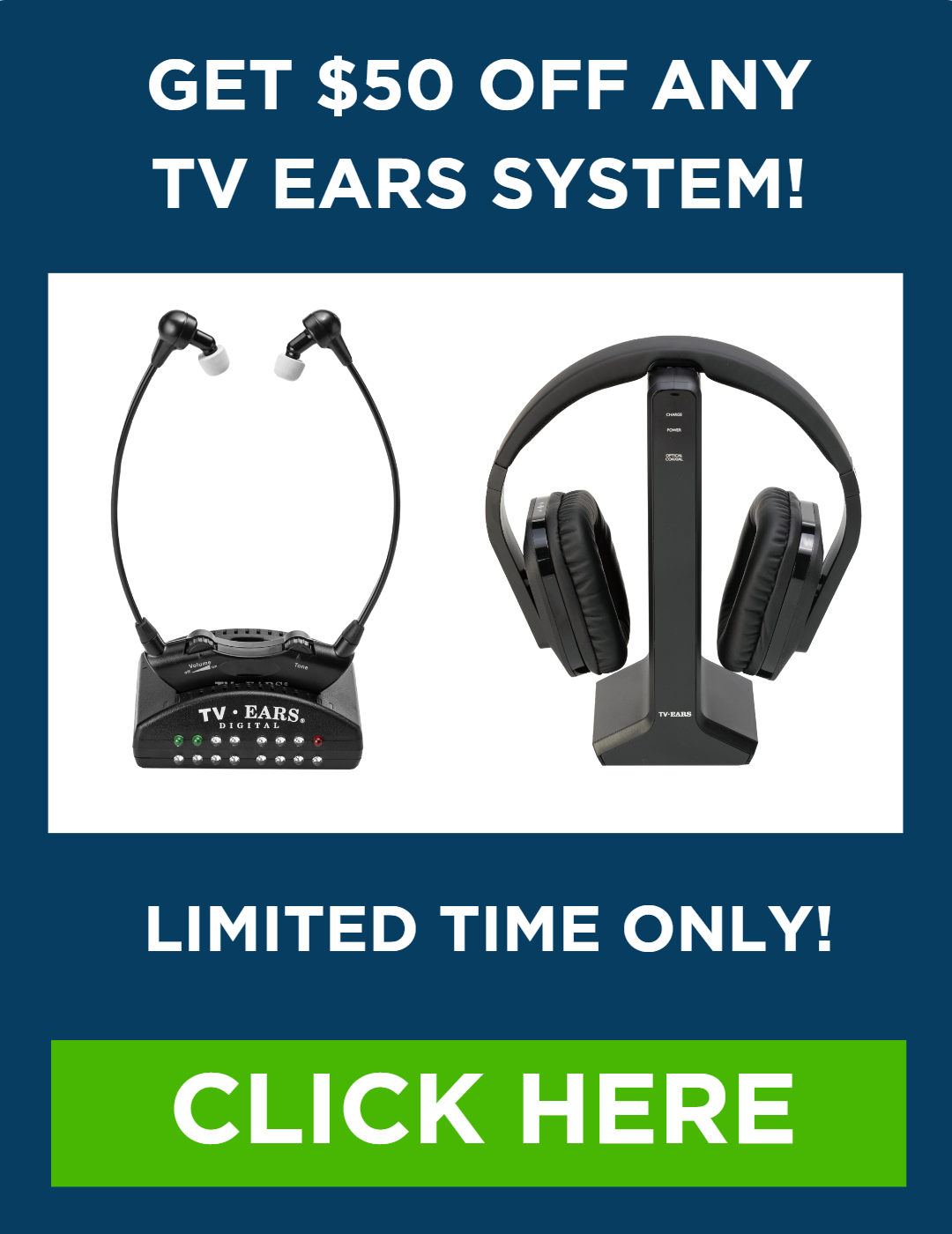
TV Ears has been a leader in this space since 1998, and for good reason. They specialize in creating listening systems specifically for television. With millions of products sold, their doctor-recommended headphones are designed to clarify dialogue and make it easier to understand what’s being said. They offer several models, like the Original and Digital systems, which are built to help people with a range of hearing loss, from mild to severe. This focus on TV audio means their products are fine-tuned to tackle the exact problem of muffled voices and loud background noise in shows and movies.
Phonak TV Connectors
If you already use Phonak hearing aids, the Phonak TV Connector is a fantastic accessory to consider. Instead of a separate headset, this small device plugs into your TV and wirelessly streams the audio directly to your hearing aids. This turns your hearing aids into a personal set of high-quality speakers. It’s a seamless way to get clear sound without needing to wear anything extra. This kind of direct streaming helps reduce room echo and other distracting noises, giving you a crisp audio experience that’s customized by your own hearing aids.
Sennheiser Wireless Headphones
Sennheiser is a well-known name in the audio world, famous for its high-quality headphones. They also offer a range of wireless TV listening devices that are popular for their excellent sound clarity and user-friendly designs. These systems typically include a transmitter that connects to your TV and a comfortable set of wireless headphones. Because Sennheiser has a strong background in audio engineering, their products are great at enhancing dialogue while keeping the overall sound rich and balanced. Many users appreciate the comfort and reliability that come with a trusted headphone brand.
Oticon TV Adapters
Similar to Phonak, Oticon offers a solution for those who already wear their hearing aids. The Oticon TV Adapter is a small box that connects to your television and streams audio directly to your Oticon hearing aids from up to 45 feet away. This means you can move around the room, grab a snack from the kitchen, and still hear the TV perfectly. It allows you to set a volume that’s comfortable for you through your hearing aids, while everyone else in the room can listen at a level that works for them, ending the battle over the remote control.
Williams Sound Personal Amplifiers
Williams Sound creates a variety of assistive listening devices (ALDs) designed to make sound clearer in different situations, including watching TV. Their personal amplifiers work by capturing the sound you want to hear, amplifying it, and reducing distracting background noise. These devices are often versatile, meaning you can use them not just for the television but also for conversations or in public places. For TV watching, this means you can focus specifically on the audio from the program, making dialogue much easier to follow and understand.
How Much Do TV Listening Devices Cost?
Finding the right TV listening device often comes down to balancing your needs with your budget. The good news is that there’s a wide range of options available, so you can find a solution that works for you without breaking the bank. Prices can vary quite a bit, from under a hundred dollars for a basic amplifier to several hundred for a high-tech system that syncs directly with your hearing aids.
The cost typically reflects the technology inside the device. More affordable options might offer simple sound amplification, while mid-range and premium models often include features like advanced voice-clarifying technology, longer wireless range, and more personalized tone controls. Think about what features are most important for your viewing experience. Do you need a simple volume fix, or are you looking for crystal-clear dialogue and seamless integration with other hearing devices? Understanding your priorities will help you decide where you want to land on the price spectrum. Let’s walk through what you can expect to find at different price points.
Budget-Friendly Picks: Under $100
You don’t have to spend a lot to make a big difference in how you hear the TV. If you’re just starting your search or have a tighter budget, there are some great entry-level devices available for under $100. These are often personal sound amplifiers that capture the TV audio and deliver it directly to you. While they may not have all the advanced features of more expensive models, they can effectively boost the volume and clarity of dialogue, making shows much more enjoyable. Companies like ADCO Hearing Products offer some excellent choices in this price range, proving that a solution can be both effective and affordable.
The Sweet Spot: Mid-Range Devices ($100-$250)
This price range is the sweet spot for many people, offering a fantastic balance of performance, features, and value. In the $100 to $250 range, you’ll find dedicated TV listening systems with more advanced technology. For example, the TV Ears Digital System is designed specifically to clarify television dialogue and comes with features that make listening a breeze. Devices in this category often provide superior sound quality, a more stable wireless connection, and greater comfort for long-term wear. If you watch TV regularly and want a reliable, high-quality experience without investing in a premium system, this is a great place to look.
Top-Tier Systems: What You Get for Over $250
For those who use hearing aids and want the most seamless experience, premium systems priced over $250 are the top choice. These devices are typically TV streamers that connect wirelessly to your television and transmit the audio directly to your compatible hearing aids. Brands like ReSound and Starkey offer assistive TV products that turn your hearing aids into a personal, high-fidelity sound system. This direct connection provides unmatched clarity and eliminates any audio delay. While they represent a larger investment, these streamers offer a truly integrated and personalized listening experience that is hard to beat.
How to Save Money on Your Device
Everyone loves a good deal, and there are definitely ways to save money on a TV listening device. A great first step is to check company websites for seasonal sales or special promotions, especially around holidays. Many retailers also offer free shipping, which can cut down on the overall cost. For instance, some sellers provide free shipping on online orders over a certain amount. It’s also a smart idea to sign up for email newsletters from brands you’re interested in. This way, you’ll be the first to know about exclusive discounts and new product announcements.
Solving Common Problems with TV Listening Devices
Even the most helpful technology can come with a few questions. If you run into a snag while setting up or using your TV listening device, don’t worry. Most issues are easy to fix, and getting past them is the final step to enjoying your favorite shows with perfect clarity. Let’s walk through some of the common hurdles and how to clear them.
What If It Doesn’t Work with My TV?
One of the first questions people ask is, “Will this work with my television?” The good news is that most assistive listening devices are designed to be universally compatible with almost any TV, old or new. They typically connect using standard audio output ports, like the red and white RCA jacks or a digital optical port. The best first step is to simply look at the back of your TV to see which ports you have available. Many modern hearing aids can also connect directly to your TV using Bluetooth, sending the audio right to you without an extra headset.
Keeping Your Device Charged and Ready to Go
Keeping your device powered and in good shape shouldn’t feel like a chore. Most TV listening systems today come with rechargeable batteries. The headset or receiver usually rests in a charging cradle that’s built into the transmitter, so it’s always charging when you’re not using it. This makes it easy to grab and go for your next movie night. Maintenance is also minimal—it usually just involves wiping down the device and occasionally cleaning or replacing the eartips to ensure you get the best sound. These simple steps help your assistive listening device perform its best for years to come.
Troubleshooting Common Sound Issues
If you’re hearing static, buzzing, or a weak signal, the fix is often simple. First, double-check that all cables are plugged in securely to both the transmitter and the TV. A loose connection is the most common cause of sound issues. Also, make sure the transmitter has a clear line of sight to where you’re sitting, as objects can sometimes block the signal. Many high-quality wireless systems deliver significantly better sound quality than other transmission types. If dialogue still sounds muffled, look for a device with adjustable tone control, which lets you fine-tune the audio to match your specific hearing needs.
A User Tip for Better Sound Quality
To get the best possible sound from your device, think beyond just turning up the volume. The most effective systems use special technology to clarify dialogue, separating voices from distracting background music and sound effects. A direct audio connection that sends the sound straight to your ears is also crucial, as it cuts through room noise and prevents the audio from getting muffled. Don’t hesitate to play with the settings, either. Many advanced devices, like those from TV Ears, include tone controls that let you adjust the bass and treble. Fine-tuning these can make speech stand out, helping you create a sound profile that’s perfectly tailored to your hearing.
Making Setup and Daily Use Easy
The thought of setting up new technology can be intimidating, but TV listening devices are designed for straightforward, “plug-and-play” use. In most cases, the setup involves just two steps: plugging the transmitter into your TV’s audio output port and connecting it to a power outlet. Once that’s done, you just turn on the headset, and it should automatically connect. You don’t need to be a tech wizard. Many people are impressed with the quick set-up and ease of use. If you do get stuck, don’t hesitate to reach out to the manufacturer’s customer support team—they’re there to help you get everything working perfectly.
How to Choose the Right TV Listening Device for You
Finding the perfect TV listening device is all about matching the technology to your personal needs and your home. It’s not a one-size-fits-all situation, but thinking through a few key areas can make the decision much clearer. By considering your specific hearing challenges, your living room setup, and how comfortable you are with technology, you can confidently pick a device that will make watching TV enjoyable again.
Start with Your Specific Hearing Needs
First, let’s think about your hearing. Do you struggle to make out dialogue, or is the main issue that you just need the overall volume to be louder? Understanding your specific challenges is the most important step. Assistive listening devices are tools you can use with or instead of your hearing aids to help you hear better, and they can make even the best hearing aids work much better. If you have a formal diagnosis, that’s a great starting point. If not, consider what you want to achieve—is it crisper dialogue or just a personal volume increase? A conversation with a hearing care professional can also provide incredible clarity on what features will benefit you most.
Getting a Professional Hearing Test
If the only time you notice a hearing issue is while watching TV, scheduling a professional hearing test might feel like an overreaction. However, it’s an incredibly useful step. A hearing test does more than just confirm hearing loss; it creates a detailed picture of your unique hearing profile, showing you which specific frequencies and tones are harder for you to hear. This information helps you understand *why* dialogue gets lost in the mix of sound effects. With this insight, you can choose a listening device with the right features, like tone control, to address your exact needs. Think of it as getting a personalized roadmap to better hearing, which an audiologist can help you interpret.
Think About Your TV and Room Layout
Next, take a look at your television and the room where you watch it. Does your TV have modern audio outputs like a digital optical port, or does it use the older red and white RCA jacks? Knowing your TV’s connections will help you narrow down compatible devices. The layout of your room matters, too. A large, open-concept space requires a device with a longer wireless range to ensure a stable connection if you move around. These devices let you listen to your favorite TV shows at a volume you like without bothering others in the room, turning a source of household friction into a peaceful, shared experience for everyone.
Look for Simplicity and Ease of Use
A device is only helpful if you actually use it, and complexity can be a major barrier. Look for a system that is straightforward to set up and operate daily. Features like a simple charging base where you can place the headset without fumbling with tiny cords, large and clear buttons, and an intuitive initial setup process are all things to consider. Many of the best systems are designed to be “plug and play,” meaning you connect a transmitter to your TV, and it works right away. You shouldn’t need a technical degree to hear your favorite shows clearly.
Don’t Forget to Check Compatibility
Finally, make sure the device you choose will work with your existing equipment. This is especially important if you wear hearing aids. Some TV listening systems are designed to stream sound directly to hearing aids with Bluetooth or telecoil capabilities, which provides a seamless experience. Other systems use a separate headset that works independently. It’s always a good idea to ask your hearing care professional which devices will work with your specific hearing aids. This simple check ensures that your new device will integrate perfectly into your life, giving you the clear, high-quality sound you’re looking for.
Look for Doctor Recommendations and User Reviews
When you’re choosing a device that impacts your health and daily life, trust is everything. Look for products that are recommended by professionals. For instance, devices like TV Ears are often suggested by doctors and audiologists because they are specifically engineered to make television dialogue clear and are trusted by experts. Beyond professional endorsements, take some time to read reviews from other users. Hearing from people, especially other seniors, who have faced the same challenges can give you a realistic idea of how a device performs in a real home. These reviews often contain helpful tips, like setting your TV’s audio to a ‘fixed mode’ for the best possible experience with your new headphones.
Check for Risk-Free Trials and Customer Support
Buying a new piece of technology can feel like a big commitment, but it doesn’t have to be. A risk-free trial period is a great sign that a company stands behind its product. It gives you the chance to try the device in your own home, with your own TV, to make sure it’s the right fit for you. For example, TV Ears offers a 30-day risk-free trial, so you can experience the difference for yourself without any pressure. Also, consider the quality of customer support. If you run into any issues with setup, having a helpful, accessible team to call can make all the difference. Don’t hesitate to reach out to the support team—they are there to help you get everything working perfectly.
Related Articles
- Don’t let bad assistive listening solutions get in the way of hearing TV – TV Ears® Official Store
- A Guide to TV Listening Devices for Enhanced Entertainment
- 5 Best TV Hearing Aid Devices for Clear Sound
- 3 Best TV Listening Devices for Clear Audio
- Best TV Headphones for Hearing Impaired: 2025 Guide
Frequently Asked Questions
Will other people in the room still be able to hear the TV? Yes, absolutely. Think of a TV listening device as creating a personal sound zone just for you. It doesn’t turn off your television’s main speakers. This means you can adjust the volume in your headset to the perfect level, while your family and friends can set the TV’s speaker volume to whatever is comfortable for them. It’s the ideal way to ensure everyone can enjoy the show together.
Are these devices the same as hearing aids? That’s a great question, and the answer is no. Hearing aids are sophisticated medical devices designed to help you hear better in all kinds of daily situations. A TV listening device has one specific job: to deliver clear, crisp audio from your television directly to your ears. While some systems are designed to work with your hearing aids, the headsets themselves are specialized tools for a better entertainment experience.
What if I have an older TV without modern audio ports? You should still be able to connect a device without any trouble. Most TV listening systems are designed for universal compatibility and come with adapters for various connections. They often use the standard red and white RCA audio jacks, which have been common on televisions for many years. Just take a quick look at the back of your TV to see which audio outputs are available.
Why should I get a special TV listener instead of just using regular Bluetooth headphones? While any headphones can make the sound louder, dedicated TV listeners are engineered to make it clearer. They use special technology that isolates and clarifies dialogue, separating voices from distracting background music and sound effects. This focus on speech clarity is what makes it so much easier to follow conversations and catch every word of your favorite show, which is something most standard headphones aren’t built to do.
Do I have to turn the device off and on every time I use it? Most systems are designed to be incredibly simple to use. Many models turn on automatically when you lift the headset from the charging base or pull the earpieces apart. When you’re finished watching, you simply place the headset back on its charging cradle, and it will turn off and begin charging for your next use. This makes grabbing them for a show completely effortless.