You’re settled in to watch a new show, but the actors’ voices are lost beneath a loud musical score and sound effects. You keep reaching for the volume, but making it louder just makes the explosions louder, not the whispers. This frustration of missing key plot points can take all the enjoyment out of watching television. It’s a common issue, and it’s not your fault. Modern shows often have complex sound mixing that makes dialogue hard to distinguish. A specialized headset to hear tv better can solve this by using technology to lift speech out from the background noise, delivering crisp, clear words directly to your ears.
Key Takeaways
- Focus on Dialogue Clarity, Not Just Volume: A great TV headset makes speech crisp and easy to understand, even when background music is loud. Look for voice clarification technology to stop straining to hear conversations and catch every word.
- An RF Connection Prevents Annoying Audio Lag: To keep the sound perfectly matched with the actors’ mouths, choose a headset with a Radio Frequency (RF) connection. This technology is designed specifically for TV and avoids the lip-sync issues common with Bluetooth.
- Personalized Controls End the Volume Wars: The right headset lets you adjust your own volume without changing it for everyone else in the room. This simple feature, combined with a comfortable fit, ensures you can watch your favorite shows in peace.
What Makes a Great TV Headset?
Finding the right TV headset isn’t just about turning up the volume—it’s about reclaiming the joy of watching television without straining to hear or disturbing others. A great headset can transform your viewing experience from frustrating to fantastic. It lets you catch every whisper, enjoy the full depth of a movie score, and finally end the household remote control battles. But with so many options out there, what truly sets a great TV headset apart from the rest?
The most important quality is crystal-clear audio. The goal isn’t just to make the TV louder, but to make the dialogue easier to understand. The best headsets use technology specifically designed to clarify TV dialogue, lifting speech out from background noise and music so you don’t miss a single word. Another critical feature is zero audio delay, or “latency.” You want the sound to perfectly match the picture on the screen, so the words you hear sync with the actors’ mouths.
Beyond sound, comfort is key. You’ll likely be wearing your headset for an entire movie or several episodes of your favorite show, so it needs to be lightweight and feel good. A long battery life ensures you won’t be cut off mid-climax, and a simple setup means you can get it working in minutes without a hassle. Finally, a great headset gives you freedom. A strong wireless connection lets you get up for a snack from the kitchen without missing any of the action, giving you a listening experience that’s truly your own.
Which TV Headset Style Is Right for You?
Finding the right TV headset is a lot like finding the perfect armchair—comfort and function are everything. Since you might be wearing them for hours at a time, it’s important to choose a style that feels good and delivers the sound you need. The best choice depends on your viewing habits, your home environment, and your personal comfort. Let’s walk through the main options to help you decide.
Choosing Between Wireless and Wired
When it comes to watching TV, wireless headsets offer a level of freedom that’s hard to beat. You can get up to grab a drink from the kitchen or let the dog out without missing a single line of dialogue. More importantly, wireless TV headphones are designed to deliver clear sound directly to your ears, which is a huge help if you have difficulty hearing or simply want to watch a late-night show without waking anyone up. They create a personal listening zone, effectively blocking out household noises like a running dishwasher or nearby conversations, so you can fully immerse yourself in your favorite program.
Over-Ear vs. In-Ear: Which Is More Comfortable?
Comfort is key, especially if you enjoy settling in for long viewing sessions. Over-ear headphones, which have large cups that surround your ears, are generally considered the most comfortable for extended wear. The cushioned padding helps distribute pressure, so you avoid the soreness that can come from smaller designs. In contrast, in-ear headsets (or earbuds) are much smaller and sit just inside your ear. While they are incredibly lightweight and portable, some people find them less comfortable for hours of continuous use. Your choice here really comes down to personal preference and how long you typically watch TV in one sitting.
Open-Back vs. Closed-Back: How They Affect Sound
The design of the earcups on a headset can make a big difference in your listening experience. Closed-back headphones are sealed around the back, which does two important things: it prevents the sound from your show from leaking out and it blocks background noise from getting in. This is a fantastic feature when you want to focus on the TV without being distracted by what’s happening around you. Open-back headphones, on the other hand, have a perforated casing that allows sound to pass through. While some audiophiles prefer them for a more natural sound, they aren’t ideal for TV watching in a shared or noisy space. For a truly immersive experience, a closed-back headset for TV listening is almost always the better choice.
Key Features to Look for in a TV Headset
When you start shopping for a TV headset, you’ll notice they come with a lot of different features. Sifting through the technical jargon can be confusing, but a few key characteristics truly make a difference in your viewing experience. Focusing on these specific features will help you find a headset that not only sounds great but is also comfortable and easy to use, show after show.
Crystal-Clear Dialogue with Voice Clarification
Do you find yourself constantly asking, “What did they just say?” even with the volume up? This is often because dialogue gets buried under loud music and sound effects. The most important feature to look for is voice clarification. Headsets with this technology, like our TV Ears systems, use a special microchip to separate speech from background noise and enhance the frequencies where human speech falls. This makes voices sound crisp and clear, so you can follow every word of the conversation without straining to hear. It’s a game-changer for enjoying your favorite shows and movies again.
All-Day Comfort for Marathon Watching
If you’re settling in for a movie night or binge-watching a new series, the last thing you want is a heavy, uncomfortable headset. Comfort is crucial. Look for a lightweight design that won’t weigh you down after an hour or two. The style of the earpieces matters, too. Soft, foam ear tips that rest gently in your ear can be more comfortable for long periods than bulky over-ear cups that can cause pressure and heat. A good TV headset should be so comfortable that you forget you’re even wearing it.
Long Battery Life and Easy Charging
A dead battery right at the climax of a movie is incredibly frustrating. That’s why battery life and a simple charging process are so important. Look for a headset that offers at least six to eight hours of listening time on a single charge, which is more than enough for several episodes or a couple of films. Many of the best TV headsets come with a transmitter base that doubles as a convenient charging dock. You simply place the headset on the base when you’re done watching, and it will be fully charged and ready for your next session.
Simple, Independent Volume Controls
One of the biggest benefits of a TV headset is the ability to create a personalized listening experience. Independent volume controls are essential for this. This feature allows you to adjust the loudness in your headset without affecting the TV’s main speaker volume. It’s the perfect solution for household “volume wars.” You can turn your volume up as loud as you need to hear clearly, while your family, friends, or partner can listen at a level that’s comfortable for them. Everyone can finally enjoy watching TV together in peace.
How Connection Types Impact Your Viewing Experience
How your headset connects to your television might seem like a small detail, but it makes a huge difference in your viewing experience. The right connection delivers clear, uninterrupted sound that’s perfectly in sync with the picture. The wrong one can lead to frustrating audio delays and signal dropouts. Understanding the three main connection types—Radio Frequency (RF), Bluetooth, and wired—will help you choose a headset that lets you focus on your favorite shows, not on technical glitches.
Each method has its own set of strengths. RF is often considered the gold standard for TV watching because it prioritizes a stable connection and minimal delay. Bluetooth is incredibly common but comes with a few potential drawbacks for TV use. And a simple wired connection offers reliability, as long as you don’t mind being tethered to your television. Let’s look at how each one works so you can decide which is the best fit for you.
Why RF (Radio Frequency) Is Best for TV
When it comes to watching TV, RF headsets are the clear winner. Unlike Bluetooth, which is designed for many different uses, RF technology is optimized for a high-quality home audio experience. The biggest advantage is its extremely low latency. “Latency” is the technical term for the delay between the picture you see and the sound you hear. With RF, the audio is transmitted almost instantly, so the words you hear will always match the actors’ mouths.
RF headphones also have a much longer range than Bluetooth, allowing you to walk into the kitchen for a snack without losing the signal. They operate on a dedicated frequency, which means you’re less likely to experience interference from other wireless devices in your home.
The Pros and Cons of Bluetooth
You’re probably familiar with Bluetooth—it connects your phone to your car and your wireless earbuds. While it’s convenient for music, it can be less reliable for television. The main issue is that dreaded audio delay, or latency. Standard Bluetooth can have a noticeable lag, creating an annoying lip-sync issue that can pull you right out of the story.
Some newer devices use special technology like aptX Low Latency to reduce this delay, but there’s a catch: both your TV (or transmitter) and your headphones must support the exact same technology. This can turn into a complicated guessing game of checking specs and compatibility. For a simple, plug-and-play solution, Bluetooth isn’t always the most straightforward choice for TV viewing.
When a Wired Connection Is a Good Choice
Sometimes, the simplest solution is the best. A wired headset offers a direct, stable connection to your TV with zero latency. You never have to worry about charging batteries, pairing devices, or losing the signal at a critical moment in your movie. The sound quality is consistently clear and reliable.
The obvious downside is the cord, which limits how far you can sit from the TV. Before you buy a wired headset, it’s a good idea to check the audio output ports on the back of your television. Most have a standard 3.5mm headphone jack, while others might have an optical digital output that requires an adapter. A wired connection is a great, no-fuss option if you have a favorite viewing chair and value pure reliability.
Our Top Picks for the Best TV Headsets
Finding the right TV headset can completely change how you enjoy your favorite shows and movies. After all, what good is a great story if you can’t hear the dialogue? We’ve sorted through the options to bring you a list of the best headsets available, focusing on what truly matters: crystal-clear sound, long-lasting comfort, and controls that are easy to handle.
Our selections include devices designed specifically for clarifying television audio, as well as some of the best all-around headphones that happen to be fantastic for TV watching. Whether you need a dedicated system to help with hearing loss or a versatile pair of headphones for immersive sound, you’ll find a great option here. We looked for headsets that solve common problems like muffled voices and distracting background noise, so you can finally stop asking, “What did they just say?” and just enjoy the show.
TV Ears Digital Wireless Headset
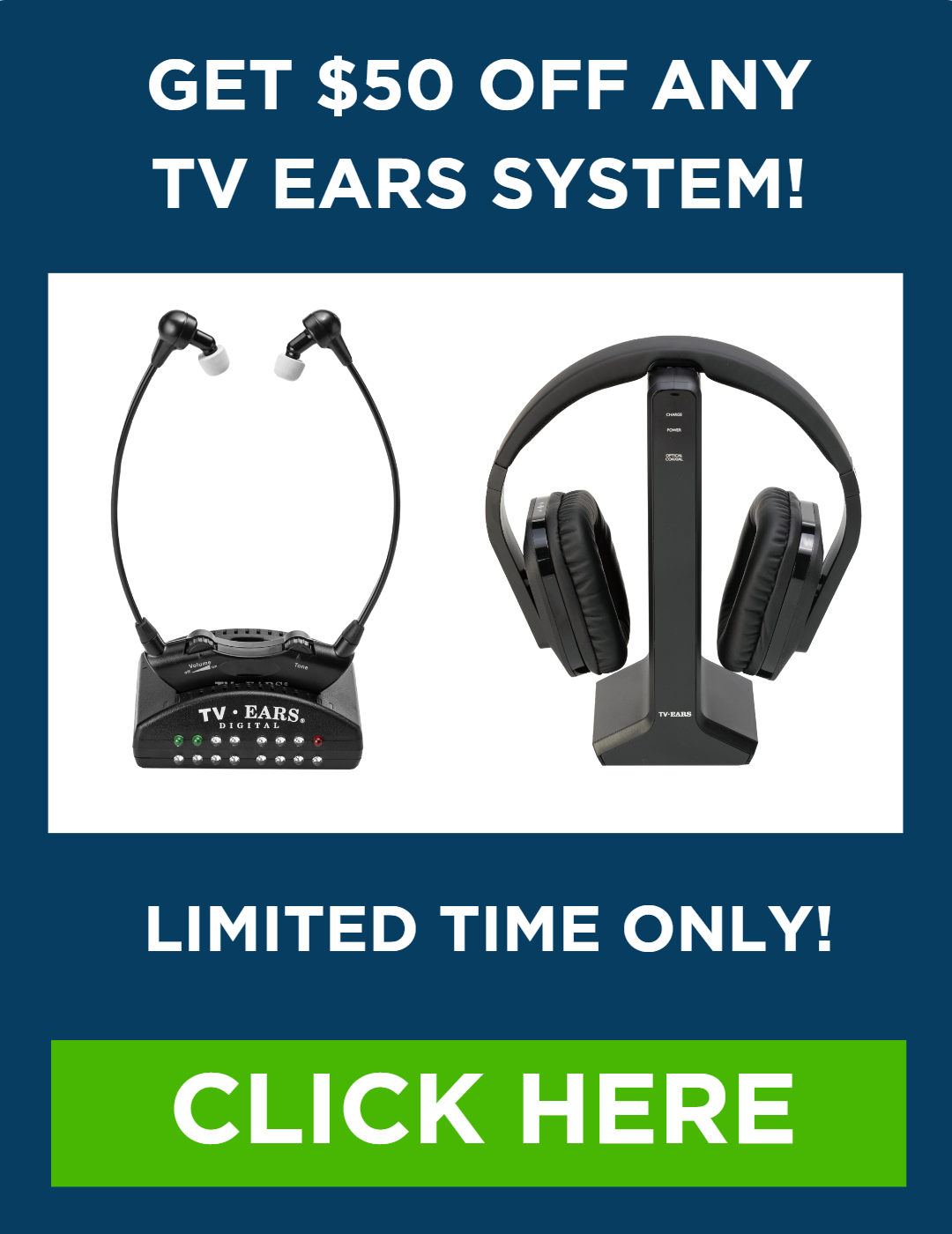
If your main goal is to hear dialogue more clearly, the TV Ears Digital Wireless Headset is designed just for you. This system isn’t just another pair of headphones; it’s a voice-clarifying device that many doctors recommend to their patients who have trouble hearing the television. It works by isolating and amplifying speech frequencies, making words crisp and understandable, even over loud background music or sound effects. The headset is lightweight and hangs under the chin, so it won’t mess up your hair or feel heavy during a long movie. It’s a straightforward solution focused on one thing: making TV dialogue easy to hear again.
TV Ears 5.8 Digital System
For those who want the freedom to move around without being tied to the TV, the TV Ears 5.8 Digital System is an excellent choice. It uses advanced 5.8 GHz wireless technology, which provides a powerful signal that can travel through walls and ceilings. This means you can walk to the kitchen for a snack or let the dog out without missing a single line of dialogue. Designed to help with mild to severe hearing loss, this system offers the same great voice clarification as other TV Ears products but with the added benefit of whole-house coverage. It’s perfect for anyone who doesn’t want to feel stuck in one spot while enjoying their favorite programs.
Sennheiser RS 195 RF
The Sennheiser RS 195 RF headphones are widely considered one of the best overall options for TV watching. They use a radio frequency (RF) connection, which means you won’t experience the annoying audio delays that can sometimes happen with Bluetooth. These over-ear headphones are comfortable for hours of wear and come with a convenient docking station that both charges the headset and connects to your TV. What makes them stand out are the personalizable listening modes, which allow you to adjust the sound to match your specific hearing needs, whether you need to boost dialogue or filter out background noise.
Insignia NS-HAWHP2
You don’t have to spend a fortune to get a great TV listening experience. The Insignia NS-HAWHP2 headphones prove that by offering solid performance at a budget-friendly price. According to reviews by Wirecutter, these headphones are comfortable, sound great, and don’t suffer from audio lag. They come with a base station that connects to your TV and doubles as a charging stand, so they’re always ready when you are. If you’re looking for a simple, effective, and affordable solution to hear your TV better, this is a fantastic choice that delivers on all the essentials.
Bose QuietComfort Ultra
If you want to block out the world and create your own private movie theater, the Bose QuietComfort Ultra headphones are hard to beat. They are famous for their incredible noise-cancellation technology, which can silence nearly all background distractions, from a whirring dishwasher to conversations in the next room. This allows you to become fully immersed in what you’re watching without having to crank up the volume. While they are a premium, multi-purpose option great for music and travel, their ability to create a quiet bubble makes them one of the best choices for an undisturbed TV experience.
Sony WH-1000XM4
Known for their exceptional comfort and sound quality, the Sony WH-1000XM4 headphones are perfect for binge-watching your favorite series. Their plush earcups and lightweight design mean you can wear them for hours without discomfort. Like the Bose headphones, they offer top-tier noise cancellation to help you focus on the screen. They are a versatile choice that excels at everything from clarifying quiet dialogue to delivering powerful sound for action movies. For anyone who wants a high-quality pair of headphones for both TV and daily life, the Sony WH-1000XM4 is a fantastic investment in your hearing health and entertainment.
Are Special Headsets Needed for Hearing Loss?
If you have hearing loss, you might wonder if any pair of headphones will do the trick for watching TV. While standard headphones can make the sound louder, they often don’t make it clearer. Hearing loss isn’t just about volume; it’s about clarity. Muffled dialogue, loud background music, and booming sound effects can all blend, making it impossible to follow the plot. Special headsets are designed to solve this exact problem, focusing on making speech crisp and understandable so you can enjoy your favorite shows again.
How Voice Clarification Helps You Hear
One of the biggest challenges when watching TV with hearing loss is separating dialogue from other sounds. This is where voice clarification technology makes a huge difference. Headsets with this feature act like a smart filter, identifying speech frequencies and amplifying them while reducing distracting background noise. TV Ears uses special Voice Clarifying technology to make voices and sounds incredibly clear. This means you can finally hear the witty banter and crucial plot points without having to strain or constantly ask, “What did they say?”
The Benefit of Adjustable Audio Frequencies
Hearing loss is unique to each individual. Some people struggle with high-pitched sounds, while others find lower tones difficult to hear. A one-size-fits-all audio solution rarely works. That’s why the ability to adjust audio frequencies is so important. Specialized TV headsets send sound directly to your ears and often allow you to change the tone to your liking. This customization lets you fine-tune the audio to match your specific hearing needs, ensuring the sound is not just louder, but perfectly balanced for you. It puts you in control of your listening experience.
Using TV Headsets with Your Hearing Aids
A common question is whether you can use a TV headset if you already wear hearing aids. The answer is yes, absolutely. Most TV headsets, especially over-ear models, are designed to fit comfortably over your hearing aids. This setup allows you to get the best of both worlds. Your hearing aids can continue to run their specific programs, while the headset delivers clear, direct audio from the television. This combination can make watching TV with hearing aids a much more enjoyable and less frustrating experience for everyone in the room.
Common TV Headset Problems and How to Fix Them
Even the best TV headset can run into a little trouble now and then. Whether it’s a frustrating sound delay or a connection that just won’t cooperate, most issues have a simple fix. Before you get discouraged, let’s walk through a few of the most common problems and how you can solve them in minutes. Think of this as your go-to guide for getting your audio back on track so you can return to your favorite show. Most of the time, a small adjustment is all it takes to restore that crystal-clear sound you love.
Fixing Annoying Audio Delays
Have you ever noticed that the words you hear don’t quite match the actors’ lips on screen? This is called audio delay or latency, and it can be incredibly distracting. This often happens with Bluetooth connections, which sometimes struggle to keep the audio perfectly synced with the video. The best way to avoid this is by using a headset with a Radio Frequency (RF) connection. RF systems are known for their low-latency connection, which ensures the sound and picture are always aligned. If you’re dealing with delays, check what kind of connection your headset uses. An RF model is one of the most reliable wireless headphones for TV because it’s designed specifically for this purpose.
What to Do If Your Headset Is Uncomfortable
A headset should feel so comfortable you forget you’re even wearing it. If yours is causing discomfort, especially during a long movie or show, there are a few things you can try. First, check for any adjustments. Many over-ear models have a sliding headband you can resize for a better fit. For in-ear styles, see if they came with different-sized silicone tips. Finding the right size can make a huge difference. Also, make sure you’re wearing it correctly—some headsets are designed to sit under the chin rather than over your head, which takes pressure off your ears and won’t mess up your hair. A lightweight, wireless design is always a great choice for long-term comfort.
Solving Connection Issues
If you can’t get any sound from your headset, the problem is usually with the connection between the transmitter and the TV. The first step is to look at the back of your television to see what kind of audio ports you have. Most TVs use one of three types: a small, square-shaped digital optical port, a standard 3.5mm headphone jack, or red and white RCA jacks. Your headset’s transmitter needs to be plugged into one of these audio outputs to work. Make sure the cable is securely plugged into both the TV and the transmitter and that the transmitter has power. Sometimes, simply unplugging and replugging the cables can solve the problem.
How to Set Up Your New TV Headset
Getting your new TV headset out of the box is exciting, and the good news is that setting it up is usually a quick and simple process. Most systems are designed to be user-friendly, so you can start enjoying clearer sound in just a few minutes. The first step is figuring out how the headset will talk to your television. This depends on the type of connection it uses and the ports available on your TV. Let’s walk through the common steps to get you connected and listening comfortably.
Connecting to Any Type of TV
Before you do anything else, take a quick look at the back or side of your television to see what kind of audio ports you have. Most headsets connect to one of three common types. Many modern TVs have an Optical Digital Audio Out, which is a small, square-shaped port that often has a protective cap. You might also see a standard 3.5mm headphone jack, just like the one on a smartphone or laptop. Older TVs often have red and white RCA stereo jacks. Your headset’s instructions will tell you which cable to use, and from there, it’s as simple as matching the cable to the correct audio output port on your TV.
How to Pair Your Wireless Headset
If your headset uses Bluetooth, you’ll need to pair it with your television. You can typically do this by going into your TV’s settings menu, finding the Bluetooth section, and putting your headset into pairing mode. Your TV should then discover the headset, and you can select it to connect. However, many dedicated TV headsets, including TV Ears systems, make this process even easier. With these, you simply plug a small transmitter base into your TV’s audio port and a power outlet. The headset connects to the base automatically—no searching through menus required. Once connected, you can adjust your own volume independently from the TV’s main speakers.
Quick Fixes for Common Setup Problems
Sometimes you might run into a small hiccup, but there’s usually an easy fix. If you’re using a Bluetooth headset, you might notice a slight delay between when an actor’s lips move and when you hear their voice. This is a common issue known as audio lag or a lip-sync problem. Using a headset with low-latency technology can help reduce this delay. Another common question is what to do when you’re finished watching. With some setups, you may need to go back into your TV’s audio settings to switch the sound back to the internal speakers so others can hear it. This step isn’t always obvious, but it ensures the TV works as expected for everyone else in the room.
Ready to Find Your Perfect TV Headset?
Finding the right headset can completely change how you watch television, turning a frustrating experience into a relaxing one. The goal is to hear dialogue clearly and enjoy your favorite shows without having to crank up the volume. The best wireless headphones for TV are designed to do just that, giving you personal volume control while blocking out distracting household noises. You can finally focus on the story without asking, “What did they say?”
Before you start shopping, it’s a good idea to take a quick look at the back of your television. Check for available audio ports, like a digital optical port, red-and-white RCA jacks, or a standard headphone jack. Knowing what connections you have will make it much easier to choose a headset that’s compatible with your TV right out of the box.
When you’re comparing models, pay close attention to the connection type. Many people find that RF (radio frequency) headphones offer a more stable and reliable signal for TV watching. This dedicated connection helps keep the sound and picture perfectly in sync, so you can avoid the frustrating audio delays that sometimes happen with other wireless options.
Look for features specifically designed to make voices stand out. Technology like Voice Clarification can dramatically improve your ability to understand dialogue by enhancing the frequencies of human speech. Many headsets also allow you to adjust the tone, so you can fine-tune the sound to your personal hearing needs. These features are key to the positive outcomes of using a headset for TV listening. And if you wear hearing aids, don’t worry—most over-ear TV headsets are designed to fit comfortably right over them, letting you watch TV with your hearing aids without any issues.
Related Articles
- The Best TV Headphones for Clear Dialogue in 2025
- Hear TV Dialogue Clearly: Enhancing TV Watching
- Sound Setting For TVs: How To Make The Dialog Clearer – TV Ears® Official Store
- Bluetooth Headsets for TV: Is It the Best Solution?
- TV Ears or ZVOX: Which Improves Speech Clarity More?
Frequently Asked Questions
Can other people in the room still hear the TV while I’m using the headset? Yes, absolutely. Most TV headsets are designed with independent volume controls, which is the key to solving the household volume debate. This allows you to adjust the sound in your headset to your perfect level, while the TV’s main speakers can be set to a comfortable volume for everyone else, or even muted completely.
What’s the main difference between a TV headset and regular music headphones? While both play audio, they are engineered for different jobs. Regular headphones are typically designed to deliver a balanced sound for music. A great TV headset, however, is built with a focus on dialogue. It uses special technology to separate speech from loud background music and sound effects, making voices sound much clearer and easier to understand.
Will these headsets work with my new smart TV? Yes, they will. Compatibility isn’t about how “smart” your TV is, but about the audio ports it has. Nearly all televisions—from brand new smart TVs to older models—have a compatible audio output, whether it’s a digital optical port, a standard headphone jack, or the red and white RCA jacks. The headset will come with the cables needed to connect to one of these ports.
Do I have to turn the headset off and on every time I use it? Most dedicated TV headsets are designed for maximum convenience. They often come with a transmitter base that not only connects to your TV but also serves as a charging dock. In many cases, the headset will turn on automatically when you lift it off the base and will begin charging as soon as you place it back, so it’s always ready for you.
I wear hearing aids. Can I still use a TV headset? Definitely. Many TV headsets, particularly over-ear and under-the-chin styles, are designed to be worn comfortably with hearing aids. Using them together can be very effective, as the headset delivers clear, direct sound from the TV to your ears, which then works in tandem with the settings on your hearing aids for an even better listening experience.