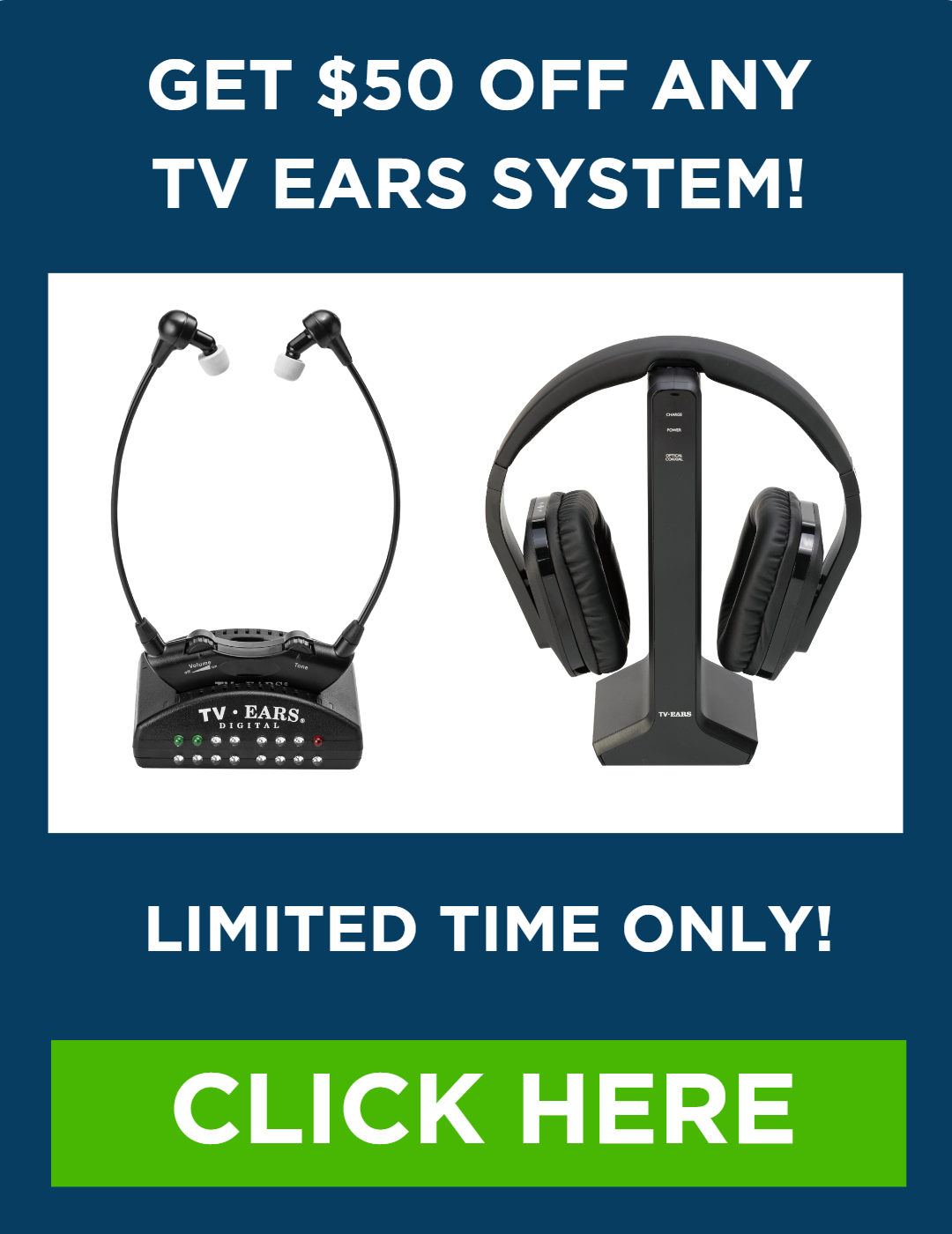
For years, movie night at my parents’ house involved a familiar routine: my dad would turn the volume up to catch the dialogue, and my mom would retreat to another room with a book. It wasn’t until we found a dedicated TV headset that they could finally enjoy watching shows together again. He got the clear sound he needed, and she got the peace and quiet she wanted. This simple device solved a daily frustration and brought them back to the couch together. If this story sounds familiar, this guide is for you. We’ll explore the features that make a real difference and help you find the best wireless tv headset for seniors 2025 for your home.
Key Takeaways
- Prioritize Clear Dialogue Over Loudness: The most important feature is voice-enhancing technology that separates speech from background noise. To ensure the audio perfectly matches the picture, choose a Radio Frequency (RF) headset over Bluetooth to avoid lip-sync lag.
- Select a Headset That Fits Your Lifestyle: For long viewing sessions, a lightweight and comfortable design is essential. If you watch TV with a partner, look for a system that supports two headsets so you can both set your own volume.
- A Higher Price Doesn’t Always Mean a Better Fit: You can find an effective headset at any price point. Focus on the features that solve your specific problems, whether it’s a simple, budget-friendly model for clearer sound or a premium one with personalized audio settings.
What Makes a Great Wireless TV Headset?
Finding the right wireless TV headset can completely change how you enjoy your favorite shows and movies. But with so many options out there, it’s easy to feel overwhelmed. What really matters? It’s not just about turning up the sound; it’s about getting the right sound, delivered comfortably and without any fuss. A great headset should make watching TV more relaxing, not more complicated. It should feel like a natural part of your routine, something you look forward to using.
When you’re looking for the perfect pair, it helps to focus on four key areas: sound clarity, comfort, ease of use, and a dependable connection. These are the features that separate a frustrating gadget from a truly helpful tool. Think of it as a checklist for a better viewing experience. You want a headset that clarifies voices, feels great even after a few hours, is simple to set up and control, and stays connected without any annoying interruptions. Getting these four things right ensures you’ll have a headset you love to use every day. Let’s break down what to look for in each of these categories.
Hear Every Word with Enhanced Sound Clarity
The biggest frustration for many people is struggling to understand dialogue over loud music or background effects. You find yourself constantly adjusting the volume, trying to catch what was said. The best TV headsets solve this problem with special technology that separates speech from other sounds. This means you can hear conversations clearly without having to blast the volume. Instead of just making everything louder, these headsets intelligently amplify and clarify voices, so you can follow the plot effortlessly. It’s the difference between simply hearing the TV and truly understanding it.
Find a Comfortable Fit for Hours of TV
If you’re settling in for a movie marathon or binge-watching a new series, the last thing you want is a headset that pinches or feels heavy. Comfort is absolutely essential. Look for headphones with soft, cushioned ear cups and a light, adjustable fit that you can customize to your head size. Whether you prefer over-ear styles that enclose your ear or lightweight under-the-chin models, the goal is to find a pair you can almost forget you’re wearing. A comfortable headset lets you focus on your show, not on your ears.
Look for Simple Setup and Easy Controls
New technology shouldn’t require an engineering degree to operate. The best headsets are designed for simplicity from the moment you open the box. Simple ‘plug-and-play’ options are ideal—you just connect a small transmitter to your TV, and you’re ready to go. The controls on the headset itself should be just as straightforward. Look for large, easy-to-find buttons for power and volume. You shouldn’t have to fumble around or take the headset off to make a quick adjustment. The entire experience should feel intuitive and stress-free.
Get a Long-Lasting Battery and a Reliable Connection
Nothing ruins movie night faster than a dead battery or a crackling, delayed sound. A long-lasting battery is a must, giving you the freedom to watch for hours without worrying about recharging. Many top models offer well over 20 hours of listening time on a single charge. Equally important is a stable connection. Many TV headsets use Radio Frequency (RF) technology, which is excellent for providing lower latency. This prevents that distracting lip-sync lag, where the actors’ mouths don’t match the audio, ensuring a smooth and immersive experience.
RF vs. Bluetooth: Which Is Better for Watching TV?
When you start shopping for a wireless TV headset, you’ll quickly notice two main types of technology: Radio Frequency (RF) and Bluetooth. While both let you listen without being tied down by cords, they work differently, and one is usually a much better fit for watching television, especially if clarity and simplicity are your top priorities.
Think of it like choosing between a dedicated landline phone for clear calls at home versus a cell phone that does a little bit of everything. For the specific job of delivering crisp, perfectly timed TV audio, RF technology often has a clear advantage. It’s designed for a high-quality audio experience in your living room, while Bluetooth is more of a jack-of-all-trades. Let’s break down the pros and cons of each so you can feel confident in your choice.
The Benefits of RF Technology for TV
Radio Frequency (RF) headsets come with a transmitter base that you plug directly into your television. This base sends the audio signal to your headset using radio waves. The biggest benefit here is simplicity. There’s no complicated pairing process or fiddling with settings; you just plug it in, turn it on, and you’re ready to go. This hassle-free setup is a huge plus.
More importantly, RF technology provides a superior listening experience for TV. It has almost no audio delay, meaning the words you hear will perfectly match the actors’ lips on screen. This low latency is crucial for enjoying movies and shows. RF headsets also typically offer a longer range, so you can walk to the kitchen for a snack without losing the connection.
The Advantages of Bluetooth Technology
You’re probably already familiar with Bluetooth—it’s the technology that connects your phone to your car or a portable speaker. Its main advantage is versatility. A single pair of Bluetooth headphones can connect to your TV, smartphone, tablet, and computer, making them a great all-in-one option if you want one device for all your audio needs.
However, for watching TV, Bluetooth has a significant drawback: audio lag. There’s often a noticeable delay between what you see on screen and what you hear, which can be very distracting. While newer versions of Bluetooth have improved, they can still struggle to keep the audio perfectly synced. The pairing process can also sometimes be a bit tricky, requiring you to go into your TV’s settings menu.
So, Which Technology Should You Choose?
Your choice really comes down to what you’ll be using the headset for most. If you’re looking for a dedicated device to make watching TV more enjoyable, RF is almost always the better option. It’s simpler to set up, provides a more reliable connection, and eliminates that frustrating lip-sync lag, ensuring you hear every word as it’s spoken.
If you value versatility above all else and want a single pair of headphones for music, phone calls, and occasional TV watching, then Bluetooth might work for you. Just be prepared for a more involved setup and the possibility of audio delay. For a frustration-free, high-quality TV experience, an RF headset is the clear winner.
Our Top 8 Wireless TV Headsets
Finding the right wireless TV headset can feel overwhelming with so many options on the market. To make it easier, we’ve put together a list of our top picks that stand out for their sound quality, comfort, and user-friendly features. A great headset does more than just make the TV louder; it clarifies voices, balances sound, and lets you listen at a volume that’s perfect for you without disturbing anyone else in the room. This list covers a variety of technologies, from reliable Radio Frequency (RF) systems that let you walk into the kitchen for a snack without missing a word, to Bluetooth headphones with powerful noise cancellation for tuning out distractions.
We’ve focused on models that are easy to set up and simple to use, because technology should make life easier, not more complicated. We also paid close attention to comfort, because no one wants to be adjusting their headset in the middle of a tense movie scene. Whether you need something that specifically enhances dialogue, a headset that’s comfortable enough for a movie marathon, or a dual system for watching with a partner, you’ll find a great option here. We’ve looked at a range of models to fit different needs and budgets, so you can get back to enjoying your favorite shows without any frustration.
TV Ears Original Wireless Headset
The TV Ears Original Wireless Headset is a classic for a reason. It was designed from the ground up with seniors in mind, focusing on simplicity and powerful voice clarification. This headset is compatible with any analog TV and uses infrared technology to transmit sound directly to you. The best part is the personalized volume control, which lets you set the sound to your perfect level while others can listen at a normal volume or even mute the TV entirely. If you’re looking for a straightforward, effective solution that makes dialogue crisp and clear, the TV Ears Original is an excellent choice that gets the job done without any complicated setup.
Sennheiser RS 175 RF Wireless Headphone System
For those who appreciate rich, high-quality audio, the Sennheiser RS 175 is a fantastic premium option. This system uses RF technology for a reliable connection that works through walls, giving you the freedom to move around without losing sound. It features exceptional digital audio clarity with selectable listening modes, including a Bass Boost and Surround Sound setting, so you can tailor the audio to what you’re watching. The over-ear headphones are comfortable and do a great job of blocking out ambient noise, making them one of the best TV hearing devices for an immersive viewing experience.
Sennheiser RS 195 RF Wireless Headphone System
Building on the success of other models, the Sennheiser RS 195 offers even more personalization. This system was developed in collaboration with the Fraunhofer Institute for Digital Media Technology to create unique settings that can be customized to your specific hearing needs. It features seven different hearing profiles to help isolate dialogue and make it easier to understand. Like the RS 175, it offers outstanding sound quality and a comfortable fit for long movie nights. If you’ve struggled to find a headset that truly works for your hearing, the personalized profiles of the RS 195 make it one of the best TV headphones for the hard of hearing.
Avantree HT41899 Wireless Headphones for TV
The Avantree HT41899 is a versatile and thoughtful option, especially for couples. It comes with two pairs of headphones, allowing two people to watch the same TV show at their own preferred volume levels. A key feature is its low latency technology, which ensures the audio stays perfectly synced with the video, eliminating that annoying lip-sync lag. These headphones are also designed to be compatible with hearing aids and even pacemakers. For a shared and seamless listening experience, the Avantree dual headphone set is hard to beat.
Audio-Technica ATH-DWL3300 Digital Wireless System
Audio-Technica is a trusted name in sound, and the ATH-DWL3300 system lives up to the reputation. This headset is known for its high-quality audio and dependable performance, delivering clear, interference-free sound for your TV shows and movies. It uses RF technology for a strong connection and offers a comfortable, lightweight design that’s great for extended wear. While it may not have as many bells and whistles as some other premium models, it excels at providing a solid, reliable audio experience, making it one of the best wireless TV headphones for seniors.
Sony WH-CH720N Wireless Noise Canceling Headphones
If background noise is a constant distraction in your home, the Sony WH-CH720N headphones are a fantastic solution. While they are all-purpose Bluetooth headphones, their excellent noise-canceling technology makes them ideal for focusing on your TV. They effectively block out sounds like conversations, air conditioners, or traffic, letting you immerse yourself in your show. These headphones are also lightweight and boast a long battery life, so you can binge-watch your favorite series without interruption. For a distraction-free viewing experience, these Sony headphones are a great way to enhance your TV enjoyment.
Bose QuietComfort 45 Wireless Headphones
Bose is renowned for comfort and superior sound, and the QuietComfort 45 headphones deliver on both fronts. These are another excellent choice if you’re looking for top-tier noise cancellation to create your own private listening bubble. The audio is rich and balanced, making everything from quiet dialogue to explosive action scenes sound incredible. The plush earcups and secure fit mean you can wear them for hours without discomfort. If you’re willing to invest in a premium audio experience, the Bose QuietComfort 45 is considered by many to be the best headphone for TV watching.
Insignia NS-HAWHP2 Wireless TV Headphones
For a simple and affordable solution, the Insignia NS-HAWHP2 Wireless TV Headphones are a great pick. They are designed specifically for TV watching and use RF technology to provide a stable connection that keeps the audio in sync with the picture. The setup is straightforward—just plug the transmitter into your TV, and you’re ready to go. The headphones are lightweight and comfortable, with on-ear controls that are easy to use. While they may not offer the advanced features of more expensive models, they provide clear sound and reliable performance, making them a top budget-friendly pick.
What Sound Clarity Features Should You Look For?
When you’re shopping for a TV headset, it’s easy to get lost in a sea of technical specs. But what really matters is how clear the sound is. The goal is to follow the conversation on screen without straining to hear or constantly rewinding. The right features can turn a muffled, frustrating TV experience into an enjoyable one. Instead of just making everything louder, the best headsets for seniors use smart technology to make dialogue crisp and clear. Let’s walk through the key sound clarity features that make the biggest difference.
Prioritize Dialogue Enhancement to Catch Every Word
Have you ever felt like the background music or sound effects in a movie are drowning out the actors’ voices? You’re not alone. That’s where dialogue enhancement, sometimes called voice clarifying technology, comes in. Many of the best TV headphones use special software to separate speech from other sounds, lifting the dialogue to the forefront. This means you can hear conversations clearly without having to blast the overall volume. It’s the single most important feature for anyone who struggles to follow along with their favorite shows and is a must-have for a better viewing experience.
Personalize Your Audio with Adjustable Settings
Hearing is personal, and a one-size-fits-all approach to sound rarely works. That’s why personalized controls are so important. Look for headsets that offer independent volume control, allowing you to adjust the sound in your ears separately from the TV’s main speaker. This feature is a game-changer for couples or families, as it ends the battle over the remote. You can set your perfect volume without disturbing anyone else in the room. Some advanced models also let you adjust the tone, so you can fine-tune the audio to match your specific hearing needs.
Tune Out Distractions with Noise Cancellation
Your home is full of background noises—the hum of the air conditioner, a whirring fan, or conversations in the next room. Noise-canceling headphones are designed to minimize these ambient sounds, creating a quiet bubble for you to enjoy your show. This technology actively listens for and cancels out external noise, which helps you focus completely on the TV audio. While not every TV headset has this feature, it’s incredibly helpful if you’re easily distracted or live in a busy household. It ensures you get crystal-clear sound without interruptions.
Avoid Lip-Sync Lag with Low Latency
There’s nothing more distracting than when an actor’s lips don’t match the words you’re hearing. This delay, known as latency, can be a common problem with standard Bluetooth headphones. To avoid this frustrating lip-sync issue, look for headsets that use a dedicated Radio Frequency (RF) connection or a low-latency Bluetooth codec. These technologies ensure the audio and video are perfectly synchronized, so the sound always matches the picture on screen. This creates a much more natural and immersive viewing experience, letting you get lost in the story instead of being pulled out of it by technical glitches.
How Much Should You Expect to Pay for a Quality Headset?
Finding the right wireless TV headset doesn’t mean you have to empty your wallet. The price of a headset often reflects its features, sound quality, and overall comfort, but there are excellent options available at every price point. Whether you’re looking for a simple solution to hear the TV better or a premium audio experience, you can find a device that fits your needs and your budget. Understanding what to expect in each price range will help you make a confident choice and get the best value for your money. Let’s walk through the different tiers to see what your budget can get you.
Budget-Friendly Options ($50-$100)
You can find some surprisingly effective and reliable headsets in the $50 to $100 range. These models are perfect if you’re looking for a straightforward way to improve TV audio without investing in a lot of complex features. While they might not have advanced sound customization, they excel at their main job: delivering clear dialogue directly to your ears. For example, the SIMOLIO Wireless Infrared Headset is a popular budget-friendly choice that offers immersive sound and works with most televisions. This price range proves that you don’t have to spend a lot to make watching your favorite shows more enjoyable.
Mid-Range Choices ($100-$200)
Stepping up to the $100 to $200 range often gives you a noticeable improvement in comfort, battery life, and sound quality. Headsets in this category frequently include more adjustable settings and are built with higher-quality materials, making them great for longer viewing sessions. This price point is a sweet spot for many people, offering a great balance of performance and price. You can find highly-rated headphones for TV listening from major retailers that have been reviewed by thousands of satisfied users. If you watch TV regularly, investing a little more here can make a big difference in your daily comfort and enjoyment.
Premium Models ($200+)
For those who want the best possible listening experience, premium models priced over $200 deliver exceptional audio clarity, superior comfort, and advanced features. These headsets are designed for discerning users and often include sound personalization, active noise cancellation, and top-of-the-line materials. A model like the Sennheiser RS 195 RF is frequently recommended as one of the best TV headphones for seniors because it offers crystal-clear sound that can be tailored to individual hearing needs. If TV is a major part of your entertainment, a premium headset can transform your viewing experience from good to absolutely fantastic.
Where Can You Find Discounts and Deals?
No matter your budget, it’s always smart to look for a good deal. Keep an eye out for seasonal sales and special promotions directly from manufacturers and retailers. Companies, including TV Ears, often run discounts that can make even premium headsets more affordable. Signing up for email newsletters is a great way to be notified of these sales. It’s also helpful to know that many of these headsets are designed to work comfortably with or without hearing aids, so you can find a solution that fits your specific needs without overspending. A little patience and research can help you secure a high-quality headset at a great price.
What Do Users and Experts Say?
When you’re shopping for a new piece of tech, it’s always a good idea to see what other people think. Reading reviews from both everyday users and tech experts can give you a clear picture of how a headset performs in a real home. It helps you look past the marketing and understand what it’s actually like to use the product day in and day out. From comfort and sound quality to ease of use, here’s a summary of what people are saying about today’s wireless TV headsets.
What Features Do People Love?
Across the board, users consistently praise a few key features that make a big difference in their viewing experience. First is comfort. Since you might be wearing your headset for a movie or a whole season of your favorite show, a lightweight, adjustable fit with soft ear cushions is essential. Another major win for many households is independent volume control. Users love that they can get the clear, loud sound they need without changing the TV’s main volume, making television enjoyable for everyone in the room again. Finally, people appreciate when there are no sound delays, ensuring the audio perfectly matches the action on screen.
What Are the Common Complaints?
Of course, no product is perfect for everyone. One of the most common complaints is about comfort, but it’s highly subjective. A headset that one person finds perfectly snug might feel awkward to someone else. It’s also important to set the right expectations for sound quality. While these headsets excel at making dialogue crisp and clear, most aren’t designed to compete with high-end music headphones. As some of the best wireless TV headphones reviews point out, their main job is to deliver clear sound without lag, not to provide a concert-hall audio experience.
What Do the Experts Recommend?
When it comes to expert picks, a few names come up repeatedly. The Sennheiser RS 195 is often recommended for its exceptional sound quality and comfortable design, making it a reliable choice. For a headset specifically designed to clarify television audio, the TV Ears Digital Wireless Headset is frequently highlighted for its focus on helping those with hearing loss enjoy TV again. Experts also point to models like the Avantree wireless headphones as a great all-around option that balances clear sound, comfort, and user-friendly features for a dependable viewing experience.
How Do You Set Up Your New Headset?
Getting your new headset connected shouldn’t feel like a chore. While every model is a little different—and checking the user manual is always a good first step—most wireless Bluetooth headsets follow a similar setup process. Think of it as introducing your headphones to your TV so they can work together. Here’s a simple guide to get you started, along with a few tips for when things don’t go perfectly on the first try.
A Simple Step-by-Step Setup Guide
Ready to enjoy clear TV sound? Let’s walk through the four basic steps for connecting Bluetooth headphones to a TV.
- Get your TV ready. Grab your TV remote, go to the Settings menu, and look for an option like “Sound” or “Audio Output.” From there, you should find a setting for “Bluetooth Devices” or something similar.
- Put your headset in pairing mode. Turn on your headset. Most have a button you press and hold until a light starts flashing. This flashing light is the signal that your headset is ready to connect.
- Introduce the headset to the TV. Back on your TV screen, select the option to “Add Device” or “Search for Devices.” Your headset’s name should pop up in a list. Select it with your remote to complete the connection.
- Adjust your sound. Once paired, you may need to go back to the TV’s “Audio Output” settings and select your headset as the sound source. Now you can adjust the volume to your perfect level.
How to Fix Common Setup Problems
If your headset doesn’t connect right away, don’t get frustrated. A few simple tricks can often solve the problem. First, try the classic “turn it off and on again” method. Go into your TV’s Bluetooth settings, “unpair” or “forget” the headset, then turn both your TV and your headphones off. Wait a minute, turn them back on, and try the pairing process from the beginning.
Another common issue is outdated software on your TV. Check your TV’s settings for a “Software Update” option and run it if one is available. This can fix connectivity bugs you didn’t even know were there. A fresh start and an updated system are often all it takes to create a successful connection.
Tips to Get the Best Sound
Once you’re connected, a few final tweaks can make a big difference in your listening experience. If you notice the actors’ lips are out of sync with their voices, look for an “Audio Sync” or “Lip Sync” setting on your TV to adjust the timing.
For the clearest, most stable connection, try to stay within about 30 feet of your television. Walls and other large objects can sometimes interfere with the signal. Finally, if the TV remote isn’t changing the volume in your headset, remember to use the volume buttons on the headphones themselves. This gives you direct control over your personal listening level without affecting the TV’s main speakers.
How to Choose the Right Headset for You
Finding the perfect wireless TV headset comes down to your personal needs. What works for one person might not be the best fit for another. Think about what matters most to you. Is your top priority getting the clearest possible dialogue? Do you plan on binge-watching your favorite show for hours on end? Will someone else be watching with you? Answering these questions will help you pinpoint the features that will make the biggest difference in your viewing experience. Let’s walk through some common scenarios to help you find the right match for your lifestyle and budget.
The Best Headsets for Significant Hearing Loss
If you struggle to catch conversations on TV, you’ll want a headset that prioritizes sound clarity and personal control. Look for models with features like voice enhancement and tone adjustment. The most important feature is independent volume control, which lets you turn up the sound in your headset without making the TV speakers louder for everyone else in the room. For example, TV Ears headphones are designed specifically for this purpose, allowing you to set a volume that’s perfect for you. This simple function can completely change your TV experience, making shows enjoyable again while keeping the peace at home.
Our Top Picks for All-Day Comfort
When you’re settling in for a movie marathon or a long afternoon of sports, comfort is key. A heavy or tight-fitting headset can become a distraction. Look for lightweight designs with soft, padded earcups and an adjustable headband. Some models are even designed to be worn comfortably with glasses. The Sennheiser RS 195 RF Wireless Headphone System is a fantastic choice for long-term wear, offering excellent sound quality in a package built for seniors. You shouldn’t have to cut a good movie short because your ears are sore, so finding a comfortable fit is a worthwhile investment.
The Best Options for Sharing the TV
Watching TV with a partner, family member, or friend is more fun when everyone can hear comfortably. If you often share the screen, consider a system that supports multiple headsets. Some transmitters can connect to two or more pairs of headphones at the same time, allowing each person to control their own volume. This is an ideal solution for couples with different hearing needs, as it ends the debate over the TV remote. It ensures both of you can listen to the same TV audio at a level that’s just right for each of you.
Our Recommendations for Every Budget
You don’t have to spend a fortune to get a great pair of wireless TV headphones. There are excellent options available at every price point. For a budget-friendly choice, models like Wireless Infrared Headphones often fall in the $70 to $80 range and deliver solid performance. If you have a bit more to spend, you can find a wide variety of wireless rechargeable headphones starting around $100 that offer more features and better sound quality. By setting a budget first, you can narrow down your choices and find a quality headset that meets your needs without overspending.
Related Articles
- TVenhance: Hear Every Word on Your TV Again
- Best Wireless Headphones for TV Watching in 2025
- The Best Wireless Headsets for TV: A 2025 Guide
- Your Guide to the Best Television Headsets
- Wireless Headsets to TV: Hear Every Word Clearly
Frequently Asked Questions
Can I use these headsets if I already wear hearing aids? Yes, many wireless TV headsets are designed to work well with hearing aids. Some over-ear models fit comfortably over your hearing aids, while under-the-chin styles, like those from TV Ears, don’t interfere with them at all. This allows you to get the benefits of voice-clarifying technology from the headset while your hearing aids continue to do their job.
Can other people still hear the TV while I’m using my headset? Absolutely. Most TV headsets connect in a way that allows you to control your own volume independently from the TV’s main speakers. This means you can have the sound in your headset as loud as you need it, while your family or friends can listen at a lower, more comfortable volume—or even mute the TV speakers entirely. It’s a great way to end the volume wars.
What’s the real difference between RF and Bluetooth for watching TV? Think of it this way: Radio Frequency (RF) headsets are specialists, designed specifically for watching TV. They offer a dedicated, stable connection with almost no sound delay, so the audio always matches the picture. Bluetooth is more of a generalist; it’s versatile for connecting to phones and tablets, but can sometimes have a noticeable audio lag when used with a TV, which creates that distracting lip-sync issue.
Do I need an internet connection or Wi-Fi for these headsets to work? No, you don’t need an internet connection for these headsets. They create their own direct wireless connection to your television. RF and infrared models use a transmitter that you plug into your TV, while Bluetooth models pair directly with the TV’s built-in Bluetooth. Your home’s Wi-Fi network is not involved at all.
How long does the battery last, and how do I charge them? Battery life varies by model, but most quality headsets offer at least 15-20 hours of listening time on a single charge, which is more than enough for several days of viewing. Most systems come with a convenient charging base that also serves as the transmitter. You simply place the headset on the base when you’re done watching, and it will be fully charged for your next movie night.