Ever find yourself in a volume war over the TV remote? The answer isn’t just turning on subtitles. It’s a clever feature called audio passthrough. A small transmitter sends a clear signal to your headset while also letting the sound “pass through” to the TV’s speakers. This creates two independent audio streams from one source. It’s the magic behind wireless headphones for TV that allow others to hear, creating a peaceful, shared viewing experience. You get the perfect volume, while your family enjoys the show at a level that’s comfortable for them.
Key Takeaways
- End the Volume War with Shared Audio: Look for headphones with “audio passthrough” technology. This key feature lets you listen at your ideal volume while sound continues to play from the TV speakers for everyone else in the room.
- Seek Voice Clarity, Not Just Loudness: The most effective TV headphones don’t just amplify all sounds. Instead, they use special technology to isolate and enhance dialogue, making speech crisp and clear even when background music or sound effects are present.
- Choose the Right Connection for a Flawless Experience: For watching TV, a Radio Frequency (RF) connection is often better than Bluetooth because it prevents the annoying audio lag that causes a lip-sync delay. Before buying, check your TV’s audio output ports to ensure a simple, compatible setup.
Can You Use Headphones and TV Speakers at the Same Time?
Yes, you absolutely can! It’s a common question and a fantastic solution to one of the most frequent household disagreements: the TV volume. If you find yourself straining to catch dialogue while your family asks you to turn it down, you’re not alone. The good news is that technology has a simple and effective answer.
Specialized TV headphones are designed to solve this exact problem. They allow one person to listen through a personal headset at their ideal volume, while everyone else in the room hears the audio through the TV’s built-in speakers as usual. This isn’t some complicated workaround; it’s a specific feature built into many modern wireless TV headphones. It creates a peaceful and enjoyable viewing experience for everyone, ending the battle over the remote once and for all. Let’s look at how it works and who can benefit the most.
How Shared Audio Lets Everyone Listen
The magic behind this setup is a feature often called “audio pass-through” or “bypass.” When you buy a pair of these TV headphones, they typically come with a small transmitter base. You connect this transmitter to your television’s audio output port. The transmitter then does two jobs at once: it sends a clear, wireless audio signal directly to your headphones, and it also allows the audio signal to “pass through” to your TV’s speakers. This dual audio output means both sound sources can work simultaneously. You get crisp, clear sound in your ears, adjusted to the perfect volume for you, while your family listens at a level that’s comfortable for them.
Is This Dual Audio Setup Right for You?
This technology is a game-changer for anyone who has trouble hearing the television, especially seniors and individuals with hearing loss. If you constantly miss quiet dialogue or find that turning up the volume makes the background noise overwhelming, these headphones can bring clarity back to your favorite shows. They are also for the family and friends who share the living room. This solution fosters harmony by allowing multiple people to enjoy TV together, each with personalized volume control. Instead of creating an isolated experience, these wireless TV headphones make watching television a more inclusive and enjoyable activity for the entire household.
Our 5 Favorite TV Headphones for Watching Together
Finding the right headphones can feel like a huge task, but it doesn’t have to be. The key is finding a pair that lets you listen at your perfect volume while everyone else in the room can still hear the TV through its regular speakers. This way, nobody has to compromise. We’ve looked at some of the best options out there that are designed for exactly this situation. From models created specifically for hearing loss to those known for their incredible sound quality, here are five top-notch TV headphones that make watching together a better experience for everyone.
TV Ears Original Wireless Headphones
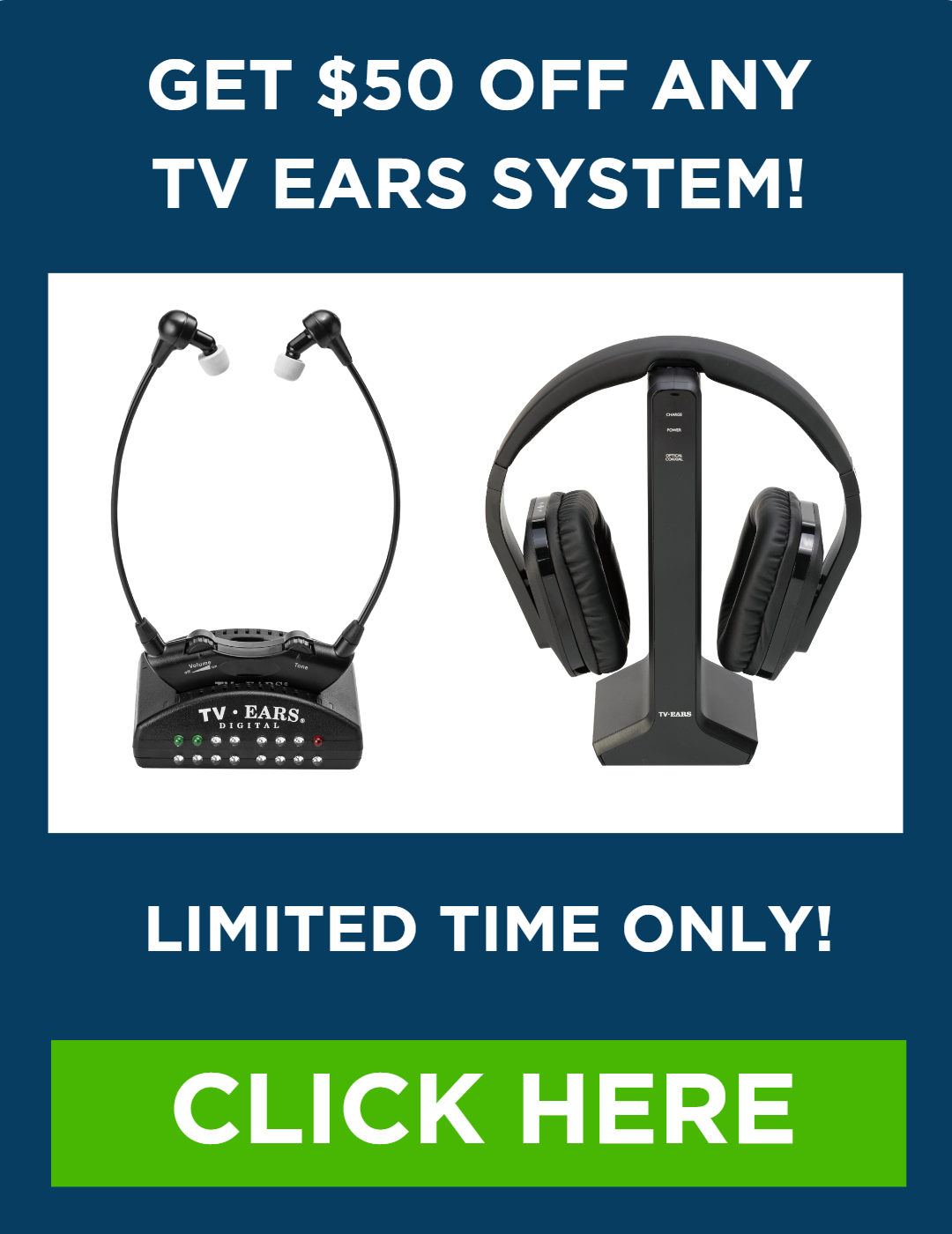
If clarifying dialogue is your top priority, TV Ears are hard to beat. They are engineered specifically for people with hearing loss, using Voice Clarifying Circuitry® to lift speech out of the background noise, music, and sound effects. Many users report that the audio is even clearer than what they experience with their hearing aids, making them an excellent choice for enjoying dramas, news, and sports without missing a word. The system allows you to listen at your preferred volume while others can listen through the TV’s speakers, ending the volume battle for good.
Avantree HT41899 Wireless Headphones
The Avantree HT41899 headphones are a fantastic all-around option because they’re built for compatibility. They work with nearly any TV and include a transmitter that ensures your audio is perfectly synced with the picture, so you won’t have to deal with that annoying lip-sync delay. The best part is their pass-through feature, which lets you listen through the headphones while the TV’s speakers continue to play sound for everyone else in the room. This makes them one of the most seniors-friendly wireless TV headphones for a shared viewing experience, taking the guesswork out of setup.
Sennheiser RS 175 RF Wireless Headphones
Sennheiser has a long-standing reputation for excellent audio, and the RS 175 RF headphones are no exception. They deliver rich, detailed sound and are designed for comfort during long movie nights. These headphones come with special listening modes, including a “Speech Mode” that reduces background noise from the TV soundtrack to make dialogue easier to understand. This feature is a huge help for anyone who struggles to separate voices from music or sound effects. While they are a premium choice, their performance makes them a strong alternative to other models for those who prioritize sound quality.
Sony WH-CH720N Wireless Headphones
Sometimes, you want to completely immerse yourself in a show without any household distractions. The Sony WH-CH720N headphones are perfect for this, thanks to their powerful noise-cancellation technology. They block out ambient sounds, letting you focus entirely on the TV’s audio. While you’re enjoying your private listening experience, your family or friends can still listen to the TV through its speakers. This makes them one of the best wireless TV headphones to watch without disturbing others, offering a great balance between personal immersion and shared enjoyment in a busy home.
Pyle PHPW5 Wireless TV Headphones
For those who enjoy binge-watching a series or settling in for a long movie, comfort is key. The Pyle PHPW5 headphones are designed to be lightweight and easy to wear for hours on end. They provide clear sound directly to your ears without cutting off the audio for others in the room. This simple, straightforward functionality makes them a reliable choice for anyone looking for a comfortable way to enhance their TV audio. They are a great example of TV earphones that transform your viewing experience by making it more personal and enjoyable without isolating you from others.
How to Choose TV Headphones: 5 Key Features to Look For
Finding the right TV headphones can feel like a big task, but it really comes down to a few key features that make all the difference. When you know what to look for, you can confidently pick a pair that not only sounds great but also fits seamlessly into your life. Think about how you watch TV, who you watch it with, and what you need most—whether that’s crystal-clear dialogue or the freedom to move around. Let’s walk through the most important things to consider so you can find the perfect headphones for your home.
Check for Simultaneous Headphone and Speaker Audio
One of the most important features to look for is the ability to have sound play through both your headphones and the TV speakers at the same time. This is a game-changer for watching TV with family or friends. It means you can get the clear, personalized volume you need in your headphones, while everyone else in the room can listen at a comfortable level from the TV’s speakers. This feature, sometimes called “audio passthrough,” ensures that your viewing experience doesn’t isolate you. When you’re shopping, check the product description for features that allow for simultaneous audio output, so everyone can enjoy the show together.
Need Clearer Dialogue? Look for Voice Enhancement
If you find yourself constantly asking, “What did they just say?” then voice-enhancing technology is a must-have. Many standard headphones just make everything louder, which can make background noise and music overpower the dialogue. Look for headphones specifically designed for enhancing dialogue clarity. These devices use special technology to isolate and amplify speech frequencies, making conversations crisp and easy to understand. It’s the difference between simply turning up the volume and actually hearing every word clearly. This feature is especially helpful for watching movies with complex soundscapes or shows where characters tend to mumble.
Don’t Forget Wireless Range and Connection Type
No one wants to be tethered to the TV. A strong wireless connection gives you the freedom to get up for a snack or a drink without missing a moment of your show. Pay attention to the wireless technology the headphones use. Many TV-specific headphones use Radio Frequency (RF) technology, which often provides a more stable connection and longer range than Bluetooth. It also has the benefit of low latency, meaning the audio stays perfectly synced with the video on screen—no more annoying lip-sync delays. Check the product’s specifications for its wireless range to ensure it covers the area you need.
How Long Do They Last? Battery Life and Charging
When you’re settling in for a movie night or a binge-watching session, the last thing you want is for your headphones to die halfway through. Look for a pair with long battery life—many models offer 15 to 20 hours of playtime on a single charge. Just as important is how they charge. Many of the best TV headphones come with a convenient charging station that also serves as the transmitter. This makes it incredibly easy to keep them powered up. You just place the headphones on the dock when you’re done, and they’ll be ready to go for next time.
Prioritize Comfort for Those Movie Marathons
You could have the best-sounding headphones in the world, but if they aren’t comfortable, you won’t want to wear them for very long. Comfort is personal, so think about what you prefer. Do you like the lightweight feel of in-ear buds, or the cushioned fit of over-ear headphones? Over-ear models are often preferred for long sessions because they distribute pressure more evenly. Look for features like soft, breathable ear pads and an adjustable headband. Since you’ll likely be wearing them for hours at a time, finding a pair that provides superior comfort is key to truly enjoying your TV time.
Look for Independent Volume Control
This might be the single most important feature for restoring peace in the living room. Independent volume control means you can turn your headset up as loud as you need without changing the volume coming from the TV’s main speakers. It’s the key to creating two perfect listening experiences at once. You get the crisp, clear audio you need to catch every word, while your family or friends can enjoy the show at a level that’s comfortable for them. This feature is a hallmark of the top TV headphones that let others hear the TV, as it directly solves the problem of the volume being too loud for some and not loud enough for others.
Consider an Open-Ear Design
While some headphones are designed to block out the world, that’s not always what you want when you’re watching TV at home. An open-ear or under-the-chin design allows you to hear the television clearly while still being aware of your surroundings. This means you won’t miss the phone ringing or a family member asking you a question from the other room. It’s a practical feature that helps you stay connected to your environment instead of feeling isolated. This design provides the best of both worlds: enhanced TV audio and the ability to remain part of the household conversation, making it a great choice for social viewing.
Explore Personalized Hearing Profiles
Hearing loss is unique to each individual, so why should your audio solution be one-size-fits-all? Some advanced TV listening systems offer personalized hearing profiles, allowing you to fine-tune the sound to match your specific needs. This goes beyond simple volume and tone adjustments. These profiles can amplify the specific frequencies where you have the most difficulty hearing, making dialogue exceptionally clear without just making everything louder. It’s like having the audio custom-tailored for your ears, ensuring you get a rich and understandable sound experience that a standard pair of headphones simply can’t provide.
Check Support for Multiple Users
If you and your partner both struggle to hear the TV, look for a system that supports multiple headsets. Many transmitters are designed to connect to two or more headphones simultaneously, allowing both of you to enjoy a personalized listening experience at the same time. This is an ideal solution for couples or family members who share a love for television but have different hearing needs. Instead of buying two separate systems, you can find one that lets you add a second headset, making it a convenient and cost-effective way to ensure everyone can watch their favorite shows together in comfort.
Alternative Solutions for Shared TV Audio
While specialized TV headphones are designed to solve the shared volume problem perfectly, they aren’t the only path to a peaceful living room. You might already have some tech at home that can help, or you might be curious about other types of devices. Exploring these alternatives can help you understand what features matter most to you, ensuring you find the ideal solution for your household. From using your favorite Bluetooth headphones to streaming directly to hearing aids, let’s look at a few other ways you can create a better listening experience.
Use Your Existing Bluetooth Headphones
If you already own a pair of Bluetooth headphones you love, you might be in luck. Many modern smart TVs allow you to connect a Bluetooth device directly through the settings menu. This can be a quick and easy way to get personal audio without buying new hardware. However, there’s a common limitation to keep in mind: most smart TVs will only connect to one pair of headphones at a time, and some will mute the TV speakers when a Bluetooth device is connected. It’s a great starting point, but may not be the best solution if your goal is to have simultaneous sound from both the headphones and the speakers.
Connect Through an External Audio Receiver
What if your TV doesn’t have built-in Bluetooth? You can still create a similar setup using an external audio receiver or a Bluetooth transmitter. These small devices plug into your TV’s audio output port and then broadcast a wireless signal to your headphones. The key is to find a transmitter with a pass-through feature. This allows you to connect your headphones to the receiver while the TV’s built-in speakers continue to play sound for everyone else in the room. It requires an extra piece of equipment, but it’s a clever workaround that can adapt your existing TV for a shared audio experience.
Stream Directly to Your Hearing Aids
For those who wear hearing aids, you may have a powerful TV listening solution already in your ears. Many modern hearing aids are equipped with Bluetooth technology that allows them to stream audio directly from a TV or a connected streaming device. This setup is fantastic because it delivers clear sound that is already tailored to your specific hearing needs. Streaming TV through your hearing aids also allows you to hear your surroundings and the TV at the same time, making it much easier to talk to others in the room without having to take them off. Check with your audiologist or hearing aid manufacturer to see if your device supports TV streaming.
Explore Other Personal Listening Devices
The world of assistive listening is full of innovative products designed to make audio clearer and more personal. Beyond traditional over-ear headphones, you can find a wide variety of systems that help you watch TV at your own volume without bothering anyone else. These come in many forms, including lightweight earbuds, personal neck speakers, and even stethoscope-style headsets that rest gently under your chin. Each style offers different benefits for comfort and sound delivery, so it’s worth exploring the different TV listening systems available to find the one that feels best for you during those long movie marathons.
How Does Speaker Passthrough Actually Work?
Have you ever wondered how it’s possible to listen to TV with headphones while your family listens through the regular speakers? The technology that makes this happen is often called “speaker passthrough,” and it’s simpler than it sounds. The headphone’s transmitter base plugs into your television and acts like a smart audio splitter. It sends the sound to your wireless headset while also allowing, or “passing through,” the audio signal to the TV’s speakers. This way, everyone in the room can listen to the TV’s normal audio at their own preferred volume.
This setup is the perfect solution for households where the TV volume is a constant point of contention. You get the clear, amplified sound you need delivered directly to your ears, and your loved ones can enjoy the show at a comfortable volume for them. It’s all about creating a shared, peaceful viewing experience. Understanding a few key details about how this technology connects and communicates will help you choose the right system for your home.
RF vs. Bluetooth: What’s the Difference?
When you’re looking at wireless TV headphones, you’ll mainly see two types of technology: Radio Frequency (RF) and Bluetooth. While both let you listen without cords, they work differently. Many dedicated TV headphones, including TV Ears, use a specific type of RF technology that provides a direct, interference-free connection from the transmitter to the headset. This results in an incredibly clear sound experience, which is exactly what you need when trying to catch every word of dialogue.
Bluetooth is more common in multi-purpose headphones used with phones and computers. While you can connect Bluetooth headphones to a TV, they often come with a frustrating issue called latency. This is a slight delay between the video and the audio, which means the characters’ lips move out of sync with what you’re hearing. For watching TV, an RF connection is generally the better choice for a seamless, delay-free experience.
Understanding Bluetooth Device Limits on Smart TVs
If you’ve ever tried to connect both a Bluetooth soundbar and a pair of headphones to your smart TV at the same time, you may have hit a frustrating roadblock. Most smart TVs are designed to connect to only one Bluetooth audio device at a time. This isn’t a flaw in the technology itself—newer versions of Bluetooth can handle multiple devices—but a limitation set by the TV manufacturers’ hardware and software. This restriction is why you often have to choose between your soundbar or your headphones, but can’t use both. This common issue is another reason why a dedicated RF system is often a more reliable choice for personal TV audio, as it operates on its own frequency and bypasses your TV’s Bluetooth limitations entirely.
How Your TV Sends Audio to Two Places at Once
The ability to play sound through headphones and speakers simultaneously depends on your TV and your headphone system. Some modern smart TVs have a built-in setting that lets you output audio to both the internal speakers and a connected device at the same time. You can usually find this by exploring your TV’s audio settings menu. It’s worth taking a look to see if your TV has this feature.
However, most setups rely on the headphone’s transmitter base to manage the audio. The transmitter connects to one of your TV’s audio output ports. It then sends the wireless signal to your headphones while passing the original signal along to your TV’s speakers or a soundbar. This external device does the work for you, ensuring that the audio is split correctly without you having to change any complicated settings every time you want to watch a show.
How to Check if Your TV is Compatible
Before you buy a pair of TV headphones, it’s a good idea to check for compatibility with your television. The first step is to look at the back or side of your TV to see what kind of audio output ports you have. Most headphone transmitters connect using one of three common ports: an Optical (also called Digital or TOSLINK), RCA (the red and white circular ports), or a 3.5mm headphone jack. Your headphone system should come with the cables needed for these common connections.
In some cases, your TV might only have a port labeled “Coaxial” for audio output. If this is your only option, don’t worry—you can still get set up. You’ll just need to purchase a simple coaxial adapter to make the connection work. Taking a quick photo of your TV’s ports before you shop can help you confirm you have what you need and ensure a smooth, hassle-free setup process.
Start by Checking Your TV’s Audio Menu
Before you even think about cables and ports, the easiest first step is to check your TV’s built-in settings. Many newer smart TVs have a handy feature that allows them to send audio to the internal speakers and a connected device, like headphones, at the same time. Grab your remote and head into your TV’s main menu. Look for a section labeled “Sound” or “Audio.” From there, you might find an option for “Dual Audio Output” or something similar that lets you select both TV Speakers and another output. It’s a simple check that could solve the puzzle right away, so it’s definitely worth a quick look through your TV’s audio settings before you do anything else.
Good News: Most Modern TVs Are Compatible
If you didn’t find a dual audio setting on your TV, don’t worry at all. The vast majority of modern televisions are still compatible with headphone systems that offer passthrough audio. Compatibility usually comes down to the physical connections on the back or side of your TV. Take a quick look for the audio output ports. You’ll most likely see an Optical port (sometimes called Digital or TOSLINK), the classic red and white RCA ports, or a standard 3.5mm headphone jack. The great news is that dedicated systems, like TV Ears, are designed for this and typically include all the cables you need to connect to these common ports, making setup a breeze.
TV Headphones vs. Hearing Aids: Which Is Better for TV?
If you have trouble hearing the television, you might wonder whether your hearing aids are the best tool for the job or if a dedicated pair of TV headphones would be better. It’s a great question. While both are designed to help you hear more clearly, they work in very different ways. Hearing aids are built for all-day, all-around sound amplification, while TV headphones are specialists, designed with the single purpose of making television audio crisp and understandable. For many people, especially when it comes to understanding dialogue, TV headphones are the right tool for the task. Let’s look at how they compare.
When Should You Choose Headphones Over Hearing Aids?
Hearing aids are incredible devices, but their all-around amplification can be a drawback for TV. They might pick up the hum of the refrigerator or a conversation in the next room right alongside the dialogue you’re trying to hear. This is where specialized TV headphones shine. Products like TV Ears are engineered to enhance television audio specifically. They use technology that isolates and clarifies speech frequencies, making dialogue pop. Many users report that the clarity is so exceptional, they can understand dialogue even better than with their expensive hearing aids.
How to Use Headphones with Your Hearing Aids
Choosing TV headphones doesn’t mean you have to ditch your hearing aids. In fact, they can work together. Over-ear headphones can often fit comfortably over smaller, in-the-canal or in-the-ear hearing aids. If you wear behind-the-ear aids, you may find it more comfortable to remove them before putting on your headphones. Many people prefer this, finding the focused sound from the headphones provides a great experience on its own. The key is to experiment and find the setup that gives you the best listening experience and the most comfort.
Why Amplifying Speech Beats Just Turning Up the Volume
The biggest difference between hearing aids and TV headphones comes down to what they amplify. Most hearing aids are designed to make everything in your environment louder. TV headphones with voice-clarifying technology are much more selective. Instead of just turning up the volume on the entire audio track—explosions, music, and all—they specifically target and enhance the frequencies of human speech. This technology is a game-changer. It means you can finally catch those whispered lines without getting blasted by a loud commercial. This not only helps you follow the plot but also helps end the family arguments over the remote.
The Pros and Cons of Dual Audio Headphones
Deciding if dual audio headphones are the right solution for your home means looking at the complete picture. Like any piece of technology, they come with a unique set of benefits and potential trade-offs. Understanding both sides can help you feel confident that you’re choosing a product that will genuinely make your television viewing experience better for everyone in the room. Let’s walk through the main advantages these headphones offer and a few limitations to keep in mind.
The Upside: Happier TV Watching for Everyone
The most immediate and celebrated benefit is the return of peace to the living room. These headphones are designed to end the ongoing debate over TV volume. You can finally listen at a level that is clear and comfortable for you, without disturbing a partner who is reading, working, or sleeping nearby. Beyond just keeping the peace, this technology makes watching television a more enjoyable and inclusive experience. By enhancing dialogue, they allow you to catch every whispered word and subtle sound effect, pulling you deeper into the story. This transforms TV time from a source of frustration into a relaxing, shared activity again.
The Downside: What to Watch Out For
It’s also practical to be aware of potential drawbacks. The technology used in wireless headphones varies, and some types, like older infrared systems, may have a more limited range or less tonal depth compared to headphones designed for music. However, for watching television, the primary goal isn’t musical fidelity—it’s dialogue clarity. This is where specialized TV headphones truly shine. While some general-use headphones might fall short, many users find that the voice-clarifying technology in a dedicated TV headset is a significant advantage. In fact, many TV Ears reviews highlight that the exceptional clarity makes dialogue easier to understand than ever before, sometimes proving more effective than their hearing aids for this specific purpose.
Potential for a Slight Audio Echo
One minor thing to be aware of is the potential for a slight echo when you have audio coming from both the headphones and the TV speakers. This can happen because there’s a tiny, millisecond delay between the wireless signal reaching your ears and the sound traveling from the speakers. While it might sound distracting at first, most people find it’s something their brain adjusts to and tunes out within a few minutes. In fact, many users report that the echo is so faint that it’s easy to ignore. For the benefit of hearing every word clearly, this small trade-off is often well worth it.
The Added Cost of a Dedicated System
Of course, a dedicated system for TV listening is an additional purchase for your home. You’ll need to buy a special pair of headphones with a transmitter, which can range in price from around $100 to $200. While this is an investment, it’s one that pays off in household harmony and a much more enjoyable viewing experience for everyone. Think of it as buying a solution to the nightly arguments over the remote control. For the price, you get a system specifically engineered to deliver clear dialogue and a peaceful, shared environment, making it a worthwhile addition for anyone who struggles to hear the TV.
How to Set Up Your Headphones for Shared Audio
Getting your new headphones set up so everyone can enjoy TV together is usually straightforward. It just takes a few simple steps to connect the transmitter and adjust your TV’s settings. Don’t worry if it seems a bit technical at first—we’ll walk through it together. The goal is to get sound coming through both your headphones and the TV speakers, and most modern TVs make this pretty easy to do. Let’s get you connected so you can get back to your favorite shows.
Connecting to Any Type of TV
First, take a look at the back or side of your television to see what kind of audio ports it has. You’re looking for an “Audio Out” port. The most common types are a digital optical port (which looks like a small, square-shaped door) or a 3.5mm headphone jack, just like the one on a phone or laptop. Your headphone transmitter will come with cables to connect to these ports. Simply match the cable to the correct port on your TV. Making sure you have the right physical connection is the essential first step to getting everything working perfectly.
Use the Right Audio Port (and Avoid the Wrong One)
Once you’ve located the audio ports, the next step is to make sure you’re using an “output” and not an “input.” This is a really common mix-up. Your TV uses input ports to receive signals from things like a cable box or DVD player, but it uses output ports to send sound out to other devices, like your headphones. Look for labels like “Audio Out” or “Digital Out.” The most common outputs are the square-shaped Optical port (sometimes called TOSLINK), the classic red and white RCA ports, or a standard 3.5mm headphone jack. If you only see a port labeled “Coaxial,” you can still connect your system with a simple adapter. A great tip is to snap a quick photo of your TV’s ports before you shop. This way, you can easily confirm you have what you need and make the setup process completely stress-free.
Getting Your TV’s Audio Settings Just Right
Once your transmitter is connected, you’ll need to tell your TV to send sound to it. Grab your TV remote and go into the main menu. Look for a section called “Settings,” “Audio,” or “Sound.” Inside, you’re searching for an output setting that lets you play audio from both the internal TV speakers and the audio out port simultaneously. This option might be labeled something like “TV Speaker + Optical” or “Simultaneous Audio Output.” Selecting this tells your TV to send the sound to two places at once, so you can listen through your headphones while everyone else listens through the speakers.
Running into Problems? How to Fix Common Setup Issues
What if your TV doesn’t have a setting for simultaneous audio? Don’t worry, there are a couple of workarounds. First, try this trick: go into your TV’s sound settings and change the output to “Optical/External Speaker.” Once you hear sound in your headphones, switch the setting back to “TV Speaker.” For many TVs, this will keep both audio streams active. If you use a soundbar, look for a headphone transmitter that has a feature called “passthrough.” This lets the audio signal pass through the transmitter to your soundbar while also sending it wirelessly to your headphones, solving the problem instantly.
Debunking Common Myths About TV Headphones
When you start looking for TV headphones, you’ll find a lot of conflicting information out there. It can be tough to sort fact from fiction, especially when it comes to technology. Let’s clear up some of the most common mix-ups about sound quality, setup, and how these devices actually work with your television. Getting the right information will help you feel confident that you’re choosing a solution that truly works for you and your family.
Myth #1: “They’re Complicated and Sound Bad”
One of the biggest worries people have is that wireless headphones will mean sacrificing sound quality for convenience. Many assume they’ll have to deal with static, lag, or a complicated installation process. The truth is, high-quality TV listening systems are designed to solve these exact problems. For instance, TV Ears uses infrared technology, which creates a direct, interference-free connection between the transmitter and your headset. This results in incredibly clear sound without the annoying audio delay you might get from other wireless types. Many users report that the voice-clarifying technology makes dialogue easier to understand than ever before, sometimes working even better than their hearing aids for watching television. And you don’t need to be a tech expert to get started; most systems are designed for a simple plug-and-play setup.
Myth #2: “They Won’t Work With My TV”
A major myth is that if one person uses headphones, no one else in the room can hear the TV. This is a huge concern for families who want to watch shows together. The good news is that this usually isn’t true! The ability to play sound through both the headphones and your TV’s internal speakers at the same time depends on your television’s settings, not the headphones. Many modern TVs allow you to select multiple audio outputs simultaneously. Another common question is whether more than one person can use the system. Absolutely. Many models are designed so you can connect multiple headsets to a single transmitter, making it a perfect solution for couples or friends who want to enjoy a movie together, each at their own perfect volume.
Where to Find the Best Deals on TV Headphones
Once you’ve narrowed down the features you need, the next step is finding a great price. A good deal isn’t just about the lowest number on the price tag; it’s about getting the best value for your money. Think of it as an investment in your daily comfort and enjoyment. A quality pair of headphones that delivers clear dialogue and lasts for years is worth much more than a cheap set you’ll have to replace in a few months. When you find a product that solves a daily frustration, like straining to hear the TV, paying a fair price for it feels right.
Shopping smart can make a big difference in what you pay. The key is to know where to look and when to buy. Big-box stores, online marketplaces, and even the manufacturers themselves all offer different pricing and promotions throughout the year. By doing a little research, you can feel confident that you’re getting a fair price on a product that will genuinely improve your TV-watching experience. It’s all about being patient and strategic. A few minutes of comparison shopping can lead to significant savings, making that final purchase feel even better. Don’t rush the process; the right deal on the right headphones is out there.
How to Compare Prices Online
Your first stop for comparing prices should be the major online retailers. Websites for stores like Amazon, Best Buy, and Walmart are great places to start because they often have competitive pricing and user reviews all in one place. Don’t forget to check the manufacturer’s website directly, as they sometimes offer exclusive bundles or discounts you won’t find anywhere else. As you compare, it’s also smart to see what other people are saying. For instance, when you read through TV Ears reviews, you’ll find people consistently mention the exceptional sound clarity. This kind of feedback helps confirm you’re investing in a product that truly works.
How to Spot a Good Discount
Timing is everything when it comes to getting a fantastic deal. Keep an eye out for major sales events like Black Friday, Cyber Monday, and other holiday promotions, as electronics are often heavily discounted during these times. One of the easiest ways to stay in the loop is by subscribing to email newsletters from brands you’re interested in. You’ll get alerts about upcoming sales and sometimes receive exclusive coupon codes just for being a subscriber. The main benefit of great wireless TV headphones is enjoying your shows without disturbing anyone else. Finding a good discount just makes that feeling of household harmony even sweeter.
Making Your Final Decision
Choosing the right TV headphones isn’t just about finding a pair that works; it’s about finding the pair that works for you and your home. Your specific hearing needs and how you watch TV with others are the two biggest factors to consider. Think about what you struggle with most—is it the clarity of voices, the background noise, or simply finding a volume that makes everyone happy? Answering these questions will point you toward the perfect solution for a more peaceful and enjoyable TV experience for everyone in the room.
Match the Features to Your Specific Hearing Needs
If you have hearing loss, you know that just turning up the volume doesn’t always solve the problem. Often, it just makes everything louder—the music, the sound effects, and the dialogue—without making the words any clearer. That’s why you should look for headphones specifically designed for enhancing dialogue clarity. Some headphones use special technology, like TV Ears’ infrared signal, to deliver crisp, clear sound directly to you without interference. This technology focuses on the frequencies of human speech, making it easier to catch every word. Many users find this voice-clarifying technology helps them understand dialogue even better than their hearing aids do, allowing them to finally follow along with complex plots and quiet conversations.
Think About Your Home and How You Watch TV
Think about who you watch TV with and when. Are you a late-night movie buff who doesn’t want to wake your partner? Or do you find yourself in a constant battle over the remote because the volume is too loud for others? The right headphones can bring peace back to your living room. Investing in a good pair of wireless TV headphones lets you catch your favorite program without disturbing others. You can immerse yourself in your show at your ideal volume while your family members read, chat, or listen at a lower volume from the TV speakers. Some systems even support multiple headsets, so two people can watch together, each with their own personalized volume control. It’s a simple solution that ends the volume wars for good.
Related Articles
- Enhancing Your TV Viewing with Wireless Headphones – TV Ears® Official Store
- Best Hearing Loss TV Headphones for 2025
- TV Earphones for Hard of Hearing: The Ultimate Guide
- 5 Best Headphones for Hearing Impaired TV Viewers
- Wireless Headphones for a TV: A Guide
Frequently Asked Questions
I already have expensive hearing aids. Why would I need a separate pair of headphones just for TV? That’s a fantastic question, and it comes down to using the right tool for the job. Hearing aids are designed to amplify all the sounds around you, which is great for conversations but can be tricky for TV. They might pick up the air conditioner or kitchen noises right along with the show’s dialogue. TV headphones with voice-clarifying technology are specialists. They are engineered to specifically isolate and enhance the frequencies of human speech, making dialogue crisp and clear while minimizing distracting background sounds from the show itself. Many people find this focused approach makes it much easier to follow the plot.
Will these headphones work with my older TV, or do I need a new smart TV? You almost certainly do not need a new television. Most of these headphone systems are designed with universal compatibility in mind and work perfectly well with older models. The key is to check the audio output ports on the back or side of your TV. As long as you have a digital optical, RCA (the red and white plugs), or a standard 3.5mm headphone jack, you should be able to connect the transmitter without any issues. The headphone kits typically include all the common cables you’ll need for a simple setup.
My partner and I both have trouble hearing the TV. Can we use two headsets at the same time? Yes, you absolutely can. Many TV headphone systems are designed specifically for this situation. They allow you to connect multiple headsets to a single transmitter base. This means you and your partner can both watch the same show together, with each of you controlling your own personal volume. It’s a wonderful way to share the experience without having to compromise on a volume level that works for both of you.
I’m worried that setting this up will be too complicated. Is it hard to connect them? Not at all. These systems are designed to be very user-friendly, with a setup process that is essentially plug-and-play. In most cases, you simply connect the transmitter base to your TV’s audio output port with one of the included cables, plug the transmitter into a power outlet, and turn on your headphones. There are no complex apps or software to deal with. The goal is to get you listening clearly in just a few minutes.
Won’t wearing headphones while my family is in the room feel isolating? It’s a common concern, but these headphones are actually designed to make watching TV a more shared and harmonious activity. Because the sound continues to play through the TV’s main speakers, you aren’t cut off from the room. Instead, you’re simply getting the clear audio you need delivered directly to you, while your family listens at a volume that’s comfortable for them. It ends the constant negotiation over the remote and allows everyone to relax and enjoy the show together.