Ever get up to grab a snack from the kitchen only to miss a crucial line of dialogue? Being tethered to your television can be frustrating, but many wireless solutions don’t offer the freedom you need. Standard Bluetooth connections often cut out if you walk into another room, leaving you disconnected from the action. This is where long range wireless tv headphones truly shine. Using powerful Radio Frequency (RF) technology, they send a stable audio signal up to 100 feet or more, even through walls. This gives you the freedom to move around your home without missing a moment. This guide will cover what to look for in a reliable pair, from signal strength to all-day comfort.
Key Takeaways
- Prioritize Voice-Clarifying Features for Clear Dialogue: Instead of just turning up the volume, look for headphones with technology designed to separate speech from background noise. This ensures you can catch every word without making the entire show too loud.
- Opt for a Radio Frequency (RF) Connection for Uninterrupted Sound: RF systems offer a longer, more stable signal that can travel through walls, giving you the freedom to move around your home without the audio cutting out.
- Confirm TV Compatibility for a Quick Setup: The best headphones connect easily to your TV’s Optical, RCA, or AUX audio ports. A simple plug-and-play design means you can go from unboxing to listening in just a few minutes without any technical frustration.
How Do Long-Range Wireless TV Headphones Work?
Ever wonder how sound from your TV can travel straight to your ears without a single wire? It’s a simple and clever setup. A small transmitter box plugs into your television and sends the audio signal through the air to your wireless headphones. Think of it like a tiny, personal radio station where your TV is the DJ and your headphones are the only receiver.
This direct connection is what makes the experience so seamless. It allows you to get crisp, clear sound at your preferred volume without affecting anyone else in the room. The magic lies in the type of wireless technology used to send that signal, which usually comes down to two main options: Radio Frequency (RF) or Bluetooth. Understanding the difference between them will help you pick the perfect pair for your home.
The Tech Behind the Sound
At the heart of every wireless TV headphone system is a transmitter. This small device connects to the audio output port on your television—whether it’s an optical, AUX, or RCA port. Once connected, it takes the audio from your show or movie and broadcasts it wirelessly. Your headphones are paired to that specific transmitter, so they pick up the signal and deliver the sound directly to you.
The best part of this technology is its ability to deliver sound in real-time. High-quality systems use technologies like Radio Frequency to eliminate audio delay, ensuring the words you hear perfectly match the actors’ lips on screen. This is crucial for an enjoyable viewing experience, as even a tiny lag can be distracting.
RF vs. Bluetooth: Which Connection Is Best for You?
When you’re choosing wireless headphones, you’ll see two main connection types: Radio Frequency (RF) and Bluetooth. While you might be more familiar with Bluetooth from pairing your phone to your car, it has some limitations for TV use. The typical Bluetooth range is about 33 feet, which means you could lose your connection if you walk into another room.
RF technology, on the other hand, uses a stronger signal that can travel much farther—often up to 100 feet or more—and can even pass through walls. This gives you the freedom to grab a snack from the kitchen without missing a single line of dialogue. Because RF systems like TV Ears headsets create a dedicated link between the transmitter and headphones, the connection is often more stable and less prone to interference.
What to Look For in Wireless TV Headphones
Finding the right pair of wireless TV headphones can completely change your viewing experience. But with so many options and technical terms, it’s easy to feel a bit lost. To make it simple, let’s walk through the five most important features to look for. Focusing on these key areas will help you choose a pair that fits your needs perfectly, so you can get back to enjoying your favorite shows without any frustration. From sound quality that makes dialogue pop to a design you can wear for hours, here’s what truly matters.
Signal Range: Can They Reach Through Walls?
Think about how you watch TV. Do you ever get up to grab a drink or a snack from the kitchen? A strong signal range gives you the freedom to move around your home without being tethered to the television. Look for headphones that offer a generous range—many can transmit sound clearly up to 50 feet, even through walls. This means you won’t miss a crucial plot point or a funny line just because you stepped into the next room. It’s a small feature that adds a huge amount of convenience to your daily life.
Battery Life and Easy Charging
There’s nothing more frustrating than having your headphones die in the middle of a movie finale. That’s why battery life is a critical feature to consider. A good pair of wireless headphones should offer long hours of playtime on a single charge, letting you binge-watch an entire season without interruption. Also, pay attention to how they charge. Many modern headsets use simple charging cradles or common cables, making it easy to power them up without fussing with tiny, hard-to-see ports. The goal is less time charging and more time watching.
Crystal-Clear Sound and Voice Clarity
For many of us, the biggest challenge with TV audio isn’t the volume—it’s the clarity. Mumbled dialogue, loud background music, and sound effects can make it impossible to follow the conversation. This is where specialized technology makes a huge difference. Look for headphones with features like Voice Clarifying Circuitry®, which is designed to lift dialogue out from the background noise. This technology makes voices crisp and understandable, so you can catch every single word without having to crank up the volume and disturb others.
All-Day Comfort for Binge-Watching
If you’re going to be wearing headphones for a few hours, they need to be comfortable. A poorly designed pair can cause soreness or pressure, ruining your relaxation time. When shopping, look for lightweight designs that won’t weigh you down. Features like soft, cushioned ear cups and an adjustable headband are also essential for a personalized, snug fit. The best TV headphones are the ones you forget you’re even wearing, allowing you to fully immerse yourself in your show or movie without any physical distractions.
Simple Setup and TV Compatibility
You shouldn’t need a degree in engineering to connect your headphones to your TV. The best models offer a simple, plug-and-play setup that gets you listening in minutes. Before you buy, check to make sure the headphones are compatible with your television’s audio outputs. Most TVs have a few options, so look for a system that works with common connection types like Digital Optical (also called TOSLINK), AUX (3.5mm), or RCA. A versatile set of headphones ensures you can get them working quickly, no matter what kind of TV you own.
Our Top 5 Picks for Long-Range Wireless TV Headphones
After exploring what makes a great pair of wireless TV headphones, let’s look at some of the best options available. We’ve selected these models based on their signal range, sound quality, comfort, and user-friendly design. Whether you need advanced voice-clarifying features or a simple, comfortable set for movie nights, there’s a pair here for you.
TV Ears Original Wireless Headsets
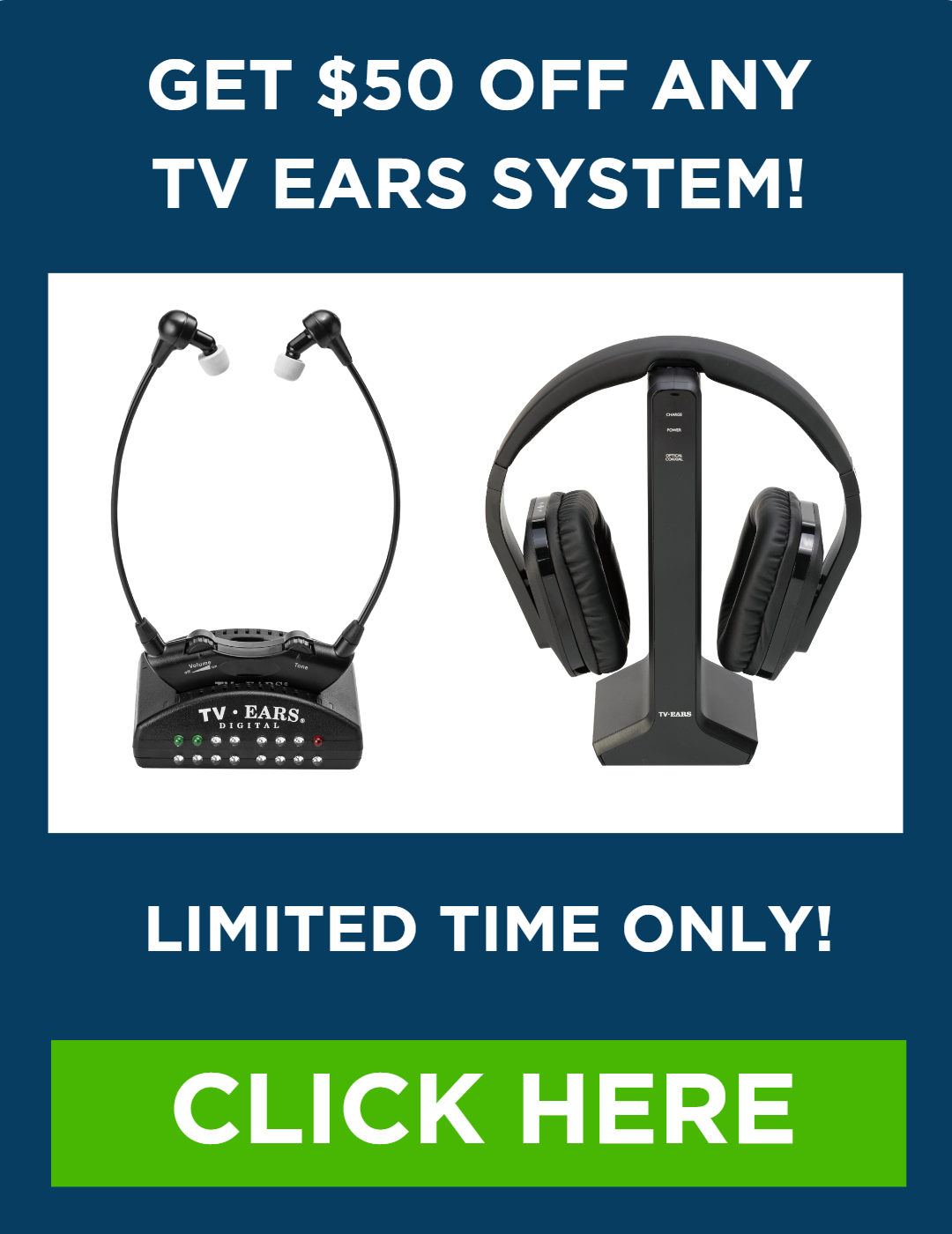
If your main goal is to hear TV dialogue more clearly, the TV Ears Original is in a class of its own. Designed specifically as an “Assistive Listening Device,” it uses proprietary Voice Clarifying Circuitry® to lift speech out of the background noise, making every word crisp and understandable. This system is incredibly powerful, with volume up to 120 decibels, ensuring you can find the perfect level without disturbing anyone else. It’s an ideal solution for anyone with hearing loss who wants to stop relying on subtitles and truly enjoy their favorite shows again.
Sennheiser RS 175 RF Wireless Headphone System
Sennheiser is a trusted name in audio, and the RS 175 lives up to the reputation. These headphones offer exceptional digital sound quality with switchable listening modes for dynamic bass and virtual surround sound, making them fantastic for both movies and music. The over-ear design is comfortable for hours of wear, and the RF transmitter provides a solid, long-range connection that won’t cut out if you walk into the next room. They are a premium choice for anyone who wants a rich, immersive home theater experience.
Sony WH-RF400 Wireless Home Theater Headphones
For those who love to settle in for a long binge-watching session, the Sony WH-RF400 headphones are a great fit. Their main strengths are comfort and battery life, offering up to 20 hours of listening on a single charge. The noise-reducing design helps block out distractions, letting you focus on the on-screen action. They also feature a Voice Mode button that enhances dialogue clarity with a single press. With a generous wireless range, these headphones give you the freedom to grab a snack from the kitchen without missing a beat.
Avantree HT41899 Wireless Headphones
The Avantree HT41899 set is all about simplicity and convenience, especially for two people watching together. This kit comes with two pairs of headphones that are pre-paired to the transmitter, so the setup is truly plug-and-play. There’s no audio lag, which is a common issue with other systems, ensuring the sound is perfectly synced with the picture. The headphones are lightweight and comfortable, making them a practical and thoughtful choice for couples who want to enjoy TV at their own preferred volumes without a complicated installation process.
Artiste ADH300 Wireless TV Headphones
If you’re looking for a straightforward and budget-friendly option, the Artiste ADH300 headphones are an excellent pick. They deliver clear stereo sound over a long range using reliable RF technology. The design is lightweight with soft padding, prioritizing comfort for extended viewing. Charging is simple—just place the headphones on the transmitter dock. While they may not have the advanced audio features of more expensive models, they perform their core job exceptionally well, providing a clear, personal TV audio experience without breaking the bank.
How Much Should You Expect to Spend?
Let’s talk about cost. Finding the right wireless TV headphones doesn’t mean you have to empty your wallet. Great options are available at every price point, so you can find a pair that fits your needs and your budget. Generally, as the price increases, you’ll see improvements in features like wireless range, battery life, sound quality, and overall comfort. But a higher price tag doesn’t always mean it’s the right choice for you. The goal is to find the best value for how you watch TV. From simple, effective devices that get the job done to high-end systems with extra conveniences, the perfect solution is out there. Let’s walk through what you can expect to find in each price range so you can feel confident in your choice.
Budget-Friendly Finds (Under $100)
You don’t need to spend a lot to get a device that makes a huge difference in your TV watching. This price range is perfect for finding a straightforward, effective solution that focuses on the most important feature: clear sound. For example, the TV Ears 5.8 Digital Headset is a fantastic option designed specifically to make TV dialogue crisp and easy to understand. It’s a specialized device that does one thing exceptionally well. Plus, it comes with modern touches like USB-C charging and simple, user-friendly controls, proving that an affordable price doesn’t mean you have to compromise on quality or convenience.
The Sweet Spot ($100-$200)
In the mid-range, you’ll find headphones that offer a wonderful balance of performance, features, and price. Models in this category often come with better materials for enhanced comfort during long movie nights and additional technology to refine your listening experience. A standout choice here is the Avantree Opera headphones. This wireless set includes a dedicated transmitter that connects directly to your TV, and it’s engineered to make dialogue both louder and clearer. It’s a solid investment for a noticeable upgrade in sound and comfort, helping you catch every word without straining.
Premium Picks (Over $200)
If you’re looking for the best possible experience and are willing to invest a bit more, the premium category offers top-of-the-line features for ultimate convenience. These headphones are for those who want superior sound, extended range, and a hassle-free setup. The Avantree HT5009 Wireless Headphones and Transmitter Set is a perfect example of a top-tier option. It uses special technology to eliminate that annoying sound delay between the actors’ lips and the sound in your ears. With an incredible range of up to 164 feet, you can walk to the kitchen for a drink without missing a single line of dialogue.
Where to Find the Best Deals
No matter your budget, getting the best value is always the goal. One of the most helpful things you can do is read what other people have to say. Checking out user testimonials and reviews gives you honest insight into how a pair of headphones performs in a real home, not just in a lab. Pay close attention to comments about comfort, especially for long binge-watching sessions, as this can be a very personal preference. A great price isn’t a great deal if the headphones are too uncomfortable to wear. Reading about others’ experiences will help you make a purchase you’ll be happy with for years to come.
A Simple Guide to Setting Up Your Headphones
Getting your new wireless TV headphones up and running is much easier than you might think. You don’t need to be a tech expert or read a complicated manual to start enjoying clear TV sound. Most systems are designed to be plug-and-play, meaning you can go from unboxing to listening in just a few minutes. The goal is to get you comfortable and listening to your favorite shows as quickly as possible, without any frustration.
Think of it in two simple parts: connecting a small transmitter box to your TV and then turning on your headphones. The transmitter sends the TV’s sound wirelessly to your headset, and in most cases, they find each other automatically. Let’s walk through the steps together so you can feel confident setting everything up on your own.
Your Step-by-Step Installation Checklist
You’ll be surprised by how straightforward this process is. Most wireless headphone systems, especially those using Radio Frequency (RF) technology, are designed for simplicity. There’s no complicated Bluetooth pairing or password entering involved.
Here’s a quick checklist to guide you:
- Power up the transmitter. This is the small box that comes with your headphones. Plug its power cord into a wall outlet.
- Connect the transmitter to your TV. Using one of the included audio cables, plug one end into the transmitter and the other into an “Audio Out” port on your TV. We’ll cover which port to use in the next section.
- Turn on your headphones. That’s it! The headphones are pre-paired to the transmitter, so they should connect automatically once they’re on and the transmitter has power.
How to Connect to Any TV
Worried your TV might not be compatible? Don’t be. Nearly every television, old or new, has the right ports to connect to wireless headphones. Your headphone system will come with a few different cables to ensure you have what you need. Just take a look at the back or side of your TV to find the audio output panel.
You’ll likely see one of these three common ports:
- Optical (or TOSLINK): A small, square-shaped digital port that often has a protective plastic flap. It provides excellent sound quality.
- AUX (or 3.5mm Headphone Jack): This is the same round port you’d find on a smartphone or laptop for wired headphones.
- RCA (Red and White): These are the classic red and white analog ports that have been on TVs for decades.
Simply match one of the cables from your headphone box to the corresponding “Audio Out” port on your TV. You can find a helpful visual guide to TV ports if you’re unsure which one is which.
Getting the Perfect Sound
Once you’re connected, there’s one small adjustment you might need to make in your TV’s settings to get the best possible audio. If you used the Optical connection, your TV needs to send the right kind of signal. In your TV’s menu, go to “Settings,” then “Audio,” and look for an option called “Digital Audio Output” or “Optical Output.” Make sure this is set to PCM or Stereo. This setting ensures your headphones receive a clear signal they can understand.
This is also where specialized headphones truly shine. For example, TV Ears headphones feature Voice Clarifying Circuitry®. This technology actively lowers background sounds from music and special effects while making dialogue clearer and easier to understand. You won’t just hear the TV louder; you’ll hear it better. It’s a simple way to catch every word without having to constantly adjust the volume.
Troubleshooting Common Issues
Even the best technology can have a hiccup now and then. If you run into any trouble with your new wireless TV headphones, don’t worry. Most problems have a quick and easy fix that doesn’t require an engineering degree. Before you get frustrated, try these simple solutions to solve the most common issues. A few small adjustments are usually all it takes to get you back to enjoying crystal-clear TV sound without interruption.
Fixing Audio Delays and Sync Problems
There’s nothing more distracting than when the words you hear don’t match the actor’s lips on screen. This audio lag, or latency, can happen with wireless connections. First, try turning both your headphones and the transmitter off and on again to reset the connection. If the problem persists, check that your transmitter is connected to the correct audio output on your TV. Many modern headphones use advanced technology to minimize this delay, ensuring a perfect sync between audio and video. If you frequently experience lag, it might be a sign that your headphones lack the low-latency features needed for a seamless viewing experience.
Solving Interference and Connection Drops
If your audio is crackling, cutting out, or dropping altogether, you’re likely dealing with signal interference. Your home is filled with wireless signals from Wi-Fi routers, cordless phones, and even microwaves, all competing for space. To fix this, try moving your headphone transmitter further away from other electronic devices, especially your Wi-Fi router. Creating just a few feet of space can make a huge difference. Some headphone models also allow you to switch between different frequency channels to find a clearer signal. Reducing the number of wireless obstacles is often the key to a stable, uninterrupted connection.
What to Do About Battery and Charging Issues
Your headphones are only useful if they’re charged and ready to go. To avoid getting cut off mid-movie, make it a habit to place your headphones back on their charging base after each use. This ensures they’re always topped up. If you find the battery isn’t holding a charge like it used to, check the charging contacts on both the headphones and the base for any dust or debris and wipe them clean with a dry cloth. Following proper charging practices from the start is the best way to maintain your battery’s health and extend the overall lifespan of your headphones, giving you years of reliable use.
Tips for a More Comfortable Fit
Comfort is key, especially when you’re settling in for a movie marathon. If your headphones feel too tight or too loose, take a moment to adjust them. Most models feature an adjustable headband that slides to fit different head sizes. Gently pull the earcups down or push them up until they feel secure but not constricting. The earcups should fully enclose your ears without putting too much pressure on them. Many are designed with plush, cushioned padding that molds to your shape over time. Finding the right ergonomic fit not only makes for a more pleasant experience but also helps create a better seal for improved sound quality.
A Better TV Experience for Those with Hearing Loss
Watching television should be a relaxing way to unwind, but for those with hearing loss, it can often be a frustrating experience. Straining to hear dialogue over loud music and sound effects, constantly asking “what did they say?”, and negotiating the volume with family members can turn a simple pleasure into a source of tension. Wireless TV headphones are designed to solve this problem, offering a straightforward way to bring clarity and peace back to your living room.
These devices aren’t just about making the TV louder; they’re about making it clearer. They create a personal listening zone, allowing you to immerse yourself in your favorite shows without compromise. You can finally catch every punchline, follow every plot twist, and enjoy television on your own terms, without disturbing anyone else. It’s a simple change that can make a world of difference for your entertainment and your relationships.
Hear Every Word with Voice-Clarifying Technology
One of the biggest hurdles with TV audio is that dialogue often gets buried under a mix of music and sound effects. Simply turning up the volume makes everything louder, which doesn’t solve the problem of clarity. This is where voice-clarifying technology comes in. Specialized headphones, like those from TV Ears, use Voice Clarifying Circuitry® to intelligently separate speech from other sounds. This system makes voices stand out by quieting the background noise. The result is crisp, distinct dialogue that’s easy to understand, allowing you to follow the conversation without straining.
Enjoy Your Own Personal Volume, Guilt-Free
The “TV volume war” is a familiar struggle in many households. One person needs the sound loud enough to hear, while everyone else finds it overwhelming. Wireless TV headphones provide the perfect truce. They let you set a volume that’s comfortable for you, completely independent of the TV’s speakers. This means your family can keep the main volume low—or even muted—while you enjoy a rich, full sound. Products like the Avantree Opera headphones are even designed to reach higher volumes than standard headphones, ensuring you have the power you need. It’s a guilt-free way to watch what you want, when you want.
Do They Work with Hearing Aids?
This is a great question, and the answer is yes, they can be a fantastic companion to hearing aids. While hearing aids are essential for everyday life, they amplify all the sounds in a room. This can be a disadvantage when watching TV, as they pick up the air conditioner, conversations, and other ambient noises along with the show’s audio. In contrast, a dedicated TV headset sends the TV sound directly to your ears without any of that extra interference. This creates a cleaner, more focused listening experience. You can typically wear the headphones right over your hearing aids or use them on their own, giving you a practical and effective way to enjoy television again.
Are Wireless TV Headphones Right for Your Home?
Deciding on a new piece of tech for your home can feel like a big commitment. You want to be sure it will actually solve a problem and be easy for everyone to use. Wireless TV headphones are a simple, effective solution for a surprisingly common household issue: the TV volume. They offer a personalized listening experience that can make watching television more enjoyable for everyone, especially for those with hearing loss. Let’s walk through a few scenarios to see if they’re the right fit for you and your family.
Finally, an End to the TV Volume Wars
If you’ve ever found yourself in a standoff over the remote control, you know the “TV volume wars” are real. One person needs the volume cranked up to catch the dialogue, while another person in the same room finds it painfully loud. This can turn a relaxing evening into a source of frustration. Wireless TV headphones offer a simple truce. They allow one person to listen at their ideal volume, directly in their ears, while the TV’s external speakers can be set to a comfortable level for everyone else—or even muted completely. It’s a straightforward way to ensure everyone can enjoy watching together without compromise.
Headphones vs. Soundbars and Hearing Aids
You might wonder how these headphones differ from other audio solutions. While hearing aids are incredible medical devices, they amplify all the sounds around you—the air conditioner, a conversation in the next room, the dog barking. This can make it even harder to focus on the TV. In contrast, a dedicated Assistive Listening Device like TV Ears sends the audio directly from the television to your ears, cutting out distracting background noise. Soundbars are great for creating a cinematic experience, but they project sound throughout the entire room, which doesn’t solve the problem of differing volume needs. TV headphones provide a personal sound bubble, clarifying dialogue just for you.
Finding a Pair That Lasts: Durability and Value
When you invest in a new device, you want it to be reliable and easy to use for years to come. Look for headphones with a long battery life, ensuring they won’t die in the middle of your favorite movie. Comfort is also key, so prioritize a lightweight design that you can wear for hours without discomfort. A simple, plug-and-play setup is also a must to avoid any technical headaches. Choosing a trusted brand is important, too. Companies like TV Ears have been helping millions of people hear their TVs clearly for over two decades, offering a dependable product built on years of experience and customer trust.
Related Articles
- Best Wireless Headphone TV: A Buyer’s Guide
- Best Wireless Headphones for TV Watching in 2025
- The Best Wireless Headphones for TV (2025 Guide)
- 5 Best Wireless TV Headphones w/ Transmitter (2025)
- 5 Best Wireless TV Headphones with Transmitter
Frequently Asked Questions
Will these headphones work with my TV, even if it’s old? Yes, they almost certainly will. These headphone systems are designed to be universal and connect to the audio output ports found on nearly every television made in the last few decades. Your headphones will come with a few different cables to match common ports like the Digital Optical, RCA (red and white), or the standard headphone jack. You just have to find the port labeled “Audio Out” on your TV and plug in the corresponding cable.
Can other people in the room still hear the TV while I’m using the headphones? Absolutely. Using the headphones doesn’t have to mute the TV’s main speakers. This is how they solve the “volume war.” You can have the sound coming through your headset at your perfect volume, while your family listens to the TV speakers at a much lower, more comfortable level for them. It gives everyone in the room their own ideal listening experience.
What makes these different from regular Bluetooth headphones? While Bluetooth is great for music on your phone, it has a couple of drawbacks for TV. The main difference is that the Radio Frequency (RF) technology used in most dedicated TV headphones provides a much longer and more stable signal. This means you can walk to the kitchen for a snack without the sound cutting out. RF systems also create a direct link that prevents the annoying audio delay, so the sound you hear will always be perfectly synced with the actors’ lips on screen.
Are these headphones comfortable enough to wear for a whole movie? They are designed specifically for that purpose. Unlike bulky music headphones that can feel heavy over time, TV headsets are typically very lightweight. They often feature soft, cushioned ear tips and an adjustable design that rests gently without putting a lot of pressure on your head or ears. The goal is for you to forget you’re even wearing them so you can get lost in your show.
Do I need to be good with technology to set them up? Not at all. Most of these systems are made to be incredibly simple, with a true plug-and-play setup. You don’t have to worry about pairing devices or navigating complicated menus. You just connect the small transmitter box to your TV’s power and audio port, then turn on the headphones. They are already paired to the transmitter, so they connect automatically in seconds.