Constantly asking, “What did they say?” during your favorite shows? You’re not alone. It’s frustrating when loud sound effects drown out quiet dialogue. Simply turning up the volume doesn’t help—it just makes the explosions louder, not the conversations clearer. That’s where specialized TV headphones shine. While many know brands like Avantree, finding the right fit means looking at all your options. We’re here to help you find a great TV Ears alternative. We’ll show you the best choices, including options perfect for the hearing impaired, that focus on one thing: crystal-clear dialogue.
Key Takeaways
- Prioritize Voice-Clarifying Technology: The most important feature isn’t overall volume, but technology that specifically isolates and enhances dialogue, making conversations crisp and clear even when background music or sound effects are loud.
- Opt for a Dedicated TV Headphone System: Unlike standard Bluetooth headphones, systems designed for TV use a transmitter base to provide a reliable, lag-free audio connection. This ensures the sound always syncs perfectly with the picture and makes the setup as simple as plugging in a cable.
- Find the Right Fit for Your Comfort and Home: Your personal listening experience is key. Look for a lightweight, comfortable design you can wear for hours, and ensure it has its own volume control to end household volume disputes and create a peaceful viewing environment for everyone.
Hear Your TV Better: Why the Right Headphones Matter
Settling in to watch your favorite show should be a relaxing part of your day, but it can quickly become a source of tension when one person needs the volume much louder than everyone else. This common household dilemma isn’t just about preference; it’s often a sign that standard TV speakers aren’t meeting everyone’s hearing needs. The right pair of TV headphones can completely change this dynamic, transforming television from a point of conflict into a shared, enjoyable experience again. It’s about finding a solution that brings clarity to the listener without creating a blaring soundscape for the rest of the family.
Why Everyone’s Hearing Is Unique
Everyone’s hearing is unique, and as we get older, it’s common to experience changes that make certain sounds harder to pick up. Many people with hearing loss find it difficult to hear TV dialogue clearly, especially when it’s mixed with loud music or sound effects. This is because hearing loss often affects specific frequencies, making it a challenge to distinguish speech from background noise. A simple volume increase doesn’t solve this, as it makes everything louder, not clearer. Understanding the specific types of hearing loss can help you see why a one-size-fits-all approach to TV audio just doesn’t work for so many people.
It’s About Clarity, Not Just Volume
Simply cranking up the volume on the television is rarely the best solution. In fact, turning up the TV volume too high doesn’t always help and can even make the audio sound distorted or muddled, while also disturbing others in the room. The beauty of specialized TV headphones is that they deliver crisp, clear audio directly to your ears. This allows you to control your own volume and often includes technology that specifically enhances dialogue. By sending sound directly to the listener, these headphones help block out distracting room noise, allowing for a more immersive and understandable viewing experience without impacting anyone else.
The Health Risks of Loud TV Volume
While reaching for the volume-up button seems like the most straightforward fix, it can create more problems than it solves. Consistently listening to the television at high volumes can pose a real risk to your hearing health. Sounds above 85 decibels—about the level of a noisy restaurant—can cause permanent hearing damage over time. What’s more, this approach often doesn’t even deliver the clarity you’re looking for. It simply makes everything louder, including the background music and sound effects that were already drowning out the dialogue. This can lead to even more frustration and a less enjoyable viewing experience for everyone. Protecting your hearing while getting the clear sound you need means looking beyond the volume button and toward solutions designed specifically for enhancing TV dialogue.
Before You Buy: Check Your TV and Audio System Settings
Before you invest in a new listening device, it’s worth taking a few minutes to explore your television’s built-in audio settings. Many modern TVs and sound systems come with features designed to improve sound quality, but they aren’t always enabled by default. A few simple adjustments can sometimes make a surprising difference in dialogue clarity, and the best part is that they don’t cost a thing to try. Think of it as a quick audio check-up for your entertainment system. You might find that the solution to clearer conversations is already waiting for you in a settings menu.
Try “Night Mode” or Change to “Stereo” Sound
Dig into your TV’s audio menu and look for a setting called “Night Mode,” “Dialogue Mode,” or something similar. This feature is designed to even out the sound mix by reducing the volume of loud explosions and sound effects while making quieter sounds, like whispers, easier to hear. It’s a great first step for making dialogue stand out. If that doesn’t do the trick, check your sound output settings. Many TVs default to a surround sound setting, which can sometimes make dialogue feel distant. By changing the audio output to “Stereo” or “Normal,” you can often create a more direct and focused sound that makes voices much clearer.
Boost the Center Channel for Clearer Dialogue
If you use a soundbar or a multi-speaker surround sound system, you have another powerful tool at your disposal. In most home theater setups, the center channel speaker is responsible for delivering the majority of the dialogue. By adjusting its volume independently, you can make voices stand out from the background music and sound effects. Look for an “Audio,” “Sound,” or “Speaker Levels” option in your sound system’s settings menu. From there, you should be able to find the center channel and increase its level by a few decibels. This small change can have a huge impact on how well you can follow conversations in your favorite shows and movies.
Searching for a TV Ears Alternative? Here Are Our Favorites
Finding the right headphones can completely change your TV-watching experience, turning muffled dialogue into crisp, clear conversations. If you’re looking for an alternative to Avantree, there are several excellent options available, each with unique features designed to help you hear every word without compromise. Let’s look at some of the best choices on the market.
TV Ears Digital Wireless Headset System
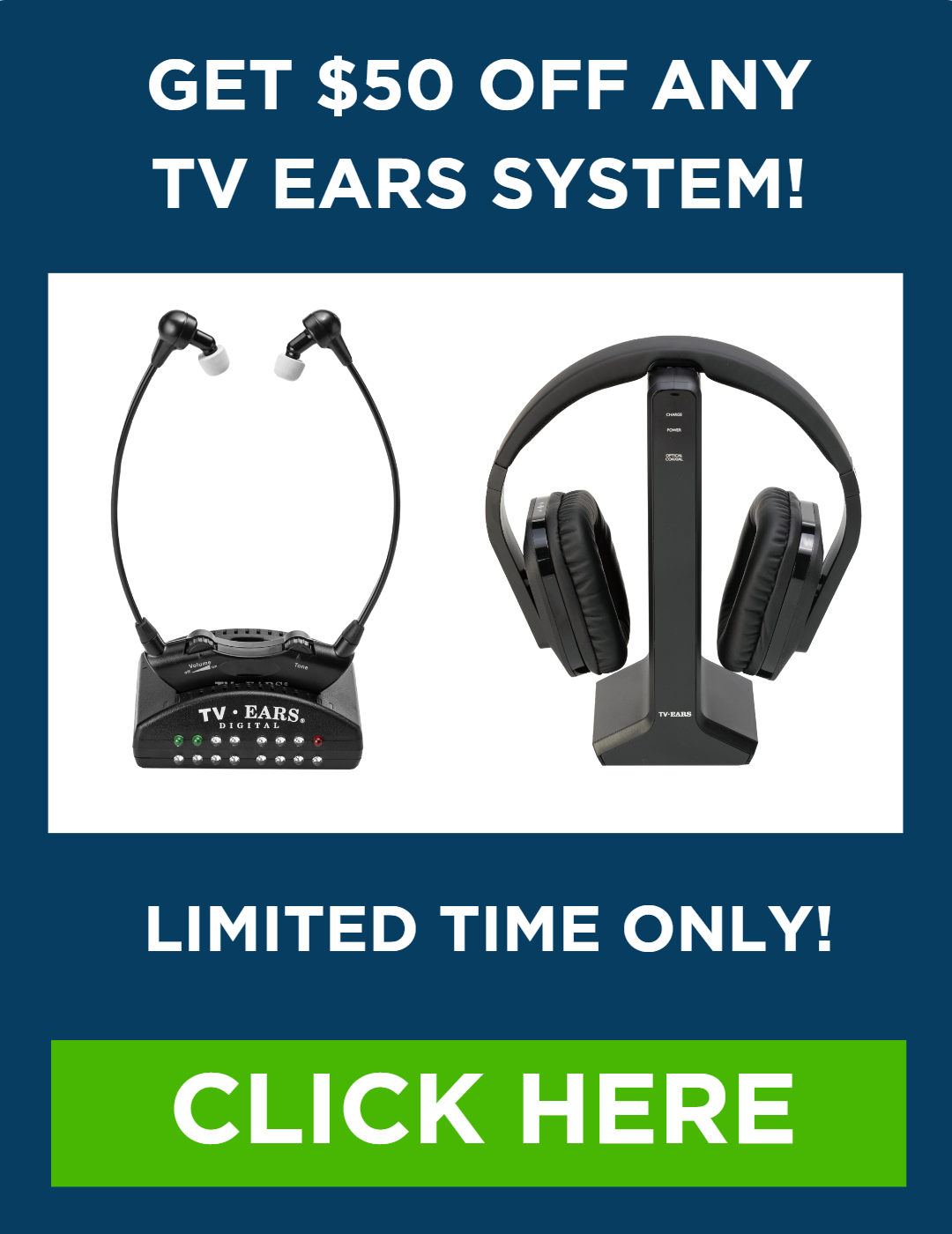
TV Ears is a name many people trust, especially those dealing with hearing loss. The system’s standout feature is that it lets you control your own volume right at your headset, separate from the TV’s main volume. This is perfect for watching with family or friends. As audiologist Dr. Ben Thompson explains in a helpful review, TV Ears are designed to pull speech forward and reduce background noise, making dialogue much easier to understand. While some find the under-the-chin headset design a bit bulky, its ability to clarify sound makes it a top contender for anyone who struggles to follow conversations on screen.
Sennheiser RS 195 RF System
If you’re looking for exceptional sound quality and a comfortable over-ear fit, the Sennheiser RS 195 is a fantastic choice. These wireless headphones give you the freedom to move around the room without being tied to the TV. What makes them particularly great for seniors is the dedicated dialogue enhancement feature. With the press of a button, you can adjust the audio to make voices clearer and more prominent, which is a huge help during movies or shows with a lot of background music and sound effects. The soft, padded earcups also make them comfortable enough to wear for hours on end.
Insignia NS-HAWHP2
You don’t have to spend a lot to get a better TV audio experience. The Insignia NS-HAWHP2 headphones are a solid, budget-friendly option that gets the job done without any fuss. They are known for being lightweight and comfortable, so you can easily wear them through a long movie or binge-watch your favorite series without discomfort. The setup is incredibly straightforward—you can connect them directly to your TV without needing to sort through complicated settings or menus. For a simple, effective, and affordable solution, these headphones are hard to beat.
Shokz OpenFit 2
For something a little different, the Shokz OpenFit 2 uses bone conduction technology. Instead of covering your ears, these headphones rest just in front of them, sending sound vibrations through your cheekbones directly to your inner ear. This unique open-ear design means you can hear the TV perfectly while still being completely aware of what’s happening around you. You won’t miss the phone ringing or a loved one calling your name from another room. They are incredibly lightweight and comfortable, making them a great choice if you dislike the feeling of traditional headphones.
Sennheiser TV Clear Set 2
The Sennheiser TV Clear Set 2 is another product designed specifically with TV listeners in mind. These earbuds deliver high-quality, clear audio directly to your ears. The system comes with a small transmitter that you plug into your TV, which sends the sound wirelessly to the earbuds for a stable, seamless connection. Users often praise the exceptional dialogue clarity, which makes it easy to follow along with any program. If you prefer a more discreet, in-ear style over bulky over-ear headphones, this set offers a powerful and comfortable alternative.
Sony WH-CH700N
If you want a pair of headphones that can do it all, the Sony WH-CH700N is a versatile option. While not exclusively for TV, their excellent noise-cancellation feature is a major plus. It helps block out distracting background sounds in your home, allowing you to focus completely on your show. As wireless headphones, they offer a long battery life, so you won’t have to worry about them running out of power mid-movie. Their comfortable over-ear design makes them great for long viewing sessions, and you can also pair them with your phone or tablet.
Bose QuietComfort 35 II
Known for their best-in-class noise cancellation, the Bose QuietComfort 35 II headphones are a premium choice for an immersive TV experience. They are masters at silencing distractions, from the hum of an air conditioner to conversations in the next room. This allows the TV audio to come through with incredible clarity and richness. These wireless headphones are also famous for their comfortable and lightweight fit, which is ideal for extended wear. With a long battery life and simple controls, they provide a top-tier listening experience that makes every show feel like a trip to the movies.
Beyond Headphones: Other Ways to Hear the TV
While dedicated TV headphones are a fantastic solution, they aren’t the only option available for making television audio clearer. You might even own a device that can help right now. From using your everyday Bluetooth headphones to upgrading your room’s speaker setup, there are several different paths you can take to a better listening experience. Exploring these alternatives can help you find the perfect fit for your specific needs, your home, and your budget. Let’s walk through some of the most common and effective ways to hear your TV better without reaching for a specialized headset.
Using Your Existing Bluetooth Headphones
If you already own a pair of Bluetooth headphones you love, you may be able to connect them to your television. Many modern smart TVs have built-in Bluetooth capability, allowing you to pair your headphones directly through the settings menu. For older or non-smart TVs, you’ll need a small device called a Bluetooth TV adapter. This gadget plugs into your TV’s audio output port and transmits the sound wirelessly to your headphones. While this is a convenient option, be aware that some Bluetooth connections can have a slight audio delay, causing the sound to be out of sync with the actors’ lips on screen.
Streaming Directly to Bluetooth-Enabled Hearing Aids
For those who wear hearing aids, modern technology offers a wonderfully seamless solution. Many of today’s hearing aids are equipped with Bluetooth, allowing them to stream audio directly from your TV. This often requires a small accessory called a TV streamer, which is a device that connects to your television and sends the audio signal directly to your hearing aids. The biggest advantage of this setup is that you can hear the TV dialogue clearly while still remaining aware of your surroundings, so you can chat with family during a show without missing a thing. It’s a personalized listening experience that integrates perfectly with the hearing support you already use.
Non-Wearable Solutions: Soundbars and Personal Speakers
If you prefer not to wear anything on your head or in your ears, a soundbar could be the answer. A soundbar is a long, thin speaker that sits in front of your TV and provides a significant audio upgrade over the television’s built-in speakers. Many models have features specifically designed to enhance dialogue clarity, making voices sound crisper and easier to distinguish from background noise. This is a great solution for the whole family, as it improves the sound for everyone in the room. It helps end the volume wars by making the audio clearer at lower volumes, creating a more pleasant viewing environment for all.
Personal Sound Amplification Products (PSAPs)
Personal Sound Amplification Products, or PSAPs, are wearable devices that amplify sound but are different from hearing aids. While hearing aids are Class I medical devices customized to a person’s specific hearing loss, PSAPs are designed for people with normal hearing who want to amplify sounds in certain situations, like bird watching or listening to a distant speaker. These devices come in various styles, from small earpieces to headsets, and often include volume controls. It’s important to understand the distinction between PSAPs and hearing aids, as PSAPs are not intended to correct or compensate for hearing impairment.
What Makes a Great Pair of TV Headphones?
Finding the right TV headphones isn’t just about turning up the volume. It’s about finding a tool that makes watching television enjoyable and stress-free again for everyone in the room. If you’ve ever found yourself in a “volume war” with family members, you know how frustrating it can be. One person needs it louder to catch the dialogue, while for everyone else, the sound is blasting. The right personal listening device ends that conflict, creating a more peaceful and pleasant shared space. When you’re looking for the perfect pair, certain features matter more than others, especially when clarity and comfort are top priorities. A great set of TV headphones should feel like it was designed just for you, blending seamlessly into your daily routine. From the moment you unbox them to when you settle onto the couch for your favorite show, the experience should be simple and satisfying. Think of it as getting a personal volume control for your own ears, so you can hear every word perfectly without disturbing anyone else. Let’s walk through the key things to consider to make sure you choose a pair that truly meets your needs and brings harmony back to your living room.
Prioritize Crystal-Clear Dialogue
Have you ever turned the volume up during a movie only to find the explosions get louder, but you still can’t understand what the actors are saying? This is a common frustration, and it’s where the right headphones make a huge difference. The goal isn’t just loudness; it’s clarity. Look for headphones that are specifically designed to enhance and clarify voices. This technology separates speech from background noise and music, lifting the dialogue so it’s crisp and easy to follow. This means you can finally stop relying on subtitles and catch every witty remark and important plot point without straining to hear.
Look for All-Day (and All-Night) Comfort
If you’re settling in for a movie marathon or binge-watching a new series, the last thing you want is a pair of headphones that pinches your ears or feels heavy on your head. Comfort is absolutely essential. The best TV headphones are lightweight and designed for long-term wear. Look for features like soft, cushioned earpieces and an adjustable headband that provides a snug but gentle fit. Some people prefer over-ear styles, while others find under-the-chin headsets, which don’t mess with your hair or glasses, to be the most comfortable option. Whatever your preference, make sure they feel good enough to wear for hours on end.
Find a Wearing Style That Suits You
Just as important as sound quality is how the headphones feel while you’re wearing them. The most common styles are over-ear headphones that cup your ears, in-ear buds that fit inside, and under-the-chin headsets that rest lightly below your jawline. Each has its own benefits, and the right choice often comes down to personal preference. Over-ear models are great for blocking out room noise, but some people find them bulky or warm after a while. In-ear styles are discreet, but not everyone likes the feeling of something in their ear canal. Under-the-chin designs, like those from TV Ears, are often preferred because they are incredibly lightweight and won’t mess up your hair or interfere with glasses, making them a comfortable pick for hours of viewing.
Neckloops for T-Coil Compatibility
If you wear hearing aids, you might have a powerful feature you’re not even using: a telecoil, or T-coil. A T-coil is a tiny receiver inside many hearing aids that picks up sound from a compatible sound system. A neckloop is a device you wear around your neck that takes the audio from your TV and creates a personal sound field, sending the sound directly to your hearing aids. This gives you a crystal-clear audio feed without having to wear a bulky headset over your hearing aids. It’s a fantastic, lightweight solution that allows you to use the custom programming of your own hearing aids to hear the TV perfectly, while still being able to understand hearing loop technology and stay aware of what’s going on around you.
Demand a Long Battery Life and Wireless Range
Wireless headphones give you the freedom to move around without being tethered to the television. You can get up to grab a drink from the kitchen or let the dog out without missing a single word of your show. But that freedom is only useful if the battery lasts. Look for headphones with a long battery life—many great options offer dozens of hours on a single charge. Even better, many systems come with a convenient charging base. When you’re done watching, you simply place the headset on the transmitter, and it will be fully charged and ready for your next viewing session.
Insist on Simple, Intuitive Controls
Technology should make life easier, not more complicated. The best TV headphones for seniors are straightforward and intuitive right out of the box. You shouldn’t have to fumble with tiny, confusing buttons or navigate complex menus just to watch TV. Look for a simple design with easy-to-use controls, like a large, accessible volume dial. The focus should be on a “plug-and-play” experience. A great pair of headphones will let you spend less time figuring out technology and more time enjoying your favorite programs.
Check for Hearing Aid Compatibility
If you wear hearing aids, you might wonder how headphones will fit into the picture. It’s a valid concern, but rest assured, many TV listening systems are designed with hearing aid users in mind. Some over-the-ear headphones are roomy enough to fit comfortably over your hearing aids. An even better option for many is the under-the-chin “stethoscope” style, which directs sound straight into your ear canal without interfering with behind-the-ear devices. This allows you to get the clear TV audio you need while wearing your hearing aids as you normally would.
Make Sure the Setup Is Hassle-Free
Getting started with your new headphones should be a breeze. The last thing anyone wants is to spend an afternoon wrestling with a complicated setup process. Many of the most user-friendly TV headphones use Radio Frequency (RF) technology. This typically involves plugging a small transmitter base into your TV’s audio-out port and then turning the headphones on. It’s that simple. This approach avoids the often-finicky process of Bluetooth pairing, which can involve searching for devices and entering codes. A hassle-free setup means you can go from unboxing to watching your show in just a few minutes.
Decoding the Tech: What You Need to Know
When you start looking for TV headphones, you’ll run into a lot of technical terms. But don’t worry—you don’t need to be an expert to understand the basics. The most important thing is knowing how different technologies affect your viewing experience, especially when it comes to hearing dialogue clearly and keeping the sound perfectly synced with the picture on screen.
Most dedicated TV headphones use a specific type of wireless technology that’s different from the standard headphones you might use with your phone. They are designed with one job in mind: delivering clear, uninterrupted sound from your television directly to your ears. Understanding a few key concepts will help you see why these specialized systems are often the best choice for a better TV experience, allowing you to finally catch every word without cranking up the volume for the whole room.
RF vs. Bluetooth: What’s the Difference?
Most wireless headphones you see today use Bluetooth to connect to devices like your phone or tablet. It’s great for music on the go, but it can have a slight delay when used for TV. You might notice the actors’ lips moving just a fraction of a second before you hear their words. This is called latency. To solve this, many of the best wireless TV headphones use Radio Frequency (RF) technology instead. RF systems have much lower latency, which means the sound and video stay perfectly in sync, giving you a more natural and enjoyable viewing experience.
How Digital Processing Clarifies Sound
For many people with hearing loss, the problem isn’t just volume—it’s clarity. Muffled dialogue, background music, and sound effects can all blend, making it hard to follow the conversation. This is where digital sound processing comes in. Specialized TV headphones don’t just make everything louder; they intelligently clarify speech by separating it from other noises. This technology isolates and enhances vocal frequencies, making words crisp and clear. It’s a feature designed specifically for those with mild to moderate hearing loss who want to understand dialogue without losing the richness of the show’s other sounds.
How Base Stations Give You a Stable Connection
Unlike Bluetooth headphones that pair directly with a device, most dedicated TV headphones come with a transmitter base station. Think of this small box as a personal radio station for your TV. You simply plug the base into your television’s audio output port, and it wirelessly sends the sound directly to your headphones. This setup is incredibly straightforward and reliable. You don’t have to fuss with complicated pairing menus or worry about the connection dropping. It’s a simple, plug-and-play solution that provides a strong, consistent signal every time you turn on the TV.
Avoiding That Annoying Audio Lag
The combination of RF technology and a dedicated base station is the secret to eliminating that frustrating audio lag. Because the system creates a direct link between your TV and your headphones, the sound is transmitted instantly. This ensures that what you see and what you hear are always perfectly matched. Another benefit of this setup is its wide compatibility. These systems work with almost any television, even older models that don’t have Bluetooth. Some systems even allow you to connect multiple headphones to a single base station, so two people can listen at their own preferred volume.
Common Bluetooth Limitations to Consider
Bluetooth is fantastic for listening to music on your phone or taking calls on the go, but it wasn’t originally designed for watching television. When you try to use standard Bluetooth headphones for your favorite shows, you might run into a few frustrating issues that can disrupt your viewing experience. These common problems are exactly why many dedicated TV listening systems use a different kind of technology to ensure you get the best possible sound without any of the headaches.
Single Device Connection Limits
One of the most common hassles with Bluetooth headphones is that they can typically only connect to one device at a time. If your headphones are paired with your TV and your phone rings, you can’t just switch over seamlessly. You often have to go through the process of disconnecting from the television and then connecting to your phone. Once the call is over, you have to repeat the process in reverse. This constant pairing and unpairing can be a real nuisance, especially when all you want to do is relax and watch a show without interruption.
Potential for Sound Delay or Echo
Have you ever noticed that an actor’s lips are moving slightly out of sync with their words? This distracting delay, known as latency, is a frequent issue with Bluetooth when used for TV. To solve this, many of the best wireless TV headphones use Radio Frequency (RF) technology, which offers a connection with much lower latency. Because RF systems use a dedicated transmitter base connected directly to your TV, the audio is sent instantly to your headphones. This creates a stable, direct link that keeps the sound and video perfectly synchronized, giving you a more natural and enjoyable viewing experience without that annoying lag.
What Can You Get for Your Money?
Finding the right TV headphones is a personal decision, and your budget plays a big role. The good news is that you don’t have to spend a fortune to get a great listening experience. A higher price tag often comes with more advanced features, but that doesn’t always mean it’s the best choice for you. It’s all about finding that sweet spot where price, comfort, and performance meet your specific needs.
Think of it this way: the goal is to find a solution that makes watching TV enjoyable again, without causing financial stress. Whether you’re looking for a simple, budget-friendly option or are ready to invest in a top-of-the-line system, there’s something out there for you. To make it easier, I’ve broken down some of the best alternatives into three common price ranges. This way, you can see what to expect from each tier and decide where you feel most comfortable starting your search.
Best Budget-Friendly Picks (Under $100)
You can absolutely find a quality pair of TV headphones without breaking the bank. This price range is perfect if you’re looking for a straightforward solution that gets the job done. These models focus on the essentials: clear sound and a simple setup.
A great example is the Avantree HT4186. It’s an in-ear neckloop style that’s praised for being affordable and incredibly easy to set up. What’s especially handy is its Bluetooth capability, which means you can use it for more than just the TV—it can connect to your phone or tablet, too. For an entry-level price, you get a versatile device that can make a real difference in sound clarity.
Mid-Range All-Stars ($100-$250)
This mid-range category is where you’ll find an excellent balance of advanced features, enhanced comfort, and overall value. If you spend a lot of time watching TV, investing a little more can pay off in long-term comfort and convenience.
For instance, the Insignia NS-HAWHP2 is known for its soft, padded earcups, making it a fantastic choice for long movie nights or binge-watching your favorite series. Another standout is the Avantree Duet, which comes with two separate headphones. This is a brilliant solution for couples, as each person can set their own volume. It also has a “pass-through” feature, so you can still hear your partner even with the headphones on. Options in this range often provide the best wireless TV headphones experience for most people.
Premium Sound for the Ultimate Experience ($250+)
If you’re looking for the best possible sound quality and are willing to invest in a premium experience, this is the category for you. These headphones offer superior audio engineering, advanced customization, and high-end materials for maximum comfort.
The Sennheiser RS 195 is a top contender, celebrated for its crystal-clear sound and a special setting that lets you adjust for speech clarity—a game-changer for understanding dialogue. For those who prefer earbuds, the Sennheiser TV Clear Set 2 delivers excellent sound without making you feel cut off from your surroundings. It even has Bluetooth for taking phone calls. These headphones for hearing loss are an investment in a truly personalized and high-fidelity listening experience.
How to Be a Smart Shopper
Once you’ve narrowed down your options, the next step is making the purchase. But buying a new piece of tech involves more than just clicking “add to cart.” You want to feel good about where your money is going and know that you’re getting a quality product with the support you need. It’s about finding the right balance of price, reliability, and peace of mind. From finding trustworthy retailers to understanding the fine print on warranties and return policies, a little bit of prep work can make a huge difference. Let’s walk through the key things to look for so you can buy your new TV headphones with total confidence and avoid any surprises down the road.
Finding a Reputable Retailer
The best place to start your search is often directly with the manufacturer, like us here at TV Ears. Buying direct ensures you’re getting an authentic product and the best access to customer support. However, major electronics retailers are also excellent options. Stores like Best Buy carry a variety of brands and often have floor models you can see in person. Their staff can answer questions, and they offer reliable delivery or in-store pickup. While online marketplaces can have good deals, stick to authorized sellers to avoid counterfeit products. Shopping from a trusted source means you’re not just buying headphones; you’re buying the assurance that help will be there if you need it.
How to Find the Best Deals
You don’t have to pay full price to get a great pair of TV headphones. Keep an eye on the manufacturer’s website, as brands often run their own sales or offer discounts for signing up for their newsletter. You might find bundle deals that include accessories like an extra battery or charging station, which can be a great value. It’s also worth checking prices around major holidays like Black Friday or Mother’s Day. If you’re comfortable with it, you can also find new and used headphones on sites like eBay, but be sure to buy from a seller with a high rating and a clear return policy.
Why You Should Always Check the Warranty
A good warranty is your safety net. Before you buy, always check the length of the warranty and what it covers. Most reputable brands offer at least a one-year warranty that protects against manufacturing defects. This is a sign that the company stands behind its product quality. Read the details to see if it covers both parts and labor. Some companies may even offer an extended warranty for a small fee. Knowing your headphones are protected for a reasonable amount of time provides valuable peace of mind, ensuring your investment helps you enjoy TV for years to come.
Understanding the Return Policy Before You Buy
Even with all the research in the world, you might find that a pair of headphones just isn’t the right fit for you. That’s why a flexible return policy is so important. Before purchasing, look for the return window—30 days is a common standard and gives you plenty of time to test the headphones with your TV and hearing needs. Check if there are any restocking fees and whether the company offers free return shipping. A hassle-free return process shows that a company is confident in its product and prioritizes customer satisfaction, letting you make a choice without feeling locked in.
Does the Brand Offer Good Customer Support?
The best TV headphones are the ones you can actually use without a headache. Look for brands that prioritize a simple setup process and offer clear, easy-to-follow instructions. It’s also a great idea to see what kind of customer support is available. Does the company have a phone number you can call for help? Do they offer online chat or detailed video tutorials? Having accessible support is crucial, especially if you run into a snag. A company that makes it easy to get help is one that truly cares about its customers’ experience from the moment they open the box.
Getting Started With Your New Headphones
Getting a new piece of tech can feel a little intimidating, but the best TV headphones are designed with you in mind. They’re meant to be simple to set up and easy to use, so you can get back to your favorite shows without any fuss. Think of this as your friendly guide to getting started, keeping your headphones in great shape, and solving any little hiccups along the way. We’ll walk through everything you need to know to make sure your listening experience is exactly what you hoped for: clear, comfortable, and hassle-free.
Getting Started in Minutes
You don’t need to be a tech expert to set up your TV headphones. Most systems are designed to be straightforward, often involving a small transmitter base that you plug directly into your television. This base then sends sound wirelessly to your headphones, giving you the freedom to sit wherever you like without being tangled in cords. The whole process usually takes just a few minutes. Simply connect the base to the right port on your TV, plug it into a power source, and turn on your headphones. They should connect automatically, putting crystal-clear sound right where you want it.
How to Care for Your Headphones
To keep your headphones working perfectly for years, a little care goes a long way. Since you’ll likely be wearing them for long periods, look for a pair that feels comfortable, especially if you wear glasses or hearing aids. Many are designed to fit comfortably alongside these essentials. After you’re done watching, it’s a good habit to place them back on their charging base so they’re always ready for your next movie marathon. To keep them clean, simply wipe the earpieces and headband with a soft, dry cloth. This simple routine ensures they stay comfortable and deliver great sound every time.
Troubleshooting Common Issues
One of the most common frustrations with wireless audio is a delay between the actors’ lips moving and the sound you hear. This “lip-sync” issue often happens when using standard Bluetooth connections that aren’t optimized for TV. That’s why many of the best TV headphones use different technologies, like Radio Frequency (RF), to provide a seamless, real-time audio experience. If you ever notice issues like hissing, distorted voices, or a weak connection, it might be a sign of interference or a low battery. Start by making sure your headphones are fully charged and that there are no other electronic devices blocking the signal between the transmitter and your headset.
How to Check for TV Compatibility
Before you buy a new set of headphones, it’s a great idea to take a quick look at the back of your television. You’re looking for the audio output ports, which is how the sound will get from your TV to your headphones’ transmitter. Most TVs have a few common audio ports. You might see a 3.5mm headphone jack (the same kind on most phones and laptops), a squarish port for an optical digital-audio cable, or a pair of red and white RCA jacks. Checking for these connections beforehand guarantees you’ll have a compatible setup, making the process a breeze from the moment you open the box.
Using Headphones and TV Speakers at the Same Time
One of the biggest goals for many families is finding a way for one person to use headphones while everyone else listens to the TV speakers. This can be surprisingly tricky, as many televisions are designed to automatically mute their internal speakers the moment you plug something into the headphone jack or audio-out port. Thankfully, this is a well-known issue, and many specialized TV listening systems are designed to solve it. For example, systems like TV Ears are specifically engineered to work alongside your TV’s speakers. They allow the headphone user to adjust their own volume independently, so they can get the clarity they need while others in the room listen at a comfortable level. This feature is a core reason why many people recommend dedicated systems for shared viewing spaces, as it brings peace back to the living room.
Ready to Choose? Here’s How to Decide
Finding the right pair of TV headphones can feel like a big task, but it really comes down to what matters most to you. Think of it less like a technical challenge and more like finding the perfect, comfortable chair—it needs to fit you just right. The goal is to find a device that makes watching your favorite shows simple and enjoyable again. By focusing on a few key areas, you can confidently pick a pair that meets your hearing needs, fits your lifestyle, and doesn’t cause any setup headaches.
This guide will walk you through exactly what to look for. We’ll compare the most important features, talk about how to balance price with performance, and give you a simple checklist to take with you when you shop. Let’s get you set up with a pair of headphones you’ll love to use every day.
Comparing Our Top Picks Side-by-Side
When you start comparing models, you’ll see a lot of different features advertised. To cut through the noise, focus on what truly enhances the TV-watching experience for someone with hearing loss. The best wireless headphones for this purpose all share a few core qualities: they deliver clear, loud sound, are comfortable enough for long viewing sessions, are simple to set up, and don’t have that frustrating audio lag. Sound clarity is number one—you want to hear dialogue, not just muffled noise. Comfort is a close second, especially if you enjoy movie nights or binge-watching a new series. Finally, user-friendliness is key; you shouldn’t need an engineering degree to get your headphones working.
How to Balance Price and Performance
It’s tempting to just go for the cheapest option, but with TV headphones, what you pay for often translates directly to your daily experience. Cheaper models might lack the technology needed to truly clarify dialogue or may have a noticeable audio delay. When you’re looking at different TV headphones, think about four things: personal volume control, comfort, a simple setup, and the ability to still interact with others in the room. Investing a bit more in a pair that excels in these areas can make a world of difference. You’ll find that most specialized headphones designed for TV listening fall in the $100 to $200 range, which is a realistic budget for a quality device that will last.
Your Personal TV Headphone Checklist
To make your shopping process even easier, keep this simple checklist handy. Look for these features to ensure you’re getting a pair of headphones that will truly work for you.
- Clear and Loud Sound: Can you adjust the tone and volume to make voices stand out?
- No Sound Delay: The audio should sync perfectly with the actors’ lips on screen. Look for terms like “low latency.”
- Comfort: Are the earpads soft? Is the headset lightweight enough to wear for a few hours?
- Easy Setup: Does it connect with a simple base station, or is the process complicated?
- Long Battery Life: You don’t want your headphones dying in the middle of a movie.
- Good Wireless Range: Can you walk to the kitchen for a snack without losing the signal?
Related Articles
- Headphones for TV for seniors, 6 reasons you’ll love them
- Using Infrared TV Headphones for seniors with hearing loss – TV Ears® Official Store
- The Power of TV Hearing Devices for Seniors
- TV Headphones – TV Ears® Official Store
- TV Listening Tips for Older Adults with Hearing Loss – TV Ears® Official Store
Frequently Asked Questions
Will these headphones work with my older, non-smart TV? Yes, most likely. The great thing about dedicated TV headphones is that they don’t rely on your TV having modern features like Bluetooth. Instead, they connect to your TV’s audio output ports—like the red and white RCA jacks, the optical port, or a standard headphone jack. Nearly all televisions, even models from many years ago, have at least one of these options, making the setup process simple and widely compatible.
Can I still hear the doorbell or my spouse talking to me while wearing them? Absolutely. Many people worry about feeling cut off from their surroundings, and headphone designers have thought of this. Some models, like the under-the-chin “stethoscope” style or bone conduction headphones, are specifically designed to leave your ears open. This allows you to hear the TV clearly while still being completely aware of what’s happening in the room around you.
I already have Bluetooth headphones. Why would I need a special pair for the TV? While your regular Bluetooth headphones are great for music, they often aren’t the best choice for television. The main reason is a slight audio delay, which causes the actors’ lips to be out of sync with their words. Specialized TV headphones use Radio Frequency (RF) technology to eliminate that lag. They also have sound processing technology built-in that specifically clarifies dialogue, pulling voices forward from the background music and sound effects in a way most standard headphones can’t.
Do I have to take my hearing aids out to use these headphones? Not at all. Many TV listening systems are designed with hearing aid users in mind. Comfortable over-the-ear headphones are often large enough to fit completely over your hearing aids without any pressure. Another excellent option is the under-the-chin style, which delivers sound directly into your ear canal and doesn’t interfere with any behind-the-ear device you might be wearing.
Can my partner and I both use wireless headphones to watch the same show? Yes, this is a very common need and many systems offer a solution. Some brands sell sets that come with two separate headsets that connect to a single transmitter base. This allows both of you to listen at your own perfect volume without disturbing each other. Other systems allow you to purchase and add a second headset to your existing setup.