Watching your favorite show should be a relaxing escape, but it’s hard to enjoy when you’re straining to catch every word. You deserve a listening experience that’s tailored perfectly to your needs. This is where the idea of a “personal sound bubble” comes in, giving you complete control over your audio environment without affecting anyone else in the room. With a quality pair of amplifying headphones for TV, you can set the volume and tone to a level that is perfect for you. This allows you to hear every subtle whisper and piece of witty dialogue clearly, transforming a frustrating experience into an immersive one. This guide will help you find the right device to reclaim your TV time.
Key Takeaways
- Prioritize Voice Clarity Over General Volume: The best amplifying headphones don’t just turn everything up; they specifically isolate and enhance dialogue. Look for models with voice-clarifying technology to make conversations crisp and clear, so you can follow the plot without getting blasted by sound effects.
- Match the Headphones to Your TV and Your Comfort: Before you buy, take a quick look at the back of your TV to identify its audio ports (e.g., Optical, RCA) to ensure a simple setup. Just as important, choose a lightweight design that you’ll forget you’re even wearing during a long movie.
- Use Your TV’s Built-In Audio Settings: Your headphones will work even better when paired with your TV’s own sound features. Go into your television’s audio menu and activate settings like “Clear Voice” or “Dialogue Enhancement” to give your new headphones the best possible sound signal to amplify.
What Are Amplifying Headphones for TV?
Ever find yourself constantly reaching for the volume remote, trying to find that sweet spot where you can understand the dialogue without the background music becoming overwhelming? You’re not alone. Modern shows and movies often have complex sound mixing that can make conversations hard to follow. That’s where amplifying headphones for TV come in.
Think of them not just as headphones, but as personal sound clarifiers. Unlike standard headphones that simply make everything louder, these specialized devices are engineered to enhance sound clarity, particularly for voices. They are designed to help you enjoy your favorite shows without disturbing others in the room.
The real beauty of these headphones is the creation of a “personal sound bubble.” You get to control your own volume and tone, tailored perfectly to your hearing needs. This means you can catch every whisper and witty one-liner, while your family or friends can listen at a volume that’s comfortable for them. It’s a simple solution that can bring peace back to the living room and make movie night enjoyable for everyone again.
How Do They Work?
The magic behind most amplifying headphones is a feature often called voice-clarifying technology. This smart tech works to separate speech from distracting background noise, like music or sound effects, and then enhances the frequencies of the human voice. The result is dialogue that sounds crisp and clear, rather than muffled or lost in the mix.
Most of these systems are wireless, connecting to your TV through a small transmitter base. This base plugs into your TV’s audio output and sends the sound directly to your headphones using either Bluetooth or Radio Frequency (RF) signals. If your TV doesn’t have built-in Bluetooth, don’t worry. You can easily find an adapter that plugs into your TV’s audio port, giving you a simple and effective wireless connection.
Who Are They For?
Amplifying headphones are particularly helpful for anyone with hearing loss who finds it difficult to follow TV dialogue. They offer a straightforward way to improve your TV sound without the complexity or cost of some other assistive listening devices. If you’re constantly asking, “What did they just say?” or find yourself reading captions more than watching the action, these headphones could be a perfect fit.
But they aren’t just for individuals with hearing loss. They’re for anyone who wants a more personalized and clear listening experience. They’re also a thoughtful solution for couples or families with different volume preferences. By allowing one person to listen at their ideal volume, everyone else in the room can enjoy the show at a lower, more comfortable level.
Key Features to Look For
Shopping for amplifying headphones can feel overwhelming with all the different models and features available. But once you know what to look for, finding the right pair becomes much simpler. The best headphones for watching TV aren’t just about making things louder; they’re about making them clearer.
Focusing on a few key areas will help you choose a device that truly improves your viewing experience. You’ll want to consider how the headphones process sound, how they feel after an hour or two, how they connect to your television, and how you’ll keep them charged. Let’s walk through the most important features to keep in mind.
Voice-Clarifying Technology
This is the most important feature to look for. True voice-clarifying technology separates dialogue from background noise, like music and sound effects, to make speech crisp and easy to understand. Instead of just turning up the volume on everything, this smart technology isolates and enhances spoken words. This means you can finally follow conversations in your favorite movies and shows without constantly asking, “What did they say?” It’s the difference between hearing the TV and actually understanding it.
A Comfortable, Lightweight Fit
Since you’ll likely be wearing your headphones for the length of a movie or a few episodes of a show, comfort is key. Look for lightweight designs that won’t feel heavy or bulky over time. Soft, cushioned eartips or earcups and an adjustable headband can make a huge difference in preventing soreness or pressure. The best amplifying headphones are designed for extended use. Whether you prefer a headset that rests gently in your ears or one that fits over them, the goal is to find a pair you’ll forget you’re even wearing.
Simple TV Compatibility
Before you buy, it’s a good idea to check the back of your television to see what kind of audio ports you have. Most amplifying headphones connect through common ports like an optical audio output, RCA (the red and white plugs), or a standard 3.5mm headphone jack. Knowing which connections your TV supports will ensure you can set up your new headphones without any frustrating surprises. The best models offer multiple connection options for greater flexibility, making them compatible with both older and newer TV sets.
Long Battery Life and Easy Charging
You don’t want your headphones to die in the middle of a suspenseful scene. Choose a pair with several hours of battery life on a single charge. Just as important is how you charge them. Many TV headphones come with a simple charging dock or base that also serves as the transmitter. This makes it incredibly easy to store your headphones and keep them powered up. Simply place the headset on the base when you’re done, and they’ll be ready for your next viewing session. This eliminates the hassle of fiddling with tiny charging cables.
Our Top Picks for Amplifying TV Headphones
Finding the right pair of headphones can completely change your TV-watching experience, turning muffled dialogue into crisp, clear conversations. We’ve looked at some of the best options available, focusing on what matters most: voice-clarifying technology, comfort for long viewing sessions, and simple setup. Whether you’re looking for a dedicated listening device or a versatile set of wireless headphones, this list has something to help you hear every word without cranking up the volume for the whole house.
TV Ears Original Wireless Headphones
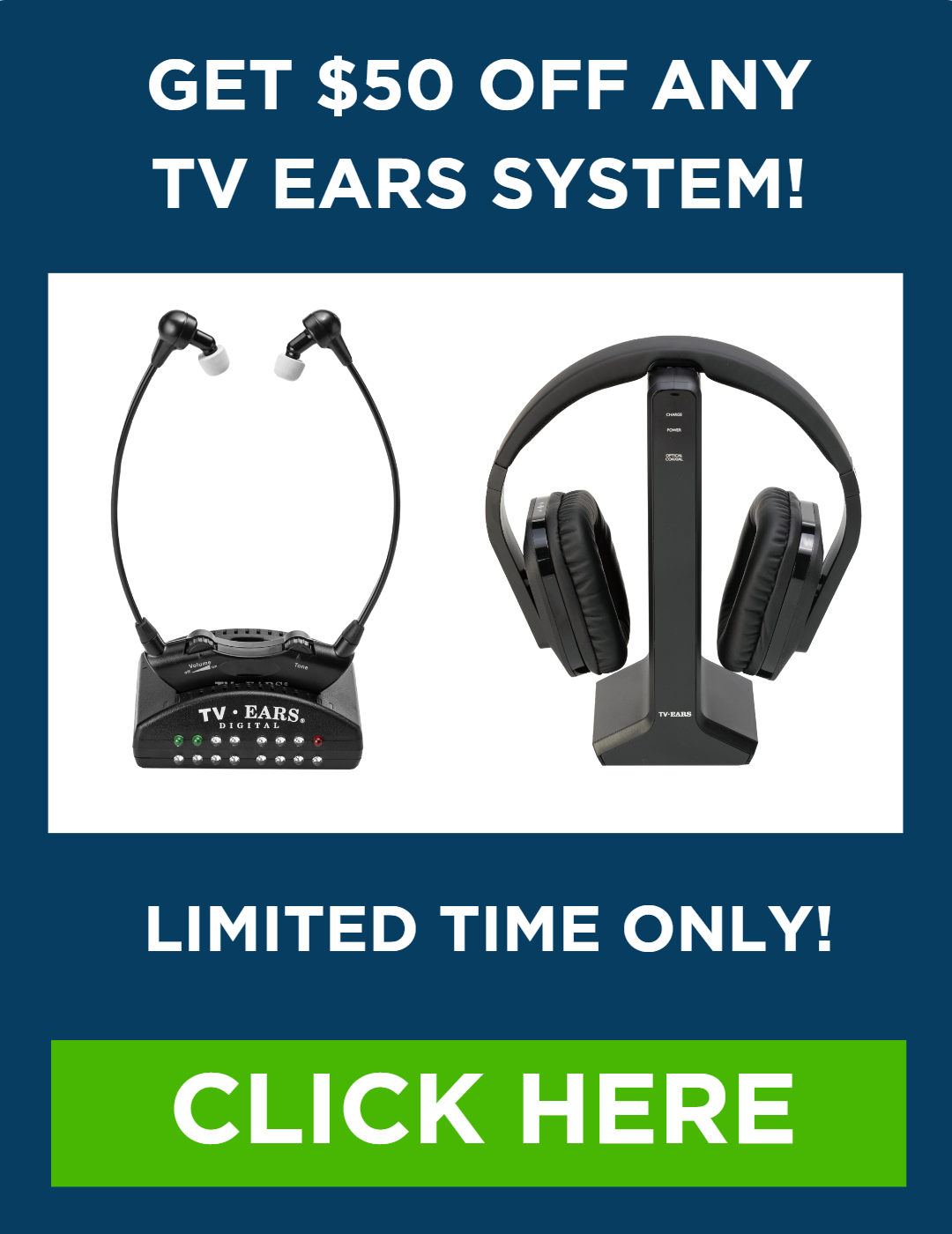
The TV Ears Original is a classic for a reason. It’s designed specifically to help people with hearing loss hear television dialogue clearly. Using Voice Clarifying Circuitry®, it actively amplifies human speech frequencies above other background sounds, so you can catch every whisper and witty comeback. This system uses a simple analog connection that’s reliable and perfect for most viewing spaces. Because it’s so effective and straightforward, it’s one of the top systems recommended by doctors to their patients who need a little help hearing the TV. It’s a no-fuss solution that gets the job done, allowing you to enjoy your favorite shows without straining to hear.
TV Ears Digital Wireless Headphones
For an even more advanced listening experience, the TV Ears Digital system is an excellent choice. It uses digital infrared technology to deliver crystal-clear audio directly to your ears, ensuring there’s no interference with other devices in your home. This system is twice as powerful as the Original and can clarify sound for those with mild to severe hearing loss. Many kits come with two headsets, making it a perfect solution for couples who want to watch TV together at their own preferred volumes. The headset is lightweight and designed to rest under your chin, so it won’t mess up your hair or feel uncomfortable during long movies. It’s a powerful, reliable way to make sure you never miss a moment.
Sennheiser RS 175 RF Wireless Headphones
Sennheiser is a big name in the audio world, and their RS 175 RF headphones live up to the reputation. These are a fantastic choice if you’re looking for exceptional sound quality combined with features that help with hearing loss. They use a radio frequency (RF) transmitter that provides a strong, stable connection with a long range, so you can grab a snack from the kitchen without losing audio. The headphones also feature a “Bass Boost” and “Surround Sound” mode, allowing you to customize the audio to your liking. This can help make dialogue stand out even more against loud music or action sequences, giving you a more immersive and understandable experience.
SIMOLIO Wireless TV Headphones
SIMOLIO’s wireless headphones are designed with the user in mind, focusing on solving the common problem of hearing the TV without disturbing others. They are known for being incredibly user-friendly and effective at amplifying sound. These headphones often include features like tone control, which lets you adjust the bass and treble to find the perfect balance for your hearing needs. This is especially helpful for clarifying higher-pitched voices that can sometimes get lost in the mix. They also have a mono/stereo option, which can be a game-changer for people with hearing loss in one ear. They are a solid, dependable choice for anyone looking for a straightforward audio enhancement solution.
Avantree HT41899 Wireless Headphones
The Avantree HT41899 headphones offer great versatility and are perfect for households where more than one person needs an audio solution. This set comes with two pairs of Bluetooth headphones that can connect to the same transmitter simultaneously. A standout feature is their low latency technology, which ensures the audio is perfectly synced with the video, eliminating that annoying lip-sync delay. They are also designed for comfort, with soft earpads and an adjustable headband, making them ideal for binge-watching your favorite series. The simple, plug-and-play setup makes them easy to use right out of the box, so you can get back to your shows without any technical headaches.
LEVN Wireless Headphones for TV
If you’re looking for a pair of headphones that can do it all, the LEVN Wireless Headphones are worth a look. They are praised for their impressive battery life, often lasting for dozens of hours on a single charge. What makes them truly flexible is their wide range of connectivity options. Whether your TV has Bluetooth, Optical, AUX, or RCA ports, these headphones can likely connect to it. This versatility removes the guesswork and ensures you won’t have trouble setting them up with your current television or any future models you might buy. They offer a reliable and long-lasting listening experience without needing to be recharged constantly.
How to Connect Your Headphones to the TV
Getting your new headphones connected to your television is usually a simple process. While it might seem technical at first, most systems are designed to be user-friendly. The right connection method depends on the type of headphones you have and the audio ports available on your TV. Whether you’re using a wireless Bluetooth pair or a dedicated TV listening system with a transmitter, you can be set up and listening in just a few minutes. We’ll walk through the most common ways to do this and cover a few common hiccups you might run into.
Connecting with Bluetooth
Many modern smart TVs come with Bluetooth built right in, allowing you to pair wireless headphones the same way you would with your phone. You can typically find this option in your TV’s settings menu, under a section for “Sound” or “Audio Output.” Just put your headphones in pairing mode, and your TV should be able to find and connect to them. If your TV doesn’t have Bluetooth, don’t worry. You can easily add this capability with a small, inexpensive Bluetooth transmitter. This device plugs into your TV’s audio output port and then wirelessly sends the sound to your headphones.
Setting Up an RF Transmitter
Many of the best amplifying TV headphones, including TV Ears, use a Radio Frequency (RF) transmitter base. This method is incredibly reliable and often provides a clearer, more stable connection than Bluetooth, with no audio lag. The setup is straightforward: the transmitter base plugs directly into your TV’s audio output port and also serves as a charging dock for your headphones. To connect it, you’ll typically use the red and white RCA audio output jacks on the back of your TV. Simply match the colored plugs to the corresponding jacks, and the transmitter will wirelessly send the TV audio directly to your headset.
Using an Optical Audio Cable
If you look at the back of a newer TV, you’ll likely see a small, square-shaped port labeled “Digital Audio Out” or “Optical.” This port provides a high-quality digital audio signal and is a great way to connect your headphone transmitter. An optical audio cable clicks securely into this port on your TV. The other end of the cable then connects to your headphone’s transmitter base. Some transmitters have a direct optical input, while others may require a small adapter to convert the signal for RCA inputs. These adapters are widely available and make it easy to connect your headphones for crystal-clear sound.
Solving Common Connection Problems
One of the most frequent issues people face is that the TV’s internal speakers automatically mute when headphones are connected. This can be frustrating if someone else in the room wants to listen at a normal volume. Many dedicated TV headphone systems, like TV Ears, are designed to work alongside your TV speakers, allowing for shared viewing. If you run into this issue, check your TV’s audio settings for an option to play sound through both the speakers and an external device simultaneously. If you consistently find yourself struggling to hear the TV, it could be a sign of hearing loss. It’s always a good idea to schedule a hearing test with a professional to better understand your hearing health.
TV Headphones vs. Hearing Aids: What’s the Difference?
It’s a common question, and the answer is simpler than you might think. The main difference comes down to purpose. Think of it like this: you might have a great pair of everyday glasses, but you still reach for reading glasses for up-close tasks. Similarly, TV headphones are specialists, while hearing aids are generalists.
Hearing aids are sophisticated medical devices designed to amplify sounds in all kinds of environments, from a quiet conversation to a busy restaurant. They are custom-programmed by an audiologist to match your specific hearing loss profile and help you through your entire day.
TV headphones, on the other hand, are designed for one job: making television audio crystal clear for you, without disturbing anyone else. They create a personal sound bubble, allowing you to turn your volume up as loud as you need. More importantly, the best ones use special technology to lift dialogue out from the background music and sound effects, so you can finally stop asking, “What did they just say?” They are a simple, focused solution for a very common problem.
When to Choose TV Headphones
If your hearing challenges are most noticeable when you’re in front of the television, TV headphones are an excellent solution. Are you constantly reaching for the remote to turn the volume up and down? Does the TV volume create tension between you and your family or partner? If this sounds familiar, a dedicated pair of TV headphones can make a world of difference. They directly address the issue of unclear dialogue and the need for high volume, letting everyone in the room enjoy TV together again. While it’s always a good idea to get your hearing checked if you suspect a problem, TV headphones offer an immediate and effective fix for TV-specific hearing struggles.
Can You Use Them with Hearing Aids?
Yes, absolutely. Many people use both. Most amplifying TV headphones are designed with an over-the-ear style that fits comfortably over behind-the-ear (BTE) hearing aids without causing feedback or whistling. This setup allows you to get the customized amplification from your hearing aid plus the direct, clear audio from the TV headphones. Some newer Bluetooth-enabled hearing aids can connect directly to smart TVs, but this can sometimes be tricky to set up. TV headphones offer a reliable, straightforward connection every time you sit down to watch your favorite shows, working seamlessly alongside your existing hearing aids to provide the best possible sound experience.
How Much Do TV Headphones Cost?
Finding the right pair of amplifying headphones for your TV doesn’t have to be complicated or expensive. The price can vary quite a bit, usually depending on the technology, features, and overall sound quality. The good news is that you can find a great solution at almost any price point.
To make your search easier, we can break down the options into three main price categories. This will help you understand what to expect from headphones in each range and decide which one is the best fit for your needs and budget.
Under $100: Budget-Friendly Options
You don’t need to spend a lot to get a huge improvement in your TV watching. In this price range, you can find excellent, reliable headphones that focus on the essentials, like clarifying dialogue and providing personal volume control. Brands like TV Ears specialize in creating affordable headphones designed specifically to help you hear the television clearly. These budget-friendly options are a fantastic starting point and prove that a better listening experience is accessible to everyone without a hefty price tag.
$100-$200: Mid-Range Models
This price range is often the sweet spot for many people, offering a great balance of performance, features, and cost. Here, you’ll find a wide selection of popular amplified headphones for TV that have earned thousands of positive reviews. These models often include upgrades like better battery life, more comfortable designs for long-term wear, and enhanced sound quality. If you watch TV regularly and want a dependable device with a few extra comforts, you’ll find plenty of fantastic choices in this category.
Over $200: Premium Choices
If you’re looking for the best possible sound experience, investing in a premium model is the way to go. Headphones in this category offer advanced features for superior audio quality and convenience. You can expect things like long-range transmitters that let you listen from anywhere in your home and multiple sound-profile settings to match your hearing needs. Companies like TV Ears provide these high-end systems, which are built to deliver an exceptional and personalized auditory experience, making them a worthwhile investment for the serious TV viewer.
Where to Find the Best Deals
Once you have an idea of what you’re looking for, the next step is finding the right place to buy. A little smart shopping can help you find a great price on the perfect pair of headphones. Depending on whether you prefer to shop online or in person, you have several excellent options for finding quality headphones that fit your budget.
Check Online Retailers
Online marketplaces are a great place to start your search because they offer a huge variety and competitive prices. Websites like Amazon give you access to dozens of different models all in one place, making it easy to compare features and prices side-by-side. Customer reviews are another major advantage, as you can read about the real-world experiences of other users. Look for comments on sound clarity, comfort during long periods of use, and how easy the headphones were to set up. Keep an eye out for seasonal sales events like Black Friday or Cyber Monday, which often bring significant discounts on electronics.
Buy Directly from the Brand
If you’ve got your eye on a specific brand, going directly to the manufacturer’s website is often your best bet. When you buy directly from a company like TV Ears, you can explore their entire product line, including bundles or accessories you might not find elsewhere. This is also the best way to ensure you’re getting an authentic product backed by a full warranty. Plus, their customer service teams are experts on their own products and can answer any specific questions you have to make sure you’re getting the right fit for your needs.
Shop at Local Electronics Stores
For those who prefer a more hands-on approach, visiting a local electronics store can be incredibly helpful. There’s nothing quite like trying headphones on to check for comfort and a secure fit before you commit to buying. At stores like Best Buy or even some specialized hearing centers, you can often test different models and ask knowledgeable staff for recommendations. This is a great option if you feel unsure about setting up the technology, as an associate can walk you through the process and help you find a pair that’s easy to connect to your TV.
How to Get the Most from Your Headphones
Once you’ve chosen the right pair of headphones, a few simple adjustments and habits can make a world of difference in your listening experience. Think of it like finding the perfect comfortable chair—a little tweaking ensures you get the maximum benefit. Taking a few moments to optimize your setup and care for your device will ensure you get crisp, clear sound for years to come. It’s all about making sure your technology works for you, not the other way around. These small steps will help you hear every word of your favorite shows without any fuss.
Tips for the Best Sound Quality
Your headphones are powerful, but they work in partnership with your television. To get the clearest dialogue, start by exploring your TV’s audio menu. Many modern TVs have settings specifically designed to make voices stand out. Look for options like “Clear Voice,” “Speech Boost,” or “Dialogue Enhancement.” Activating one of these can instantly make conversations easier to follow. If you’re comfortable with more advanced options, some TVs let you adjust the sound formats to emphasize the center speaker, which is where most dialogue comes from. This simple tweak can reduce distracting background noise from music and sound effects, putting the focus right where you want it: on the conversation.
How to Care for Your Headphones
A little maintenance goes a long way in keeping your headphones in top condition. For daily upkeep, simply wipe them down with a soft, dry cloth to remove any dust or oils. If you notice any debris in small crevices, a small, soft brush can gently clear it away. For headphones with removable silicone eartips, like those from TV Ears, you can perform a deeper clean by washing the tips with mild soap and water. Just be sure they are completely dry before reattaching them. When you’re not using your headphones, store them in a cool, dry place, preferably inside a protective case to prevent damage. This protects them from dust, moisture, and accidental drops.
Related Articles
- 5 Best Hearing Amplifier Headphones for Every Need
- 7 Best Headphones for TV Watching in 2025
- TVenhance: Hear Every Word on Your TV Again
- 5 Best Headphones for Hearing Impaired TV Viewers
Frequently Asked Questions
How are these different from regular wireless headphones? Regular headphones make everything—music, sound effects, and dialogue—louder together. Amplifying TV headphones are specifically designed to separate speech from other background sounds. They use voice-clarifying technology to make conversations crisp and clear, so you can actually understand what characters are saying instead of just hearing a louder version of a jumbled audio mix.
Will using these headphones mute the TV for others in the room? This is a common concern, and the best TV headphone systems are designed to prevent this. Many, like those from TV Ears, connect in a way that allows the television’s speakers to continue playing sound for everyone else in the room. If you do run into this issue, it’s often a setting on your TV itself. You can usually go into your TV’s audio menu and select an option to play sound through both the speakers and the headphones simultaneously.
Do I need a new or “smart” TV to use these? Not at all. While some headphones use Bluetooth, which is common on smart TVs, most dedicated amplifying headphones connect through standard audio ports that have been on televisions for years. As long as your TV has an optical audio output, a headphone jack, or the red and white RCA audio jacks, you will be able to connect a transmitter base and enjoy clear sound.
Can I wear these headphones at the same time as my hearing aids? Yes, you absolutely can. Most amplifying headphones are designed to be worn comfortably with hearing aids, especially the behind-the-ear style. Headsets that rest under your chin or have large, cushioned earcups fit easily without causing interference or feedback. This allows you to benefit from both your hearing aid’s customized amplification and the direct, clear audio feed from the headphones.
How far away from the TV can I be and still hear the sound? The range depends on the type of wireless technology the headphones use. Models that use Radio Frequency (RF) signals, like many dedicated TV listening systems, typically have a very long range, often up to 100 feet. This allows you to move freely around your living room or even walk into the kitchen without losing the audio signal. Bluetooth headphones usually have a shorter range, typically around 30 feet.