When the TV volume becomes a source of household tension, you know it’s time for a real solution. Turning it up often makes everything louder—explosions, music, and sound effects—while the dialogue you’re trying to hear remains muffled. You need clarity, not just volume. But with so many options from brands like Sennheiser, Sony, and Avantree, how do you choose the right device? This guide is designed to cut through the noise. We’ll explore the key differences between headphones built for immersive sound and those engineered specifically for voice clarification. Our in-depth TV Ears comparison to top TV headphone brands 2025 will break down everything from sound technology to long-term comfort, helping you find the perfect fit to restore peace to your living room.
Key Takeaways
- Seek Out Voice Clarification, Not Just Higher Volume: The best TV listening devices don’t just turn everything up; they use special technology to separate dialogue from background noise, making conversations crisp and easy to follow.
- Comfort and Ease of Use are Non-Negotiable: You’ll be wearing your device for hours, so look for a lightweight design that won’t cause fatigue. A simple, plug-and-play setup also means you’ll spend more time watching and less time troubleshooting.
- Choose a Specialist for a Specific Problem: While many headphones offer great all-around sound, a device engineered specifically for hearing loss provides a targeted solution. If your main goal is to understand dialogue, a specialized system will likely serve you better than a general-purpose one.
How TV Ears Compares to the Competition
When you’re looking for a way to hear the TV better, you’ll find a lot of options out there, from standard headphones to complex sound systems. But not all solutions are created equal, especially when your main goal is to understand what the characters are saying. The key is to look past the volume knob and focus on features that directly address hearing challenges. While many brands offer wireless headphones, TV Ears is specifically engineered to clarify dialogue and provide a simple, comfortable listening experience.
To help you make an informed choice, let’s break down how TV Ears stacks up against the competition in the three areas that matter most: sound clarity, long-term comfort, and ease of use. We’ll look at the technology that separates a dedicated TV listening system from a regular pair of headphones and explore why a product designed for voice enhancement can make all the difference for your viewing enjoyment.
Voice Clarity vs. Standard Sound: What’s the Difference?
The biggest distinction between TV Ears and many competitors is the focus on voice clarity. Most standard headphones are designed to play all audio—music, sound effects, and dialogue—at the same level. If you just turn up the volume, the explosions and background music get louder right along with the voices, which doesn’t solve the problem. TV Ears uses Voice Clarifying Circuitry® to specifically target and amplify the frequencies of human speech, making dialogue crisp and easier to understand while toning down distracting background noise. This technology provides a much different experience than simply making everything louder.
Designed for Comfort: Can You Wear Them for Hours?
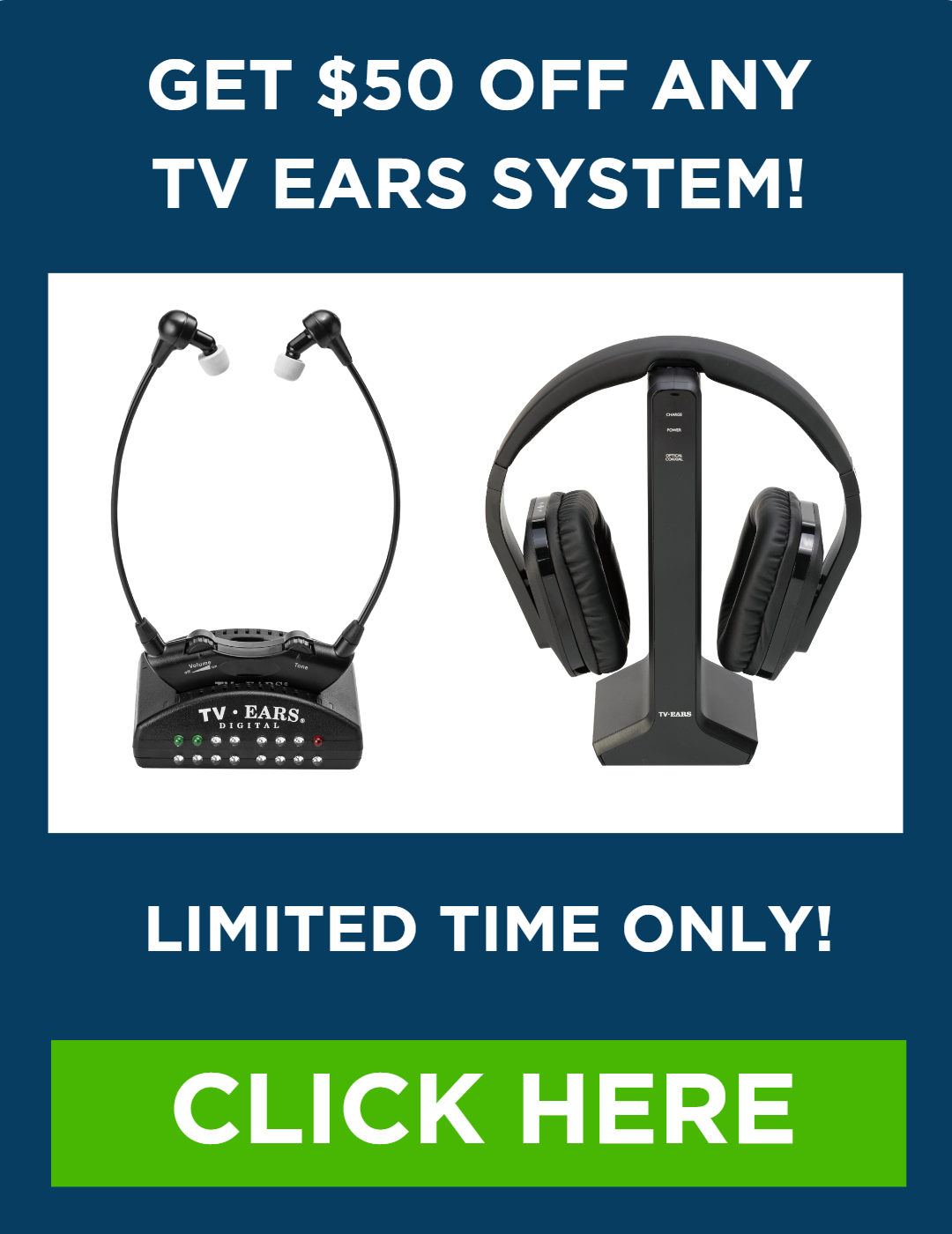
If you’re settling in for a movie or binge-watching a new series, comfort is non-negotiable. Many competitors, like the popular Sennheiser TV headphones, use a traditional over-ear or on-ear design that some users find heavy or warm after a while. TV Ears takes a different approach with its lightweight, under-the-chin headset style. These headsets rest gently in your ears without messing up your hair or interfering with glasses. Weighing only two ounces, they are designed for hours of wear, so you can focus on your show without being distracted by your listening device.
Wireless Freedom and Easy Setup
No one wants to deal with a complicated setup process. TV Ears and many top competitors use a transmitter base that connects directly to your television, providing a reliable, lag-free audio connection. Unlike standard Bluetooth headphones that can have a noticeable audio delay and require a frustrating pairing process, these dedicated systems use technologies like Radio Frequency (RF) to deliver sound in real-time. Many competitors, such as Avantree, are known for including all the necessary cables, and TV Ears also prioritizes a simple, plug-and-play experience right out of the box.
A Look at Price and Overall Value
When you’re trying to solve a frustrating problem like not being able to hear the TV, you want a solution that works without costing a fortune. Let’s break down how TV Ears fits into your budget and what kind of value you can expect.
What Do TV Ears Cost?
TV Ears systems are designed to be an affordable alternative to expensive hearing aids or complex home theater systems. The main goal is to give you a straightforward way to hear your television clearly. For millions of people, the real value comes from finally understanding dialogue again and ending the household arguments over a blaring TV volume. You can often find special offers that make the systems even more accessible, providing a simple path to getting the peace and clarity you’re looking for.
How Competitor Pricing Compares
It’s smart to see how TV Ears stacks up against other brands on the market. High-end TV headphones from companies like Sennheiser can be a bigger investment, with popular models often priced between $280 and $350. For that price, you’re getting advanced audio technology that might appeal to an audiophile. However, if your primary goal is simply to hear conversations on screen without them sounding muffled, you may not need all those extra features. TV Ears focuses on being a specialized, budget-friendly solution for voice clarity, setting it apart from many Sennheiser alternatives.
What You Get for Your Money
So, what does your investment in TV Ears actually deliver? Unlike standard Bluetooth headphones that can have a noticeable audio delay, TV Ears is a dedicated system. It uses a transmitter base that plugs into your TV, creating a reliable, lag-free audio connection directly to your headset. This means the words you hear will perfectly match the lips you see on screen. The best wireless TV headphones combine this kind of solid performance with long-wearing comfort and a simple setup process. That’s the core value of TV Ears: a product specifically engineered to make watching television enjoyable and stress-free again.
What Do Real Users Think?
Marketing materials can tell you a lot about a product, but the real story often comes from the people who use it every day. Diving into customer reviews gives you an unfiltered look at how TV listening systems perform in real-world living rooms. It’s where you’ll find honest feedback on everything from sound quality to comfort during a movie marathon. So, what are people actually saying about devices like TV Ears and their competitors? Let’s look at the common themes that pop up in user reviews.
How They Perform: Feedback on Reliability
When you’re settling in to watch your favorite show, the last thing you want is a device that cuts out or delivers fuzzy audio. Reliability is a huge factor for users, and feedback often centers on sound quality and connection stability. People want to know if the headphones will consistently provide the clear dialogue they promise. Positive reviews frequently highlight how a product transforms their TV experience by making voices crisp and easy to understand, even during scenes with loud background music. This consistent performance is what separates a good device from a great one in the eyes of real users.
What Users Love (and What They Don’t)
Across the board, simplicity is a huge win. Users consistently praise products that are easy to set up—think “plug-and-play” functionality that gets you listening in minutes. Another major point of satisfaction is comfort, especially for those who enjoy binge-watching. On the flip side, common complaints often involve clunky designs that become uncomfortable over time or complicated pairing processes. When weighing their options, many people compare different brands side-by-side, looking for the perfect balance of clear sound, lasting comfort, and overall value.
A Look at Common Pros and Cons
When you sift through reviews, a clear pattern of pros and cons emerges. On the pro side, users love the freedom to control their own volume without disturbing others. The ability to finally catch every word of dialogue is, of course, the biggest advantage. Common cons often relate to battery life, wireless range, and occasional audio lag. Some users also find that certain models don’t fit well with their glasses. The market offers a wide range of options, and finding the best TV headphones often means balancing advanced features with your specific needs for clarity and ease of use.
TV Ears vs. Sennheiser: Who Has Better Audio?
When you’re looking for a TV listening device, sound is everything. But “better audio” can mean different things to different people. Sennheiser is a giant in the audio world, known for creating high-fidelity headphones for music lovers. TV Ears, on the other hand, is a specialist, designed with one primary goal: making television dialogue crisp and understandable.
Think of it this way: Sennheiser builds headphones that reproduce the entire soundscape of a movie, from the soaring musical score to the deep rumble of an explosion. They aim for a rich, immersive experience. TV Ears focuses on isolating and clarifying the human voice, pulling it forward so you can follow the conversation without getting lost in the background noise. The best choice for you depends on whether you’re looking for a powerful sound system for your ears or a precise tool for understanding speech.
Comparing Their Sound Technology
The core difference between TV Ears and Sennheiser lies in their approach to sound. TV Ears uses its patented Voice Clarifying Circuitry®, a technology designed specifically to separate speech frequencies from background sounds. It actively reduces noise from music and sound effects while amplifying and clarifying dialogue. This means you hear the words clearly without having to crank up the overall volume. It’s a targeted solution for a very specific problem.
Sennheiser headphones are built for overall audio excellence. They use advanced technologies like Radio Frequency (RF) to deliver high-quality, lag-free sound across a wide spectrum. This is fantastic for experiencing a film’s detailed sound design. As a premium audio brand, their headphones are an investment, often priced significantly higher, reflecting the complex technology inside that’s meant to please discerning audiophiles.
Can You Customize Your Listening Experience?
Both brands let you tailor the sound, but they do it in very different ways. TV Ears prioritizes simplicity and ease of use. The headset has a straightforward volume dial that works independently from your television’s volume. There’s also a tone control that lets you adjust the audio to emphasize the higher-frequency sounds where speech clarity lives. It’s an intuitive system that you can set once and enjoy without any fuss.
Sennheiser models often provide more complex audio controls. You might find different listening modes for speech, music, or movies, as well as a balance control to adjust the volume for your left and right ears individually. While these features offer a high degree of personalization, they can also add a layer of complexity. If you just want to hear dialogue better without fiddling with settings, the simple and effective controls on TV Ears are hard to beat.
Which is More Comfortable for Binge-Watching?
If you’re settling in for a movie marathon or a full season of your favorite show, comfort is key. TV Ears headsets feature a unique, lightweight under-the-chin design. Weighing just two ounces, they rest gently below your ears and don’t interfere with your hair, glasses, or earrings. This “barely there” feeling makes them ideal for extended viewing sessions without causing pressure or heat around your ears.
Sennheiser offers a more traditional over-ear headphone experience. Many users praise their products for having a comfortable design with soft, cushioned earcups that enclose the ear. While this style is great for blocking out ambient room noise, the headphones are heavier and can sometimes feel warm after a few hours. Your choice here really comes down to personal preference: do you prefer a lightweight, open design or a plush, enclosing fit?
TV Ears vs. Sony: A Head-to-Head Feature Comparison
When you’re looking for a better TV listening experience, Sony is a name that probably comes to mind. They’re a giant in the audio world, known for high-quality headphones. But how do they stack up against a specialized device like TV Ears? While both can help you listen to the TV wirelessly, they’re designed with very different goals in mind. Sony focuses on creating an immersive, high-fidelity sound experience for everyone, while TV Ears is built from the ground up to solve one specific problem: making television dialogue clear and understandable, especially for those with hearing loss. Let’s break down the key differences so you can figure out which approach is the right one for you.
Tuning Out Noise vs. Tuning In Dialogue
The biggest difference between TV Ears and Sony headphones lies in how they handle sound. TV Ears uses something called Voice Clarifying Circuitry, a technology designed to do exactly what its name suggests. It actively separates speech from background noise, music, and sound effects in a TV show or movie. Then, it amplifies the dialogue, making it crisp and clear so you can follow conversations without straining. This is a game-changer if your main struggle is understanding what characters are saying.
In contrast, many popular Sony headphones are celebrated for their noise-cancellation and rich, immersive audio. They are some of the best wireless TV headphones for creating a cinematic experience. While they do an amazing job of blocking out room noise, they don’t specifically isolate and enhance dialogue. Their goal is to deliver all sounds—from explosions to whispers—with incredible detail, which might not help if spoken words are what you’re missing.
How Their Surround Sound Differs
If you love that movie-theater feeling, you’re probably familiar with surround sound. Sony headphones excel at creating this immersive experience, making you feel like you’re right in the middle of the action. Their technology is designed to deliver a wide, dynamic soundscape that fills the space around you. This is fantastic for action movies or nature documentaries where the ambient sounds are just as important as the narration.
TV Ears takes a different approach. Instead of focusing on traditional surround sound, its technology is all about delivering clear audio directly to your ears. The priority isn’t to make you feel like a helicopter is flying over your head, but to ensure you can hear the pilot’s every word. For someone with hearing difficulties, a complex surround sound mix can sometimes make dialogue even harder to decipher. TV Ears simplifies the audio, putting the focus squarely on the conversation.
Who Wins on Battery Life?
When it comes to staying powered up, there’s a clear difference between the two. A model like the Sony WH-1000XM5 boasts an impressive battery life of up to 60 hours on a single charge. This is a huge advantage if you enjoy binge-watching entire seasons of a show or simply don’t want the hassle of frequent charging. You can go for days, or even a week, without needing to plug them in.
TV Ears systems, on the other hand, typically offer around six hours of listening time per charge. While that’s more than enough for a few movies or an evening of your favorite shows, it does mean you’ll need to be more mindful of charging. The good news is that TV Ears headsets are designed to be placed back on their charging base after each use, so they’re always ready to go when you are. This TV Ears review covers the practical pros and cons, including the battery.
TV Ears vs. Avantree: Which is the Better Value?
When you’re looking for a way to hear the TV better, value is about more than just the price tag. It’s about getting the features you actually need without paying for extras you won’t use. Both TV Ears and Avantree offer great solutions, but they focus on different things. TV Ears is engineered from the ground up with one primary goal: making television dialogue crisp and understandable. It’s a specialized tool for a specific, common problem.
Avantree, on the other hand, presents itself as a versatile, budget-friendly option with a long list of features, including impressive battery life. Deciding between them comes down to what you prioritize. Are you looking for a dedicated device that excels at clarifying voices, or do you prefer a multipurpose headphone that offers good all-around performance for a lower price? Let’s break down how they compare in the areas that matter most: features, connectivity, and durability.
Comparing Features on a Budget
When you’re comparing costs, it’s helpful to look at what each brand prioritizes. TV Ears systems are designed specifically to enhance TV dialogue. They use technologies like Radio Frequency (RF) to deliver clear sound in real-time, directly to your ears. This focus means every part of the design is meant to solve the problem of muffled voices.
Avantree is a strong competitor, especially if you’re looking for a budget-friendly option with a lot of flexibility. For instance, some models offer an impressive 40-hour runtime and can connect via Bluetooth or RF. While they provide good overall sound, their primary focus isn’t solely on voice clarification, which is the core of the TV Ears experience.
A Look at Wireless Range and Connectivity
The freedom to move around while listening is a huge plus. TV Ears systems give you a dependable wireless range of up to 100 feet, which is more than enough to let you walk to the kitchen for a snack or answer the door without missing a word of your show. The connection is stable, so you don’t have to worry about audio dropping out.
Avantree headphones often boast a slightly longer range, sometimes up to 164 feet. This extra distance can be useful if you live in a larger home or want to listen from the backyard. Both provide the flexibility to move around freely, so the choice here depends on the size of your space and how far you plan to roam from the TV.
Built to Last? Comparing Durability
You’ll likely be wearing your TV headphones for hours at a time, so comfort and durability are key. TV Ears are known for their incredibly lightweight design, which makes them easy to wear through a long movie or for an afternoon of binge-watching. The focus is on creating a barely-there feel that won’t weigh you down.
Avantree headphones are also designed for comfort, often using soft memory foam earpads and adjustable headbands. This can give them a sturdier, more substantial feel. Ultimately, it’s a matter of preference: do you prefer the feather-light feel of TV Ears for long-term wear, or the cushioned, snug fit of a more traditional over-ear headphone?
How to Find the Right Fit for Your Hearing
Choosing the right TV listening device is a personal decision. What works wonders for one person might not be the best fit for another. Your specific hearing needs, your comfort with technology, and even your viewing habits all play a role. Instead of searching for a one-size-fits-all answer, it’s better to think about what you truly need to enjoy your favorite shows and movies again.
To find the perfect match, start by considering your level of hearing loss. Are you just starting to miss a few words here and there, or is understanding dialogue a constant struggle? Next, think about simplicity versus features. Do you want a straightforward device that does one thing exceptionally well, or are you interested in advanced audio settings? Finally, don’t forget about the practical side of things, like comfort and ease of use. Answering these questions will help you narrow down the options and find a solution that feels made for you.
The Best Choice for Mild to Moderate Hearing Loss
If you have mild to moderate hearing loss, you’re in a common situation. You might not need a hearing aid for everyday conversations, but the mix of dialogue, music, and sound effects on TV can be challenging to untangle. This is where a specialized device can make a huge difference. As TV Ears has found, millions of people can “[hear] television dialog clearly while eliminating complaints about loud volume” without needing expensive hearing aids. The goal isn’t just to make the TV louder—it’s to make it clearer. A dedicated TV listening system isolates and enhances speech, so you can follow the plot without cranking up the volume for the whole room.
Do You Need Premium Features or Simple Clarity?
Some TV headphones come packed with advanced technology. For example, certain Sennheiser models are a significant investment, often priced over $300, because they offer features like virtual surround sound and multiple listening modes. Before you decide, ask yourself if you’ll actually use those extras. Is your main goal to create a cinematic soundscape, or is it simply to understand what the characters are saying? For many people, the most valuable feature is clear, crisp dialogue. A device that focuses on voice-clarifying technology provides a direct solution to the problem without adding complexity or cost for features you may not need.
What to Look for in Comfort and Ease of Use
Since you’ll likely be wearing your listening device for hours at a time, comfort is key. When you’re settling in for a movie or binge-watching a new series, you don’t want to be distracted by heavy, clunky headphones. Look for a lightweight design with soft, adjustable parts that won’t cause pressure or discomfort. Beyond physical comfort, consider how easy the device is to set up and use. The best systems are intuitive, connecting to your TV in a few simple steps. When evaluating your options, many health experts recommend you prioritize voice clarity, ensuring the device is built specifically to enhance dialogue and reduce distracting background noise.
Our Top Model Recommendations
Choosing the right TV listening device comes down to what you value most. Is it crystal-clear dialogue, incredible sound quality, or the best deal for your money? We’ve looked at some of the top options available to help you find the perfect match for your needs. Each of these models has something special to offer, whether you’re catching up on the news or settling in for a movie marathon. Let’s break down our top recommendations to see which one is the right fit for you and your living room.
For Clear Dialogue: TV Ears Original
If your biggest frustration is missing important conversations in your favorite shows, the TV Ears Original is designed just for you. This system was created specifically to help people with hearing loss. It uses special Voice Clarifying Circuitry® to lift dialogue out of the background noise, making words sharp and easy to understand. Instead of just making everything louder, it targets the frequencies of human speech. This means you can finally follow along with fast-paced conversations and quiet whispers without having to constantly ask, “What did they say?” It’s a straightforward solution focused on solving the most common TV-watching problem for so many people.
For Premium Sound: Sennheiser RS 195
For those who consider themselves audiophiles and want a truly top-tier listening experience, the Sennheiser RS 195 is a fantastic choice. These headphones deliver exceptional sound quality with an impressive wireless range of up to 328 feet, so you can grab a snack from the kitchen without missing a beat. What really sets them apart are the listening modes designed to meet different hearing needs, allowing you to personalize the audio for the best possible sound. They are built for comfort and deliver rich, detailed audio that brings your shows and movies to life in a way that standard headphones simply can’t match.
For an Immersive Experience: Sony RF400
When you want to feel like you’re right in the middle of the action, the Sony RF400 headphones are hard to beat. They excel at creating an immersive surround sound experience, making them perfect for movie lovers. The lightweight design ensures they stay comfortable even during a long film, and the included charging stand keeps them ready to go. These headphones do a great job of enhancing both speech and sound effects, so you’ll hear every important line of dialogue and feel every explosion. If you’re looking to make your movie nights more cinematic, this is an excellent option that balances performance with comfort.
For the Best Value: Avantree HT5009
If you’re looking for a high-quality device that won’t break the bank, the Avantree HT5009 offers incredible value. With a massive 40-hour battery life, you can binge-watch for days without needing a recharge. These headphones use Bluetooth with aptX Low Latency technology, which means you won’t notice any annoying delay between the actors’ lips moving and the sound you hear. They also have a solid wireless range of up to 164 feet. For its price, the Avantree HT5009 packs in a ton of features, making it a practical and budget-friendly choice for anyone wanting a reliable TV listening solution.
How to Make Your Final Decision
Choosing the right TV listening device comes down to what you personally need to enjoy your favorite shows again. It’s not about finding the most expensive gadget, but about finding the right tool for you. By focusing on your specific hearing needs, your comfort, and your budget, you can confidently pick a device that will make television viewing a pleasure instead of a frustration. Let’s walk through the three key things to consider to make sure you bring home the perfect fit.
Match the Features to Your Needs
The main goal is to hear the TV clearly, so start there. What are you struggling with most? If dialogue gets lost in a sea of background music and sound effects, look for devices that specifically enhance speech and reduce ambient noise. It’s also wise to opt for a dedicated TV headphone system. Unlike standard Bluetooth headphones that can have a noticeable delay, these systems use a transmitter base to deliver a reliable, lag-free audio connection. This means the words you hear will always match the lips you see on screen, creating a much more natural and enjoyable viewing experience without any frustrating sync issues.
Think About Long-Term Value
A quality listening device is an investment in your daily comfort and enjoyment. While some models come with a higher price tag, they often include more advanced audio technology. For example, certain Sennheiser TV headphones can cost more, but that price reflects features designed for superior sound. The best wireless TV headphones combine low-latency performance for perfect audio sync, extended comfort for long movie nights, and seamless compatibility with your television. Thinking about long-term value means choosing a durable, comfortable, and reliable device that will serve you well for years, not just a few months. It’s about finding a solution you can count on every time you sit down to watch TV.
Find the Right Fit for Your Budget
You don’t have to spend a fortune to hear your television clearly. There are excellent, budget-friendly options that deliver fantastic results. For years, TV Ears has helped millions of people hear television dialog clearly while eliminating complaints about loud volume or the need to buy expensive hearing aids. The key is to find a product that focuses on the features that matter most, like voice clarification, without adding costly extras you may not need. Many users find that affordable models provide the perfect balance of performance and price, offering excellent sound quality and a comfortable design that makes watching TV enjoyable again without straining your wallet.
Related Articles
- TV Ears vs. Avantree: The Ultimate Comparison
- Are TV Ears Any Good? An Honest 2025 Review
- TV Headphones – TV Ears® Official Store
Frequently Asked Questions
What’s the real difference between a device like TV Ears and just using regular headphones with my TV? The main difference is what the device chooses to amplify. Regular headphones make everything louder at the same time—the music, the sound effects, and the dialogue. A specialized system like TV Ears uses voice-clarifying technology to specifically identify the frequencies of human speech, pull them forward, and make them crisper. This allows you to understand conversations clearly without also having to blast the volume on every other sound in the show.
I already wear hearing aids. Would a TV listening system still be helpful for me? Yes, it absolutely can be. Think of a TV listening system as a specialized tool that works alongside your hearing aids. While hearing aids are fantastic for amplifying sounds around you, they can sometimes struggle to isolate dialogue from a TV’s complex audio mix. A dedicated device sends the clarified sound directly from the television to your ears, providing a clean audio stream that makes it much easier to follow along with the plot.
Are these systems complicated to connect to my television? Not at all. Most dedicated TV listening systems are designed to be incredibly user-friendly. They typically come with a small transmitter base that you plug directly into the audio-out port on your television. Once that’s connected, the headset receives the sound wirelessly. This process is much simpler than pairing standard Bluetooth headphones and ensures you get a stable, reliable connection without any frustrating audio lag.
Why is there such a big price difference between brands like TV Ears and Sennheiser? The price difference usually reflects what the product is designed to do. High-end brands like Sennheiser often cater to audiophiles, packing their headphones with advanced technology for an immersive, cinematic sound experience. TV Ears is focused on being an affordable and effective solution to a very specific problem: unclear dialogue. You are paying for a specialized tool that excels at one job, rather than a more complex audio system with features you may not need.
How do I choose between the under-the-chin style of TV Ears and traditional over-ear headphones? This really comes down to your personal comfort. The under-the-chin style is extremely lightweight and designed so you barely notice it’s there, which is great for long movie nights. It also won’t interfere with glasses or your hair. Traditional over-ear headphones are good at blocking out other noises in the room and provide a snug fit, but some people find they can feel heavy or warm after wearing them for a few hours.