Ever tried using your everyday Bluetooth earbuds for a movie, only to be driven crazy by the audio lag? That distracting delay where an actor’s lips don’t match their words is a common problem. It’s because most earbuds are tuned for music, not for the nuances of a movie soundtrack. The best wireless headphones for tv use different technology, like Radio Frequency (RF), to eliminate that sync issue and make dialogue crystal clear. We’ll show you exactly what to look for to find the best headphones for tv watching, ensuring your next binge-watch is a frustration-free and immersive experience.
Key Takeaways
- Prioritize Dialogue Clarity Over Everything Else: The most important feature of TV headphones is their ability to make speech crisp and clear. Look for models with voice-enhancing technology that lifts dialogue out of the background music and sound effects.
- Choose a Lag-Free Connection for Perfect Sync: To avoid the distracting delay between an actor’s lips moving and hearing their words, opt for headphones that use a Radio Frequency (RF) signal instead of standard Bluetooth, ensuring audio and video are always perfectly matched.
- Find a Style That Matches Your Comfort Needs: For long movie nights, comfort is crucial. Over-ear headphones offer an immersive experience by blocking out distractions, while lightweight in-ear models provide a discreet and unobtrusive fit.
Why You Need Headphones Designed for TV
If you find yourself constantly asking, “What did they just say?” while watching your favorite shows, you’re not alone. But simply grabbing any pair of headphones might not solve the problem. TV audio has its own unique challenges, and headphones designed specifically for television are built to overcome them, making your viewing experience clearer, more immersive, and more peaceful for everyone in the room. From eliminating annoying sound delays to clarifying dialogue, the right pair of TV headphones can completely change the way you enjoy television.
What Makes TV Audio So Different?
Have you ever noticed a slight delay between an actor’s lips moving and the sound of their voice reaching your ears? This lip-sync lag is a common issue with standard Bluetooth headphones. That’s because many of the best wireless TV headphones use a different technology called Radio Frequency (RF). RF systems are fantastic for watching TV because they have much less lag, ensuring the picture and sound stay perfectly in sync. This dedicated connection provides a stable, clear audio stream directly from your TV to your ears without the interference or delay that can sometimes plague Bluetooth.
Stop Straining to Hear Dialogue
Modern movies and TV shows often have complex soundscapes, with loud music and explosive sound effects that can easily drown out quiet conversations. It’s frustrating to miss a critical piece of dialogue because it was buried in the mix. Headphones made for TV are designed to tackle this problem by emphasizing vocal frequencies, making speech crisp and clear. Many over-ear styles also help by physically blocking out background noise in your home. This allows you to focus completely on the show’s audio without distractions from the dishwasher, a ringing phone, or conversations in the other room.
End the “Volume Wars” for Good
The battle over the remote is a classic household struggle. When one person needs the volume high just to hear, it can become uncomfortably loud for everyone else. This is where TV headphones truly shine, creating a peaceful viewing experience for the whole family. Headphones with individual volume control let you set the sound to your perfect level, completely independent of the TV’s speakers. You can listen as loud as you need while your partner, family, or friends enjoy the show at a much lower volume—or even with the TV speakers muted entirely. It’s a simple solution that brings harmony back to the living room.
How to Choose the Best Headphones for TV Watching
Shopping for TV headphones isn’t quite like picking out a pair for listening to music. The goal is different—it’s all about making dialogue crisp and clear so you can follow the story without missing a single word. The right pair can completely transform your viewing experience, letting you catch every whisper and punchline. When you start looking, you’ll find a lot of options, but a few key features make all the difference for watching television. Think about what matters most to you, whether it’s a rock-solid wireless connection or the ability to fine-tune the sound to your exact preference. Let’s walk through the most important things to consider so you can find the perfect headphones for your movie nights.
Focus on Crystal-Clear Dialogue
The most important job of TV headphones is to make dialogue easy to understand. TV shows and movies have complex soundscapes with music, background noise, and sound effects all competing for your attention. Look for headphones that offer clear, balanced audio and, ideally, feature special voice-clarifying technology. This is designed to lift speech out of the background noise, making conversations stand out. It’s not just about making things louder; it’s about making them clearer. This way, you can stop straining to hear and simply enjoy your show.
Enjoy Wireless Freedom and Range
No one wants to be tethered to the TV by a long, tangled cord. Wireless headphones give you the freedom to get up for a snack or sit anywhere you like without losing audio. Most dedicated TV headphones use a Radio Frequency (RF) signal instead of Bluetooth. RF systems generally have a longer range and, more importantly, less audio lag. This means the sound stays perfectly synced with the picture on the screen. You can walk into the kitchen and still hear what’s happening, all without a frustrating delay between what you see and what you hear.
Find a Comfortable Fit for Binge-Watching
If you’re settling in for a movie marathon or catching up on a whole season of your favorite show, comfort is key. You’ll be wearing your headphones for hours at a time, so they need to feel good. Look for a lightweight design with soft, cushioned ear tips or cups that don’t put too much pressure on your head or ears. An adjustable headband also helps you get a secure but gentle fit. The last thing you want is to be distracted by uncomfortable headphones when you’re trying to relax and enjoy your entertainment.
Prioritize Long Battery Life and Easy Charging
A dead battery in the middle of a cliffhanger is the worst. That’s why long battery life is a must-have feature. Look for headphones that can last through several hours of continuous use on a single charge. Just as important is a simple charging process. Many TV headphone systems come with a convenient charging base that also acts as the transmitter. When you’re done watching, you just place the headphones on the stand, and they’ll be charged and ready for your next session. This takes the guesswork out of charging and keeps everything organized.
Say Goodbye to Lip-Sync Lag
Have you ever watched something where the actors’ lips are moving, but the words you hear are slightly off? This is called audio latency, or lag, and it can be incredibly distracting. It’s a common problem with standard Bluetooth headphones that aren’t designed for TV. To avoid this, choose headphones that use a low-latency connection. Specialized TV headphones that use a Radio Frequency (RF) signal are excellent for this, as they transmit sound with virtually no delay, ensuring the audio and video are always perfectly synchronized.
Personalize Your Listening Experience
One of the biggest benefits of TV headphones is the ability to control your own volume. You can turn it up as loud as you need without disturbing anyone else in the room, finally ending the “volume wars.” Many systems designed for hearing assistance go a step further, allowing you to adjust the tone. This lets you fine-tune the audio to match your specific hearing needs, perhaps by adding more emphasis to higher frequencies where speech often lies. This level of personalization ensures you get a listening experience that’s perfectly tailored to you.
Block Out Household Distractions
Sometimes, the biggest challenge to hearing the TV isn’t the TV itself—it’s the noise happening around you. Whether it’s the hum of the air conditioner, a conversation in the next room, or traffic outside, background noise can make it hard to focus. Headphones that fit over or in the ear help create a seal, which passively blocks out many of these ambient sounds. This creates a more immersive experience, allowing you to get lost in your show without interruptions and hear every detail in the audio track more clearly.
Our Top Premium TV Headphone Picks
If you’re ready to invest in a top-tier listening experience, premium headphones offer the most advanced technology for sound clarity and comfort. These models are designed for those who don’t want to compromise on hearing every word of dialogue. While they come with a higher price tag, the investment often translates into a more peaceful home and a much more enjoyable movie night. They are built to solve specific hearing challenges, making them a powerful tool for anyone who struggles to keep up with their favorite shows.
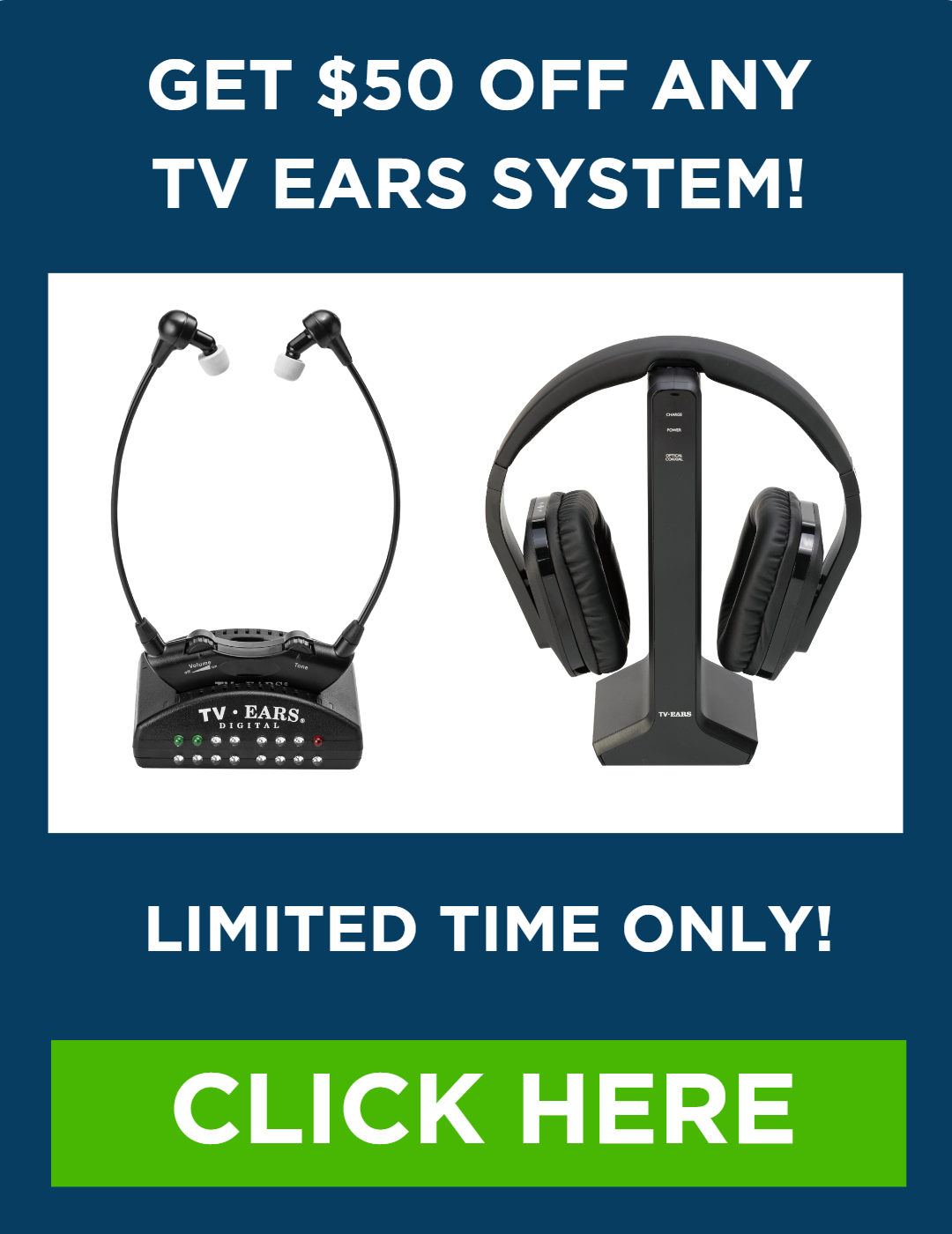
The TV Ears Digital Wireless System
The TV Ears Digital Wireless System is designed from the ground up for one purpose: to help you hear your television clearly. This system directly addresses the common frustration of finding a volume that works for everyone. It allows you to control your own volume right at your headset, completely independent of the TV’s main speakers. This means you can have the dialogue as loud and clear as you need it, while your family or friends listen at a comfortable level for them. It’s a simple, effective solution that brings harmony back to the living room by giving everyone a personalized listening experience.
High-End Alternatives for the Avid Viewer
Beyond specific systems, many premium headphones offer features that create a truly immersive environment. Over-ear wireless headphones are especially good at blocking out background noise from around your home, like the hum of the air conditioner or a conversation in the next room. This allows you to focus completely on the TV’s audio without distractions. This is perfect for movie lovers who want to get lost in the story or sports fans who don’t want to miss a single call from the announcer. High-end models deliver rich, detailed sound that makes you feel like you’re right there in the action.
Sennheiser RS 195: Best Overall for Custom Sound
If you want a system built specifically for home entertainment, the Sennheiser RS 195 is a fantastic choice. These are dedicated home theater headphones that come with a dock that plugs directly into your TV. This setup uses a Radio Frequency (RF) signal, which is a key reason they are so highly recommended—it provides a wireless connection with very low latency, so you won’t have to deal with that annoying lip-sync lag. According to experts, they are among the best wireless headphones for TV because of this reliable connection and their customizable sound profiles, which allow you to adjust the audio to better suit your hearing needs.
Sennheiser Momentum 4: Top-Rated for Battery Life
For those who love to binge-watch for hours on end, the Sennheiser Momentum 4 headphones are a top contender. Their most impressive feature is an outstanding 60-hour battery life, which means you can get through multiple seasons of a show without ever worrying about a dead battery. Beyond their stamina, they deliver amazing sound quality and a comfortable fit that makes them easy to wear for long periods. They are often praised as an excellent overall choice because they offer a nearly perfect experience, combining great audio performance with the convenience of a long-lasting charge, making them a reliable companion for any movie marathon.
Bose QuietComfort Ultra: The Ultimate in Noise Cancellation
When your main goal is to block out the world and immerse yourself completely in your show, the Bose QuietComfort Ultra headphones are hard to beat. Their noise-cancellation technology is truly top-of-the-line, capable of silencing almost all ambient sounds around you. This is perfect for watching TV in a noisy household, as they can effectively block distracting sounds like conversations, kitchen appliances, or traffic from outside. By creating a quiet bubble, they allow you to hear every subtle detail in the TV’s audio without having to crank up the volume, making for a much more focused and enjoyable viewing experience.
Sony WH-1000XM5: A Versatile All-Rounder
The Sony WH-1000XM5 headphones are a solid, versatile choice that performs well for both TV watching and general use. They are known for their impressive noise cancellation and high-quality sound, making them a great option if you want one pair of headphones for movies, music, and podcasts. While they are a strong performer across the board, it’s worth noting that they don’t offer massive improvements over some of the older, more affordable models in the same line. Still, if you’re looking for a reliable, do-it-all headphone that can handle TV audio with clarity and also serve you well in other situations, the WH-1000XM5 is a dependable pick.
Are Premium Features Worth the Price?
It’s fair to ask if the extra cost for premium features is truly worth it. For many, the answer is a resounding yes. Advanced sound technology and customizable settings aren’t just fancy add-ons; they are tools that can significantly improve the TV experience for someone with hearing loss. These features work to isolate and clarify speech from background music and sound effects, which is often the biggest challenge when watching TV. When you can finally stop straining to understand dialogue and simply relax and enjoy your show, the value becomes crystal clear. It’s an investment in clarity, comfort, and household peace.
The Best Mid-Range TV Headphones
If you’re looking for a fantastic listening experience with a few more bells and whistles but don’t need top-of-the-line features, the mid-range market is your sweet spot. These headphones offer a perfect balance of performance, comfort, and price. You’ll find advanced features like enhanced sound modes and options for watching with a partner, making them a significant step up from basic models. This category is ideal for anyone who takes their TV time seriously and wants reliable, high-quality sound without stretching their budget to the premium level. Think of these as the dependable workhorses that deliver excellent value and solve common household viewing frustrations with ease.
Get the Best Bang for Your Buck
When you want great features without a hefty price tag, some headphones truly stand out. The Avantree HT5009 is a perfect example, offering an incredible battery life of up to 40 hours on a single charge. This means less time worrying about charging and more time enjoying your favorite shows. A key feature is its use of Bluetooth with aptX Low Latency technology. In simple terms, this ensures that the sound you hear perfectly matches the action on the screen, eliminating that annoying delay between when an actor’s lips move and when you hear their words. It’s a solid, specialized choice for a clear and frustration-free listening session.
Great Options for Watching with a Partner
Watching television with a loved one is a wonderful way to connect, but it can be tricky when you both have different volume needs. That’s where sets designed for two people come in. The Avantree Duet, for instance, includes two separate headphones that connect to the same transmitter. This allows you and your partner to watch together, each with your own personal volume control. These sets are typically designed for simple setup and often come with a convenient charging stand that holds both headsets, so they’re always ready to go when you are. It’s a simple solution that brings harmony back to the living room.
Perfect for Immersive Movies and Sports
If you love the immersive feeling of being in a movie theater or right in the middle of the action at a sporting event, look for headphones that offer surround sound. The Sony WH-L600 headphones are a great mid-range option for this, creating a rich audio environment that makes your viewing experience more dynamic and exciting. They often come with different sound modes tailored for specific content, like “Cinema,” “Game,” or “Sports,” which adjust the audio to emphasize different elements. This lets you fine-tune your sound for booming movie explosions or the clear commentary of a sportscaster, making them some of the best wireless TV headphones for entertainment lovers.
Great TV Headphones That Won’t Break the Bank
You don’t have to spend a fortune to finally hear your television clearly. Many people put off getting TV headphones because they assume high-quality sound comes with a high price tag, but that’s no longer the case. The market is full of excellent, budget-friendly options that deliver crisp dialogue and a rich sound experience without requiring a big investment. Finding the right pair is simply about knowing which features truly matter for watching your favorite shows and movies.
You can easily find headphones that are comfortable enough for a long movie, have a battery that lasts for days, and, most importantly, make every word of dialogue easy to understand. These affordable choices are perfect for anyone who wants to improve their TV time without making a huge financial commitment. They prove that a better listening experience is accessible to everyone, ending the frustration of constantly asking, “What did they say?” We’ll look at a couple of standout models and types that offer fantastic performance and value, so you can stop straining to hear and start enjoying television again.
Affordable Options Without Compromising Quality
When you’re looking for value, you want a product that punches above its weight class. A great example is the Avantree HT5009. These headphones are a popular choice because they pack in features you’d usually find in more expensive models. With a battery life of up to 40 hours, you can get through several seasons of a show before even thinking about a recharge. They also have an impressive wireless range, letting you walk to the kitchen for a drink without losing the audio. Most importantly, they use technology that ensures the sound perfectly syncs with the actors’ lips on screen, eliminating that distracting lag. It’s a perfect example of how you can find excellent wireless TV headphones that deliver on all fronts without emptying your wallet.
Simple, Reliable, and Ready to Go
Sometimes, the best solution is the one that’s straightforward and just works. If you prefer a lighter and simpler option, brands like Sony offer wireless headphones that provide clear sound and good noise cancellation at a very reasonable price. They are designed to be easy to set up and use, making them a great choice if you don’t want to fuss with complicated technology. More importantly, there are headphones specifically designed for hearing difficulties that focus on one thing: clarity. These devices allow you to control your own volume, completely separate from the TV’s main speakers. This means you can have the dialogue as loud and clear as you need it, while everyone else in the room enjoys the show at a comfortable level for them. It’s a simple, reliable fix to a common problem.
Find Your Fit: A Guide to Headphone Styles
Choosing the right TV headphones isn’t just about the technology inside—it’s also about how they feel when you wear them. The most advanced headphones won’t do you any good if they’re uncomfortable to wear through a whole movie. The style you choose can make a big difference in your viewing experience, affecting everything from comfort to how well you can focus on the TV’s sound. Let’s walk through the most common styles so you can find the perfect match for your needs.
Over-Ear: For Full Immersion
Think of over-ear headphones as your personal sound sanctuary. These are the largest of the three styles, with soft, cushioned cups that completely enclose your ears. This design is fantastic for blocking out background noise from around the house, like the hum of the air conditioner or a conversation in the next room. By creating a seal around your ears, they help you focus entirely on the TV’s audio, making it easier to catch every word of dialogue. If you love getting lost in a good film and want the most immersive experience possible, an over-ear style is an excellent choice.
On-Ear: A Lightweight Option
If you find over-ear headphones a bit too bulky, the on-ear style might be the perfect compromise. Instead of surrounding your ears, these headphones have smaller pads that rest directly on them. This makes them much lighter and less cumbersome, which is great if you only plan on watching for an hour or two at a time. While they don’t block out as much external noise as over-ear models, they still deliver clear, direct sound. On-ear headphones are a great option for anyone who prioritizes a lightweight feel and wants something easy to put on for the nightly news or a favorite sitcom.
In-Ear: For a Discreet Experience
For those who prefer a minimal and discreet option, in-ear headphones are the way to go. These small eartips, often called earbuds, fit snugly inside your ear canal. This style is incredibly lightweight and barely noticeable once you have them on. Because they deliver sound directly into the ear, they are highly effective at providing clear audio without needing a bulky headset. Many people find this style comfortable for long periods, and they won’t mess up your hair or interfere with glasses. If you want a compact listening solution that’s both powerful and unobtrusive, the in-ear design is an ideal fit.
How to Pick the Right Style for You
The best style really comes down to your personal preferences and viewing habits. To decide, ask yourself a few questions. How long do you typically watch TV? If you enjoy binge-watching for hours, comfort is key, so a lightweight in-ear or a well-padded over-ear model might be best. Are you easily distracted by household sounds? If so, the noise-isolating power of over-ear headphones will be a game-changer. Do you prefer something you can barely feel? Then a discreet in-ear style is likely your best bet. Considering your own comfort and listening needs will guide you to the perfect pair.
Comfort for Different Viewing Habits
Your typical TV routine is the best guide for choosing a comfortable style. If you love settling in for a movie marathon or binge-watching an entire season, you’ll need headphones that feel good for hours on end. For these long sessions, a lightweight design is essential to avoid any discomfort or pressure. Over-ear headphones are excellent for creating an immersive bubble, but their size can feel heavy after a while. In contrast, a discreet in-ear style, like the foam-tipped headsets used with TV Ears systems, is so lightweight you might forget you have it on, making it ideal for extended viewing. Consider whether your go-to is a quick 30-minute sitcom or a three-hour epic film—that will tell you a lot about the comfort you’ll need.
How to Connect Your Headphones to Your TV
Getting your new headphones set up shouldn’t feel like a technical puzzle. Most of the time, it’s as simple as finding the right port on your television. Before you buy any headphones, it’s a great idea to take a quick look at the back or side of your TV to see what audio outputs you have available. This little bit of prep work will make the whole process smooth and easy, getting you to your favorite shows faster. Let’s walk through the most common ways to connect your headphones.
Connecting with a Digital Optical Cable
If you’re looking for excellent sound quality, the digital optical port is a fantastic option. This small, squarish port, often covered by a tiny flap, sends a high-quality audio signal from your TV to your headphones’ transmitter. Many dedicated TV headphone systems, including our TV Ears Digital system, use this connection to deliver crystal-clear dialogue. Just be aware that while many systems support this connection, they don’t always include the optical cable in the box. It’s a worthwhile, low-cost addition to ensure you’re getting the best possible sound for your movies and shows.
Pairing Your Headphones with Bluetooth
Bluetooth is probably the most familiar wireless technology, and for good reason—it’s built into most of our devices, including many modern TVs. If you have a newer television, you can likely pair Bluetooth headphones directly through your TV’s settings menu. This is a convenient, wire-free solution that works with a wide range of headphones you might already own. The main thing to watch for with Bluetooth is a slight delay, or “lag,” which can sometimes cause the audio to be out of sync with the actors’ lips on screen.
Using Traditional RCA or AUX Audio Ports
Don’t overlook the classic audio ports that have been on TVs for years. Before you buy anything, check your TV for a standard 3.5mm headphone jack (the same kind on most phones and laptops) or the red and white RCA stereo jacks. When you’re looking, make sure the ports are labeled “OUT” or “OUTPUT,” as these are the ones that send sound from your TV. These analog connections are simple, reliable, and compatible with a huge variety of headphones and transmitter bases, making them a dependable choice for almost any television set, new or old.
Why RF Is a Top Choice for TV Watching
While Bluetooth is common, many of the best TV headphones use a different technology: Radio Frequency (RF). RF systems come with a transmitter base that you plug into your TV, which then sends a dedicated audio signal directly to your headphones. The biggest advantage here is that RF has virtually no lag, meaning the sound you hear will always be perfectly synchronized with the picture on the screen. This eliminates the lip-sync issue that can sometimes happen with Bluetooth, making for a much more immersive and enjoyable viewing experience.
### Using a Bluetooth TV Adapter
If your TV doesn’t have Bluetooth built right in, don’t worry—you can still go wireless with a Bluetooth TV adapter. These small, simple devices plug into your TV’s audio output port (like the optical or AUX port) and then broadcast the sound to your Bluetooth headphones. It’s a clever and affordable way to modernize an older television. Many adapters even allow you to connect two pairs of headphones at once, making them a great choice for watching with a partner. The one thing to keep in mind is that standard Bluetooth can sometimes have a slight audio delay. For the best results, look for an adapter that supports low-latency codecs, which are designed to keep the sound perfectly in sync with the action on screen.
### Connecting Through a Streaming Device
If you use a streaming device like a Roku, Apple TV, or Amazon Fire Stick, you may already have a simple way to connect your headphones. Most of these popular devices allow you to pair Bluetooth headphones directly through their settings menu, sending the audio from your favorite streaming apps right to your ears. This is a fantastic option because it doesn’t require any extra hardware or cables. However, just like with other Bluetooth connections, you might experience a slight audio lag that causes the dialogue to be out of sync with the actors’ lips. To ensure you get the best experience, it’s always a good idea to use headphones designed specifically for TV, which are built to prioritize dialogue clarity and eliminate that frustrating delay.
Features That Make TV Audio Clearer
Finding the right headphones is about more than just turning up the volume. It’s about finding technology that makes TV audio clearer and more enjoyable for you. The best TV headphones come with specific features designed to solve common hearing challenges, so you can catch every word without straining.
Technology That Clarifies Dialogue
One of the biggest complaints about TV audio is that dialogue gets lost in the mix of music and sound effects. Many TV headphones use special voice-clarifying technology to fix this. Instead of just making everything louder, this tech intelligently separates speech from background sounds and enhances it. This makes conversations crisp and easy to follow, so you can keep up with the plot without constantly asking, “What did they say?” It’s a simple feature that makes a world of difference.
Tune Out Background Noise for Good
Your home is full of sounds that can compete with your TV show—the hum of the air conditioner, a conversation in the next room, or traffic outside. Headphones, especially over-ear styles, create a physical barrier that helps block out these distractions. This is called noise isolation. By quieting the world around you, you can focus completely on the TV’s audio without needing to blast the volume. It lets you create your own personal theater, even in a busy household.
Create Your Own Custom Sound Profile
Hearing is personal, and the right sound for someone else might not be right for you. That’s why many TV listening systems allow you to adjust the audio to fit your needs. Features like tone control let you fine-tune the bass and treble, which can help if you struggle with certain frequencies. Some advanced systems, like our TV Ears technology, are specifically designed to amplify the frequencies of human speech, making every word stand out. This personalization ensures you get a comfortable and clear listening experience.
Can You Use Them with Hearing Aids?
If you wear hearing aids, you might wonder how headphones fit into the picture. Many over-ear headphones are large enough to be worn comfortably over smaller, in-the-ear hearing aids. However, wearing them over behind-the-ear models can sometimes cause whistling or feedback. For many, the best solution is to simply remove your hearing aids and let the TV headphones do the work. Since they are designed specifically for TV audio, they often provide a clearer sound than hearing aids alone.
Streaming TV Audio Directly to Your Hearing Aids
Many modern hearing aids come with an amazing feature: the ability to stream audio directly from your television. This technology often uses a small accessory, called a hearing aid streamer, that plugs into your TV and sends the sound wirelessly to your hearing aids. This essentially turns the devices you already wear into a personal set of speakers, offering a seamless and discreet way to listen. For many, this is a fantastic solution that integrates perfectly into their daily routine, eliminating the need for any extra headsets.
While this is incredibly convenient, it’s worth remembering that hearing aids are primarily designed to clarify real-world sounds and conversations, not the complex audio mix of a movie soundtrack. You might find that dialogue isn’t as crisp as you’d like. Another thing to keep in mind is battery life; streaming audio can drain your hearing aid batteries much faster than usual. For this reason, many people still prefer a dedicated TV listening system that is specifically engineered to make dialogue clear and doesn’t impact their hearing aids’ power supply.
Your Checklist for Choosing the Perfect Pair
Finding the right TV headphones is all about matching the technology to your personal needs. It’s not about getting the most expensive pair, but the right pair for you, your hearing, and your home. Before you start shopping, walk through this simple checklist. It will help you narrow down your options and make a choice you’ll be happy with for years to come. Think of it as your personal roadmap to clearer TV sound and a more peaceful living room.
First, Assess Your Personal Hearing Needs
First, take a moment to think about your specific hearing challenges. Do you have trouble distinguishing dialogue from background music? Or is overall volume the main issue? Your unique needs will point you toward the best solution. For some, hearing aids paired with a TV streamer are the most effective option. For many others, a good pair of TV headphones is the perfect fit. For instance, over-ear wireless headphones are fantastic for blocking out household noise, letting you focus completely on the show’s audio. Being honest about what you need is the most important step in finding a device that truly helps.
Next, Check Your TV’s Connections
Before you fall in love with a pair of headphones, take a quick look at the back or side of your television. You’re looking for the audio output ports, which will have labels like “out” or “output.” Most TVs have a few common options: a 3.5mm headphone jack (the small, round one), an optical digital-audio port (often a small, square-shaped port with a red light), or RCA stereo jacks (the red and white circular ports). Knowing which connections your TV supports is essential for ensuring the headphones you buy will actually be compatible. It’s a simple five-minute check that can save you a lot of frustration later.
Then, Decide on Your Budget
TV headphones are available at a wide range of price points, so it’s helpful to set a budget before you begin your search. You don’t have to spend a fortune to get great quality and the features you need. There are excellent, budget-friendly systems that deliver clear sound and reliable performance. On the other hand, premium models may offer advanced features like multi-device connectivity or superior noise cancellation. Thinking about how much you’re comfortable spending will help you focus on the best TV headphones within your price range, ensuring you get the best value for your money.
Finally, Consider the Setup Process
The best technology is the kind you can actually use without a headache. When comparing headphones, pay attention to how easy they are to set up and use daily. Look for systems that advertise a simple, straightforward installation process. You want something you can plug in and enjoy, not a gadget that requires a complicated manual and lots of troubleshooting. Some people even use a small device called a Bluetooth receiver with their favorite wired earbuds to create a simple, no-fuss wireless system. Prioritizing an easy setup means you’ll spend less time fiddling with technology and more time enjoying your favorite shows.
Beyond Headphones: Other Ways to Hear Your TV Better
While headphones are a fantastic solution for personal listening, they aren’t the only way to make your television easier to hear. Sometimes, the best setup involves a different approach or a combination of tools. If you’re looking for alternatives that can improve the sound for everyone in the room or want to explore other technologies, there are several great options available. From simple adjustments to dedicated devices, these methods can help bring clarity back to your TV time.
Using a Soundbar to Enhance Dialogue
If the tiny, rear-facing speakers on your flat-screen TV are the problem, a soundbar can be a game-changer for the whole room. As the experts at Nagish explain, “These are long speakers that sit in front of your TV. They make the sound louder and clearer, which helps everyone, especially those with hearing loss.” Unlike your TV’s built-in speakers, soundbars are designed to project high-quality audio forward, directly at the listener. Many modern soundbars also come with a special “dialogue enhancement” or “voice clarity” mode, which specifically boosts the frequencies of human speech, making conversations stand out from background music and sound effects. It’s a simple upgrade that improves the shared viewing experience for everyone.
Adjusting Your TV’s Built-in Audio Settings
Before you spend any money, it’s worth exploring the settings already built into your television. You might be surprised by how much of a difference a few small tweaks can make. Many smart TVs have a “Night mode” or “Dynamic Range Compression” setting, which evens out the audio by making loud sounds quieter and soft sounds louder. This is perfect for catching quiet dialogue without being startled by a sudden explosion. If you have a surround sound system, try switching the audio to “Stereo” or “Normal,” or find the setting that lets you turn up the volume of the center speaker, which is where most dialogue comes from. These free adjustments are a great first step toward clearer sound.
What About Personal Sound Amplifiers (PSAPs)?
You may have also seen personal sound amplifiers, or PSAPs, on the market. These are “small devices you wear in or behind your ear, or as a headset” that are designed to make sounds in your environment louder. While they can help in certain situations, it’s important to understand how they work. A PSAP amplifies all the sounds around you—not just the television, but also the air conditioner, a conversation in the next room, or a barking dog outside. For a more focused experience, a dedicated TV listening system like TV Ears is often more effective because it takes the audio directly from the television and delivers it to your ears, isolating the sound you want to hear from any distracting background noise.
Related Articles
- When looking for headphones for TV wireless is the best
- Top 5 Things You Need to Know About a Headphone for TV Use
- Enjoy TV Watching with Wireless Headphones for the TV
- Looking for a headphone for TV?…Check out this option first – TV Ears® Official Store
- Wireless headphones for tv’s: Many options, 1 top choice
Frequently Asked Questions
Why can’t I just use my regular Bluetooth headphones for the TV? While you certainly can, you might notice a frustrating delay between what you see on screen and what you hear. This lip-sync lag is a common issue with standard Bluetooth. Headphones designed specifically for TV often use Radio Frequency (RF) technology, which creates a dedicated, low-lag connection to ensure the audio and video stay perfectly in sync.
Can other people in the room still hear the TV while I’m using the headphones? Yes, and this is one of the biggest benefits. Most TV headphone systems allow you to control your volume completely independently of the television’s speakers. This means you can have the sound at your ideal level while your family or friends listen at a much lower volume, or even with the TV speakers muted entirely.
Will these headphones work with my older, non-smart TV? Most likely, yes. Dedicated TV headphones are designed to be compatible with a wide variety of televisions, not just the newest models. Before you buy, just take a quick look at the back of your TV for audio output ports, like the red and white RCA jacks or a standard 3.5mm headphone jack. As long as your TV has one of these, you should be able to connect a transmitter base.
I wear hearing aids. Can I use these headphones at the same time? This depends on the style of both your hearing aids and the headphones. Some large, over-ear headphones can fit comfortably over smaller hearing aids, but this can sometimes cause feedback or whistling with behind-the-ear models. Many people find it’s actually better to remove their hearing aids and let the TV headphones do the work, as they are specifically designed to clarify the frequencies of human speech on television.
Are over-ear or in-ear headphones better for watching TV? This really comes down to personal preference and what you want from your experience. Over-ear headphones are fantastic for blocking out distracting household noises, creating an immersive, theater-like feeling. In-ear styles are incredibly lightweight and discreet, making them a great choice if you want a powerful solution that you can barely feel.