Hearing loss is a deeply personal experience, and finding the right support is not a one-size-fits-all process. The best hearing aid for you depends on your specific type of hearing loss, your lifestyle, and even your comfort with technology. Because each person’s needs are unique, the major hearing aid companies have developed different philosophies and areas of expertise. Some excel in noisy environments, while others focus on tinnitus relief or seamless connectivity. To find your best match, it’s crucial to know the main contenders. This guide will help you by exploring who are the 4 largest hearing aid manufacturers and their unique approaches to better hearing.
Who Are the Largest Hearing Aid Manufacturers?
Hearing aids and TV headsets are two popular options for those with hearing loss, but with so many brands and products available, it can be challenging to know where to start. That’s why we’ve put together this guide to the top hearing aid and TV hearing aid manufacturers so you can make an informed decision.
- Phonak: Phonak is a Swiss company that is known for its innovation and technology in the hearing aid industry. They offer a range of hearing aids, including behind-the-ear, in-the-ear, and in-the-canal options, and their products are designed to be easy to use and comfortable to wear. Phonak is also known for its advanced sound processing technology, which allows for clear and natural sound quality.
- Oticon: Oticon is a Danish company that is dedicated to improving the lives of those with hearing loss through innovative technology and products. They offer a range of hearing aids, including in-the-ear and behind-the-ear options, and are known for their focus on ease of use and comfort. Oticon’s hearing aids are also equipped with advanced sound processing technology, which helps to improve sound quality and reduce background noise.
- Widex: Widex is a Danish company that has been producing hearing aids for over 60 years and is known for its cutting-edge technology and high-quality products. They offer a range of hearing aids, including in-the-ear and behind-the-ear options, and their devices are designed to be comfortable and easy to use. Widex is also committed to sustainability, and many of their products are made from recycled materials.
- Starkey: Starkey is an American company that has been producing hearing aids for over 50 years and is known for its commitment to improving the lives of those with hearing loss. They offer a range of hearing aids, including in-the-ear and behind-the-ear options, and their products are designed to be comfortable and easy to use. Starkey is also dedicated to providing excellent customer service and support, and they have a network of authorized providers around the world.
- ReSound: ReSound is a Danish company that is known for its innovative hearing aid technology and commitment to improving the lives of those with hearing loss. They offer a range of hearing aids, including in-the-ear and behind-the-ear options, and their products are designed to be comfortable and easy to use. ReSound’s hearing aids are equipped with advanced sound processing technology, which helps to reduce background noise and improve sound quality.
- Signia: Signia is known for its stylish designs and advanced technology, making it a popular choice among users who value aesthetics as well as functionality.
Phonak
As a Swiss company, Phonak has built a strong reputation for high-quality engineering and innovation in the hearing aid industry. They offer a wide variety of styles, including behind-the-ear (BTE), in-the-ear (ITE), and in-the-canal (ITC) models, ensuring there’s a comfortable and effective option for almost any user. A key focus for Phonak is creating products that are not only technologically advanced but also intuitive and easy to use daily. Their commitment to clear, natural sound is evident in their advanced sound processing technology, which aims to make listening feel as effortless as possible, whether you’re in a quiet room or a bustling café.
Specialization in Noisy Environments
One of Phonak’s standout features is its focus on improving hearing in challenging, noisy environments. Their hearing aids are engineered with sophisticated technology designed to identify and separate speech from distracting background noise. This means you can follow conversations more easily in restaurants, family gatherings, or busy public spaces. The technology works by automatically adjusting to your surroundings, so you don’t have to fiddle with settings. This specialization makes Phonak a strong contender for individuals who lead active social lives and want to remain engaged in conversations, no matter where they are.
The “Well-Hearing” Philosophy
Phonak operates on a philosophy of “Well-Hearing is Well-Being.” This concept connects better hearing directly to overall health, including cognitive function and social-emotional wellness. The idea is that when you can hear clearly, you’re more likely to stay connected with loved ones and engaged with the world around you, which is vital for a healthy mind. Their technology is developed with this holistic view, aiming not just to amplify sound but to restore the richness and clarity of your hearing experience, contributing positively to your quality of life.
Oticon
Hailing from Denmark, Oticon is a major player in the hearing aid world, driven by a mission to help people with hearing loss live full and active lives. They provide a comprehensive range of hearing aid styles to suit different needs and preferences, from discreet in-the-ear models to more powerful behind-the-ear options. Oticon is particularly recognized for its user-centric design, focusing on creating devices that are comfortable for all-day wear and simple to operate. Their advanced sound processing is a cornerstone of their products, working to deliver superior sound quality while minimizing feedback and background noise.
AI-Powered Sound Processing
Oticon has made significant strides by incorporating artificial intelligence (AI) into its sound processing technology. Their hearing aids feature a deep neural network that has been trained with millions of real-life sound scenes. This allows the device to instantly analyze the soundscape around you and process it in a way that mimics how your brain naturally works. The result is a more balanced and clear listening experience where important sounds, like speech, are prioritized without cutting you off from the ambient sounds of your environment, making the experience feel more natural and less restrictive.
User-Preferred Sound Quality
Through extensive research and development, Oticon has honed its technology to produce a sound quality that users consistently prefer. Their approach is less about simply turning up the volume and more about providing the brain with better, more organized sound information. This helps reduce the listening effort required to understand speech, which can be mentally draining for someone with hearing loss. By making it easier to hear, Oticon hearing aids can help you feel more energetic and engaged throughout the day, whether you’re talking with family or enjoying your favorite TV show.
Widex
With over 60 years of experience, this Danish manufacturer is celebrated for its commitment to technological advancement and producing premium, high-quality hearing aids. Widex offers a full portfolio of hearing aid styles, including ITE and BTE models, all designed with user comfort and ease of use in mind. The company is also a leader in environmental responsibility within the industry; its headquarters in Denmark is entirely wind-powered, and many of its products incorporate sustainable materials. This blend of cutting-edge technology and corporate responsibility makes Widex a respected name among audiologists and users alike.
Tinnitus Management Solutions
Widex is particularly well-known for its advanced tinnitus management programs. For those who experience a constant ringing or buzzing in their ears, Widex hearing aids offer a feature called Zen Therapy. This function plays a variety of soothing, chime-like tones or white noise to help mask the tinnitus and reduce its perceived intensity. The sounds are customizable, allowing you or your audiologist to find the most effective and relaxing tones for you. This integrated solution provides much-needed relief and makes it easier to focus on the sounds you want to hear.
Pioneering Digital Technology
Widex has a long history of innovation and is credited with introducing the world’s first fully digital in-the-ear hearing aid. They continue to push the boundaries with their sound technology, which is designed to provide the most natural and pure sound possible. Their devices are excellent at capturing a wide range of sounds, from the softest whispers to the complex layers of music, without distortion. This commitment to pioneering digital solutions ensures that users receive a clear, rich, and personalized hearing experience that adapts seamlessly to different listening environments.
Starkey
As a prominent American manufacturer, Starkey has been a force in the hearing aid industry for over half a century. The company is deeply committed to its mission of improving lives through better hearing. Starkey provides a complete lineup of hearing aid options, including discreet ITE and powerful BTE styles, all designed for comfort and straightforward operation. Beyond just creating quality products, Starkey is dedicated to providing exceptional customer service and has built a global network of authorized hearing professionals to ensure users receive the support they need for a successful hearing journey.
Industry-Leading Battery Life
Starkey has earned a reputation for developing hearing aids with impressive battery performance, particularly in their rechargeable models. They understand that users need a device they can rely on all day without worrying about it losing power. Their rechargeable hearing aids offer long-lasting power on a single charge, providing the freedom and confidence to go about your day without interruption. This focus on reliable, industry-leading battery life means less hassle and more time spent hearing the moments that matter.
America’s Hearing Aid Manufacturer
Based in Minnesota, Starkey is the only major hearing aid manufacturer headquartered in the United States. This American identity is a point of pride for the company and resonates with many users. Their commitment to domestic manufacturing and innovation is coupled with a strong philanthropic spirit. Through the Starkey Hearing Foundation, they have provided hearing aids to people in need around the world. Choosing Starkey means supporting an American company dedicated to both technological excellence and global humanitarian efforts.
ReSound
ReSound, another leading Danish company, is renowned for its innovative approach to hearing aid technology. Their primary goal is to improve the quality of life for individuals with hearing loss by creating solutions that are both effective and easy to integrate into daily life. They offer a wide array of hearing aids, from tiny in-the-ear models to robust behind-the-ear devices, all designed for maximum comfort and usability. ReSound’s products are equipped with sophisticated sound processing technology that excels at enhancing speech clarity while minimizing distracting background noise for a better listening experience.
A Long History of Innovation
ReSound has consistently been at the forefront of hearing aid innovation. They were one of the first to introduce “Made for iPhone” hearing aids, allowing users to stream audio directly from their Apple devices without needing an intermediary streamer. This commitment to connectivity continues with their development of advanced Bluetooth capabilities for both iOS and Android devices. By embracing modern wireless technology, ReSound makes it easier for users to connect to their phones, tablets, and TVs, creating a more seamless and integrated hearing experience.
Signia
Signia, formerly known as Siemens Hearing Instruments, is a German brand that has become a popular choice for users who want both high performance and modern aesthetics. The company understands that a hearing aid is a personal device and that its look and feel are just as important as its function. Signia offers a full range of hearing solutions, but they are particularly noted for their sleek, contemporary designs that challenge the traditional look of hearing aids. This focus on style helps users feel more confident and comfortable wearing their devices.
Modern Design Meets Performance
Signia excels at blending sophisticated technology with elegant, discreet designs. Their Styletto line, for example, features a slim, stylish form factor that looks more like a modern tech wearable than a medical device. But this focus on design doesn’t come at the expense of performance. Signia hearing aids are packed with advanced features, including their Own Voice Processing (OVP) technology, which helps the user’s own voice sound more natural. This combination of cutting-edge performance and attractive design makes Signia a compelling option for the modern hearing aid user.
Key Factors to Consider When Choosing a Hearing Aid
Selecting the right hearing aid is a significant decision that involves more than just picking a brand. Several factors, from the type of device to the level of professional support you receive, will influence your success and satisfaction. Understanding these key elements will help you make a well-informed choice that fits your hearing needs, lifestyle, and budget. It’s important to consider not only the technology inside the device but also how it will integrate into your daily life, from conversations with family to enjoying television. While many hearing aids offer features for TV listening, some people find that a dedicated assisted listening device provides superior clarity for dialogue, making it a great complement to traditional hearing aids.
Types of Hearing Aids and Modern Features
The world of hearing aids has expanded significantly, offering a wide range of styles and features to accommodate different types of hearing loss and personal preferences. The main styles include behind-the-ear (BTE), which is powerful and easy to handle; receiver-in-canal (RIC), which is smaller and more discreet than a BTE; and in-the-ear (ITE) or in-the-canal (ITC), which are custom-molded to fit inside your ear. Beyond the style, modern features like rechargeable batteries and Bluetooth connectivity have become standard, offering greater convenience and functionality than ever before. Considering which features will genuinely improve your day-to-day life is a crucial step in the selection process.
Prescription vs. Over-the-Counter (OTC)
A major development in hearing health is the availability of over-the-counter (OTC) hearing aids. These devices are intended for adults with perceived mild to moderate hearing loss and can be purchased without a prescription or a visit to an audiologist. Prescription hearing aids, on the other hand, must be fitted and programmed by a hearing healthcare professional. While OTC aids offer greater accessibility and a lower initial cost, prescription devices are customized to your specific hearing loss profile, which often results in better performance and satisfaction, especially for more complex hearing needs.
Rechargeable Batteries and Bluetooth Connectivity
Two of the most popular features in modern hearing aids are rechargeable batteries and Bluetooth. Rechargeable models eliminate the need to handle tiny, disposable batteries, which can be a challenge for those with dexterity issues. You simply place the hearing aids in a charger overnight. Bluetooth connectivity transforms hearing aids into personal wireless headsets, allowing you to stream phone calls, music, and TV audio directly to your ears. This direct streaming can significantly improve sound quality, though some users may still prefer the simple, powerful connection of a dedicated TV listening system for the best dialogue clarity.
The Cost of Hearing Aids
There’s no getting around it: hearing aids are a significant financial investment. The price can range from around $1,000 for a pair of basic OTC aids to over $6,000 for premium prescription devices with the latest technology. The cost of prescription hearing aids typically includes not just the devices themselves but also the professional services of the audiologist, such as the initial fitting, programming, and follow-up adjustments. It’s important to check with your insurance provider, as some plans offer a benefit for hearing aids. Additionally, some organizations and government programs may provide financial assistance for those who qualify.
The Importance of Professional Fitting
For prescription hearing aids, the expertise of an audiologist is just as important as the technology in the device. A professional fitting ensures that the hearing aids are physically comfortable and, more importantly, programmed correctly for your unique hearing loss. An audiologist will conduct comprehensive tests to create a precise hearing profile and then use that information to fine-tune the devices. This customization is what separates a prescription device from an over-the-counter one and is often the key to a successful outcome. Proper fitting maximizes the benefit you receive from your investment and helps you adapt to your new way of hearing.
Finding an Audiologist Who Works with Multiple Brands
When you’re ready to see a professional, it’s a good idea to find an audiologist or hearing instrument specialist who works with several of the major manufacturers. Some clinics are owned by a specific brand or have exclusive contracts, which may limit your options. An independent professional can recommend the best device for your specific needs and preferences, regardless of the brand. This allows for a more objective recommendation, ensuring the focus remains on finding the ideal solution for you rather than promoting a particular product line.
What Are Real-Ear Measurements (REMs)?
One of the most critical parts of a professional hearing aid fitting is the use of real-ear measurements (REMs). This procedure involves placing a tiny microphone inside your ear canal while you are wearing the hearing aid. The audiologist then plays a series of sounds to measure the exact output of the hearing aid at your eardrum. This allows them to verify that the device’s programming is meeting the prescription targets for your hearing loss. Without REMs, programming is essentially guesswork. Insisting on this verification is a key step to ensure your hearing aids are performing optimally for you.
A Note on Buying Prescription Aids Online
While it may be tempting to purchase prescription hearing aids online to save money, it comes with significant risks. The most critical element of a successful fitting—the in-person programming and verification with real-ear measurements—is often bypassed. Without professional guidance, you may end up with a device that is not properly adjusted for your hearing loss, leading to a poor listening experience and frustration. While some online models offer remote support, it cannot fully replace the hands-on care and precise measurements that a qualified audiologist provides in a clinical setting.
Are Traditional Hearing Aids Your Only Option?
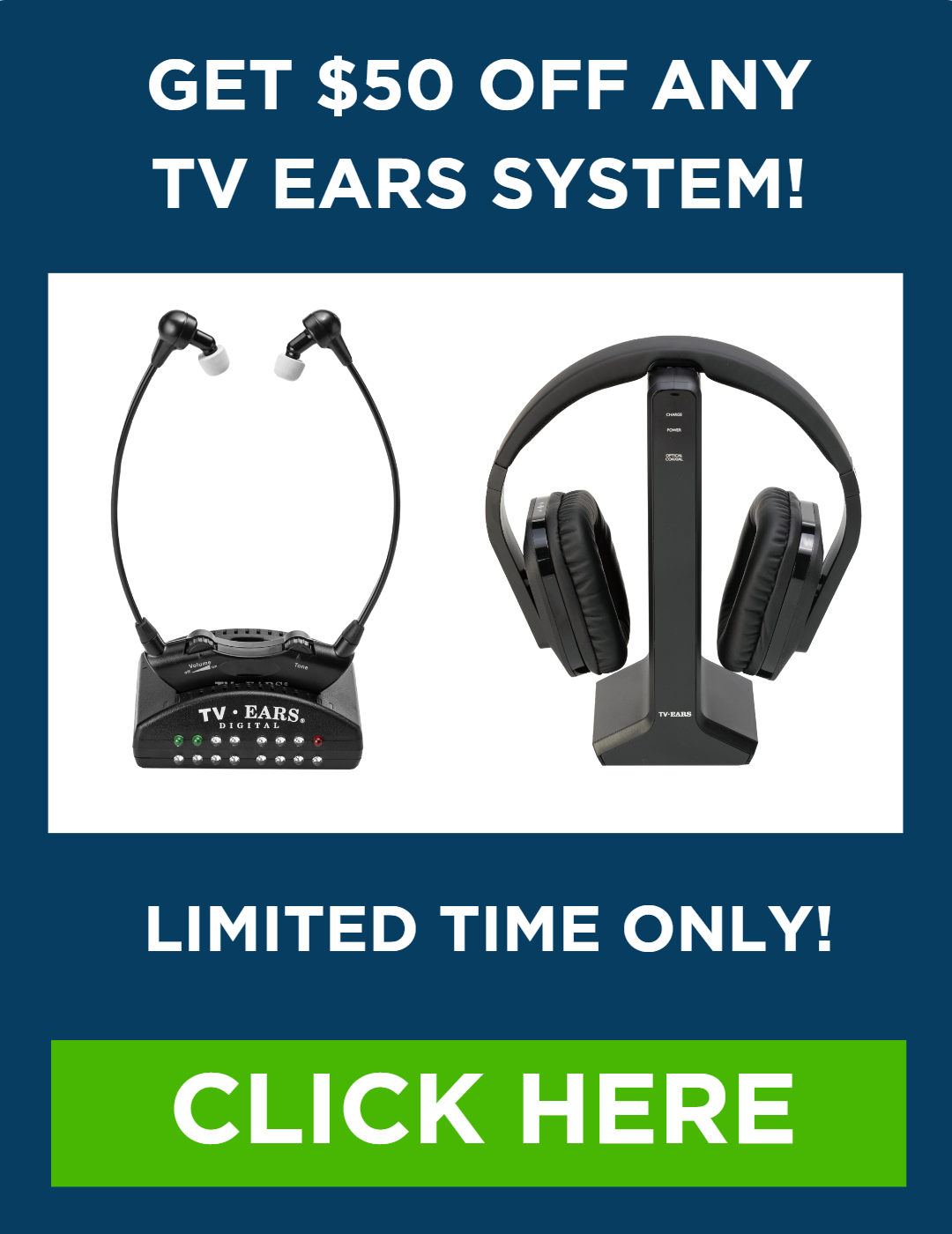
While hearing aids are a popular option for improving hearing, wireless TV headphones and headset systems, such as TV Ears Original, TV Ears Digital and TV Ears 5.8 Digital, are other alternatives worth considering. These headphones connect directly to your TV and provide sound directly to your ears, which can be especially helpful for those who struggle to hear the audio from their TV. Wireless TV headphones can also reduce background noise and provide a more personalized audio experience. When it comes to choosing the right hearing aid or TV headset, it is important to consider your specific needs. Think about your lifestyle, your budget, and the type of hearing loss you have, and choose a device that will meet your needs. Whether you’re looking for hearing aids, TV Ears, or other types of headsets, these top hearing aid manufacturers have the expertise and technology to help you find the right solution for you. Phonak is a trademark of Sonova AG . Oticon is a trademark of Oticon A/S. Widex is a trademark of WS Audiology A/S. Starkey is a trademark of Starkey Laboratories. ReSound is a trademark of GN Hearing A/S and/or its affiliates (”GN Group”).
Frequently Asked Questions
All these brands have great features. How do I choose the right one for me? Feeling a bit overwhelmed by the options is completely normal. Instead of focusing on picking a brand first, your best next step is to find a qualified audiologist who works with multiple manufacturers. They can test your hearing and talk with you about your lifestyle to recommend the technology that will genuinely suit your needs, rather than pushing you toward a single product line. The right professional is your most important guide in this process.
My main problem is hearing the TV. Do I need a full hearing aid for that? Not necessarily. While hearing aids are designed to help in various situations, if your primary struggle is understanding dialogue on television, a dedicated TV listening system might be a more direct solution. These devices are specifically engineered to clarify speech from your TV and deliver it right to your ears, often providing a clearer experience for television than a general-purpose hearing aid might. It’s about finding the right tool for the specific task.
What’s more important: the brand of the hearing aid or the audiologist who fits it? This is a great question, and the answer is clear: the skill of the audiologist is the most critical factor for success with prescription hearing aids. A premium hearing aid that is poorly programmed for your specific hearing loss won’t perform well. A good audiologist uses tools like real-ear measurements to ensure the device is perfectly tuned for you. The professional service is what truly makes the technology work.
Why is there such a big price difference between hearing aids? The cost of a prescription hearing aid typically covers much more than just the device itself. The price includes the initial hearing evaluation, the professional fitting and programming, follow-up appointments for adjustments, and a warranty for service and repairs. Over-the-counter options are less expensive because you are only buying the product, leaving the responsibility of fitting and managing it entirely up to you.
If my hearing aids have Bluetooth, does that mean I won’t have trouble hearing the TV anymore? Bluetooth is a fantastic feature for streaming phone calls or music directly to your hearing aids. However, when it comes to TV, it isn’t always a perfect fix. You might experience a slight audio delay, or find the process of pairing your hearing aids to the TV every time you want to watch a show to be a bit of a hassle. Many people find that a dedicated TV listening device provides a more reliable and straightforward connection for the best possible sound clarity.
Key Takeaways
- Focus on a Manufacturer’s Specialty: The major hearing aid brands each excel in different areas. Pinpoint your primary hearing challenge—like understanding speech in noisy rooms or managing tinnitus—and look for a brand that specializes in that technology to find your best fit.
- Prioritize a Professional Fitting: The technology inside a hearing aid is only half the equation. A successful outcome depends on a professional who customizes the device to your specific hearing loss, ideally using real-ear measurements to verify the settings are correct.
- Supplement Your Hearing for Specific Situations: Hearing aids are designed for overall environmental sound, but they may not be the perfect solution for every activity. For specific challenges, like clearly hearing television dialogue, a dedicated listening device can provide a more direct and powerful audio experience.