Leaning in, straining to catch what someone just said—it’s incredibly frustrating. You’re missing key plot points during movie night or struggling to keep up with a family conversation. The real issue isn’t always volume; it’s about making things clearer. That’s where hearing amplifier headphones come in. These headphone hearing amplifiers are designed to isolate and enhance voices, giving you crisp, clear dialogue. We’ll help you understand how they work and choose the right pair to stay connected to the sounds you love.
Key Takeaways
- Focus on Situational Clarity: Hearing amplifiers are designed for specific situations, like making TV dialogue crisp or conversations easier to follow. They are a simple, non-prescription tool, distinct from medical hearing aids which treat diagnosed hearing loss.
- Prioritize Your Primary Need: When choosing a device, concentrate on the features that solve your biggest challenge. For a better TV experience, look for excellent voice-clarifying technology, a comfortable fit for long wear, and a reliable battery life.
- Extend Its Use Beyond the TV: While perfect for ending the volume struggle in the living room, your amplifier is a versatile tool. Use it to stay engaged during family dinners, follow along at lectures, or participate more fully in social gatherings.
What Are Hearing Amplifier Headphones?
A hearing amplifier with headphones is a device designed to help you hear more clearly in specific situations. If you find yourself constantly asking others to repeat themselves during a conversation or struggling to follow the dialogue in your favorite TV show, an amplifier might be just what you need. These devices work by making sounds louder and easier to understand, whether you’re at home, in a restaurant, or attending a lecture. They are a straightforward solution for anyone who needs a little extra help hearing the world around them, offering a simple way to bring clarity back to your daily activities.
How Do Hearing Amplifier Headphones Work?
At its core, a hearing amplifier does exactly what its name suggests: it amplifies sound. A small microphone picks up the audio around you, a processor enhances it and makes it louder, and a speaker—in this case, headphones—delivers the clearer sound directly to your ears. Many modern amplifiers come with handy features like simple volume controls, noise-canceling technology to reduce background distractions, and rechargeable batteries so you don’t have to fuss with tiny replacements. Some can even connect to your devices via Bluetooth, giving you more flexibility for listening to music or taking calls.
What Are the Different Types of Amplifiers?
You’ll find a few different styles of hearing amplifiers, so you can choose one that fits your lifestyle. Some look just like a standard pair of headphones or earbuds, making them discreet and familiar to use. Others are known as Personal Sound Amplifiers (PSAPs), which are small, wearable devices. For home use, you can find dedicated TV listening systems that connect directly to your television, sending clear audio right to your headset without disturbing others. The variety means you can find a solution tailored specifically for watching movies, chatting with family, or listening in a group setting.
Personal Sound Amplifiers (PSAPs)
Personal Sound Amplifiers, or PSAPs, are wearable electronic devices designed to make environmental sounds louder for people without diagnosed hearing loss. Think of them as a general volume knob for the world around you. According to experts at Happy Ears Hearing Center, these devices make *all* sounds louder without distinguishing between them. This means that while the conversation at your table might get louder, so will the clatter of dishes from the kitchen and the chatter from the next table over. They are best suited for individuals who have just a little trouble hearing in quiet environments and are not a replacement for a medical hearing aid prescribed by an audiologist.
Headphone Amplifiers for Music
If you’ve ever seen a music lover with a small box attached to their phone, you’ve likely seen a headphone amplifier. This type of amplifier is not designed for hearing assistance but for improving audio quality. Its purpose is to give your music more power, detail, and depth than your phone or laptop can provide on its own. As one audio review site puts it, a good headphone amp helps you hear the “texture and depth of the sound,” making for a richer listening experience. While excellent for enjoying your favorite album, these devices won’t help clarify dialogue or make conversations easier to understand.
Smartphone Apps as Amplifiers
Your smartphone can also serve as a temporary sound amplifier through specialized apps. For example, Google’s Sound Amplifier app uses your phone’s microphone to make sounds around you “louder and clearer” through your headphones. This can be a convenient option in a pinch, like when you’re in a quiet meeting and need a little help catching every word. However, using your phone this way can drain its battery quickly and requires you to have your phone out and accessible. It’s a handy tool for occasional use but may not be the most practical or powerful solution for daily activities like watching television.
Hearing Amplifiers vs. Hearing Aids: What’s the Difference?
It’s easy to confuse hearing amplifiers with hearing aids, but they serve different purposes. The main difference is that hearing aids are Class I medical devices intended to treat diagnosed hearing loss. They are prescribed and custom-fitted by an audiologist. Hearing amplifiers, on the other hand, are available without a prescription and are designed for situational use—like turning up the volume on a specific conversation or TV show. While hearing aids are a comprehensive solution for daily life, it’s helpful to understand the common misconceptions about them to know which solution is right for you. Amplifiers offer an affordable way to get the sound boost you need in the moments that matter most.
Amplifying All Sounds vs. Specific Frequencies
One of the most important distinctions to understand is how these devices handle sound. A standard hearing amplifier generally works by making all the sounds in your environment louder. It takes in the audio around you—the dialogue from the TV, the hum of the air conditioner, the dog barking outside—and increases the volume of everything equally. This can be very effective in quiet, controlled settings where you just need a straightforward volume lift. However, in a more complex soundscape, like a movie with a loud musical score, amplifying everything can sometimes make it harder to pick out the specific sounds you want to hear, like the actors’ voices.
Hearing aids, in contrast, are programmed to be much more selective. They are medical devices customized by an audiologist to target the exact frequencies where your hearing is weakest. If you have trouble with high-pitched sounds but can hear low tones perfectly fine, a hearing aid will only amplify those higher frequencies. This precision is what makes them an effective treatment for diagnosed hearing loss. The goal isn’t just to make things louder; it’s to restore a natural balance to what you hear. This is why they require a professional fitting and a prescription.
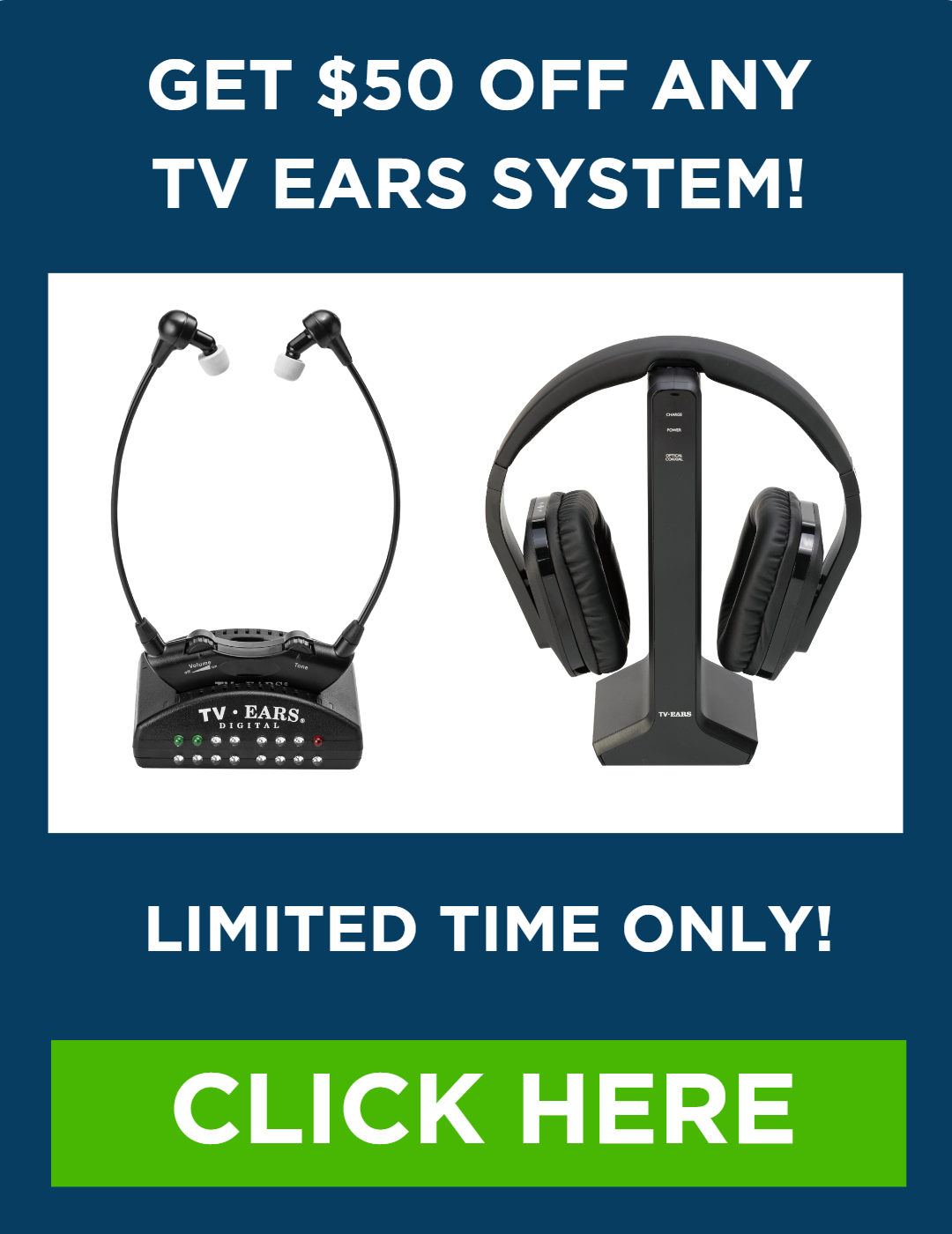
This is where specialized TV listening systems find their sweet spot. Many people don’t need the comprehensive support of a hearing aid; they just need help separating dialogue from distracting background noise on television. Products like TV Ears are designed with Voice Clarifying Technology that specifically isolates and enhances speech frequencies. This means you get crisp, clear dialogue delivered directly to your ears, while background sounds are toned down. It’s a focused solution that addresses the most common TV listening challenge without amplifying unnecessary noise.
Must-Have Features in a Hearing Amplifier
Finding the right hearing amplifier can feel like a big task, but it gets much easier when you know what to look for. The best device for you will do more than just make sounds louder—it will make them clearer, fit comfortably into your life, and be simple to use every day. Think about what matters most for your routine. Do you need something you can wear for hours while binge-watching a new series? Or a device that easily connects to your TV without a fuss? Let’s walk through the essential features that separate a great hearing amplifier from a mediocre one, so you can choose with confidence.
Prioritize Crystal-Clear Sound
The whole point of an amplifier is to hear better, so sound quality is non-negotiable. You want a device that doesn’t just turn up the volume on everything, but one that intelligently clarifies voices. Look for amplifiers with digital sound processing technology. This feature helps distinguish speech from other background noises, making dialogue in movies and conversations crisp and easy to follow. Instead of a blast of loud, muddled sound, you get a refined audio experience that brings the words to the forefront. This is the key to turning a frustrating viewing experience into an enjoyable one.
Tune Out Distractions with Noise Reduction
Have you ever tried to follow a conversation in a noisy room or watch a movie while the air conditioner is running? It can be tough. That’s where noise reduction comes in. This feature actively filters out distracting ambient sounds, so you can focus on what you actually want to hear. The best hearing amplifiers use intelligent noise reduction to identify and quiet background chatter, humming appliances, and other disturbances. This allows the main audio—whether it’s a character’s whisper on-screen or a loved one’s voice across the dinner table—to come through with impressive clarity, giving you a more peaceful and focused listening experience.
Find a Comfortable Fit for All-Day Wear
If a hearing amplifier isn’t comfortable, you simply won’t use it. When you’re settling in for a movie marathon or plan to wear your device for several hours, comfort is crucial. Look for designs that are lightweight and ergonomically shaped to fit securely without causing pressure or irritation. Some models feature soft, flexible eartips in various sizes to ensure a snug fit. Whether you prefer an over-the-ear style, a discreet earbud, or a neckband design, the right amplifier should feel so natural that you almost forget you’re wearing it.
Don’t Get Caught with a Dead Battery
There’s nothing more frustrating than having your device die right at the climax of a movie. A long and reliable battery life is essential for uninterrupted listening. Many modern amplifiers are rechargeable, which saves you the hassle and cost of replacing disposable batteries. When comparing models, check their average run time on a single charge—some can last up to 20 hours or more. Also, consider the charging method. A portable charging case is a fantastic feature, as it allows you to power up your device on the go, ensuring it’s always ready when you are.
Understanding Battery Life Expectations
When you’re looking at different models, you’ll see battery life listed in hours. A good benchmark to aim for is a device that offers at least a full day of intermittent use on a single charge. This ensures you can get through multiple movies or an entire evening of television without an issue. Most modern amplifiers use rechargeable lithium-ion batteries, which are far more convenient than disposables. Not only do they save you money in the long run, but they also eliminate the tedious task of swapping out tiny batteries. Look for a system with a simple charging base or case where you can place the headphones when you’re done, ensuring they’re always powered up and ready for your next show.
How Easily Does It Connect?
Connecting your amplifier to your TV or other devices should be a seamless process. Wireless options, especially those using Bluetooth technology, offer the freedom to move around without being tethered by cables. This allows you to sit wherever you’re most comfortable and still get clear audio streamed directly to your ears. For TVs, some systems use a transmitter that plugs into the television and sends the audio wirelessly to your headset. This direct connection provides a stable, high-quality sound stream without any complicated pairing procedures, making it incredibly user-friendly.
Are the Controls Easy to Use?
When you want to adjust the volume, you shouldn’t have to search for tiny buttons or navigate complex menus. The best hearing amplifiers are designed with simplicity in mind. Look for models with large, tactile buttons and intuitive controls that are easy to manage, even without looking. Simple volume dials or rockers allow you to find your perfect sound level quickly and effortlessly. A device that is easy to control puts you in charge of your listening experience, making it a frustration-free tool you’ll enjoy using every day. This focus on accessible design ensures the technology works for you, not the other way around.
Which Hearing Amplifier Fits Your Life?
The right hearing amplifier is the one that fits seamlessly into your daily routine. Whether you need help hearing the TV, want advanced features for different environments, or are looking for a simple, budget-friendly solution, there’s an option for you. Let’s look at a few common lifestyles and the amplifiers that suit them best.
Hear Every Word of Your Favorite Shows
If your main goal is to hear television dialogue clearly without blasting the volume, a dedicated system is your best bet. Assistive listening devices like TV Ears are specifically designed to clarify speech and reduce background noise from TV shows and movies. This means you can catch every word of your favorite program at a volume that’s comfortable for you, while others in the room can listen at a lower level. It’s a simple solution that brings peace back to the living room and makes watching TV enjoyable for everyone again. These systems are easy to set up and use, making them a perfect match for anyone who wants a straightforward fix for a better viewing experience.
If You Want All the Bells and Whistles
For those who want more control and versatility, premium hearing amplifiers offer a suite of advanced features. Many top-tier models come with Bluetooth connectivity, allowing you to stream audio directly from your smartphone, tablet, or TV. They also often include sophisticated digital noise reduction technology, which helps filter out distracting background sounds so you can focus on the conversation in front of you. These are great for people who find themselves in a variety of listening environments, from quiet rooms to busy restaurants, and want a device that can adapt on the fly. If you’re comfortable with technology and want the best sound quality available, exploring these models is a great next step.
Advanced Features in Modern Devices
When we talk about “bells and whistles,” we’re really talking about smart technology that makes a huge difference in what you hear. One of the most important features is digital sound processing. This is the tech that intelligently clarifies voices by separating them from background noise, making dialogue in movies and conversations crisp and clear. It’s what helps you catch a quiet whisper over a loud soundtrack. Another game-changer is noise reduction technology, which actively quiets distracting ambient sounds like the hum of an air conditioner or chatter from another room. This allows you to focus completely on the audio you want to hear, a key distinction that separates quality amplifiers from basic ones, as this guide on amplifiers explains.
For even more freedom, Bluetooth connectivity lets you stream sound directly from your TV or smartphone without being tied down by wires. You can get up to grab a snack from the kitchen and still get a perfect, clear audio stream sent right to your ears. Finally, don’t overlook the convenience of rechargeable batteries. Constantly buying and replacing tiny batteries is a hassle. Many modern amplifiers can last for 20 hours or more on a single charge, ensuring your device is always ready when you are. These features work together to deliver a listening experience that’s not just louder, but significantly clearer and more tailored to your life.
For Everyday Clarity and Performance
If you need a versatile device that works well in many different situations, a great all-around performer is an excellent choice. These amplifiers balance features, performance, and price, making them a popular option. You’ll often find key features like rechargeable batteries, which save you the hassle and cost of replacements, and multiple listening modes for different environments. They are designed to be user-friendly, especially for seniors who value simplicity. These devices are true workhorses, ready to help you hear better whether you’re chatting with family, attending a community event, or simply relaxing at home.
Great Sound Without the High Price Tag
You don’t have to spend a fortune to get the hearing assistance you need. Many reliable and affordable amplifiers provide clear sound without the high price tag of traditional hearing aids. These devices focus on the core function of making sounds louder and clearer, forgoing some of the advanced features like Bluetooth to keep costs down. Corded sound amplifiers are a great example of a budget-friendly choice that can make a big difference in your ability to hear. If you’re looking for a straightforward, no-frills solution that gets the job done, these options offer incredible value and can significantly improve your daily life.
What About Bone Conduction Technology?
For a completely different approach, it’s worth looking into bone conduction headphones. Instead of sending sound through your ear canal, these devices send vibrations through your cheekbones directly to your inner ear. This leaves your ear canal completely open, which has a few unique benefits. It allows you to stay aware of your surroundings, which is great for safety when you’re outdoors. It’s also an excellent choice for people who already wear hearing aids, as they can enjoy audio from another device without any interference. While not a traditional amplifier, this technology offers a unique way to experience sound.
Where Can You Use Your Hearing Amplifier?
A hearing amplifier isn’t just a device you use in one specific situation—it’s a tool that can bring clarity to many different parts of your day. Think of all the moments where you might strain to hear, from trying to follow a quiet conversation to catching the details in your favorite TV show. An amplifier can make a world of difference in these scenarios and more. Whether you’re at home, out in the community, or even traveling, the right device can help you feel more connected and engaged with the world around you.
Many people start by using an amplifier for a single purpose, like watching television without disturbing their family. Soon, they discover just how versatile these devices are. You might find yourself bringing it to a family dinner, a community lecture, or your weekly service. The key is that these devices are designed to be portable and adaptable. Some are built specifically for an incredible at-home audio experience, while others are made to filter out background noise in crowded places. By understanding the different environments where an amplifier can help, you can get the most out of your device and enjoy a richer listening experience everywhere you go.
Catch Every Detail of TV and Movies
One of the most popular uses for a hearing amplifier is right in your own living room. If you find yourself constantly reaching for the volume remote or asking, “What did they say?” during a movie, you’re not alone. An amplifier can deliver crisp, clear dialogue directly to your ears, so you never miss a punchline or an important plot point again. This is especially helpful for watching with others, as it ends the “volume war” and allows everyone to enjoy the show at a comfortable sound level. With dedicated assistive listening devices, you can catch every whisper and sound effect without making the TV too loud for anyone else.
Stay Engaged in Conversations
Engaging with friends and family is one of life’s greatest joys, but it can be frustrating when you can’t quite follow the conversation. A hearing amplifier can help you tune into the voices that matter most. Whether you’re catching up with a loved one over coffee or enjoying a lively family dinner, the right device can make speech sound clearer and more distinct. This allows you to participate more fully and confidently in social situations. By amplifying the sounds you want to hear, these devices can enhance social interactions and help you stay connected to the people you care about.
Hear the Speaker Clearly from Any Seat
Learning is a lifelong activity, but it can be challenging to absorb information in a large classroom or lecture hall. Hearing a speaker clearly from the back of the room is tough, especially with background noise from coughing or shuffling papers. A hearing amplifier with features like digital noise reduction can be incredibly useful in these settings. It helps isolate the speaker’s voice and minimizes distracting sounds, allowing you to focus on the material being presented. This ensures you can fully participate in community classes, workshops, or any educational event without struggling to hear.
Hear Sermons and Services Clearly
Places of worship are often large, open spaces with high ceilings, which can create echoes and make it difficult to hear sermons, readings, and music. A hearing amplifier can help you feel more present and connected during services. By bringing the sound directly to you, it clarifies the speaker’s voice and allows you to follow along with every word. This means you can focus on the message and the community experience without the frustration of straining to hear. It’s a simple way to ensure you get the most out of your time spent in a place that’s important to you.
Hear Announcements and Conversations on the Go
Traveling can be noisy and chaotic, from the bustle of an airport to the hum of a train. A hearing amplifier can be a fantastic travel companion, helping you handle these loud environments with greater ease. With a portable, rechargeable device, you can better hear important gate announcements, conversations with travel partners, or the tour guide on a city walk. Many rechargeable hearing amplifiers are designed with noise-canceling features, making them perfect for tuning out the drone of an airplane engine while still keeping you aware of your surroundings. This helps make your journey smoother and more enjoyable from start to finish.
How to Choose the Right Amplifier for You
Finding the right hearing amplifier is a personal decision, and the best choice is the one that fits your life perfectly. With so many options available, it can feel a little overwhelming, but breaking it down into a few simple steps makes the process much easier. By thinking through your specific needs, budget, and the kind of support you want, you can confidently pick a device that will bring clarity back to your world. Let’s walk through the key things to consider to ensure you find an amplifier you’ll love using every day.
Understanding the Online Marketplace
When you start looking for a hearing amplifier online, you’ll quickly see just how many options are out there. A quick search on a major retailer like Amazon can bring up over a thousand different products, each with its own set of features. You’ll find everything from rechargeable models that save you from buying batteries to devices with Bluetooth for streaming music or noise-canceling technology to help you focus. This huge selection is great because it means there’s likely a perfect device for your specific needs, whether you want something just for TV or for conversations in a busy café. The key is knowing how to sort through the noise to find exactly what you’re looking for.
Tips for Shopping Online
With so many choices, it helps to have a game plan before you start adding items to your cart. The best way to begin is by thinking about what you really need. Are you looking for a device primarily to make TV dialogue clearer? Do you need something with a long-lasting rechargeable battery for all-day use? Or is Bluetooth connectivity a must-have for you? Making a short list of your top priorities will help you stay focused. Once you know what features matter most, you can use a few simple strategies to find high-quality products that fit your budget and lifestyle, ensuring you make a purchase you’ll be happy with for years to come.
Use Filters to Narrow Your Search
The filter tool on shopping websites is your best friend for cutting through the clutter. Instead of scrolling through endless pages, you can instantly narrow the results to show only what’s relevant to you. You can set a price range to stick to your budget, or filter by customer rating to see only products with ‘4 Stars & Up.’ If you have a preferred brand, you can select that too. Some sites even let you filter for items that are eligible for purchase with an FSA or HSA account, which can be a great way to use your healthcare funds. Using these filters is a simple, effective way to save time and focus your search on the best possible options.
Check Customer Ratings and Reviews
Customer reviews are an invaluable resource because they give you honest feedback from people who have actually used the product. Pay attention to what they say about sound clarity, comfort, and how long the battery really lasts. Look for products with a high number of positive reviews, as this suggests consistent quality. On Amazon, a label like ‘Amazon’s Choice’ is a good sign; it means the product is highly rated, frequently purchased, and has a low return rate. Reading through a few reviews can give you a much clearer picture of a device’s real-world performance than the product description alone.
Look for Special Deals and Coupons
Everyone loves a good deal, and you can often find one if you know where to look. Before you buy, check the product page for any clickable coupons or special promotions that you can apply at checkout. Many online retailers offer discounts, especially around major sales events like Cyber Monday or Prime Day. It’s worth taking an extra minute to see if you can save some money. Getting a high-quality hearing amplifier is a great investment in your daily life, and finding it at a discounted price makes it even better. A little bit of savvy shopping can help you get the features you want without stretching your budget.
What Are Your Specific Hearing Challenges?
First, take a moment to think about where you need the most support. Are you primarily looking for a way to hear the television clearly without disturbing others? Or do you find yourself straining to follow conversations in busy restaurants or during family gatherings? Some people need help in specific settings, like at a lecture or their place of worship. Making a list of these situations will help you identify the most important features for your needs. For example, if your main goal is a better TV experience, a dedicated system is an excellent choice. If you need something for various environments, you might look for a more portable, all-around device.
How Much Should You Expect to Spend?
Budget is always an important factor, and thankfully, there are great options at various price levels. Hearing amplifiers can range from around $35 for a basic model to over $270 for devices with more advanced features. While it’s tempting to go for the lowest price, it’s helpful to think about long-term value. A slightly more expensive amplifier might offer superior sound quality, better comfort, or a longer battery life, making it a worthwhile investment for your daily use. Many companies also offer discounts and sales, so you can often find a high-quality device that fits comfortably within your budget.
Typical Price Ranges for Amplifiers
The cost of hearing amplifiers can vary quite a bit, so it’s helpful to know what to expect. You can find basic models for under $25, while high-end devices with advanced technology can cost over $5,500. However, you don’t need to be on either extreme of that spectrum to find a great product. Many high-quality, effective assistive listening devices are priced between $200 and $300. In this range, you can typically find amplifiers with excellent features like voice clarification technology, rechargeable batteries, and comfortable designs. This price point often represents the sweet spot for getting reliable performance and durability without paying for features you may not need.
Using FSA or HSA Funds for Your Purchase
If you have a Flexible Spending Account (FSA) or a Health Savings Account (HSA), you may be able to use those pre-tax dollars to purchase your hearing amplifier. These accounts are designed to help you pay for qualified medical expenses, and some hearing assistance devices fall into this category. This can be a fantastic way to make your purchase more affordable. Before you buy, it’s a good idea to check with your plan administrator to confirm that the specific device you’re interested in is an eligible expense. Taking a few minutes to verify this can save you money and help you get the device you need.
Don’t Forget the Warranty and Return Policy
Think of the warranty and return policy as your safety net. A hearing amplifier is a personal device, and you want to be sure it’s the right fit for you. Before you buy, take a close look at the product page for details on the warranty. How long does it last, and what does it cover? Equally important is the return policy. A good return policy gives you a window of time to try the device in your own home and ensure it meets your expectations. Having this peace of mind allows you to make a purchase with confidence, knowing you’re protected if it isn’t a perfect match.
Is It Time to Talk to a Professional?
If you’re feeling unsure, don’t hesitate to ask for help. For questions about specific products or features, the company’s customer support team is your best resource. They can explain the differences between models and guide you to the best option for your situation. However, if you have concerns about significant hearing loss, it’s always a good idea to speak with a hearing health professional. An audiologist can provide a thorough evaluation and determine if a hearing aid is more appropriate for your needs. Amplifiers are fantastic tools, and a professional can help confirm if they are the right solution for you.
Setting Up Your New Hearing Amplifier
Your Quick-Start Setup Guide
First things first, let’s get your device powered up. Most modern hearing amplifiers are rechargeable, so the initial step is to plug in the headset and transmitter and let them charge completely. While they’re charging, it’s a great time to look over the instruction manual to get familiar with the buttons and features. Once everything is fully charged, connect the transmitter to your television’s audio output port. This is usually a simple plug-and-play process. After that, just turn on your headphones, and you’ll be ready to start listening.
Find Your Perfect Volume
The best part about using a personal amplifier is having complete control over your own volume. When you first use your device, start with the volume set to a low level. As you begin watching a show, slowly increase the volume until the dialogue is perfectly clear and comfortable for you. This gradual approach helps you find the sweet spot without the sound ever being jarringly loud. You can finally enjoy your favorite programs at your ideal volume, creating a more peaceful TV watching experience for everyone in the room.
Personalize Your Sound Profile
Great sound is about more than just volume; it’s about clarity. Many amplifiers allow you to adjust the tone, which is incredibly helpful for making speech stand out from background noise. If you find that voices sound muffled or that high-pitched noises are too sharp, experiment with the tone control. This feature lets you fine-tune the audio to match your specific hearing needs, emphasizing the frequencies where human speech occurs. Taking a few moments to customize these settings can transform your listening from just hearing to truly understanding.
Simple Care and Maintenance Tips
A little bit of care will ensure your amplifier serves you well for years to come. After you’re done using it, gently wipe the headphones with a soft, dry cloth to keep them clean from dust and oils. Pay special attention to the earpads. It’s also wise to store your device in a safe, dry place where it won’t get bumped or damaged. Make it a habit to keep the battery charged so it’s always ready when you are. If you ever notice the sound quality isn’t what it should be, the first thing to check is the battery level, as a low charge is a common culprit.
Quick Fixes for Common Problems
Even the best technology can have a hiccup now and then, but most issues have a simple fix. If you’re not getting any sound, first confirm that all cables are securely plugged into both the transmitter and the TV. Next, check that both the transmitter and the headphones are turned on and fully charged. If you hear static or crackling, try moving the transmitter away from other electronic devices like Wi-Fi routers, which can sometimes cause interference. For more detailed help, the manufacturer’s support page is always an excellent resource.
Connecting Your Amplifier to Other Devices
One of the best things about modern hearing amplifiers is how well they work with the technology you already use every day. Think of your amplifier as a personal sound hub that can connect to your favorite devices, making everything from watching a movie to taking a phone call clearer and more enjoyable. This connectivity turns a helpful tool into an essential part of your daily life, keeping you connected to the people and entertainment you love. Getting these devices set up is usually straightforward, so you can start enjoying better sound right away.
How to Connect to Your TV and Stereo
This is often the main reason people seek out a hearing amplifier. Connecting your device to the television allows you to hear every word of dialogue clearly without blasting the volume for everyone else in the room. Most systems designed for TV use a small transmitter base that plugs directly into your television or stereo. This base wirelessly sends the audio to your headphones, giving you your own personal volume control. These assistive listening devices are perfect for creating a peaceful and enjoyable viewing experience for the whole household.
Connecting to Your Smartphone
Many hearing amplifiers now come with Bluetooth, a feature that lets you wirelessly connect to your smartphone. Once paired, you can stream audio directly to your amplifier’s headphones. This is incredibly useful for taking phone calls, as it helps you hear the conversation clearly without straining. You can also listen to music, podcasts, or audiobooks from your phone with enhanced clarity. Some devices may also support other technologies like telecoils, which work with compatible public sound systems and phones to deliver sound directly to you.
Wired vs. Wireless: A Note on Sound Quality
When you’re choosing a hearing amplifier, you’ll notice both wired and wireless options. The biggest advantage of a wireless system is freedom. You aren’t tethered to your television, so you can sit in your favorite chair across the room without tripping over cables. While some people believe a wired connection guarantees better sound, modern wireless technology has made incredible strides. High-quality wireless systems now use advanced digital sound processing to deliver audio that is just as clear and reliable. These systems focus on clarifying speech and reducing background noise, ensuring you get a crisp, stable sound stream directly to your ears. Ultimately, the choice comes down to personal preference, but you can feel confident that a great wireless device will provide excellent audio without tying you down.
Switching Between Your TV and Phone
If you frequently switch between watching TV and using your phone, look for an amplifier that makes it easy to manage multiple connections. Some models allow you to connect to two devices at once, so you can watch a show on your TV and have the audio automatically switch over if you get a phone call. Others have a simple button that lets you toggle between sound sources. Features like Bluetooth connectivity and dedicated source selectors are designed for convenience, ensuring you can always listen to what you want without a complicated setup process.
Helpful Accessories to Consider
The right accessories can make a big difference in your comfort and convenience. Many amplifier systems come with different sizes of ear tips to help you find a secure and comfortable fit. You might also find accessories like charging docks, travel cases, or different styles of headphones. Since there are many kinds of personal sound amplifiers, from devices that look like standard headphones to smaller, more discreet models, you can choose a system and accessories that best fit your lifestyle and personal preferences.
Neck Loops for T-Coil Compatibility
If your hearing aid is equipped with a feature called a telecoil (often shortened to T-coil), a neck loop is an accessory that can make a huge difference. This simple device is worn around your neck and creates a personal, wireless link between your hearing aid and an audio source, like a smartphone or a dedicated amplifier. It works by generating a small magnetic field that transmits sound directly to your hearing aid’s T-coil. The biggest advantage is the boost in clarity. By sending the audio directly, it bypasses distracting ambient noise, allowing you to hear conversations or media much more clearly, even in a busy environment. This technology is incredibly versatile, making it a practical solution for anyone looking to get the most out of their T-coil compatible hearing aids.
Related Articles
- Headphones as hearing aids; Know this 1 vital factor
- Hearing aids vs hearing amplifiers: TV Viewers Guide
- The Game-Changing Upgrade: Headphones TV Wireless for Home Entertainment – TV Ears® Official Store
- The Best Hearing Aid Headphones for Seniors
Frequently Asked Questions
Is a hearing amplifier the same thing as a hearing aid? Think of it this way: hearing aids are prescribed by a professional to treat diagnosed hearing loss for all-day use. Hearing amplifiers, on the other hand, are designed to give you a sound boost in specific situations, like when you’re watching television or trying to follow a conversation in a noisy room. They are a straightforward tool you can buy without a prescription to make certain activities more enjoyable.
How difficult is it to set up a listening system with my television? You’ll be happy to know it’s usually a very simple process. Most TV-focused systems come with a small transmitter that you plug directly into an audio output port on your television. Once that’s connected and your headset is charged, you just turn it on. There’s no complicated software or pairing involved, so you can get it working in just a few minutes.
Can I use a TV listening system if I already wear hearing aids? Yes, you absolutely can. Many people who use hearing aids still find a dedicated TV listening system helpful for getting the clearest possible dialogue. Headphone-style amplifiers are designed to fit comfortably over your ears, and you can often wear them right over smaller, in-the-ear hearing aids. This gives you direct, clear audio without having to adjust your primary hearing device.
Will other people in the room be able to hear the sound from my headphones? Not at all. The headphones are designed to deliver sound directly and discreetly to your ears. This is one of the biggest benefits—you can turn the volume up to a level that is perfect for you without anyone else in the room hearing it. It allows everyone to enjoy watching TV together in a much more peaceful way.
Besides watching TV, where else could I use a hearing amplifier? While they are fantastic for television, their usefulness doesn’t stop there. A portable hearing amplifier can be a great companion for family dinners, allowing you to follow the conversation more easily. You can also take it to community lectures, your place of worship, or even a quiet restaurant to help you tune into the voices you want to hear and filter out distracting background noise.