The battle over the television remote is a familiar scene. One person needs the volume way up just to follow the dialogue, making movie night a frustrating experience for everyone else. But it doesn’t have to be this way. The solution isn’t just making everything louder; it’s about making speech clearer. This guide will walk you through the options, specifically focusing on how the best hearing amplifiers for elderly loved ones can restore peace to the living room. We’ll help you find the best hearing amplifier for seniors, so everyone can enjoy watching TV together again.
Key Takeaways
- Understand the Difference: A hearing amplifier is a consumer device that makes all sounds louder, perfect for specific situations like watching TV. A hearing aid is a medical device customized by a professional to treat your unique pattern of hearing loss.
- Choose Based on Your Needs: Pinpoint where you need the most support. For clearer TV dialogue, look for a specialized listening system. For noisy restaurants or social events, prioritize devices with strong noise reduction to help you focus on conversations.
- Always Start with a Professional: If you consistently struggle to hear, your best first step is to get a hearing test from a specialist. They can determine if you have hearing loss and guide you to the right solution, ensuring you get safe and effective support.
Hearing Amplifier vs. Hearing Aid: What’s the Difference?
If you’re exploring ways to hear more clearly, you’ve likely come across two terms: hearing amplifiers and hearing aids. It’s easy to get them confused, but they are designed for very different needs. Think of it like the reading glasses you can buy at the pharmacy versus a pair of prescription eyeglasses from an optometrist. One offers a simple magnification for everyone, while the other is custom-made to correct a specific vision problem. Understanding this distinction is the first step in finding the right solution for you and your family.
How Do They Actually Work?
The biggest difference comes down to technology and purpose. A hearing aid is a medical device that is regulated by the FDA. It’s prescribed by an audiologist or hearing health professional who customizes it to your unique pattern of hearing loss. Hearing aids are sophisticated pieces of technology that can amplify certain frequencies while dampening others, helping to separate speech from background noise.
A hearing amplifier, often called a Personal Sound Amplification Product (PSAP), is not a medical device. It’s a consumer electronic product designed to help people with normal hearing amplify sounds in certain situations. It makes all sounds louder, whether it’s a bird chirping outside or the dialogue in a movie. It doesn’t distinguish between different types of sounds.
Over-the-Counter (OTC) vs. Prescription (Rx) Devices
With a new category of hearing devices now available, it’s helpful to understand where they fit. Over-the-counter (OTC) hearing aids are a class of medical devices regulated by the FDA for adults with perceived mild to moderate hearing loss. You can buy them directly from a store or online without a prescription or a visit to an audiologist. Prescription (Rx) devices, on the other hand, are sold by a hearing health professional and are custom-programmed to your specific hearing test results. They can address a wider range of hearing loss, from mild to profound. It’s important to remember that situational amplifiers, like TV Ears, are distinct from both. They aren’t designed to be worn all day but are created to solve a specific problem—like clarifying TV dialogue—making them a simple and effective tool for a particular need.
Don’t Believe These Common Myths
One of the most common beliefs is that a hearing amplifier is just a cheaper version of a hearing aid. While amplifiers are less expensive, they can’t do the same job. Because they amplify everything equally, they can make background noise overwhelming and don’t necessarily make speech any clearer—just louder. If you have underlying hearing loss, an amplifier won’t correct it and could even make things worse by making sounds uncomfortably loud. It’s not a long-term fix for a medical condition. Choosing the right device isn’t about finding the cheapest option, but about finding the one that properly addresses your specific hearing needs.
How to Choose the Right Device for You
So, how do you choose? It depends entirely on your situation. If you have normal hearing but want a little help hearing faint sounds in specific environments—like watching birds or listening to a distant speaker—a hearing amplifier might be useful.
However, if you consistently struggle to understand conversations, find yourself asking people to repeat themselves, or need the TV volume much louder than everyone else, those are signs of hearing loss. In that case, the best first step is to get your hearing tested by a professional. A hearing test will determine if you have hearing loss and what kind, which will point you toward the right solution, whether that’s a hearing aid or another assistive listening device.
Understanding Expert Reviews and Research
When you’re trying to find the best solution, it helps to see what the experts have to say. Research consistently points to a critical distinction between hearing amplifiers and hearing aids, which comes down to their core technology. A hearing aid is a sophisticated medical tool regulated by the FDA, designed to target and amplify specific frequencies where you have hearing loss. This helps separate important sounds like speech from background noise. In contrast, a hearing amplifier, or Personal Sound Amplification Product (PSAP), is a consumer electronic. It’s not a medical device and isn’t meant to treat hearing loss. Its job is much simpler: it makes everything louder, which can be helpful in some situations but isn’t a tailored solution.
This brings us to a common misconception: that amplifiers are just a budget-friendly alternative to hearing aids. While they are less expensive, they don’t perform the same function. Because an amplifier makes everything louder without distinction, it can turn background noise into an overwhelming distraction. This means it doesn’t always make speech clearer—just louder. Making an informed decision means looking past the price tag and focusing on what will actually help you hear the dialogue on your favorite shows without creating new frustrations for you or your family.
What to Look For in a Quality Hearing Amplifier
Finding the right hearing amplifier can feel like a big task, but it really comes down to a few key features that make a world of difference in your daily life. Instead of just making everything louder, a quality device should make sounds clearer and be comfortable enough to wear for hours. Think about what matters most to you—whether it’s catching every word of your favorite show or easily chatting with friends. A great amplifier should fit so seamlessly into your life that you forget it’s even there. Let’s walk through the most important things to consider so you can choose a device with confidence.
Common Styles of Hearing Devices
When you start looking at hearing amplifiers, you’ll notice they come in a few common styles. Choosing the right one often comes down to personal preference, comfort, and how much amplification you need. Some people prioritize a discreet look, while others want a device that’s powerful and easy to handle. There’s no single “best” option—it’s all about finding the design that fits your lifestyle and makes you feel most comfortable. Understanding the basic types can help you narrow down your search and find a device that feels like it was made just for you.
Behind-the-Ear (BTE)
Behind-the-Ear, or BTE, models are one of the most popular styles you’ll see. As the name suggests, the main part of the device rests comfortably behind your ear, with a small, clear tube that directs sound into your ear canal. Because they have a bit more room for components, BTE devices are often more powerful, making them a great option for a wide range of hearing needs. They are generally durable, easy to clean, and simple to handle, which many people appreciate. This style is an excellent choice if you value performance and ease of use over having the smallest device available.
In-the-Ear (ITE)
If you’re looking for something less noticeable, an In-the-Ear (ITE) style might be the right fit. These devices are designed to sit directly in your outer ear bowl, making them much smaller and more discreet than BTE models. For many, the low-profile design is a major plus, as it can feel more natural and less like wearing a hearing device. However, their smaller size can sometimes mean they offer less amplification than their behind-the-ear counterparts, so there’s a bit of a trade-off between visibility and power. Getting a comfortable fit is key with this style.
Pocket-Sized Models
A pocket-sized amplifier offers a completely different approach. Instead of being worn on or in the ear, this device is a small unit that you can carry in a pocket or clip onto your belt, with a wire connecting it to an earpiece. This style is incredibly user-friendly and is an excellent choice for anyone who finds wearing a device on their ear uncomfortable or difficult to manage. It separates the controls from the earpiece, making it simple to adjust settings without fumbling with a tiny device, which is especially helpful for those with dexterity concerns.
Prioritize Crystal-Clear Sound
The main goal of a hearing amplifier is to deliver crisp, clear sound. It’s not just about turning up the volume; it’s about improving the quality of what you hear. The best devices use smart technology to separate speech from background noise, making conversations and TV dialogue much easier to understand. When you’re looking at different options, pay attention to features that promise enhanced clarity. This ensures you’re not just getting a louder version of a muddled sound, but a truly better listening experience that helps you connect with the world around you.
Can You Wear It Comfortably All Day?
If a hearing amplifier isn’t comfortable, you simply won’t wear it. Look for devices designed with long-term wear in mind. This often means they come with soft, flexible ear domes made from medical-grade materials that fit snugly in your ear canal without causing irritation. A good fit not only feels better but also helps prevent whistling sounds and feedback. You should be able to put your amplifier in and go about your day, whether you’re watching a movie marathon or spending time with family, without constantly needing to adjust it.
Check for Easy Charging and Long Battery Life
Convenience is key, and fumbling with tiny batteries is a hassle no one needs. That’s why many of the best hearing amplifiers are rechargeable. Most come with a portable charging case that protects your device while powering it up. You can simply place the amplifiers in the case overnight and wake up to a full charge. A long-lasting battery gives you the freedom and peace of mind to get through your day without worrying that your device will die in the middle of an important conversation or your favorite TV show.
Does It Reduce Background Noise?
One of the most common frustrations with hearing loss is trying to follow a conversation in a noisy environment. That’s where noise reduction technology comes in. This feature is designed to identify and lower the volume of distracting background sounds, like the hum of an air conditioner or the clatter of dishes in a restaurant. By filtering out this unwanted noise, the amplifier allows you to focus on the sounds you actually want to hear. This makes it much less draining to participate in social situations and helps you hear every word with greater clarity.
Find Simple, Easy-to-Use Controls
A hearing amplifier should simplify your life, not complicate it. Look for a device with straightforward, intuitive controls. The best options allow you to adjust the volume or change settings with a single finger, using a simple button or a small, easy-to-turn dial. You shouldn’t need special tools or a magnifying glass to make quick adjustments. This user-friendly design ensures you can easily customize your listening experience on the fly, giving you full control without any unnecessary fuss.
Advanced Technology Features
Today’s hearing devices are much more than simple amplifiers. They are packed with smart technology designed to tackle specific hearing challenges and improve your overall quality of life. From clarifying speech in a noisy room to providing an extra layer of safety, these advanced features show just how far hearing technology has come. Understanding what’s available can help you find a device that not only helps you hear better but also gives you and your family greater peace of mind.
AI-Powered Sound Processing
One of the most significant advancements is how devices process sound. Instead of just making everything louder, many modern hearing aids and amplifiers are sophisticated pieces of technology that can intelligently distinguish between different sounds. They can amplify specific frequencies, like those of human speech, while simultaneously dampening background noise. This AI-powered processing is a game-changer for watching television or having a conversation. It helps separate the dialogue from the soundtrack or the chatter in the room, delivering the clarity you need to follow along without constantly reaching for the volume button.
Tinnitus Masking
For many people, hearing challenges are accompanied by tinnitus—a persistent ringing or buzzing in the ears. This can be especially distracting when you’re trying to relax and watch a show. Some advanced hearing devices come with a tinnitus masking feature, which produces a gentle, calming sound to help cover up the internal ringing. This technology can make your listening experience much more comfortable and enjoyable. By reducing the distraction of tinnitus, you can focus more easily on the audio from your television or conversations with loved ones, bringing a sense of relief and calm back to your daily routine.
Fall Detection Alerts
Beyond improving your hearing, some high-tech hearing aids now include incredible safety features like fall detection. These devices have built-in sensors that can recognize when the wearer has a sudden fall. If a fall is detected, the device can automatically send an alert, along with your location, to pre-selected emergency contacts, such as a family member or caregiver. This feature provides an invaluable layer of security, especially for those who live alone. It offers peace of mind not just for you, but for your entire family, knowing that help can be summoned quickly in an emergency.
Find the Right Hearing Amplifier for Any Situation
Choosing a hearing amplifier isn’t a one-size-fits-all decision. The best device for you is the one that fits seamlessly into your daily routine and helps you hear better in the moments that matter most. Before you start shopping, take a moment to think about where you need the most support. Is it during family movie night? Or maybe when you’re out to dinner with friends? Different amplifiers are built for different environments.
Some are designed to isolate the crisp, clear sound of a television show’s dialogue, while others are better suited for the dynamic sounds of the outdoors. By identifying your primary needs, you can narrow down the options and find a device that truly works for you. This section will walk you through some common scenarios to help you pinpoint the features that will make the biggest difference in your life, ensuring you invest in a tool that you’ll love to use every day.
For Watching TV with Loved Ones
If your main goal is to hear the TV clearly without starting a volume war in the living room, you’ll want an amplifier designed for home entertainment. These devices excel at clarifying dialogue and reducing background noise from the show itself, so you can follow every plot twist. Many hearing amplifiers provide general voice amplification to make sounds louder, but models made specifically for television often use special technology to separate speech from music and sound effects. This allows you to catch every word without having to blast the volume, making for a more peaceful and enjoyable experience for everyone in the room.
Specialized Devices for Television
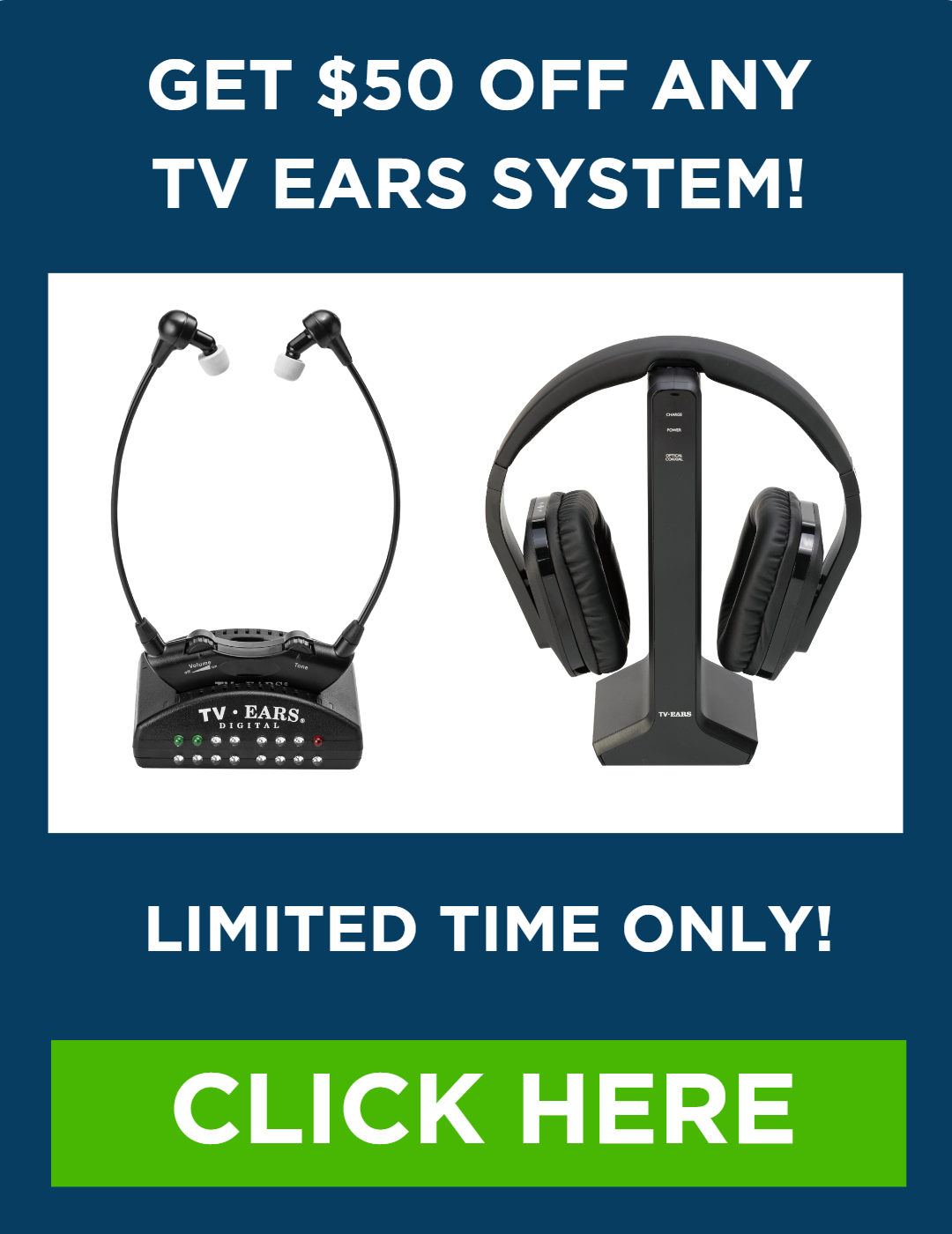
When your primary challenge is hearing the television, a specialized device is often the most direct and effective solution. Instead of a general amplifier that makes all sounds louder, a system like TV Ears is engineered specifically for this purpose. It uses Voice Clarifying Technology® to lift dialogue out from distracting background music and sound effects. The audio is sent directly from the TV to a comfortable headset, allowing you to set the volume to your perfect level without disturbing anyone else. This approach is designed to solve that one common problem: making television enjoyable for everyone in the room again. You end up hearing a clearer show, not just a louder one, so you can catch every word of the conversation.
If You’re Comfortable with Technology
If you’re comfortable with smartphones and gadgets, you might enjoy a hearing amplifier with advanced features. Many modern devices offer a high degree of control, allowing you to fine-tune your listening experience. Look for models that connect to a smartphone app, giving you the power to adjust settings for different environments right from your phone. Some even come with Bluetooth connectivity for streaming audio directly from your devices. These high-tech options often include features that allow for more personalized settings, giving you the flexibility to create the perfect sound profile for any situation, whether you’re on a phone call or listening to music.
Best Overall Experience: Jabra Enhance
If you’re looking for a solid, all-around performer that checks all the boxes, Jabra Enhance is a fantastic choice. It’s known for delivering excellent sound quality, which is crucial for making both conversations and TV dialogue easier to understand. What really makes it stand out is the customer support. You get a generous 100-day trial period to make sure it’s the right fit for you, plus ongoing guidance from hearing experts after your purchase. All models also come with Bluetooth, a great perk for streaming music or taking calls directly through your device. This combination of quality, support, and modern features makes it a leading choice for an overall great experience.
Best Invisible Fit: Eargo
For many people, the idea of wearing a visible hearing device is a major concern. If discretion is your top priority, Eargo is designed specifically for you. These devices are incredibly small and fit completely inside the ear canal, making them almost impossible for others to see. But their tiny size doesn’t mean you have to compromise on performance. Eargo provides good sound quality and comes with the added benefit of lifetime support from hearing professionals. This makes it an ideal option if you want effective hearing support that remains your little secret, allowing you to feel more confident in any social setting without drawing unwanted attention.
The Best Budget-Friendly Options
You don’t need to spend a fortune to get a quality hearing amplifier. If budget is a top concern, focus on devices that deliver clear sound without all the extra bells and whistles. Many companies offer effective, straightforward amplifiers that are simple to use and easy on your wallet. When comparing models, prioritize features like sound clarity, comfort, and battery life over things like app connectivity. You can find some of the most affordable options by looking for brands that specialize in essential amplification, proving that better hearing can be accessible to everyone.
Most Affordable: Audien
If you’re looking for the most wallet-friendly way to try a hearing amplifier, Audien is often the first stop. With devices starting at just $98, it’s an accessible entry point for many people who are curious about amplification. Despite the low price, you still get modern features like rechargeable batteries, and some models even include Bluetooth. According to reviews from the National Council on Aging, users appreciate the good sound quality and straightforward setup. The trade-off for the low cost, however, is a more basic experience. You won’t find expert hearing support, and the customer service and app are fairly simple. Some users also note the control buttons can be tricky to use.
Best for Beginners: Lexie
For anyone feeling a bit intimidated by the idea of a hearing device, Lexie is a fantastic choice. It’s designed to be incredibly easy to set up and use right out of the box, making it perfect for first-time users. The instructions are simple, the fit is comfortable from the start, and it’s still a budget-friendly option. All Lexie models connect to a smartphone app via Bluetooth, which allows for easy adjustments. It’s important to know that this reliance on the app is how you’ll make most changes. Also, only the most expensive model comes with rechargeable batteries and Bluetooth streaming, so you’ll need to weigh which features matter most to you.
For Hearing Clearly in Noisy Restaurants
Hearing in a bustling restaurant or at a lively family gathering can be a real challenge. While hearing amplifiers are great for making sounds louder in specific situations, a noisy environment can be tricky because they amplify everything—including the background chatter. For these scenarios, look for an amplifier with noise reduction or directional microphones. These features help the device focus on the sounds coming from in front of you, like the person you’re talking to, while toning down the distracting noises around you. This can make it much easier to stay engaged in the conversation.
For Your Hobbies and Outdoor Activities
Whether you love birdwatching, taking walks in the park, or attending community events, you’ll want an amplifier that’s comfortable, secure, and durable. For an active lifestyle, look for a small, discreet device that fits snugly in your ear and won’t get in the way. Good battery life is also key, so you don’t have to worry about it running out of power when you’re on the go. Many amplifiers are designed to perform well in different situations, from the quiet rustle of leaves on a trail to the cheerful sounds of a local festival, helping you fully enjoy your favorite activities.
How to Get the Most from Your Hearing Amplifier
So, you’ve got your new hearing amplifier—that’s a fantastic step toward hearing the world more clearly. Like any new tool, there’s a small learning curve to making it work perfectly for you. But don’t worry, it’s easier than you think. A little bit of setup and some simple daily habits will ensure you get the best possible experience. Think of it as getting to know a new friend who’s here to help you catch every word of your favorite show or every detail in a conversation.
Getting comfortable with your device is all about making it a seamless part of your routine. We’ll walk through everything from the moment you take it out of the box to the small adjustments that make a big difference. You’ll learn how to handle common hiccups like whistling sounds and how to keep your amplifier in top shape for years to come. With these tips, you’ll be able to fine-tune your device to deliver crisp, clear sound that’s just right for you, no matter where you are or what you’re listening to. It’s about more than just turning up the volume; it’s about rediscovering the sounds you’ve been missing and feeling more connected to the people and activities you love.
Setting Up Your Device for the First Time
Getting started with your hearing amplifier should be simple and stress-free. Most devices are designed to be used right out of the box with minimal fuss. You can often change the volume with just one finger using a small, easy-to-turn knob—no special tools needed. The goal is to just put them in and start hearing better right away.
Before you do anything else, take a moment to read the user manual. It’s your best resource for understanding the specific features of your device. When you’re ready to try it on, find a quiet room. Start with the volume set to a low level, then slowly increase it until you find a comfortable setting. This helps your brain adjust to hearing sounds you may have been missing.
Easy Tips for Daily Care and Maintenance
A little care goes a long way in keeping your hearing amplifier working its best. Make it a habit to wipe down your device with a soft, dry cloth each day to remove any earwax or moisture. Most amplifiers come with a small brush, which is perfect for gently cleaning the microphone port and other small openings.
It’s also a good idea to develop a cleaning routine to keep things simple. For some devices, you may need to replace the wax guard when it gets clogged. Always check your user manual for the full instructions on how to care for your specific model. Storing your amplifier in its case overnight will protect it from dust and damage, ensuring it’s ready for you in the morning.
How to Fix Common Problems Fast
Hearing a whistling or squealing sound? This is called feedback, and it’s usually an easy fix. The most common cause is an improper fit. First, try lowering the volume before you put the hearing aid in your ear. Then, make sure the device is placed firmly and correctly in your ear to create a good seal. A loose fit allows amplified sound to leak out and get picked up by the microphone again, causing that whistle.
Another simple thing to check is your ear. Keeping your ear canal clean and free of excess earwax can also prevent feedback. If the sound seems muffled or weak, the battery might be low or the sound port could be blocked with wax. A quick clean or a fresh battery usually solves the problem.
How to Get the Clearest Sound
The goal of a hearing amplifier isn’t just to make things louder—it’s to make them clearer. Quality devices are designed to give you clear and natural sound. To get the best results, you’ll want to adjust the volume to a level that feels right for your surroundings. This helps you avoid sudden loud noises and lets you focus on what you want to hear, like the dialogue in a movie.
For watching television, a specialized device like a TV listening system can make a world of difference by clarifying speech and sending audio directly to you. In general, start with a lower volume and gradually increase it. It might take a little experimenting to find your perfect setting for different situations, but taking the time to fine-tune the sound will give you a much better listening experience.
Using Your Amplifier in Different Situations
A hearing amplifier is a tool, and like any good tool, you need the right one for the job. The device that helps you hear the television perfectly might not be the best choice for a noisy restaurant or a quiet walk in the park. Different situations present unique sound challenges, from filtering out background chatter to amplifying a distant voice. Thinking about where you need the most hearing support is the first step to finding a device that truly fits your life. By matching the amplifier’s features to your daily activities, you can get the clear sound you need, wherever you are. This approach ensures you’re not just buying a device, but investing in a better listening experience for the moments that matter most.
At Home for TV and Family Time
For many, the living room is where hearing challenges first become obvious. When one person needs the TV volume loud enough to shake the walls while another needs it down, it can cause frustration for everyone. This is where a device designed specifically for television viewing shines. These assistive listening systems work by capturing the audio directly from the TV and sending it to a personal headset. This gives you your own personal volume control, allowing you to hear every word of dialogue clearly without making the TV too loud for family and friends. It’s a simple solution that brings harmony back to movie night.
In Social Settings like Restaurants and Parties
Busy social settings like restaurants and family gatherings can be overwhelming when you have trouble hearing. The mix of conversations, clattering dishes, and background music creates a wall of sound that makes it hard to focus on the person right in front of you. For these situations, look for a hearing amplifier with strong noise reduction features. These devices are designed to identify and lower background noise while clarifying speech. This helps you tune into your own conversation and feel more connected and engaged, rather than isolated by the noise around you.
For Quiet Environments like Lectures
Sometimes, the challenge isn’t too much noise, but too much distance. In a quiet setting like a church service, lecture hall, or community meeting, the speaker can sound faint and muffled. An amplifier with a directional microphone can be a great help here. These devices focus on capturing sound from a specific direction, so you can point them toward the speaker to bring their voice into focus. This allows you to hear clearly from the back of the room, ensuring you don’t miss important information or meaningful moments.
When You’re Outdoors Enjoying Nature
Whether you’re an avid birdwatcher, a gardener, or simply enjoy a walk in the park, the outdoors has its own unique soundscape. A good amplifier for outdoor activities can help you hear the subtle sounds of nature, like birds chirping or leaves rustling, while also making it easier to chat with a walking companion. Some devices are specifically designed to reduce wind noise, which can be a major distraction. Finding an amplifier that provides clear, natural sound can greatly enrich your time spent outside and help you stay active and engaged with the world around you.
Making Phone Calls Clearer
Phone calls are a vital link to family and friends, but they can be difficult when you can’t quite make out what the other person is saying. Asking someone to constantly repeat themselves is tiring for both of you. Many modern hearing amplifiers are built to make phone conversations easier. Some connect directly to your smartphone, while others have specific settings that reduce feedback and clarify the caller’s voice. This feature helps ensure you can catch every word, whether you’re making an important appointment or just catching up with a grandchild.
Understanding Pricing, Warranties, and Support
Making the decision to purchase a hearing amplifier is a big step, and it’s natural to have questions about the practical side of things, like cost and what happens after you buy. It’s smart to think about the entire experience, from the initial price to the support you’ll receive down the road. Let’s walk through what you can generally expect when it comes to pricing, warranties, and getting the help you need, so you can feel confident in your choice.
How Much Do Hearing Amplifiers Cost?
One of the first questions on anyone’s mind is, “How much will this cost?” The good news is that there’s a wide spectrum of options available to fit different budgets. Prices for these products can range from under $25 to over $5,500, but many quality assistive listening devices fall between $150 and $300. This variability means you can find a device that meets your hearing needs without straining your finances. The key is to balance the features you want with an affordable price to find the perfect match for your lifestyle and your wallet.
What Does the Warranty Cover?
When you invest in a hearing amplifier, you’re also investing in the company behind it. A good warranty is a sign that the company stands by its product. Before you buy, take a moment to look at what the warranty covers and for how long. It’s also helpful to see what’s included in the box. For example, a typical package might come with one hearing amplifier, multiple sizes of ear domes, batteries, a cleaning kit, and a case. Knowing what’s included helps you understand the full value of your purchase and ensures you have everything you need to get started right away.
Look for Trial Periods and Lifetime Support
Making a purchase like this is a big decision, and you want to feel confident that you’ve made the right choice. That’s why it’s so important to look for companies that offer trial periods for their devices. A trial period gives you the chance to test the amplifier in your own home, on your own couch, while watching your favorite shows. It’s the best way to know for sure if it solves the volume dilemma for your family. This risk-free opportunity allows you to experience the difference firsthand and ensures the device truly meets your needs before you make a final commitment.
Beyond the initial purchase, consider the long-term relationship with the company. A warranty is important, but even better is a company that provides ongoing customer service. Many reputable brands offer lifetime support, which means you can always reach out with questions or for troubleshooting help. This kind of commitment is a strong indicator that a company believes in its product and values its customers. Knowing that a friendly, helpful team is just a phone call away provides peace of mind and ensures you’ll get the most out of your device for years to come.
Finding Reliable Customer Support
Even the most user-friendly device can come with questions. That’s why reliable customer support is so important. Look for companies that make it easy to get in touch with a real person. If you need help finding the right product or troubleshooting an issue, you should be able to contact the company by phone. Some companies even offer dedicated lines for those with more significant hearing loss. Having accessible, friendly support provides peace of mind and ensures you can get the most out of your device without any added frustration.
Will Insurance Cover the Cost?
Figuring out how to pay for a hearing device is a major consideration for many people, especially seniors. It’s important to know that Medicare does not currently cover the costs of hearing aids, and this policy often extends to amplifiers as well. While this can be a hurdle, don’t get discouraged. Many companies offer payment plans or financing options to make their products more accessible. It’s always a good idea to check with your private insurance provider to see what they might cover and to ask the device manufacturer directly about any available payment programs.
Using FSA or HSA for Your Purchase
If you have a Flexible Spending Account (FSA) or a Health Savings Account (HSA), you might be able to use those pre-tax funds to purchase a hearing amplifier. These accounts are designed to help you pay for qualified medical expenses, and while hearing aids are typically covered, the rules for amplifiers can sometimes be different. For an FSA, you may need a Letter of Medical Necessity from your doctor to confirm eligibility, as amplifiers are not considered medical devices. HSAs tend to be more flexible. Before you buy, it’s always best to check with your plan administrator to understand the specific requirements. This simple step can help you save money by using the funds you’ve already set aside for your health and well-being.
Important Safety and Health Considerations
A hearing amplifier can be a fantastic tool for making specific activities, like watching your favorite shows, more enjoyable. But just like any device related to your health, it’s important to use it correctly and understand its role. Think of it as one part of your overall hearing wellness plan. Your hearing is unique, and taking a few simple steps will ensure you get the best and safest experience from your amplifier, helping you hear clearly while protecting your long-term hearing health.
The Risks of Untreated Hearing Loss
It’s easy to dismiss hearing difficulties as a minor annoyance, especially when it only seems to happen while watching TV. But hearing is deeply connected to our overall health. When we struggle to hear, our brains have to work overtime just to process sound, which can take a toll on other functions. Addressing hearing challenges isn’t just about convenience; it’s a crucial step in supporting your long-term cognitive and physical well-being. Ignoring the signs can lead to more significant issues down the road, affecting everything from your balance to your mental health.
Connection to Dementia and Falls
It might be surprising to learn that hearing loss is linked to a higher risk of cognitive decline and falls. According to the National Council on Aging, people often wait about ten years before they address their hearing loss. During that time, the brain is constantly strained as it tries to fill in the auditory gaps. This extra work can divert cognitive resources, potentially contributing to memory problems over time. Furthermore, our sense of hearing plays a role in our balance and spatial awareness. When you can’t hear your surroundings clearly, it can increase the risk of a fall, which is a major health concern for older adults.
Impact on Mental Health
The effects of hearing loss aren’t just physical; they can have a profound impact on your emotional well-being. When you can’t follow conversations at family dinners or with friends, it’s natural to start withdrawing from social situations. This isolation can quickly lead to feelings of loneliness, anxiety, and even depression. The good news is that taking action makes a real difference. Research shows that using hearing assistance is linked to a later diagnosis of depression and anxiety. By finding a solution that helps you stay connected to conversations and activities, you’re also taking an important step to protect your mental health.
Why You Should Talk to Your Doctor
If you’re having trouble understanding conversations or find yourself constantly reaching for the volume button, the best first step is to chat with a hearing specialist or an audiologist. While an amplifier is great for TV, a professional can give you a clear picture of your overall hearing health. They can perform a hearing test to determine if you have hearing loss and recommend the right path forward for you. This professional guidance is key to making sure you’re using the right tools for your specific needs, rather than just guessing.
Why Regular Hearing Check-ups Matter
Just like you get your eyes checked, it’s a great idea to have your hearing checked regularly. Your hearing can change over time, so what works for you today might need adjusting down the road. A hearing care expert can track these changes and offer personalized advice. Your hearing loss is unique, so a one-size-fits-all approach isn’t always the answer for all-day use. Regular check-ups ensure you’re always on top of your hearing health and using solutions that are safe and effective for your exact needs.
Simple Safety Rules for Daily Use
To get the most out of your device, it’s helpful to follow a few simple guidelines. Hearing amplifiers are designed to give a little extra volume in specific situations, like when the TV dialogue is hard to catch. They are not meant to treat a diagnosed hearing loss. It’s important not to use an amplifier to mask a more significant hearing issue, as this could potentially cause more damage over time. Always start with the volume on the lowest setting and gradually increase it to a comfortable level to avoid any sudden, loud noises.
When It’s Time to Consider a Hearing Aid
It’s crucial to understand the difference between a hearing amplifier and a hearing aid. An amplifier simply makes all sounds in your environment louder. A hearing aid, on the other hand, is a medical device prescribed by a professional. Hearing aids are highly sophisticated and can be programmed to amplify only the specific frequencies you have trouble hearing, while filtering out background noise. If a doctor has diagnosed you with hearing loss, a hearing aid is the approved and recommended treatment.
Long-Term Care for Your Hearing Amplifier
Your hearing amplifier is an important part of your daily life, and with a little attention, you can keep it performing its best for a long time. Just like any other device you rely on, a simple care routine can make all the difference. Taking a few moments each day or week to maintain your amplifier will protect your investment and ensure you continue to hear every moment clearly, from your favorite TV shows to conversations with loved ones. Think of it as simple upkeep that pays off with consistent, reliable sound.
Your Simple Maintenance Checklist
Keeping your amplifier in top shape doesn’t require much time. A great place to start is by creating a simple weekly habit. Gently wipe down the device with a soft, dry cloth to remove any oils or debris. Most amplifiers come with a small brush, which is perfect for carefully cleaning around the microphone and other openings. It’s also a good idea to regularly check any disposable parts, like ear tips, and replace them when they look worn out. For specific instructions tailored to your device, always keep the user manual handy as your go-to guide.
When Should You Get a New Device?
Over time, you might notice that your amplifier isn’t providing the same clarity it once did, or perhaps your hearing needs have changed. If sounds become distorted or you find yourself constantly adjusting the volume, it might be time to consider a new device. It’s also important to understand that hearing amplifiers and hearing aids work differently. Amplifiers are great for giving all sounds a general lift, but if you’ve been diagnosed with hearing loss by a professional, a hearing aid might be the more appropriate solution to target specific frequencies.
Choosing the Best Accessories
The right accessories can make using your amplifier easier and more secure. If you’re active or worried about misplacing your device, a hearing aid clip is a simple tool that fastens to your clothing to prevent it from getting lost if it falls out. It’s also smart to have extra supplies on hand, like replacement tubing or domes, so you’re never caught without them. You can find many popular accessories online that are designed to help you protect and get the most out of your device, giving you extra peace of mind.
How to Store and Protect Your Device
Where you keep your amplifier when you’re not using it matters. Always store it in a clean, dry place, away from direct sunlight and extreme temperatures. A dedicated case is the best option to protect it from dust and accidental drops. Moisture is the enemy of electronics, so never wear your amplifier in the shower or while swimming. Before putting your device in, make sure your ear is clean and dry. A little bit of care in how you handle and store your amplifier each day will go a long way in extending its life.
Related Articles
- Hearing aids vs hearing amplifiers: TV Viewers Guide
- Hearing Aids Quality: The #1 thing to consider
- The Unavoidable Reality: Confronting the Costs of Hearing Aids – TV Ears® Official Store
- Hearing aids for TV: What 1 type is best?
- A Guide to Leading Hearing Aid Manufacturers
Frequently Asked Questions
So, is a hearing amplifier just a less expensive hearing aid? That’s a common question, but they are actually two very different types of devices. A hearing aid is a medical device customized by a professional to address your specific pattern of hearing loss. A hearing amplifier is a consumer electronic product that makes all sounds louder, which is helpful for people with normal hearing who want a little extra volume in certain situations, like watching TV.
How do I know if I need an amplifier or should see a doctor for a hearing aid? A good rule of thumb is to think about why you’re struggling to hear. If you have normal hearing but want to catch faint sounds during a hobby like birdwatching, an amplifier could be a useful tool. However, if you consistently have trouble understanding conversations, frequently ask people to repeat themselves, or need the TV volume much higher than others, those are strong signs that you should schedule a professional hearing test.
Can I wear one of these everywhere, like in a noisy restaurant? While you can, it might not give you the result you’re looking for. Because a hearing amplifier makes all sounds louder, a busy restaurant can become even more overwhelming as the background chatter and clatter of dishes get amplified along with your companion’s voice. For noisy environments, a device with strong noise reduction features is best, but amplifiers generally shine in quieter, more controlled settings like your living room.
What’s the most common problem people have with amplifiers, and how do I fix it? The most frequent issue is a whistling or squealing sound, which is known as feedback. This almost always happens because the device doesn’t have a snug fit in your ear. When the fit is loose, amplified sound escapes and gets picked up by the microphone again, creating a loop. To fix it, simply try reinserting the earpiece to make sure it’s secure and creates a good seal.
Will an amplifier really help me hear the TV better without bothering my family? Yes, this is one of the best and most popular uses for a hearing amplifier. A device designed for television, like a TV listening system, sends the audio directly from the TV to a personal headset. This allows you to control your own volume, making the dialogue crisp and clear for you without changing the volume in the room for everyone else. It’s a simple way to make movie night enjoyable for the whole family again.