Are you constantly asking, “What did they just say?” during your favorite shows? The problem isn’t just volume—it’s clarity. Dialogue often gets buried under music, sound effects, and other background noise. A hearing amplifier with noise reduction is the perfect solution. This kind of ear hearing amplifier acts like a smart filter. Instead of just making everything louder, it intelligently quiets distracting sounds so voices come through crisp and clear. We’ll show you how this technology works and what key features will help you relax and finally enjoy television again.
Key Takeaways
- Noise reduction is the most important feature: It separates the dialogue you want to hear from distracting background noise, delivering clear sound instead of just more volume.
- Understand the difference between an amplifier and a hearing aid: Amplifiers are great for specific situations like watching TV, while hearing aids are medical devices for diagnosed hearing loss. Knowing which one you need is the first step to finding the right solution.
- Evaluate the company, not just the device: A great amplifier is backed by a great company. Look for practical features like comfort and simple controls, but also confirm there’s a solid return policy and accessible customer support before you buy.
What is a Hearing Amplifier with Noise Reduction?
If you find yourself constantly asking, “What did they say?” while watching TV, a hearing amplifier might be the simple solution you’re looking for. Think of it as a personal sound booster. It’s a device designed to make sounds louder and clearer, especially in specific situations. Unlike hearing aids, which are medical devices prescribed for diagnosed hearing loss, hearing amplifiers are available to everyone. They are a great tool for anyone who needs a little help catching every word, and they are often more affordable and accessible than traditional hearing aids.
The real magic, however, lies in a feature called noise reduction. An amplifier with noise reduction doesn’t just turn up the volume on everything. Instead, it intelligently separates the sounds you want to hear—like the dialogue in a movie—from the background noise you don’t, such as the hum of a fan or chatter from another room. This technology makes the listening experience much more pleasant and less overwhelming. It’s about bringing clarity to the sound, not just power, so you can relax and enjoy your favorite shows without straining to hear.
How Digital Signal Processing Clears Up Sound
At the heart of modern hearing amplifiers is a tiny but powerful computer chip that runs something called Digital Signal Processing, or DSP. This technology is what separates a high-quality amplifier from a basic sound booster. Instead of just making all sounds louder, DSP analyzes the sound coming into the device. It converts the sound waves into digital signals, cleans them up by reducing unwanted noise, and then converts them back into clearer, crisper sound that’s delivered to your ear. Recent advancements in digital signal processing have made today’s amplifiers smarter and more effective than ever, allowing them to adapt to different sound environments for a better listening experience.
Why Noise Reduction is a Game-Changer
The main benefit of noise reduction is simple: clarity. When you’re trying to follow a conversation or the plot of a TV show, background noise is the enemy. The whir of the air conditioner, traffic outside, or even the rustling of a snack bag can pull your focus and make you miss important details. Noise reduction technology acts like a filter, specifically targeting and dampening these distracting sounds. This allows the sounds you want to hear, like voices, to come through more prominently. As a result, you don’t have to strain as much to listen, which can reduce mental fatigue and make watching TV a more relaxing and enjoyable activity.
Hearing Amplifier Myths, Busted
There are a few common myths about hearing devices that can cause confusion. One is the fear that an amplifier will just make everything uncomfortably loud. The truth is that with today’s advanced sound processing, quality amplifiers are designed to manage sound levels effectively, raising the volume of quiet sounds without blasting the loud ones. Another misconception is that any over-the-counter amplifier is “good enough.” In reality, all hearing devices are not the same. A generic device might not be designed to meet your specific needs, whereas a specialized amplifier, like one designed for TV, is fine-tuned to clarify dialogue and provide the best possible experience for that activity.
Your Checklist for the Best Hearing Amplifier
When you start looking at hearing amplifiers, you’ll quickly notice there are a lot of options out there. It can feel a bit overwhelming, but focusing on a few key features will help you find a device that truly makes a difference in your daily life. It’s not just about turning up the volume; it’s about finding a solution that delivers clear sound, is comfortable to wear, and is simple to use.
Think of it like buying a new pair of glasses. You wouldn’t just pick the ones that make things look biggest; you’d want the ones that make everything sharp and clear, feel good on your face, and don’t require a complicated manual to use. The same principle applies here. We’re going to walk through the most important features to look for, from the technology that helps you hear conversations over background noise to the practical details like battery life and easy-to-use controls. This will give you the confidence to choose an amplifier that fits your needs and helps you reconnect with the sounds you love, like your favorite TV show.
Why Top-Tier Noise Reduction Matters
One of the most important features to look for is noise reduction. This is the technology that helps you focus on what you want to hear by filtering out what you don’t. Imagine you’re trying to watch a movie while the air conditioner is running or someone is talking in the next room. A good amplifier with digital noise reduction can analyze all those sounds, identify the distracting background noise, and quiet it down. This allows the dialogue from the TV to come through much more clearly. It makes listening less of a strain and more of an enjoyable, relaxing experience.
What to Listen For: Sound Quality and Clarity
Beyond just making sounds louder, a quality hearing amplifier should make them clearer. The goal is to enhance speech and important audio cues without distortion. This is where advanced sound processing comes in. Instead of just amplifying every single sound equally, which can be jarring, this technology intelligently clarifies voices and tones. It helps distinguish the subtle sounds in a TV show, making dialogue crisp and easy to understand. This focus on sound clarity is what separates a great device from a basic one, ensuring you’re not just hearing more noise, but more of what matters.
Comfort is Key: Finding Your Perfect Fit
If a device isn’t comfortable, you’re not going to want to wear it for very long. Since you might be using your amplifier for a full movie or several hours of TV, comfort is non-negotiable. Look for lightweight designs and soft materials that won’t cause irritation. Consider the style that works best for you—some people prefer a headset that rests under the chin, while others might like discreet earbuds. A proper fit also prevents whistling or feedback sounds, giving you a much better listening experience overall.
Potential Downsides: Fit and Feel
Even the best technology won’t help if the device is uncomfortable to wear. A common issue with some amplifiers is a poor fit, which can lead to ear fatigue or even soreness after watching a long movie. Some designs might feel bulky or heavy, while others may have ear tips that are too large or too small for your ear canal, causing them to slip out or create pressure. This isn’t just a minor annoyance; an improper fit can also cause feedback or whistling sounds, which completely undermines the goal of clear audio. It’s important to find a device that feels almost like it isn’t there, so you can focus on your show, not on your ears.
Powering Up: Battery Life and Charging
You want your hearing amplifier to be ready whenever you are. That’s why checking the battery life is so important. Look for devices that can last for several hours on a single charge, so you don’t have to worry about it dying in the middle of your favorite program. Rechargeable batteries are often the most convenient option, eliminating the need to constantly buy and replace tiny disposable ones. Many amplifiers come with a simple charging base where you can place the device when you’re not using it, ensuring it’s always powered up and ready to go.
What to Look For: Battery and Charging Specs
When you’re settling in for a movie night, the last thing you want is for your amplifier to run out of power. A long-lasting battery is essential for uninterrupted viewing. Many of today’s devices can run for an impressive amount of time on a single charge. For example, some of the top choices on the market offer 24 to 30 hours of continuous use, which means you can binge-watch an entire season of your favorite show without reaching for the charger. Aim for a device that provides enough power to get you through at least a full day of listening.
Rechargeable models are especially convenient because they do away with the hassle of tiny, disposable batteries. Most come with a simple charging dock where you can place the headset when you’re done watching. Pay attention to how long it takes for the device to get fully charged; some of the best options can be ready to go in just three hours. This quick turnaround ensures your amplifier is always available when you need it, making it a reliable part of your daily routine.
Making Adjustments Easy: Simple Controls
Technology should make life easier, not more complicated. The best hearing amplifiers have simple, intuitive controls that are easy to manage. Look for large, clearly marked buttons or dials for adjusting volume and tone. You shouldn’t need a magnifying glass or a technical manual to make a quick adjustment. Some devices even offer smart features that automatically adjust to your environment, giving you a seamless listening experience without you having to touch a thing. The focus should always be on user-friendly design, so you can spend more time enjoying what you’re hearing and less time fiddling with settings.
Modern Features: Bluetooth and App Control
As you browse different hearing amplifiers, you’ll likely come across models that offer features like Bluetooth connectivity and smartphone app controls. Bluetooth allows the device to connect wirelessly to your TV, phone, or tablet, streaming audio directly to your ears. App controls let you use your smartphone to fine-tune settings like volume and sound modes. While these features can offer a high degree of personalization, they can also add a layer of complexity. For many people, the goal is simply to hear the television clearly without fussing with apps or pairing procedures. A straightforward device that is dedicated to clarifying TV dialogue can often be a more practical and user-friendly solution.
Understanding the Technical Specs
The phrase “technical specs” can sound a bit intimidating, but you don’t need to be an engineer to understand the basics. Looking at a few key details can tell you a lot about how well an amplifier will perform. Think of it as checking the ingredients on a food label—you just want to know what’s inside and if it’s good for you. The most important technology in a modern hearing amplifier is its Digital Signal Processing, or DSP. This is a tiny computer chip that acts as the device’s brain, analyzing incoming sound and making it clearer before it reaches your ear. This is what separates a truly helpful device from a simple sound booster that just makes everything louder.
Understanding a couple of these specifications, like decibel levels and sound processing channels, will help you see why some amplifiers provide crisp, clear dialogue while others just deliver more noise. It’s not about memorizing numbers, but about recognizing what they mean for your listening experience. A device with strong noise reduction and precise sound processing is better equipped to isolate voices from background sounds, which is exactly what you need for watching television. We’ll break down what these terms mean so you can feel confident in your choice.
Sound Amplification and Noise Reduction Levels (dB)
When you look at product descriptions, you might see numbers followed by “dB,” which stands for decibels. This is simply a unit for measuring sound. You’ll typically see two different dB ratings: one for sound amplification and one for noise reduction. Sound amplification, sometimes listed as “gain,” tells you how much louder the device can make sounds. For example, a +50dB rating means it can significantly increase the volume. However, the more critical number is the noise reduction level. This tells you how effectively the device can quiet distracting background noise, and a higher number is better. A good amplifier finds the right balance, providing enough volume while actively reducing unwanted sounds for maximum clarity.
Sound Processing Channels
Sound processing channels are another important feature that contributes to clear audio. You can think of these channels like the sliders on a graphic equalizer for a stereo system. Each channel is responsible for a different range of sound frequencies, from low bass tones to high-pitched trebles. The more channels an amplifier has, the more precisely its internal DSP chip can adjust the sound. This allows it to identify the specific frequencies of human speech and enhance them while simultaneously reducing the frequencies associated with background noise. This level of fine-tuning is what makes dialogue pop, so you can easily follow conversations without getting distracted by other sounds in the room.
A Peek Inside: How Noise Reduction Works
Have you ever tried to follow a conversation in a bustling restaurant or catch the quiet dialogue in a movie with a loud soundtrack? It can be frustrating when background sounds overpower what you actually want to hear. This is where noise reduction technology comes in. Think of it as a smart filter for your ears. It’s designed to identify distracting background noises and turn them down, so the sounds you want to hear—like the voices on your favorite TV show—come through more clearly.
This technology is the magic inside modern hearing amplifiers. It works tirelessly to clean up the sound before it reaches your ears, creating a more pleasant and understandable listening experience. Instead of just making everything louder, which can make background noise even more irritating, these devices selectively clarify sound. This allows you to focus on the dialogue without having to strain, making TV time enjoyable for everyone in the room. The goal isn’t just volume; it’s clarity.
The Brains of the Operation: Digital Signal Processing
At the heart of modern noise reduction is a tiny but powerful computer chip that runs on something called Digital Signal Processing, or DSP. This chip is the brain of the operation. It captures the sound around you, converts it into a digital format, and analyzes it in an instant. This process allows the amplifier to intelligently distinguish between different types of sounds.
Because the sound is in a digital format, the device can manipulate it with incredible precision. It can identify the frequencies of human speech and separate them from the low hum of an air conditioner or the rustling of a snack bag. Advancements in digital signal processing are what make today’s hearing amplifiers so effective at improving sound clarity in a variety of environments.
How Your Amplifier Quiets the Room
One of the most helpful things noise reduction technology does is filter out steady, ambient sounds. These are the persistent noises in the background that you might not always notice, but they can interfere with your ability to hear clearly. This includes sounds like the whir of a fan, the hum of a refrigerator, or the drone of traffic outside.
The technology is programmed to recognize these constant, low-frequency sounds and reduce their volume. By dialing down this audio clutter, the amplifier makes it much easier for you to focus on the sounds that matter. It’s similar to how a pair of noise-canceling headphones works on an airplane, quieting the engine roar so you can enjoy your music or movie in peace.
Specific Types of Noise Reduction Technology
Not all noise is created equal, and the technology designed to combat it is just as specialized. When you see “noise reduction” on a product’s feature list, it often refers to a suite of tools working together to clean up the sound. Different technologies are built to handle different types of unwanted noise, from the constant hum of an appliance to the sudden clatter of a dropped plate. Understanding these specific features can help you appreciate what a quality hearing amplifier is doing to create a clearer, more enjoyable listening experience, especially when you’re settled in to watch your favorite show.
Digital Noise Reduction
Think of digital noise reduction as the foundation of a clear audio experience. This is the technology that tackles the steady, persistent background sounds that can muddy up a TV show’s audio. It acts like a smart filter, identifying and turning down the volume on things like the whir of a ceiling fan, the hum of an air conditioner, or the drone of traffic outside your window. By quieting this constant audio clutter, the technology allows the sounds you want to hear, like dialogue and important sound effects, to stand out. This means you can follow the conversation without having to strain, making your viewing experience much more relaxing.
Impulse Noise Reduction
Have you ever been startled by a sudden, loud noise in a movie, like the clanking of dishes or a door slamming shut? Impulse noise reduction is designed specifically for those moments. This feature instantly recognizes and softens abrupt, sharp sounds that can be jarring to the ear. It works to smooth out the audio landscape, so you aren’t taken by surprise by unexpected loud noises. This is especially helpful for making action movies or dramatic scenes more comfortable to listen to, ensuring the volume of these sudden sounds doesn’t become overwhelming or uncomfortable, allowing you to stay immersed in the story.
Wind Noise Reduction
While primarily designed for outdoor use, wind noise reduction is another sophisticated feature found in advanced hearing devices. As the name suggests, it’s engineered to minimize the roaring or whistling sound that wind can create as it passes over the device’s microphones. For anyone who enjoys spending time outside, this technology is a must-have for clear conversations. Even indoors, it can be useful if you like to watch TV with a window open or a fan running nearby. By reducing this specific type of interference, it helps ensure that your listening experience remains clear and uninterrupted, no matter your environment.
Tuning In to Voices, Not Noise
The ultimate goal of a hearing amplifier, especially for watching TV, is to make dialogue easier to understand. Noise reduction technology excels at this by specifically targeting speech frequencies. The system is smart enough to know the difference between a character talking and a car exploding in the background.
It actively analyzes the incoming audio and gives a priority to the frequencies where human voices fall. This process, sometimes called speech enhancement, makes dialogue sound crisp and distinct, even when there’s music, sound effects, or other background noise in a scene. This is key to enhancing speech clarity and lets you follow the plot without constantly asking, “What did they just say?”
From Quiet Rooms to Busy Cafes
Not all sound environments are the same. A quiet news program has a very different audio landscape than a live sporting event or a dramatic movie. Advanced hearing amplifiers use what’s known as multi-channel processing to adapt to these different situations. This means the device can adjust its filtering and amplification across several different frequency bands.
This adaptability allows the amplifier to provide the right kind of support for what you’re listening to. It can apply gentle noise reduction during a quiet scene and more aggressive filtering during a loud commercial. This ensures you get a clear, comfortable listening experience that feels natural and is tailored to the moment, providing amplification that is truly suited to your needs.
Amplifiers vs. Hearing Aids: What’s the Difference?
When you’re struggling to hear clearly, it’s easy to get confused by the different devices available. You’ve likely heard of hearing aids, but you may have also seen personal sound amplifiers. While they might seem similar, they serve very different purposes. Understanding the distinction is the first step toward finding the right solution for your needs. Think of it this way: you wouldn’t use reading glasses to treat a medical eye condition, and the same logic applies here. Let’s break down what sets these two types of devices apart.
Let’s Compare: Amplifiers and Hearing Aids
The most important difference is that hearing aids are medical devices. They are regulated by the FDA and designed to treat diagnosed hearing loss. A licensed audiologist or hearing specialist must program them to match your specific hearing profile, addressing your unique pattern of hearing loss across different frequencies. On the other hand, personal sound amplification products (PSAPs), or hearing amplifiers, are consumer electronics. They are not intended to treat hearing loss. Instead, they simply make all sounds in your environment louder, which can be helpful for people who just need a little help in certain situations, like watching TV or birdwatching.
What’s Different About the Tech?
Because hearing aids are medical devices, their technology is far more sophisticated. They are programmed to amplify only the specific frequencies where you have hearing loss, while features like noise reduction technology help filter out unwanted background sounds to make speech clearer. Amplifiers, in contrast, generally increase the volume of all sounds equally. While some advanced amplifiers offer noise reduction, they don’t have the same level of customization as a hearing aid. A hearing aid is tailored to your personal hearing needs, while an amplifier provides a more general volume increase.
What’s the Cost Difference?
The difference in technology and regulation is directly reflected in the price. It’s not uncommon for a pair of hearing aids to cost anywhere from $1,000 to over $6,000, a price that often includes professional fitting and follow-up services. This can be a major barrier for many people. Hearing amplifiers are a much more affordable and accessible option, with prices typically ranging from under one hundred to several hundred dollars. They can be purchased directly online or in stores without a prescription or a visit to a specialist, making them an easier first step for those who just need a little extra volume in specific settings.
Which One Do You Really Need?
So, how do you choose? The answer depends on your specific situation. If you find yourself constantly asking people to repeat themselves, struggling to follow conversations in noisy places, or having difficulty understanding speech, it’s a good idea to get your hearing tested by a professional. An audiologist can determine if you have hearing loss and recommend the right medical-grade device for you. However, if your hearing is generally fine but you have trouble hearing the TV without blasting the volume, a hearing amplifier designed for that purpose could be the perfect, simple solution to bring clarity back to your viewing experience without disturbing others.
An Expert Perspective: Who Should Use an Amplifier?
Hearing experts are clear on this point: the right device depends entirely on the problem you’re trying to solve. Hearing amplifiers are designed for specific situations where you need a little extra help, not for managing a medical condition. As hearing professionals at hear.com explain, amplifiers are great for activities like watching TV or listening for faint sounds in nature. They are a tool for a task. Hearing aids, on the other hand, are medical devices prescribed and customized by a professional to treat diagnosed hearing loss. Knowing which one you need is the most important step in finding a solution that actually works for you.
A Word of Caution from Audiologists
It’s important to know that audiologists—doctors who specialize in hearing—do not recommend hearing amplifiers for people with diagnosed hearing loss. This isn’t because amplifiers are bad; it’s because they aren’t the right tool for that specific job. Hearing loss is a complex medical issue that affects different sound frequencies in unique ways for each person. A hearing aid is carefully programmed to address that unique pattern. Using a simple amplifier when you have hearing loss is like putting a basic magnifying glass on a complex problem. It might make some things louder, but it won’t provide the tailored clarity you truly need to hear well in all situations.
What About Over-the-Counter (OTC) Hearing Aids?
A newer category you might see are over-the-counter (OTC) hearing aids. These devices are regulated by the FDA and are intended for adults with perceived mild to moderate hearing loss. Unlike prescription hearing aids, you can buy them directly without visiting a hearing specialist. They offer more advanced features than a typical amplifier and are designed for all-day use. However, they are still different from a personal sound amplifier, which is built for situational use. For many people who don’t have diagnosed hearing loss but simply want to hear the TV better, an amplifier remains a more affordable and straightforward solution without the complexity of a medical device.
Choosing the Right Hearing Amplifier for You
Finding the right hearing amplifier is about matching a device to your specific lifestyle and hearing challenges. It’s not about finding the most expensive or feature-packed option, but the one that feels right for you. When you start looking, it’s easy to get lost in technical terms and endless choices. The best way to cut through the noise is to focus on a few key areas: your personal hearing needs, the features that will actually make a difference in your day, the price, and the support you’ll get after you buy.
Thinking through these points will help you make a confident choice. It turns a confusing search into a simple, step-by-step process. You’ll be able to compare different models with a clear idea of what you’re looking for, ensuring you end up with a device that genuinely improves your ability to hear and connect with the world around you. Let’s walk through what to consider.
What Are Your Personal Hearing Needs?
Before you even look at a single product, take a moment to think about your own hearing. Everyone’s experience is different. Where do you struggle the most? Is it hearing the dialogue in your favorite TV show while your family complains the volume is too high? Or is it trying to follow a conversation at a busy family dinner? Make a mental list of these specific situations. For many people with age-related hearing loss, the key is finding a device that can clarify speech without just making all sounds louder. This often requires technology that can provide amplification across different sound channels, targeting the specific frequencies where you need the most help.
What Features Can’t You Live Without?
Once you know when you need help hearing, you can decide what features will help you most. Think of this as your personal checklist. For many, the most important feature is effective noise reduction technology. This helps filter out distracting background sounds, making it easier to focus on what you want to hear. Other key features to consider are battery life (do you prefer rechargeable or disposable?), comfort and fit (will you be wearing it for hours at a time?), and how easy the controls are to use. You want a device that simplifies your life, not one that adds another layer of complexity.
How Much Should You Spend?
Cost is a practical and important factor. The good news is that hearing amplifiers are generally much more affordable than traditional hearing aids. While the average price of a single hearing aid can be thousands of dollars, amplifiers offer a more accessible starting point. Prices for amplifiers can vary, usually depending on the sophistication of the technology inside. A basic model will cost less than one with advanced noise reduction and rechargeable batteries. Set a budget that feels comfortable for you, but remember that investing a little more in quality features can lead to a much better listening experience.
Don’t Forget the Warranty and Support
A hearing amplifier is an important purchase, and you want to know the company stands behind its product. Before you buy, always check the warranty. What does it cover, and for how long? Just as important is the level of customer support. Is there a phone number you can call if you have trouble with setup or a question about the device? Not all over-the-counter devices are created equal, and some are not subject to the same regulations as traditional hearing aids. Choosing a product from a reputable company with strong customer support and a clear warranty provides peace of mind and ensures you’ll have help if you ever need it.
Matching an Amplifier to Your Lifestyle
A hearing amplifier can be a fantastic tool, but the “best” one really depends on where you plan to use it. The features that make an amplifier great for a quiet evening at home might not be the same ones you need for a bustling restaurant or a walk in the park. Thinking about your daily routines and the situations where you find hearing most challenging will help you pinpoint the right device. Let’s walk through a few common scenarios and what to look for in an amplifier for each one. This way, you can find a solution that fits seamlessly into your life and helps you hear what matters most, wherever you are.
Want to Hear the TV Better?
If you find yourself constantly reaching for the volume remote or asking “What did they say?” during your favorite shows, an amplifier designed for television can make a world of difference. The key here is dialogue clarity. Look for models that are specifically built to enhance sound clarity and separate speech from loud background music or sound effects. This allows you to catch every word without turning the volume up to a level that disturbs others in the room. A dedicated TV listening device often connects directly to your television, sending clear audio right to you and creating a much more peaceful and enjoyable viewing experience for everyone.
Specialized Devices for TV Listening
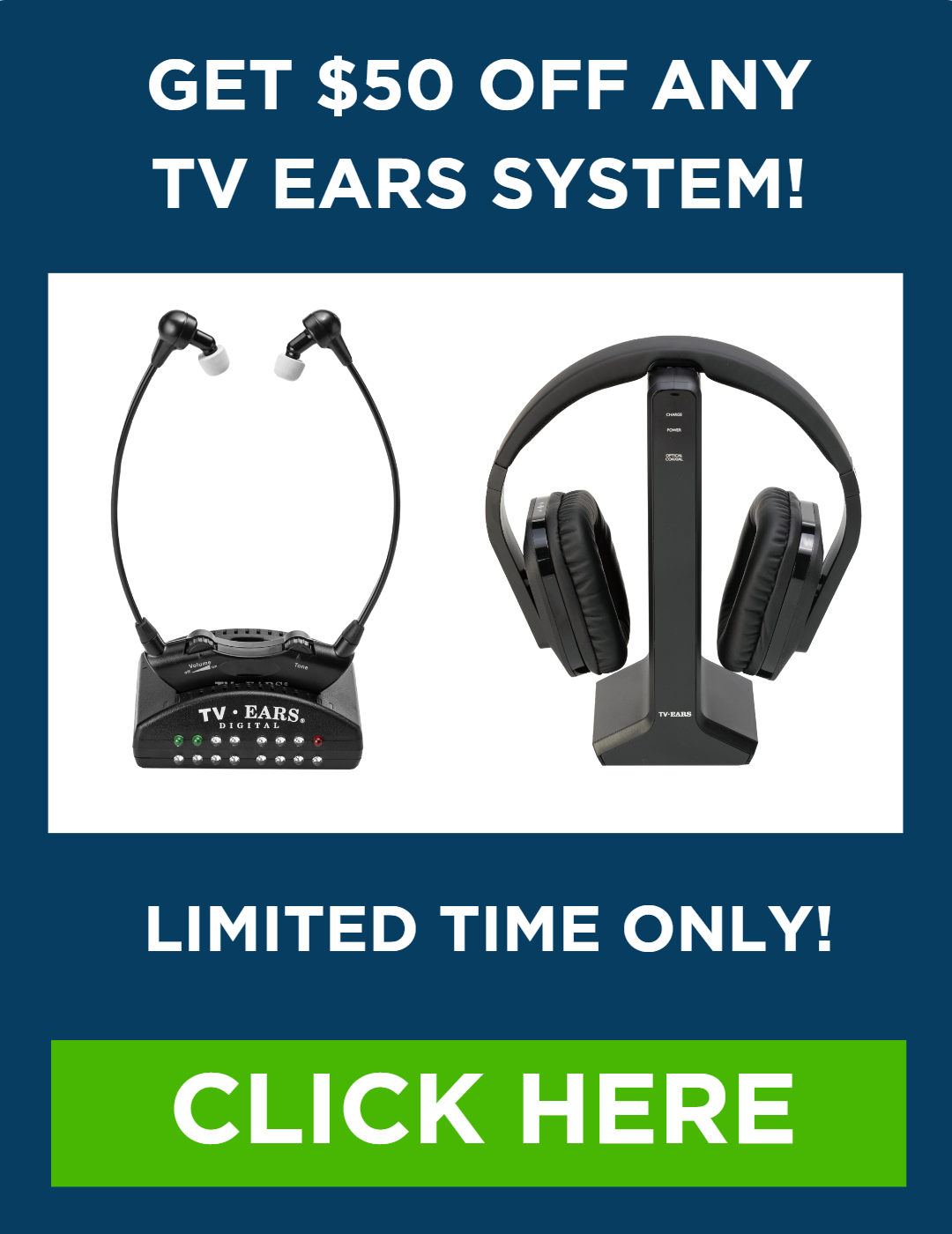
For the specific challenge of hearing television, a specialized device is often the best solution. Unlike a general amplifier that picks up all the sound in a room, these systems connect directly to your TV. This direct connection is a game-changer because it allows the device to focus solely on the TV’s audio. Advanced systems then use what’s called Voice Clarifying Technology® to separate dialogue from distracting background noise, like music and sound effects. The result is that you get crisp, clear sound delivered right to you, at a volume that’s perfect for your ears, while everyone else in the room can listen at a comfortable level. It’s a simple way to end the arguments over the remote and make movie night enjoyable for everyone again.
Staying in the Conversation at Parties
Family dinners, parties, and get-togethers with friends should be about connection, not straining to keep up with the conversation. In these lively settings, multiple people are often talking at once, creating a jumble of noise. This is where noise reduction technology becomes your best friend. A good amplifier for social events will be able to identify and lower background chatter, the clatter of dishes, or music, while making the voices of the people you’re talking to stand out. This helps you focus on one conversation at a time, so you can feel more present and engaged with your loved ones.
Enjoying the Outdoors with Clear Sound
Whether you enjoy birdwatching, gardening, or taking peaceful walks, the outdoors has its own unique soundscape. For these situations, you’ll want an amplifier that brings the sounds of nature to life without also amplifying the rush of the wind. Many hearing amplifiers are designed for people who want to hear more clearly in specific environments. When choosing one for outdoor use, look for features that minimize wind interference. This will help you hear the subtle sounds you want—like birds chirping or leaves rustling—without the distracting whooshing noise that can ruin a quiet moment outside.
Hearing Clearly in Noisy Restaurants
Busy restaurants, cafes, and public venues can be some of the most challenging listening environments. The combination of conversations, background music, and ambient noise can feel overwhelming. To stay connected in these spaces, look for an amplifier with advanced noise reduction. These devices use smart technology to filter out the surrounding clamor, delivering a clearer sound directly to you. This ensures you can comfortably follow a conversation with your dining companion without feeling exhausted by the effort of trying to hear over the noise, making public outings much more relaxing and enjoyable.
Making Your Hearing Amplifier Work for You
You’ve chosen a hearing amplifier to bring more clarity to your world, and that’s a fantastic step. Now, let’s make sure you get the best possible experience from your new device. Like any new tool, a little bit of setup and simple care can make all the difference. Think of this as your quick-start guide to making your amplifier feel like a natural part of your day. With just a few easy habits, you can ensure your device performs its best, helping you catch every word of your favorite show or conversation. Getting comfortable with your amplifier will help you feel more connected in social settings and enjoy your entertainment without frustration. We’ll walk through everything from the first time you take it out of the box to simple troubleshooting tips, so you can feel confident and in control of your hearing experience from day one.
Your First-Time Setup Guide
When you first unbox your amplifier, take a moment to get acquainted with it. The goal is to tailor the device to your specific hearing needs for the best results. Start by reading the instruction manual carefully—it’s your roadmap. Charge the device fully before you use it for the first time. When you’re ready, place it in your ear and experiment with the volume controls in a quiet room. Start at the lowest setting and gradually increase it until you find a level that feels clear and comfortable. Don’t be afraid to make small adjustments over the first few days as you get used to hearing sounds more clearly.
What’s in the Box? Common Accessories
When you open the box for your new hearing amplifier, you’ll typically find more than just the device itself. Most packages include a set of essential accessories to help you get started and keep your amplifier in great shape. You can expect to see a charging case and USB cable, a small cleaning brush or tool, and an instruction manual. One of the most important items is a selection of different-sized ear tips. Taking the time to find the right fit is crucial, as a snug seal not only makes the amplifier more comfortable for long-term wear but also improves sound quality and prevents whistling or feedback. These thoughtful additions ensure you have everything you need for a clear and comfortable listening experience right from the start.
A Quick and Easy Care Routine
Keeping your hearing amplifier in top shape is easier than you think and only takes a minute. The most important habit is regular cleaning. Most devices come with a small brush, which is perfect for gently clearing away any earwax or debris from the microphone and sound ports. A quick wipe with a dry, soft cloth at the end of each day can also prevent buildup. This simple step ensures you always get the best sound quality and helps your device last for years. Remember to store your amplifier in its case overnight to protect it from dust and moisture.
Is Your Amplifier Acting Up? Try This
Even the best technology can have a hiccup now and then. One of the most common things you might notice is a whistling sound, also known as feedback. Don’t worry—this is usually not a sign of a problem with the device itself. Whistling often happens when the amplifier is turned on but isn’t sitting snugly in your ear. The amplified sound escapes your ear and gets picked up by the microphone again, creating a loop. To fix it, simply make sure the earpiece is positioned correctly and fully seated in your ear canal. If the whistling persists, try lowering the volume slightly before adjusting the fit.
How to Stop Whistling and Feedback
That high-pitched whistling sound, known as feedback, is usually a simple fix. It happens when the amplified sound from your device escapes your ear and gets picked up by the microphone again, creating what’s known as a feedback loop. The first thing to check is the fit. Make sure the earpiece is seated securely in your ear canal, creating a good seal. If the fit feels right but you still hear a whistle, try this: turn the volume down before you put the amplifier in your ear. Once it’s comfortably in place, slowly turn the volume back up to your desired level. This simple sequence usually stops the feedback from starting. A snug fit is the best way to prevent feedback from happening in the first place, ensuring you get clear sound without any annoying interruptions.
Pro Tips for the Clearest Sound
To truly get the most out of your amplifier, take full advantage of its features, especially digital noise reduction. This technology is designed to be your best friend in noisy environments. It works by identifying and lowering distracting background sounds, like the hum of an air conditioner or chatter at a restaurant, while keeping speech clear. When you’re in a busy place, give the noise reduction feature a try. This will help you focus on the conversation in front of you without feeling overwhelmed. Using these advanced features allows your amplifier to adapt to different situations, giving you a better listening experience wherever you go.
How to Buy with Confidence
Making the decision to purchase a hearing amplifier is a big step, and you deserve to feel completely secure in your choice. Buying with confidence comes down to knowing what to look for in a product and, just as importantly, in the company selling it. It’s about more than just features; it’s about trust, support, and peace of mind. When you know where to shop, what a good seller looks like, and what your rights are as a customer, you can find the right device without the stress. It’s easy to get overwhelmed by the options, but focusing on a few key indicators of quality and reliability can make the process much smoother.
A little preparation goes a long way. Before you add anything to your cart, take a moment to check for a few key things. Look for trusted retailers that have a history of customer satisfaction. Pay attention to how a seller presents their products and what kind of support they offer. And always, always read the fine print on the return policy. These simple steps will help you find a high-quality hearing amplifier that fits your needs and a company that will stand by you long after your purchase. Think of it as creating a checklist for a smart, worry-free purchase.
Where Should You Buy Your Amplifier?
When you’re ready to start shopping, it’s best to stick with reputable retailers. Big-name stores are often a great place to begin your search because they typically offer a wide selection of products that have been vetted for quality. For example, you can find a variety of sound amplifiers and OTC hearing aids at major retailers, giving you the chance to compare different models and features in one place. Shopping with a well-known company also means you’ll likely have access to established customer service channels if you have questions or need assistance, which is a huge plus.
Spotting a Reputable Seller
A good seller does more than just list a product; they provide you with all the information you need to make an informed decision. Look for companies that offer detailed product descriptions, clear images, and a full list of features. A trustworthy seller is transparent about what their device can do, from its noise cancellation capabilities to its battery life. They should also be easy to contact, with clear customer service information available on their website. When a company is proud of its product and dedicated to its customers, it shows.
Decoding Confusing Online Marketing Terms
When you shop for a hearing amplifier online, you’ll run into a lot of flashy marketing phrases like “Crystal Clear Sound” or “HD Audio.” While these sound great, they don’t tell you much about the technology inside the device. Instead of getting swayed by buzzwords, it’s more helpful to look for the specific features that actually create that clarity. The most important term to watch for is noise reduction, which is often powered by something called Digital Signal Processing (DSP). This is the tiny computer chip inside the amplifier that acts as its brain, intelligently filtering sound to separate the voices you want to hear from distracting background noise. It’s the key difference between a device that just makes everything louder and one that makes dialogue truly understandable—which is exactly what you need for watching television.
What if You Need to Make a Return?
A fair return policy is one of the most important things to look for when buying a hearing amplifier. You need time to try the device in your own home, watching your favorite shows or talking with family, to know if it’s the right fit for you. Companies that stand behind their products offer a risk-free trial period. For instance, many sellers provide a 30-day return window for a full refund or replacement. Before you buy, read the policy carefully. A clear, customer-friendly return policy is a strong signal that you’re buying from a company that values your satisfaction.
Why Good Customer Support Is a Must
Great customer support can make all the difference, especially when you’re getting used to a new device. Before you purchase, see what kind of support the company offers. Do they have a phone number, email, or live chat? Reading customer reviews can also give you a good sense of how a company treats its customers after the sale. Additionally, look for devices that are FDA-cleared, as this indicates the product meets certain standards for safety and effectiveness. Knowing that help is available if you need it provides an extra layer of confidence in your purchase.
Related Articles
- Hearing Aids Quality: The #1 thing to consider
- Hearing aids vs hearing amplifiers: TV Viewers Guide
- Headphones as hearing aids; Know this 1 vital factor
- 5 Best TV Hearing Aid Devices for Clear Sound
- A Guide to Leading Hearing Aid Manufacturers
Frequently Asked Questions
Will a hearing amplifier just make everything uncomfortably loud? That’s a common and completely valid concern. The good news is that a quality amplifier with noise reduction doesn’t just crank up the volume on everything around you. Instead, its smart technology, often called Digital Signal Processing, analyzes sounds. It intelligently raises the volume of things you want to hear, like voices on TV, while simultaneously quieting distracting background noises like the hum of the air conditioner. The goal is clarity, not just loudness, so you get a crisp, clear sound that’s comfortable to listen to.
How do I know if I need an amplifier or a hearing aid? This is a great question, and the answer really depends on your specific challenges. If your main struggle is hearing the television clearly or you need a little help in specific situations like a quiet conversation, a hearing amplifier is an excellent place to start. However, if you find yourself having trouble hearing in a wide variety of daily situations, like in restaurants, at work, and during family chats, it’s a good idea to see a hearing professional. They can determine if you have hearing loss that would be best treated with a medical-grade hearing aid.
Are these devices difficult to set up and use every day? Not at all. Most hearing amplifiers, especially those designed for watching TV, are created with simplicity in mind. The setup usually involves plugging a small transmitter into your television and charging the headset. The controls are typically straightforward, with large, easy-to-use buttons or dials for adjusting the volume and tone to your liking. The goal is to make the technology work for you, not the other way around, so you can spend less time fiddling with settings and more time enjoying your shows.
Can I use a TV amplifier in other situations, like at a restaurant? While some personal sound amplifiers are designed for all-purpose use, devices made specifically for television are optimized for that environment. They often connect directly to your TV to give you the clearest possible audio from that source. While the noise reduction features could certainly help in a restaurant, a dedicated TV device might not be the most practical or effective solution for a social setting. If you need help in various environments, you might consider a more general-purpose amplifier.
What if I buy one and it doesn’t feel right for me? Trying a new device is a personal experience, and what works for one person might not be the perfect fit for another. That’s why it’s so important to buy from a company that offers a trial period and a straightforward return policy. A reputable seller will give you time, often 30 days, to use the amplifier in your own home. This gives you a risk-free opportunity to see if it truly makes a difference in your daily life. Always check the return policy before you buy to ensure you can make your purchase with complete confidence.