Finding yourself constantly asking “what did they say?” during your favorite TV show is frustrating. It’s a common sign that it might be time to seek professional help for your hearing. But where do you start? The world of hearing healthcare can seem complex, with different specialists and titles. You might wonder whether you need to see an audiologist or an ENT, and you may even ask, “are audiologists doctors?” Understanding their qualifications is the first step toward finding a solution. This article will break down the role of an audiologist, explain their training, and help you understand how they can provide a path to clearer hearing, both in general and for specific challenges like enjoying television again.
Are Audiologists Doctors? Here’s What You Need to Know
First and foremost, it’s important to understand what an audiologist is and what services they provide. An audiologist is a healthcare professional who specializes in diagnosing, treating, and managing hearing and balance disorders. They have extensive knowledge of the anatomy and physiology of the ear and how it relates to hearing and balance. Audiologists provide a wide range of services, including hearing evaluations, hearing aid fittings, cochlear implant programming, tinnitus management, and balance testing. They also work closely with other healthcare professionals, such as ENT doctors, to provide comprehensive care for their patients. So, are audiologists doctors? While audiologists do not hold medical degrees like doctors, they do hold doctoral degrees in audiology, typically a Doctor of Audiology (Au.D.) degree. This degree requires extensive coursework in audiology, as well as supervised clinical experience. Additionally, audiologists are licensed healthcare professionals who are held to the same standards and ethical guidelines as doctors. One of the most important roles that audiologists play is in the early detection and prevention of hearing loss. Hearing loss is a common condition that affects millions of people worldwide, and it can have a significant impact on quality of life if left untreated. Audiologists are trained to identify the signs of hearing loss and provide appropriate treatment options, such as hearing aids or cochlear implants. In addition to treating hearing loss, audiologists also play an important role in the management of tinnitus, a condition that causes a persistent ringing or buzzing in the ears. Tinnitus can be a frustrating and debilitating condition, but audiologists can provide effective management strategies, such as sound therapy and counseling. Audiologists are highly trained healthcare professionals who play a vital role in the diagnosis, treatment, and management of hearing and balance disorders. While they may not hold medical degrees, they hold doctoral degrees in audiology and are licensed healthcare professionals. If you’re experiencing hearing or balance issues, it’s highly recommended seeking the services of an audiologist to get the care and support you need.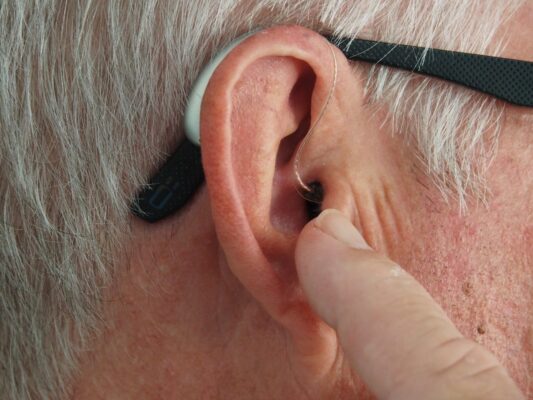
What Is an Audiologist?
If you’ve ever found yourself asking friends to repeat themselves or noticed a persistent ringing in your ears, you might have considered seeing a hearing specialist. But which one? An audiologist is a great place to start. Think of them as the primary care provider for your hearing and balance systems. They are highly trained healthcare professionals who specialize in identifying, diagnosing, and managing disorders related to your ears. Their expertise covers everything from the quietest whisper you can’t quite catch to the dizzying feeling of vertigo. They use specialized equipment and tests to get a complete picture of your hearing health, helping you understand exactly what’s going on.
The Role of a Hearing Health Professional
An audiologist’s main role is to serve as your guide to better hearing. They are healthcare professionals who specialize in diagnosing, treating, and managing hearing and balance disorders. Unlike a hearing aid dispenser who primarily sells devices, an audiologist provides comprehensive care. They conduct thorough evaluations to determine the cause and severity of your hearing issues and then create a personalized treatment plan. This plan might include hearing aids, but it could also involve other therapies, communication strategies, or referrals to other medical specialists if needed. They are dedicated to helping you navigate the challenges of hearing loss and improving your overall quality of life through better communication.
Key Services Provided by Audiologists
Audiologists offer a wide range of services that go far beyond a simple hearing screening. Their goal is to provide a complete solution for your hearing and balance needs, ensuring you receive the right care at the right time. From initial testing to long-term management, they are equipped to handle various aspects of auditory health. These services are tailored to your specific condition, lifestyle, and personal preferences, making them a crucial partner in your healthcare journey. Let’s look at some of the most common services they provide.
Hearing and Balance Evaluations
The foundation of an audiologist’s work is the comprehensive hearing evaluation. This isn’t just about raising your hand when you hear a beep. They perform a series of tests in a sound-treated booth to measure your ability to hear different frequencies and understand speech in various environments. These evaluations help pinpoint the exact nature of your hearing loss. Additionally, many audiologists are trained to conduct balance testing to diagnose and manage disorders like vertigo. This thorough assessment ensures that any treatment plan is based on precise, objective data about your auditory system.
Hearing Aid Fittings and Programming
If a hearing aid is recommended, an audiologist doesn’t just hand you a device and send you on your way. They are experts at selecting the right technology for your specific type of hearing loss, lifestyle, and budget. The process involves taking impressions of your ears for a custom fit and programming the devices using sophisticated software. They help you understand how to use and care for your hearing aids, making adjustments over time as your needs change. Their goal is to ensure your hearing aids work effectively and comfortably for you.
Tinnitus Management
That persistent ringing, buzzing, or hissing sound in your ears, known as tinnitus, can be incredibly disruptive. While there’s often no “cure,” audiologists can provide effective strategies to manage it. They can recommend sound therapy, which uses external noises to help mask the internal sound of tinnitus, making it less noticeable. They also provide counseling and coping strategies to help reduce the stress and anxiety that often accompany the condition. An audiologist can help you regain a sense of control and find relief from the constant noise.
An Audiologist’s Education and Training
The expertise of an audiologist is built on a strong foundation of advanced education and rigorous clinical training. They are required to complete a doctoral degree, which provides them with an in-depth understanding of the science behind hearing and balance. This extensive schooling is complemented by hands-on experience in various clinical settings, where they learn to apply their knowledge to real-world patient care. Before they can practice, they must also meet strict licensing requirements, ensuring they adhere to the highest professional and ethical standards. This combination of education, training, and licensure makes them qualified experts in their field.
The Doctor of Audiology (Au.D.) Degree
To practice in the United States, an audiologist must earn a Doctor of Audiology (Au.D.) degree. This is a graduate-level professional degree that focuses specifically on the study of hearing, balance, and their related disorders. The Au.D. curriculum is comprehensive, covering topics like anatomy and physiology of the auditory system, acoustics, diagnostic testing, and rehabilitation strategies. This specialized doctoral education is what gives audiologists the “doctor” title and distinguishes them as the leading professionals in hearing healthcare, ensuring they have the knowledge to handle a wide array of patient needs.
How Long Does It Take to Become an Audiologist?
The path to becoming an audiologist is a significant commitment. After completing a four-year bachelor’s degree, aspiring audiologists enter an Au.D. program, which typically takes another four years to complete. This doctoral program includes intensive classroom instruction, hundreds of hours of supervised clinical training, and often a full-time, year-long externship. This eight-year journey ensures that graduates are not only well-versed in theory but are also highly competent in the practical application of audiological care, from testing a newborn’s hearing to fitting a grandparent with their first hearing aid.
Clinical Experience and Licensing Requirements
Beyond their degree, audiologists must be licensed to practice in their state. This process usually involves passing a national standardized exam and fulfilling specific state requirements, which may include additional clinical hours. Furthermore, they are held to the same high ethical standards as other healthcare professionals, like medical doctors. Many also pursue certification from national organizations like the American Academy of Audiology, which requires ongoing education to stay current with the latest advancements in technology and treatment. This commitment to licensure and continuous learning ensures you receive care that is both ethical and up-to-date.
Understanding the “Doctor” Title
The title “doctor” can sometimes cause confusion. When we hear it, we often think of a medical doctor (M.D.) who went to medical school. However, the term “doctor” actually refers to anyone who has earned a doctoral degree, which is the highest level of academic achievement in a particular field. This includes professionals in many areas, such as a Ph.D. in psychology or a Doctor of Physical Therapy (DPT). Audiologists with an Au.D. have earned a clinical doctorate in their specific field of hearing and balance, which is why they can use the title.
Clinical Doctor vs. Medical Doctor
So, what’s the difference? An audiologist with an Au.D. is a clinical doctor, but not a medical doctor. They have earned a doctorate in audiology, making them experts in the non-medical diagnosis and management of hearing and balance disorders. They perform diagnostic tests, fit hearing aids, and provide rehabilitative therapies. A medical doctor (M.D. or D.O.), on the other hand, has graduated from medical school and is licensed to practice medicine, prescribe medication, and perform surgery. While both are doctors, their areas of expertise and scope of practice are distinct.
How Audiologists Clarify Their Role
Most audiologists are very clear about their role to avoid any confusion. They will typically introduce themselves as a “Doctor of Audiology” or an “audiologist” to specify their expertise. It’s important for patients to understand this distinction. While an audiologist is the go-to expert for most hearing loss and tinnitus concerns, they are not physicians. If your hearing problem is caused by a medical condition that requires medication or surgery, they will refer you to a medical doctor, often an Otolaryngologist (ENT), for that aspect of your care.
Audiologist vs. ENT: Who Should You See?
When you have an issue with your ears, it can be tricky to know whether you should schedule an appointment with an audiologist or an Otolaryngologist, more commonly known as an Ear, Nose, and Throat (ENT) doctor. While both specialize in conditions related to the ear, their roles are different yet complementary. An audiologist focuses on the function of your hearing and balance systems, while an ENT is a medical doctor and surgeon who treats diseases of the ear, nose, and throat. Choosing the right professional depends on the specific symptoms you’re experiencing.
Differences in Scope of Practice
The easiest way to understand the difference is to think about function versus medicine. Audiologists are experts in the non-surgical management of hearing loss. They focus on improving your ability to hear and communicate through technology like hearing aids and therapeutic strategies. ENTs, on the other hand, are physicians who diagnose and treat medical conditions. They handle issues that may require medication or surgery, such as chronic ear infections, tumors, or structural problems within the ear. Often, they work together to provide comprehensive care.
What an Audiologist Handles
You should see an audiologist for concerns directly related to your hearing ability. This includes gradual hearing loss, difficulty understanding conversations, ringing in the ears (tinnitus), and fitting or adjusting hearing aids. They are the experts in conducting detailed hearing tests and creating a personalized plan to manage hearing loss through technology and therapy. If you feel like your hearing just isn’t what it used to be, an audiologist is the perfect professional to start with for a thorough evaluation and practical solutions.
What an ENT Doctor (Otolaryngologist) Handles
An ENT doctor is the specialist to see for medical issues involving your ears. This includes things like ear pain, fluid drainage, sudden hearing loss, or objects stuck in the ear canal. Because they are surgeons, ENTs also handle more complex problems like perforated eardrums, cholesteatomas, or the placement of cochlear implants. If you have symptoms that suggest an underlying medical condition, an infection, or a structural problem, an ENT has the medical and surgical expertise to treat it.
When to See an Audiologist First
For most non-urgent hearing concerns, an audiologist is the right first step. If you’ve noticed a gradual decline in your hearing, are struggling to follow conversations in noisy places, or are experiencing tinnitus, an audiologist can provide a comprehensive evaluation and recommend the best course of action. They can determine if your issue is related to hearing loss that can be managed with hearing aids or other assistive devices. If their evaluation uncovers a potential medical issue, they will refer you to an ENT for further diagnosis and treatment.
When to See a Medical Doctor Immediately
While many hearing issues can be addressed during a scheduled appointment, some symptoms require immediate medical attention. These situations can indicate a more serious underlying condition that needs to be diagnosed and treated by a physician right away. Ignoring these warning signs could potentially lead to permanent damage or other health complications. It’s crucial to recognize when your ear-related symptoms warrant a trip to an urgent care clinic or an emergency room instead of waiting for a specialist appointment.
Sudden Hearing Loss
If you experience a sudden, unexplained loss of hearing in one or both ears, you should see a doctor immediately. This is considered a medical emergency. Sudden sensorinural hearing loss (SSHL) can sometimes be treated with steroids if caught within the first few days, but waiting too long can result in permanent hearing loss. Don’t dismiss it as a blockage or assume it will go away on its own. Head to an urgent care center or an ENT’s office as soon as possible for an evaluation.
Active Ear Infections
Symptoms like severe ear pain, fever, dizziness, or any fluid or pus draining from your ear are signs of an active infection or other serious medical problem. These conditions need to be treated by a medical doctor who can examine your ear and prescribe the necessary medication, such as antibiotics. An audiologist does not treat active infections. Seeing a physician promptly can prevent the infection from spreading or causing more significant damage to your ear.
Preparing for Your Audiology Visit
Once you’ve decided to see an audiologist, a little preparation can help you make the most of your appointment. Think about your hearing health history and any specific situations where you struggle to hear. It’s helpful to write down a list of questions you have, as well as any medications you’re currently taking. If you have a family member or friend who can come with you, that can be beneficial, as they can provide another perspective on your communication challenges and help you remember the information discussed during the visit.
Do You Need a Referral?
In many cases, you do not need a referral from a primary care physician to see an audiologist. Many insurance plans allow you to schedule an appointment directly, which makes accessing care much easier. However, it’s always a good idea to check with your insurance provider beforehand to confirm their specific requirements. Some HMO plans may require a referral to ensure the visit is covered. A quick call to your insurance company can clarify their policy and prevent any unexpected costs, allowing you to focus on your hearing health.
Where Audiologists Practice
Audiologists work in a variety of settings, so you can likely find one in a location that is convenient for you. Many practice in private clinics dedicated solely to audiology and hearing aid services. You can also find them in hospitals, university clinics, and as part of an ENT physician’s practice. Some audiologists even work in school systems to help children with hearing loss, or with the military to address noise-induced hearing issues in service members. This variety of practice settings ensures that specialized hearing care is accessible to people of all ages.
Other Common Services
Beyond testing hearing and fitting hearing aids, audiologists provide several other valuable services aimed at protecting and managing your auditory health. These services are often a key part of a comprehensive hearing wellness plan. From preventing future damage to maintaining the devices you already have, an audiologist can be a long-term partner in your care. Their expertise extends to many practical aspects of daily life that are affected by your ability to hear clearly and comfortably.
Hearing Protection Education
One of the most important services an audiologist offers is education on hearing protection. They can advise you on the dangers of noise exposure from work, hobbies, or recreational activities like concerts. For those who need it, they can create custom-fitted earplugs that provide more effective and comfortable protection than over-the-counter options. This is especially important for musicians, construction workers, or anyone regularly exposed to loud sounds who wants to preserve their hearing for years to come.
Ear Wax Removal
Excessive or impacted ear wax (cerumen) can cause temporary hearing loss, tinnitus, or a feeling of fullness in the ear. While it might be tempting to use cotton swabs, they can often push the wax deeper and make the problem worse. Audiologists are trained to safely and effectively remove ear wax using professional tools and techniques, such as manual extraction or irrigation. This simple procedure can provide immediate relief and restore your hearing clarity without risking damage to your ear canal or eardrum.
Hearing Aid Maintenance
Hearing aids are sophisticated electronic devices that require regular care and maintenance to function properly. An audiologist’s office is equipped to handle routine cleanings, check for any issues, and perform minor repairs. They can also replace parts like tubing or wax guards. Regular maintenance appointments ensure that your investment continues to work optimally, providing you with the best possible hearing support. This ongoing service is a critical part of the long-term relationship you build with your audiologist.
Applying Professional Advice to Everyday Life
After visiting an audiologist, you’ll have a much clearer understanding of your hearing health. They can provide you with a diagnosis and recommend primary solutions like hearing aids. However, hearing loss isn’t just a clinical diagnosis; it affects your daily activities, relationships, and enjoyment of life. An audiologist can also suggest helpful technology and communication strategies to help you and your family adapt. This practical advice is key to managing the challenges of hearing loss in specific situations, like trying to enjoy your favorite television shows without frustration.
Solutions for Clearer TV Audio
One of the most common complaints from people with hearing loss is difficulty understanding dialogue on television. The mix of speech, music, and sound effects can make it nearly impossible to follow the plot. Turning up the volume often doesn’t help—it just makes everything louder, not clearer, and can disturb others in the room. This is a classic scenario where an audiologist might suggest technology designed specifically for this purpose, helping to bridge the gap between professional treatment and practical, at-home solutions that restore harmony to the living room.
How Assistive Listening Devices Help
For challenges like hearing the TV, an audiologist may recommend an assistive listening device (ALD). These are designed to help in specific environments where hearing aids might not be enough or for people who don’t need hearing aids all day. Devices like the TV Ears Digital system are a perfect example. They use Voice Clarifying Circuitry® to lift dialogue out of the background noise, making words crisp and understandable. The wireless headset allows you to set the volume to your perfect level without affecting what anyone else hears, making TV watching enjoyable for everyone again.
Frequently Asked Questions
So, is an audiologist a medical doctor? While they are doctors, they aren’t medical doctors. An audiologist has earned a Doctor of Audiology (Au.D.) degree, which is a clinical doctorate specializing in hearing and balance. They are the go-to experts for diagnosing hearing loss and providing non-medical treatments like fitting hearing aids. They don’t perform surgery or prescribe medication like an Ear, Nose, and Throat (ENT) doctor, who is a medical doctor.
I’m having trouble hearing. Should I see my family doctor first or go straight to an audiologist? For most gradual hearing difficulties, like struggling to follow conversations or needing the TV volume higher, you can and should go directly to an audiologist. They are the most qualified professionals to test your hearing. The main exception is if you experience sudden hearing loss, ear pain, or fluid drainage, which are signs you should see a medical doctor right away.
What’s the difference between an audiologist and someone who just sells hearing aids? Think of it as comprehensive care versus a specific transaction. An audiologist provides complete healthcare for your hearing, from diagnosis to long-term management and therapy. A hearing aid dispenser is a professional who is licensed to sell and fit hearing aids. While both can help you get a device, an audiologist manages your overall hearing health journey.
What actually happens during a hearing test with an audiologist? The process is straightforward and painless. First, you’ll talk with the audiologist about your hearing concerns and health history. Then, you’ll sit in a quiet, sound-treated room and wear headphones. The audiologist will play a series of sounds and words at different levels to measure your hearing thresholds and your ability to understand speech. This gives them a complete picture of your unique hearing profile.
Do I need an audiologist’s help to use a TV listening device? You don’t need a prescription or an audiologist’s approval to purchase and use a device like TV Ears, as it’s designed to be incredibly user-friendly. However, an audiologist can provide a full hearing evaluation that helps you understand exactly why you’re struggling with TV audio. They can ensure a specialized device is the right fit for you and complements any other hearing solutions you may be using.
Key Takeaways
- Understand the “Doctor” Title: Audiologists hold a Doctor of Audiology (Au.D.) degree, making them experts in hearing function and non-medical treatments, while medical doctors (like ENTs) handle surgery and prescriptions.
- Choose the Right Specialist for Your Needs: See an audiologist for hearing tests, tinnitus management, and hearing aid fittings. Consult an ENT for sudden hearing loss, ear pain, or infections that might require medical intervention.
- Solve Everyday Hearing Problems: An audiologist can recommend practical tools for specific situations. For example, assistive listening devices like TV Ears are designed to make television dialogue clear and understandable without raising the overall volume.